Parents of newly diagnosed cancer patients typically have plenty of opportunities to talk to other parents who are also fighting childhood cancer. But the last two years have been anything but typical.
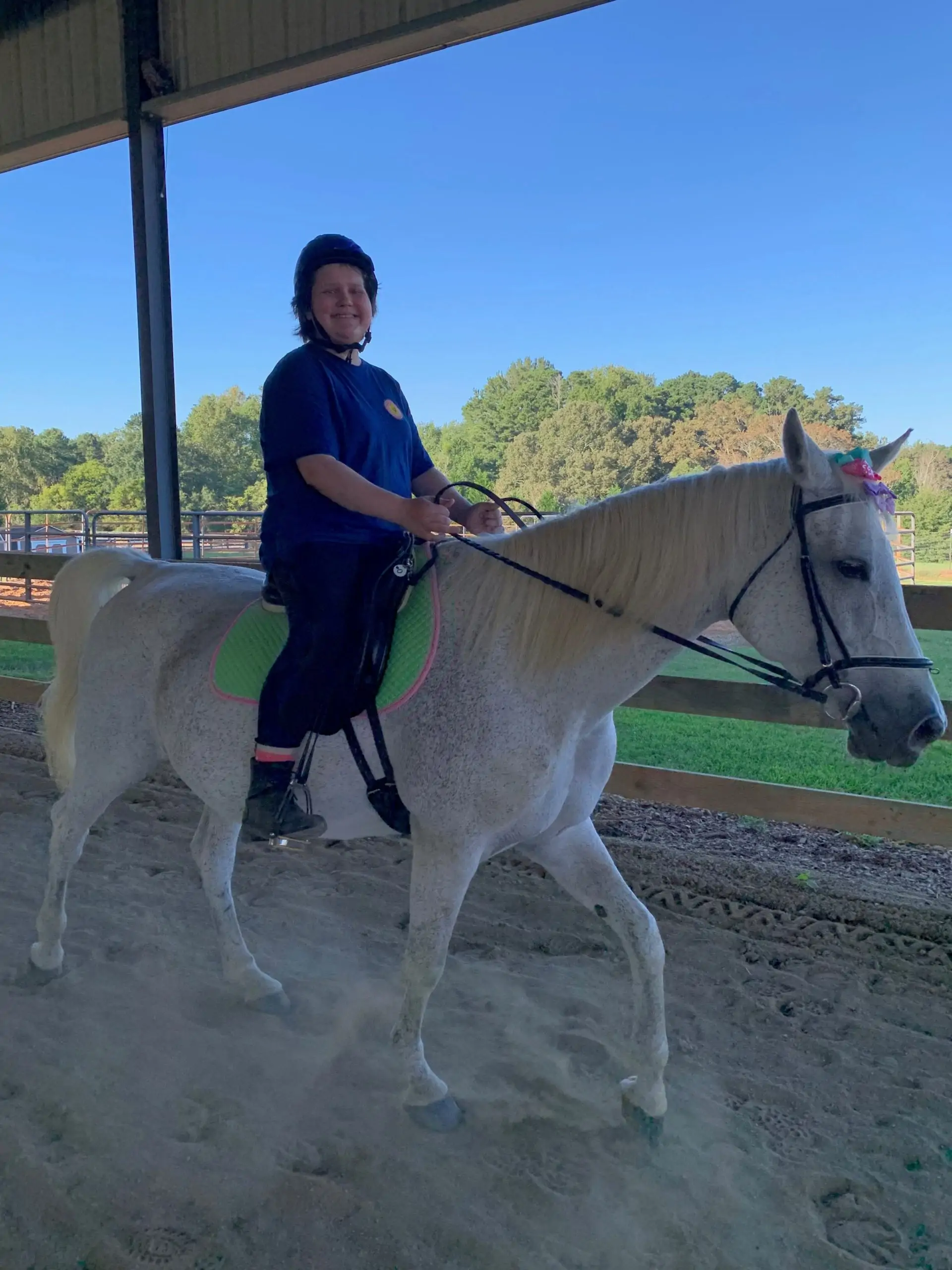
As a pediatric nurse, Courtney Thomas noticed her daughter’s symptoms quickly. After a visit to the doctor, Zoe was diagnosed with leukemia in February 2020, just as the world shut down.
“The pandemic started during her treatment, which added complications,” said Courtney. “But it also prevents us from getting to know other families. The family room has been closed, and most parents stay in their room during treatment. We have felt very isolated at times. It would be nice to connect with other families who understand what we are going through.”
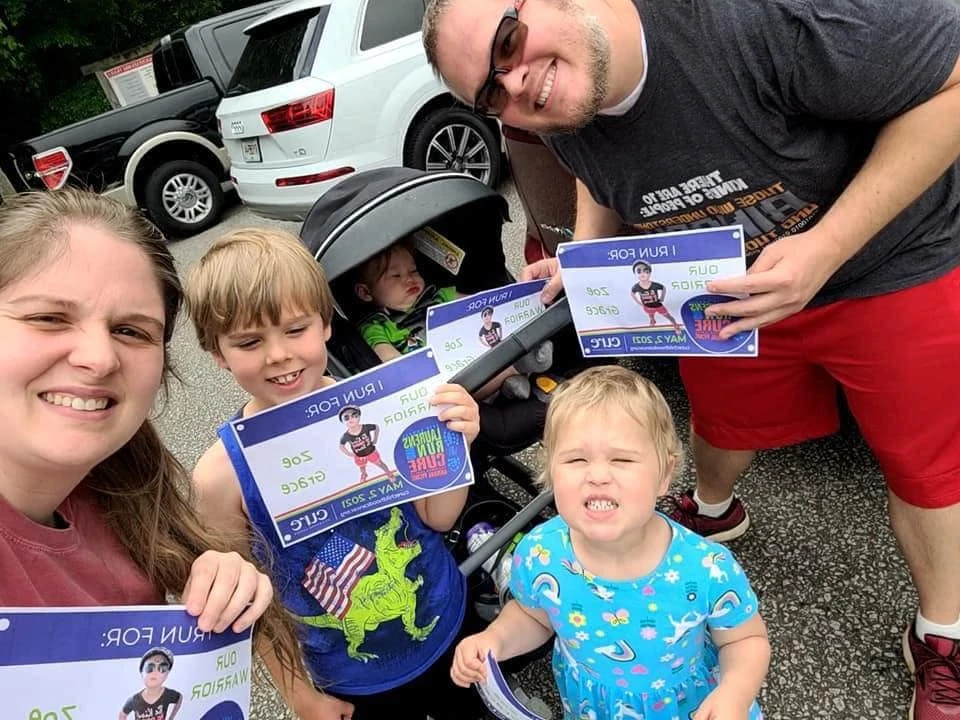 Additionally, events that usually bring the childhood cancer community together have been canceled or held virtually. The Thomas family participated in 2021’s virtual Lauren’s Run and had a great time walking a 2k on the Silver Comet Trail (even after Zoe fell asleep.) This year, they are very much looking forward to the in-person Lauren’s Run & Picnic.
“Zoe’s name is Greek, and it means ‘life,’” explained Courtney. “So our team name is Zoe Means Life, and we are super excited to celebrate the day with CURE’s staff and other cancer families!”
A month before Zoe was diagnosed, her father, T.J., started a new job with Wren Solutions. Even though he was a brand-new employee, the company has backed him and his family in every way possible.
“The people at Wren were great from the start,” Courtney said. “He was always going to work from home. But many times, he had to work odd hours while we juggled treatment with our other two kids. They have been wonderful.”
Wren Solutions has also stepped up to support T.J. and his family by becoming a Gold Sponsor for Lauren’s Run & Picnic.
“Finding a cure for childhood cancer is an important cause for us now,” Courtney said. “It means a lot to us for them to not only support us during treatment but to stay behind us by investing in the cause that is near to our family’s hearts.”
Treatment for leukemia is very long, but Zoe is getting close to the end. She has one more spinal tap and will take her last oral chemo in June. She has done well with treatment and looking forward to ringing the bell that signifies its end. She would also love to see you at Lauren’s Run & Picnic.
Lauren’s Run & Picnic is Atlanta’s favorite day of family fun. The event has raised more than $4.8 million to fight childhood cancer over the years. But it’s not just a run. After the race, there is an over-the-top picnic filled with games, prizes, elaborate face painting, inflatables, music and dancing, arts and crafts, a full lunch, and much more. Learn more and register at laurensrun.org. Zoe will see you there!
 Natalie had been a very healthy child until she began losing weight and sleeping more often at the age of thirteen. Her pediatrician drew blood and confirmed that her labs looked normal for her age. But her weight loss continued, and she began getting stomachaches. When she noticed bruising on her body, her doctor sent her to the emergency room for more testing. It was there that Natalie was diagnosed with leukemia – just one day before her fourteenth birthday.
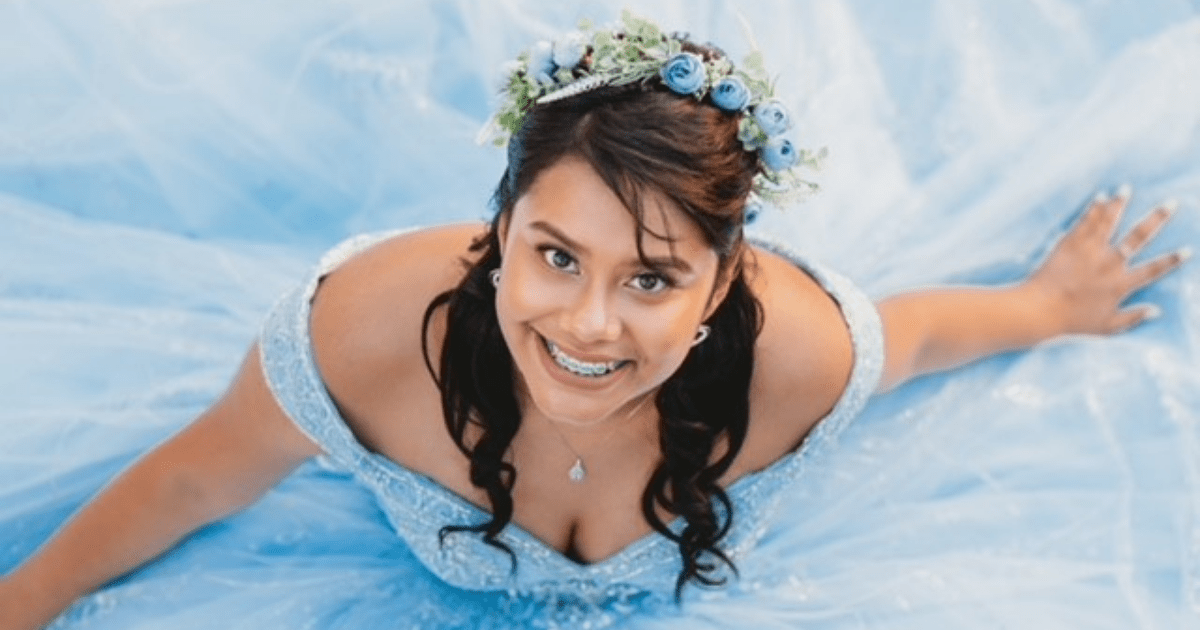
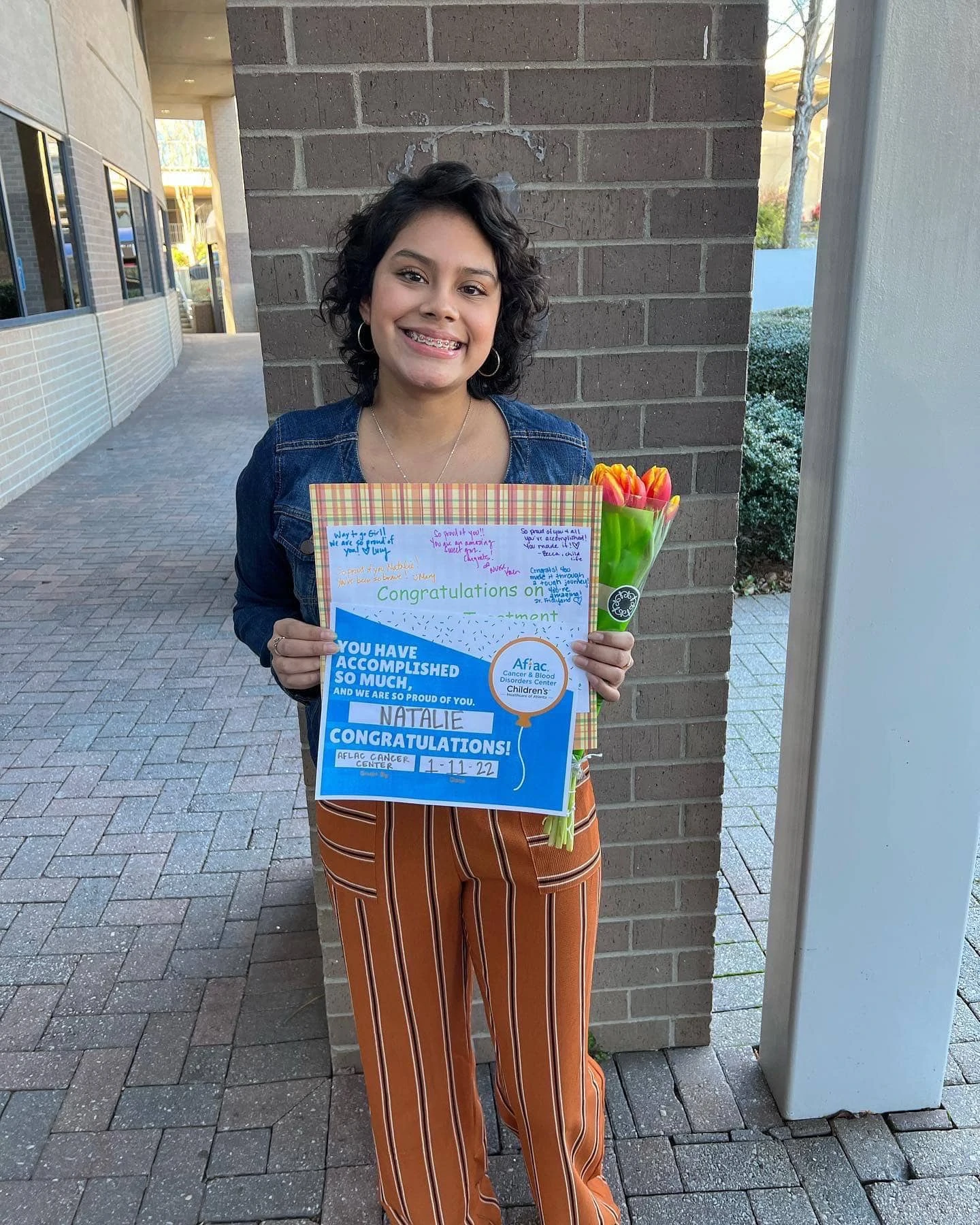 Natalie continued treatment as lockdowns and quarantines ended, and when the time came for her next birthday, she was able to celebrate with a wonderful Sweet 16 party! Her family pulled out all the stops and made it a beautiful day for her. An even greater celebration happened a few months later as Natalie walked out of the hospital cancer-free.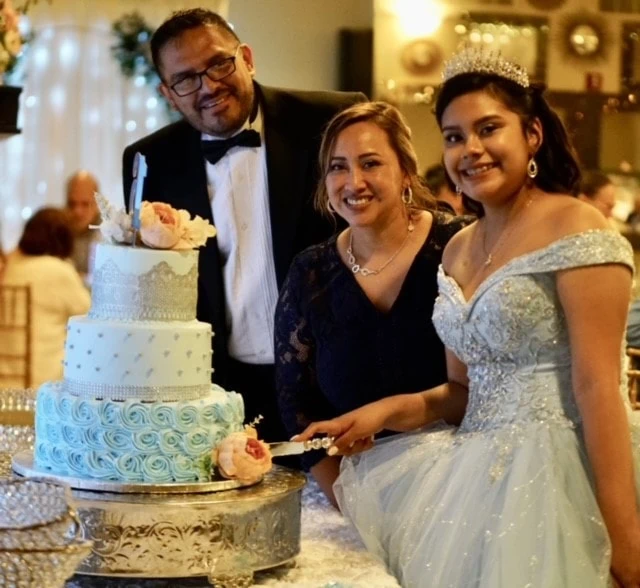
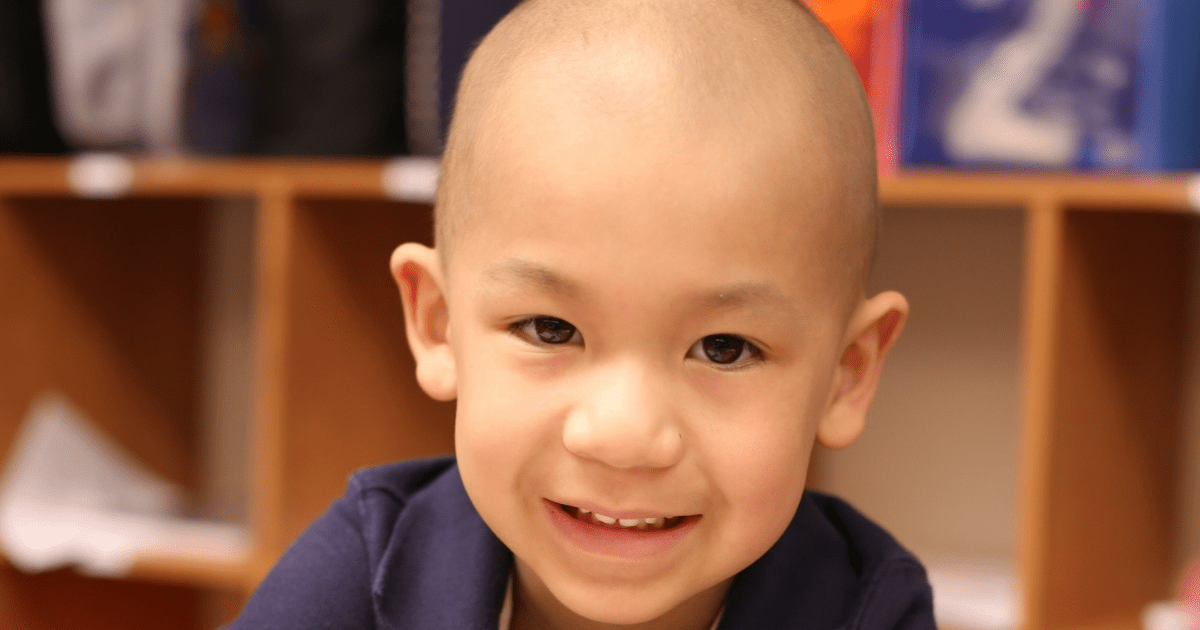
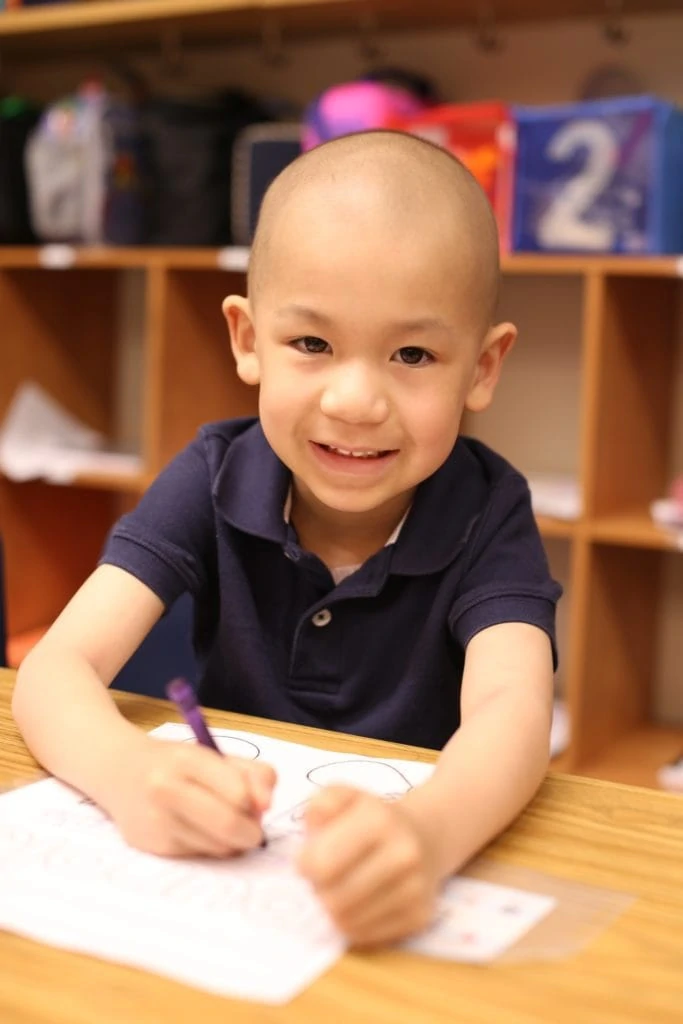 Edward was diagnosed with neuroblastoma. Neuroblastoma is a pediatric cancer in which malignant cells form from immature nerve tissue. Following the standard treatment protocol, Edward began countless rounds of chemotherapy and radiation, endured nine surgeries, battled through two bone marrow transplants, and entered clinical trials. Sadly, even with those extensive treatments and their awful side effects, residual cancer remained.
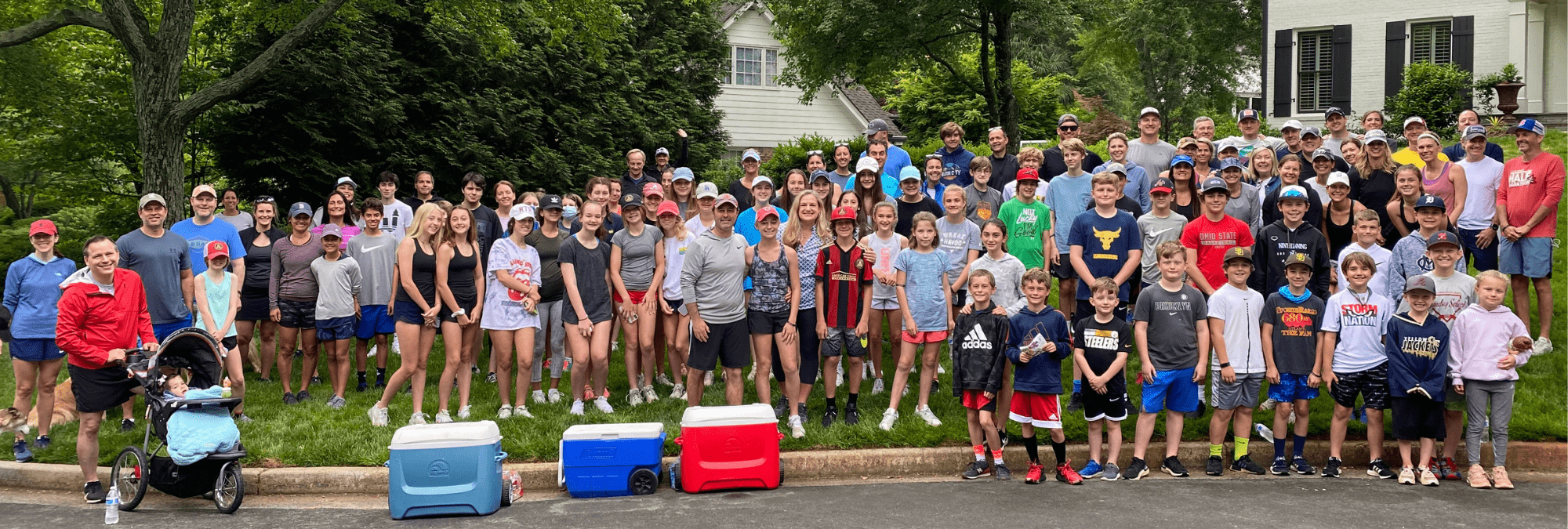
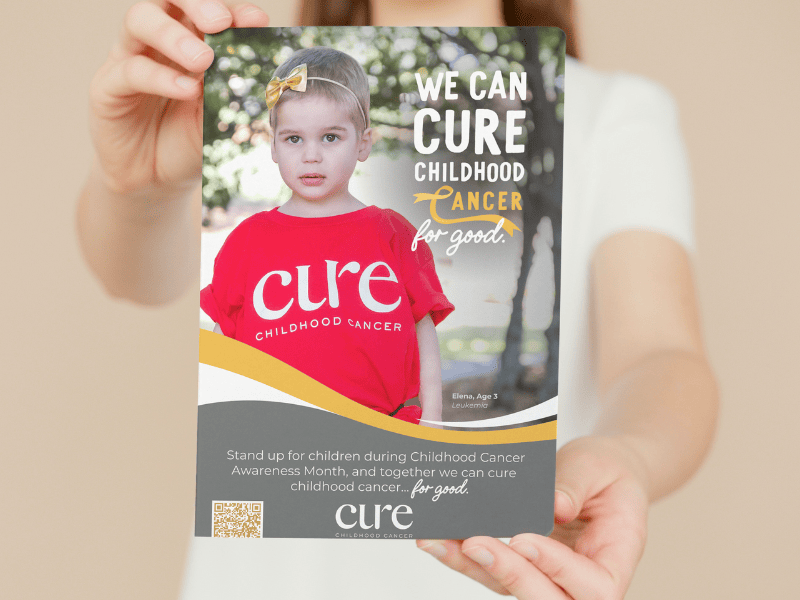
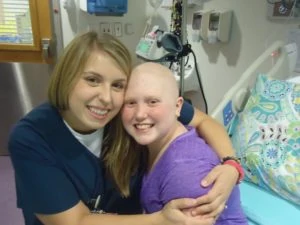 Elena Tate first learned about childhood cancer in 2004 when her younger sister, Olivia, was diagnosed with a brain tumor. The two girls love each other and share a lot of things. But Elena had no way of knowing that just a few years later, her back and leg pain would lead to a cancer diagnosis of her own. You heard that right – both sisters were diagnosed with pediatric cancer.
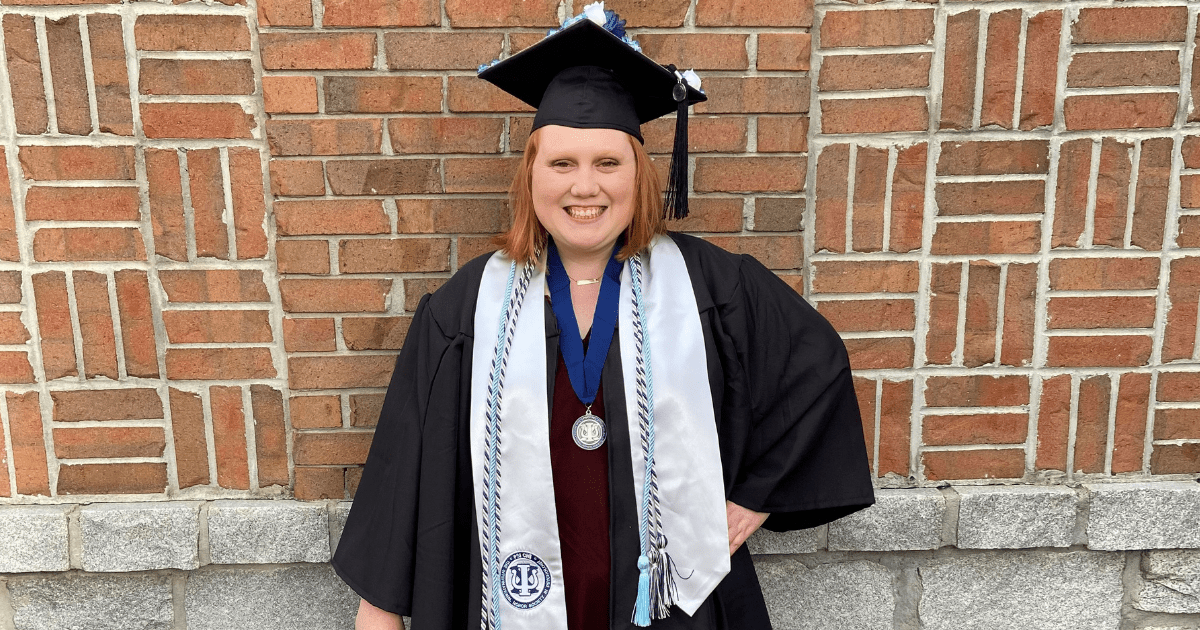
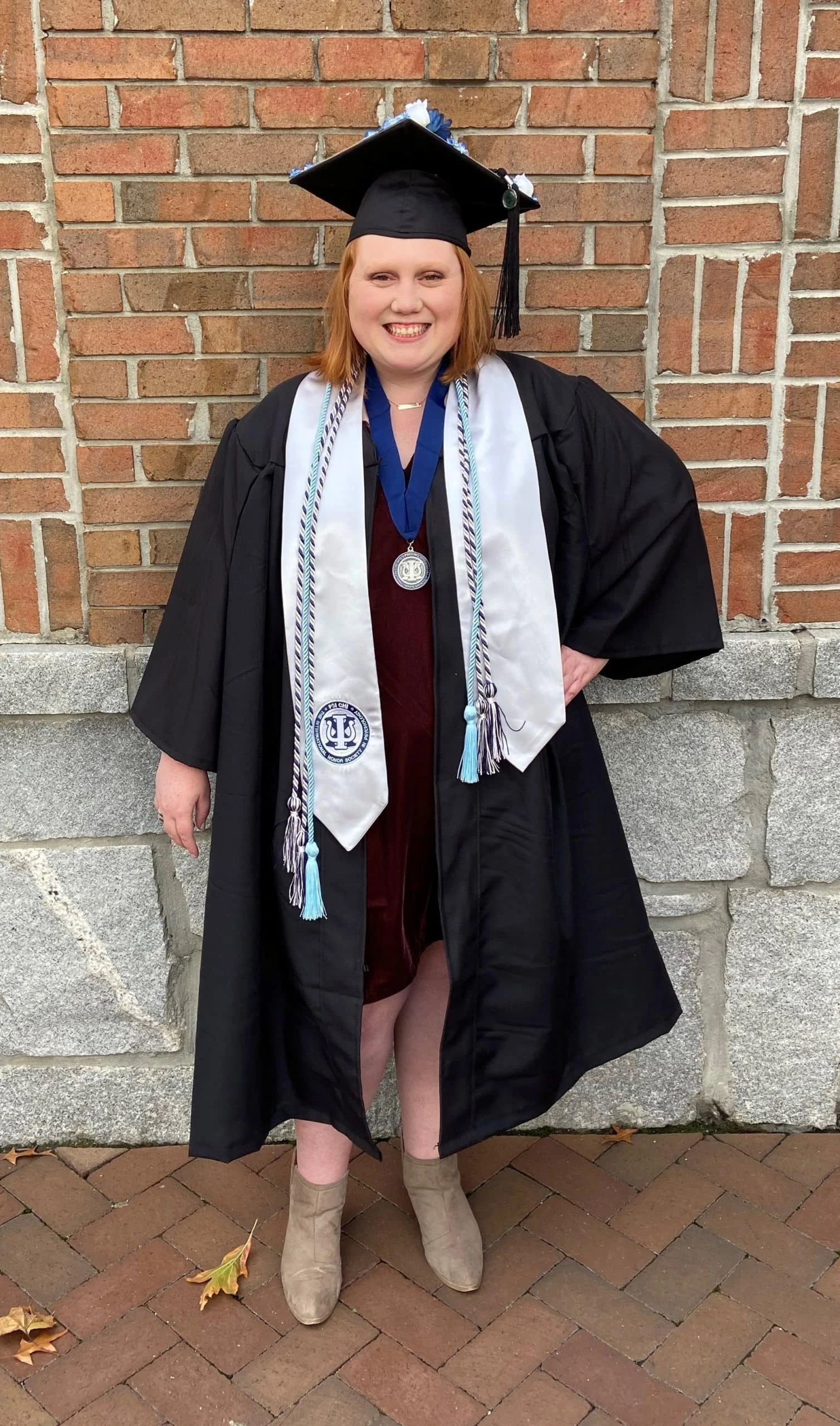 Elena doesn’t remember all of the details of her treatment, but it definitely altered her story and what she plans to do in the future. Last December, she graduated Summa Cum Laude from Georgia Gwinnett College. During her time in college, Elena was the president of the psychology club, a Psi Chi International Honors Society member, an orientation leader, and a research assistant. She is now starting the process of researching graduate schools and plans to enroll in the fall.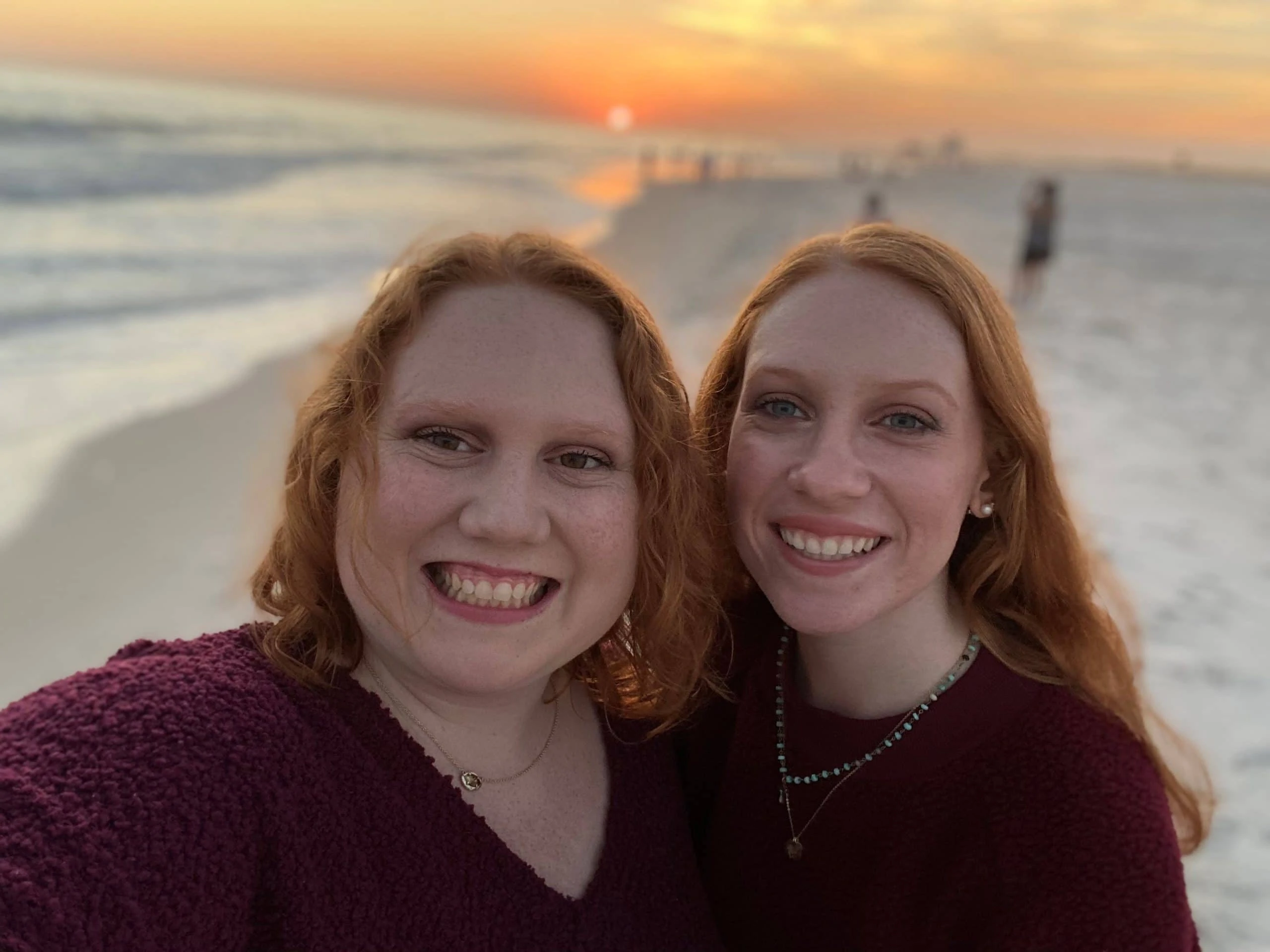

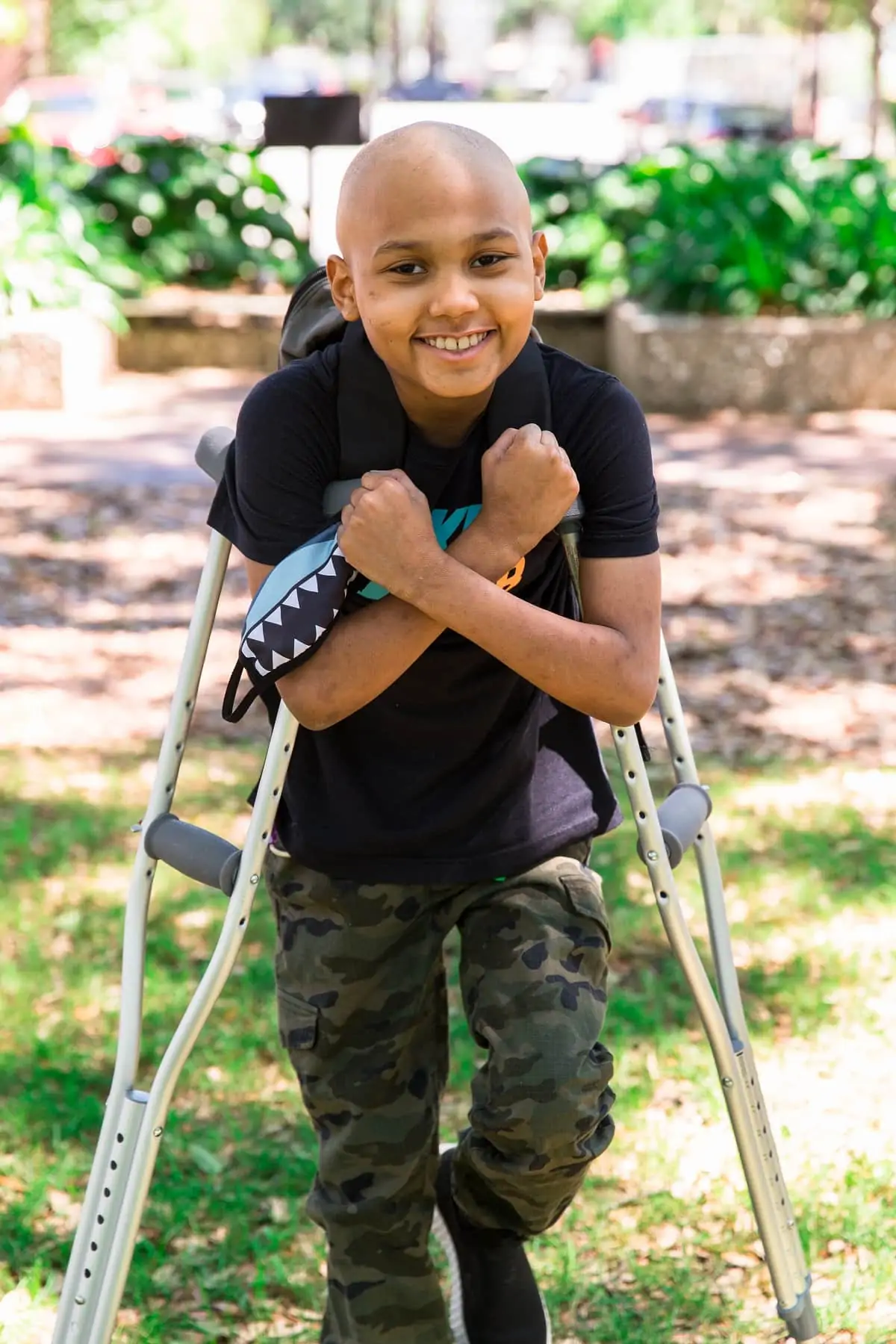 The pandemic made a doctor’s appointment hard to get. Finally in February, the doctor agreed that the likely cause was growth-related. Eli’s mother, Taylor, wanted to find out for sure and asked for a referral to an orthopedist, where an x-ray revealed a tumor on his left tibia.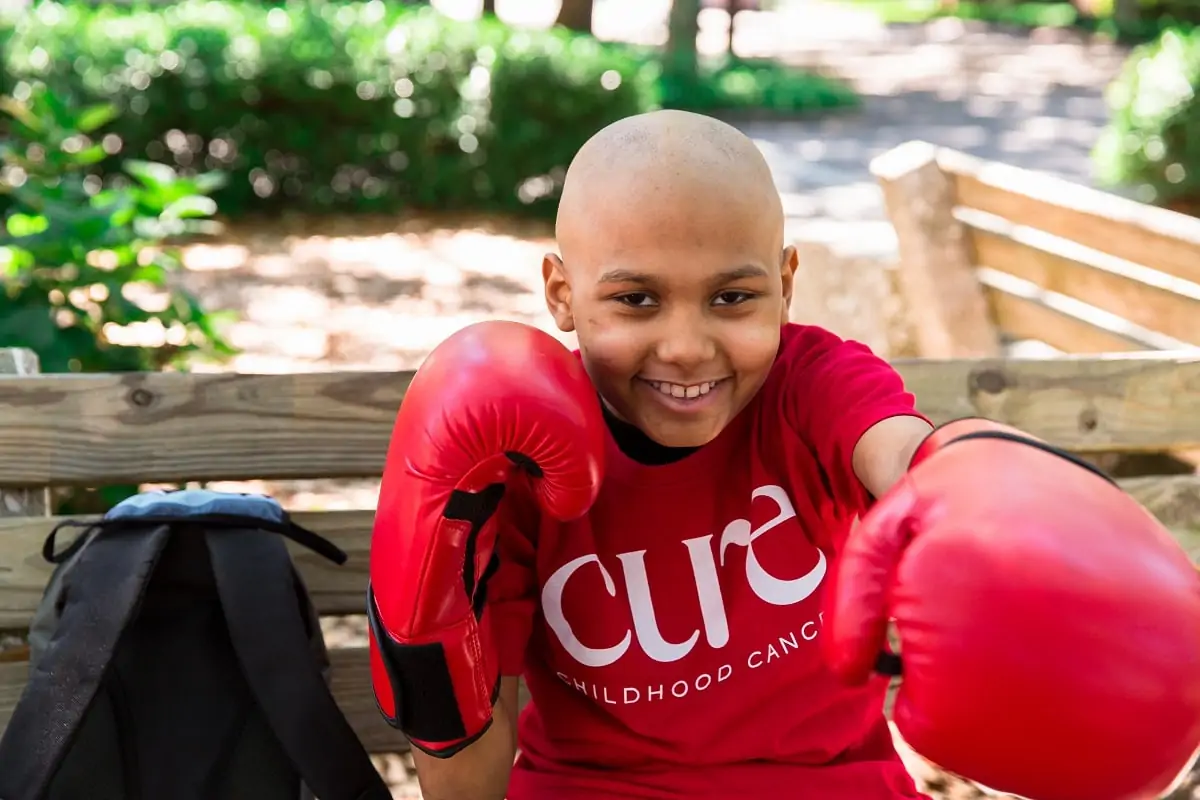
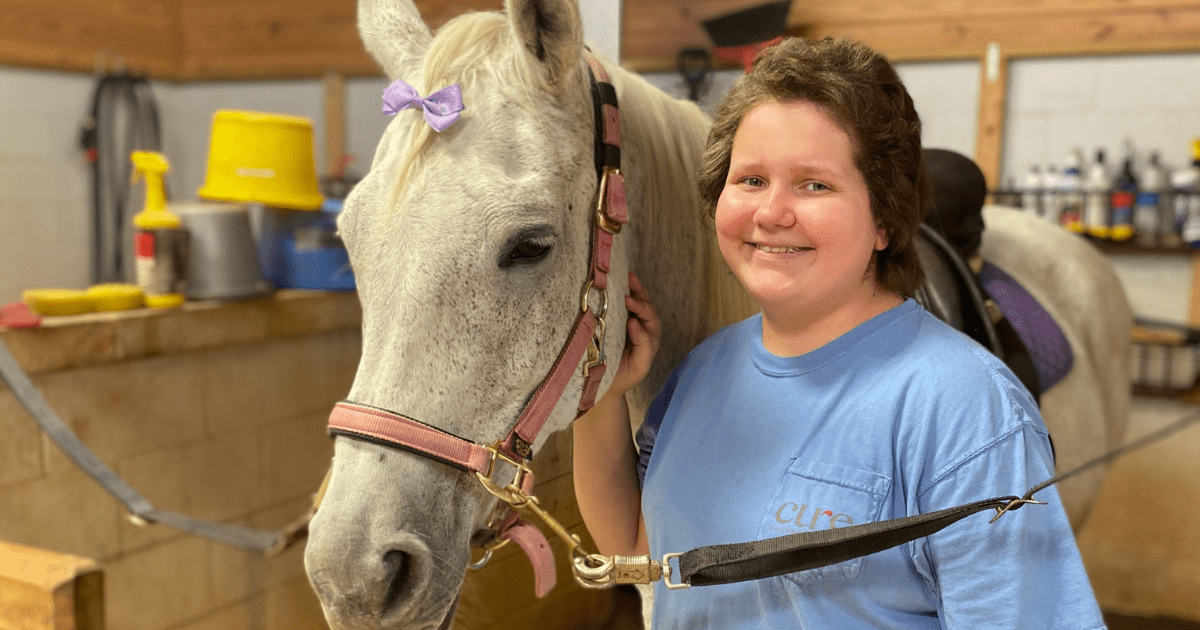
 Emsley’s treatment continued after the pandemic swept across the country, making the hospital a lonely, isolating place.