Paul’s Unexpected Diagnosis
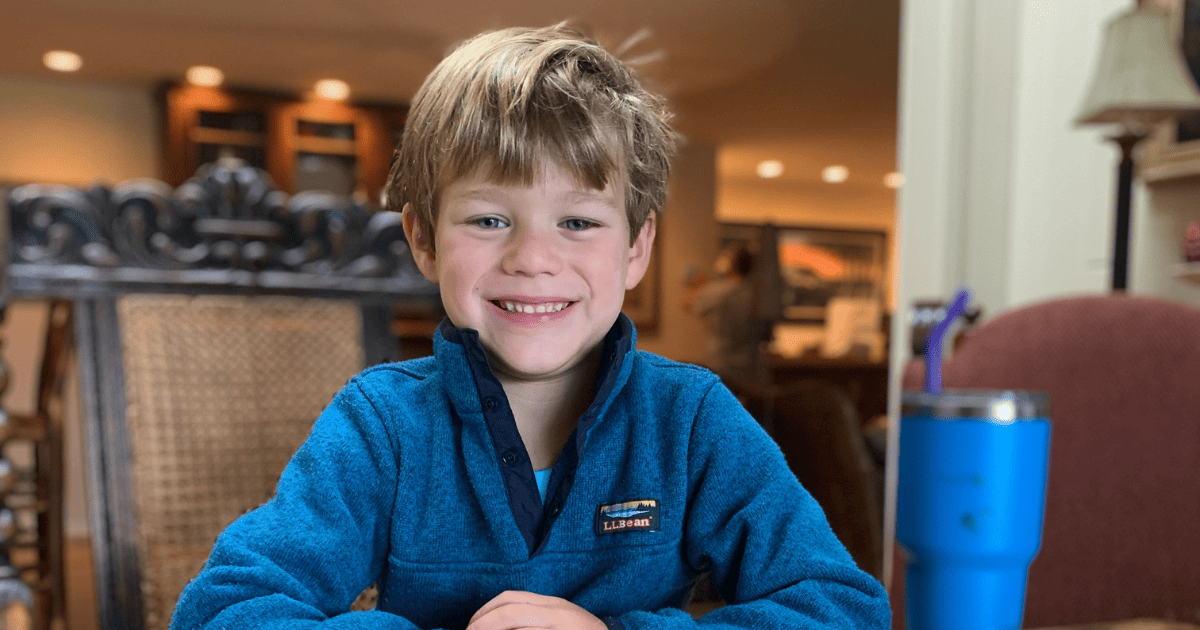
In the summer of 2020, a young boy named Paul and his family were enjoying a mountain vacation. Despite experiencing intermittent leg pain, Paul didn’t let it hinder his activities, and he didn’t complain. However, a hospital visit took an unexpected turn when an x-ray revealed a tumor in his right femur. His parents were left shocked.
“We thought Paul had a muscle injury, or possibly a bone infection,” Paul’s mother, Charlotte Marie, said. “We weren’t prepared to hear the words ‘cancer’ or ‘Ewing sarcoma’.”
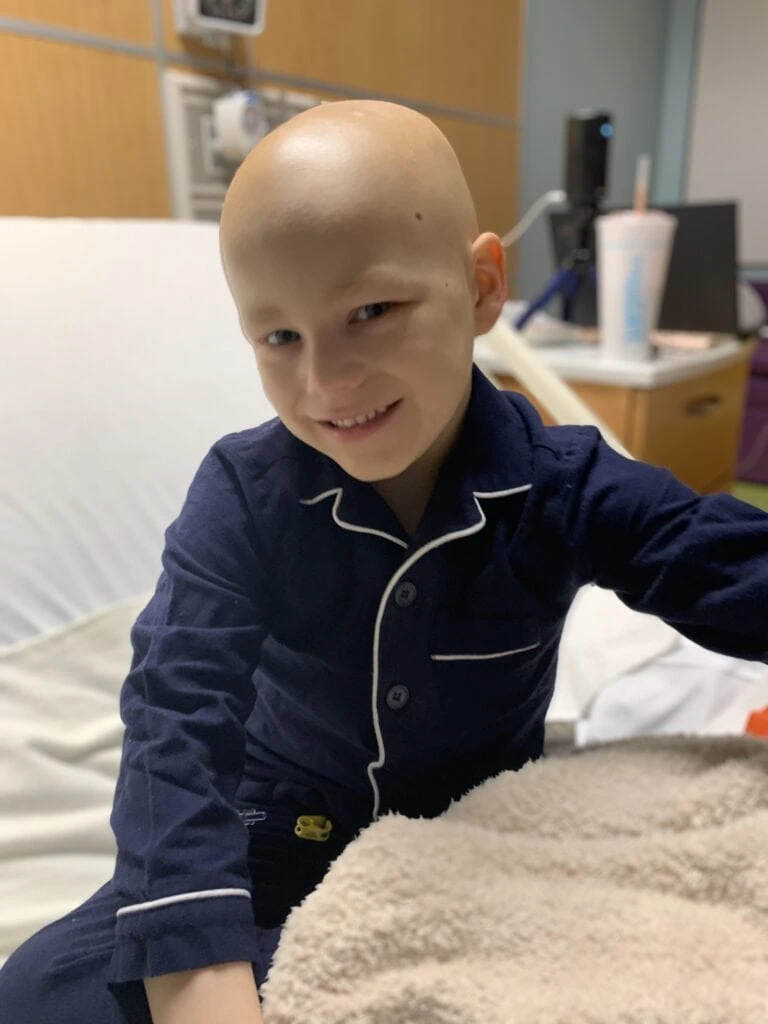 More bad news came as further testing revealed more than 100 tumors in Paul’s lungs, and a lesion on his spine and left femur.
Paul’s Cancer Treatment
After nine rounds of chemotherapy, his lungs were clear, and the tumors on his left femur and spine had disappeared. The next step in his treatment was surgery to remove half of his right femur and replace it with a telescoping rod that will expand as Paul grows. Following the surgery, Paul underwent additional chemotherapy and radiation until he was declared cancer-free in June 2021.
“Paul put his head down and handled treatment very well,” shared his father, Jonathan. “We had a goal of getting to the finish line of treatment, and we focused 100% of our energy on that day. What we weren’t prepared for was the day after.”
The Unseen Toll of Childhood Cancer
After a year of being entirely consumed by Paul’s physical health, Jonathan and Charlotte Marie began to take stock of the unseen mental toll of his treatment. They describe Paul as an “old soul” who was slightly stoic before his cancer diagnosis. However, his experience with cancer has only increased that stoicism. He has also become very protective of his family and doesn’t want them to feel sad. As a result, he tries to manage his own emotions so that no one worries about him.
“In many ways, his innocence was stolen from him,” Jonathan said. “Instead of going to kindergarten, he was getting a port placed in his chest and beginning chemo. That’s a lot for anyone to deal with, much less a six-year-old.”
 Finding Support with CURE’s Counseling Program
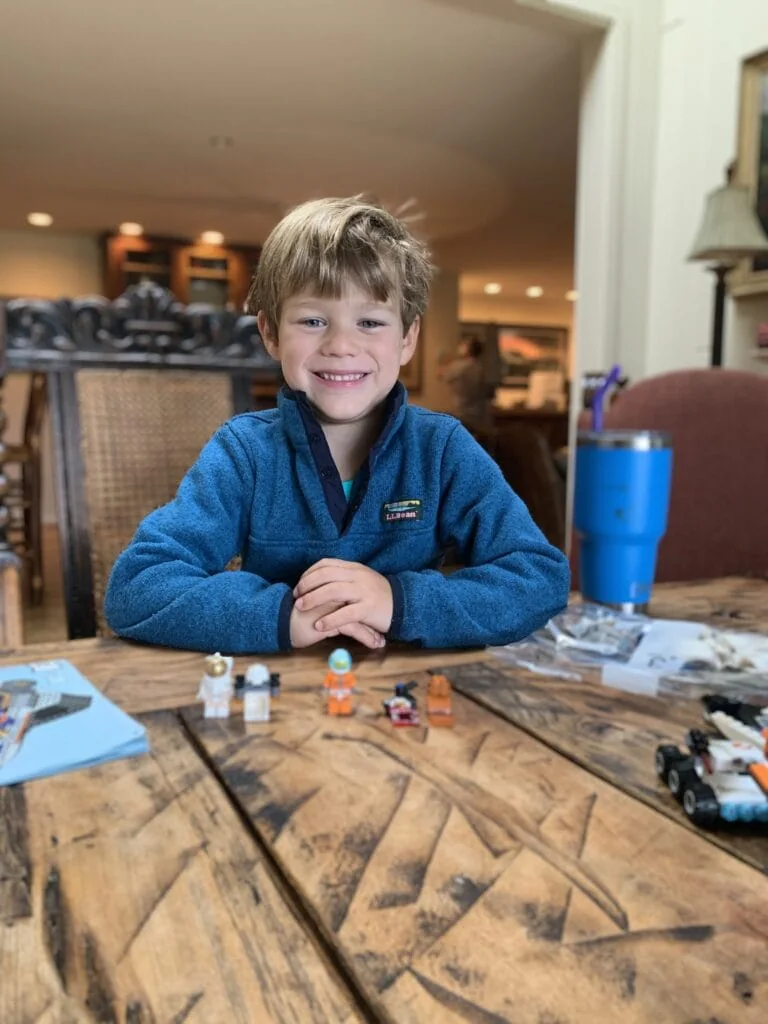 Finding Support with CURE’s Counseling Program
Paul’s parents turned to CURE for help, and Paul now works with a therapist to help process his feelings about his cancer experience and learn how to express his emotions. It seems to be helping him greatly. However, Paul wasn’t the only one who needed support.
“We started seeing a counselor through CURE’s Counseling Program,” said Jonathan. “Everything about the year in treatment hit us, and we weren’t prepared to process it all. It has been very helpful to carve out an hour to talk to someone who can help us work through these things. We also get to hear each other’s side of the trauma.”
“I feel like we woke up after treatment ended and had to deal with a great many issues we had buried while we focused on getting Paul better,” added Charlotte Marie. “I’m glad we weren’t alone and had a third party help us resolve these things. It’s been a truly invaluable resource. Jonathan and I are in a better place because of the counseling we’ve done.”
After working through a couple of very traumatic years, the future is looking much brighter for Paul’s family. Jonathan and Charlotte Marie would encourage others to seek counseling when needed as everyone can benefit from help processing such a terrifying and stressful experience.
Learn More About Our Childhood Cancer Counseling Program
If your family has been impacted by a childhood cancer diagnosis, we would love to be a counseling resource for you. CURE’s Counseling Program has sessions available for patients, parents, and siblings. Please submit a counseling form (HIPAA compliant) and we will be in touch.



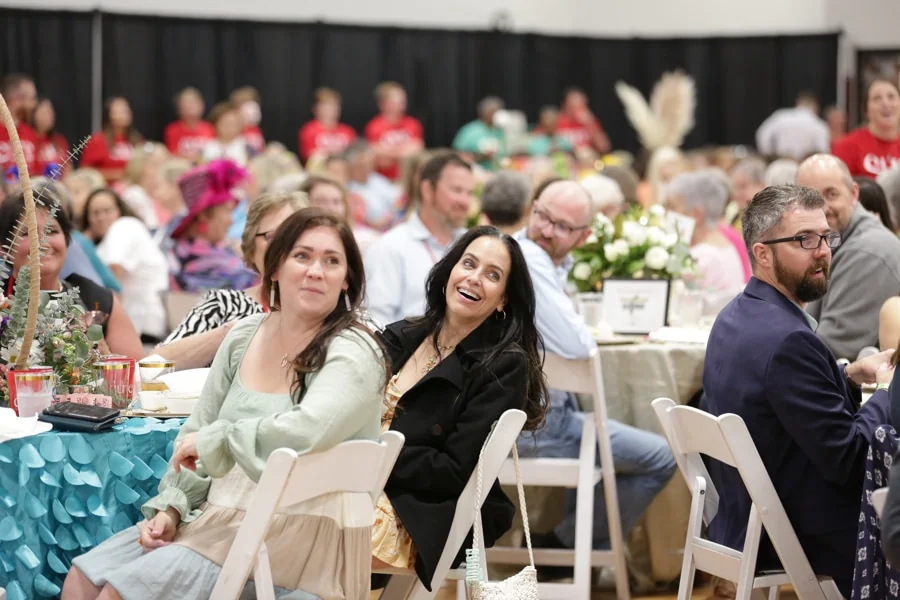
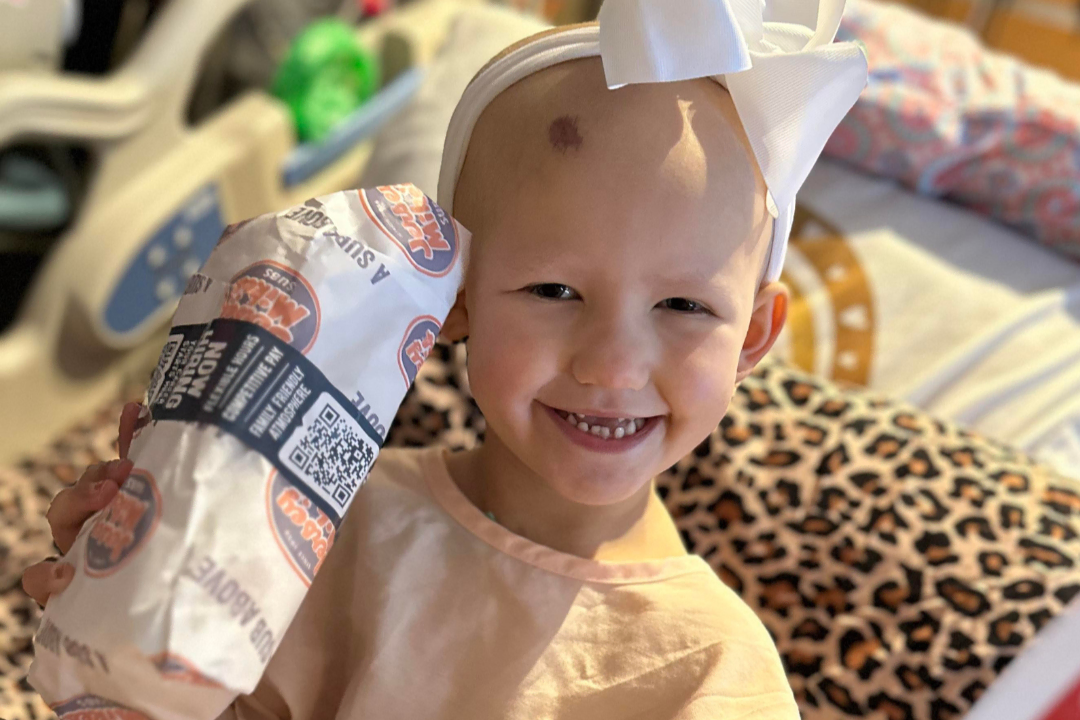
 On Day of Giving, local Jersey Mike’s owners and operators throughout the country will donate their resources and every single dollar that comes in to more than 200 different charities including hospitals, youth organizations, food banks, and more.
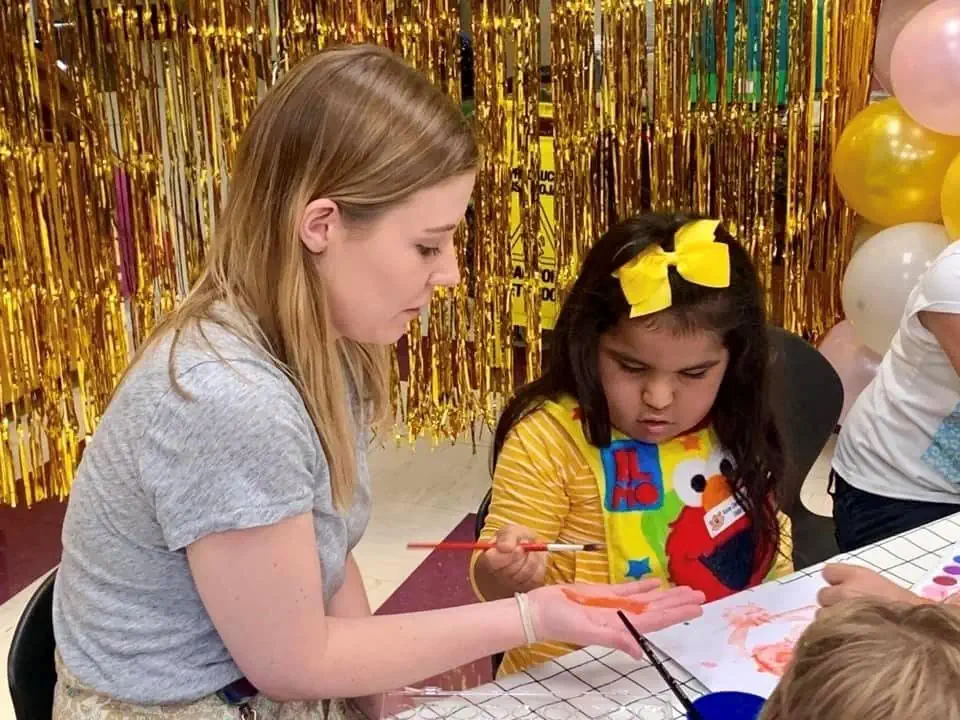 While she is in great shape already, she’s not running just for herself. She’s also running for a little girl named Claire and other children with cancer. Patricia earned a Master’s Degree in Education with a concentration in Special Education. During her first year of teaching, three-year-old Claire was one of her students. They immediately became close, so Claire’s diagnosis was devastating to her.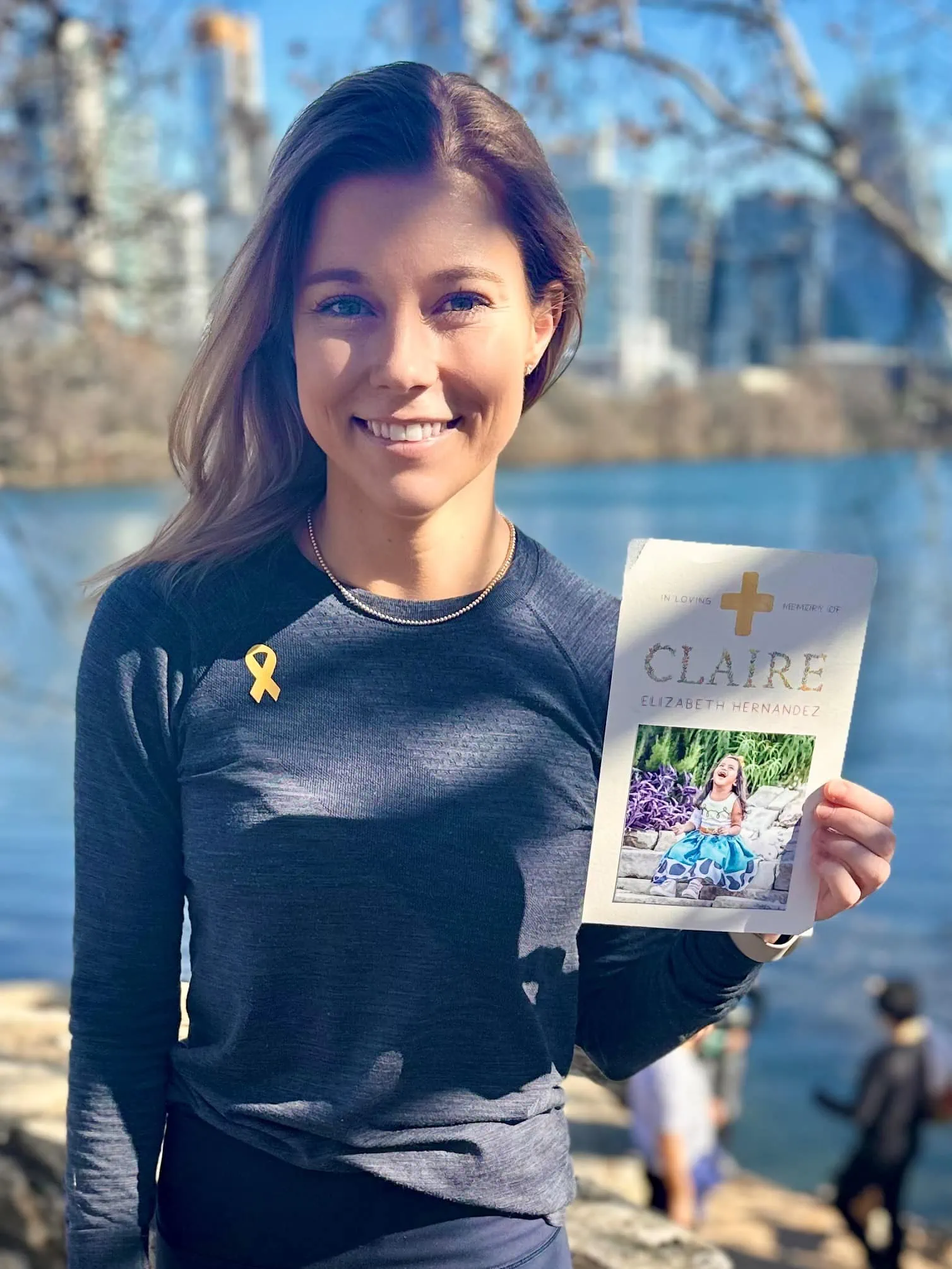


 “Claire was lucky because we caught it very early,” shared Kathleen. “After testing on the lymph nodes, it showed her cancer to be lymphoma and not leukemia. But because it is very rare for a four-year-old child to get lymphoma and her disease is presenting like leukemia, we are doing the standard treatment for leukemia.”
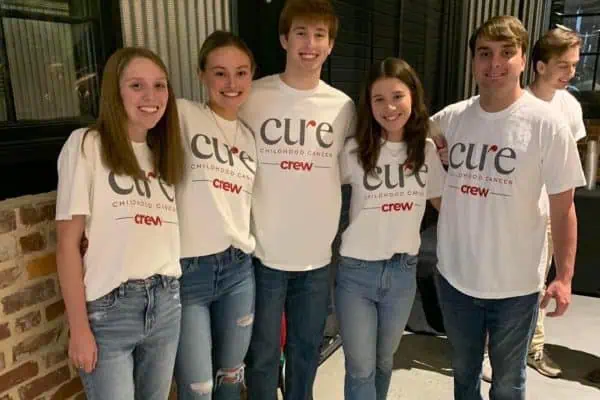


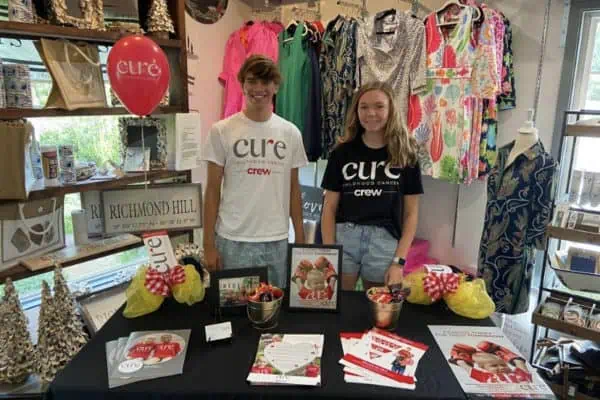
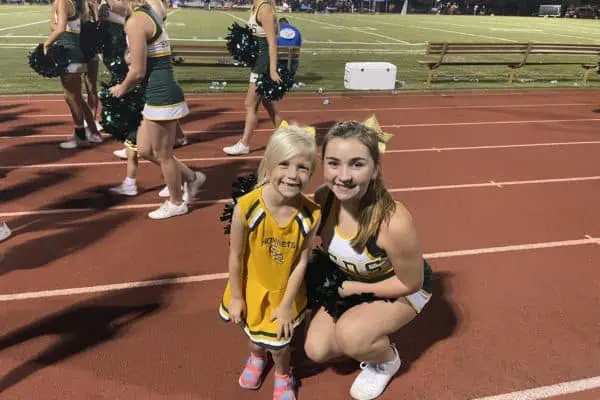

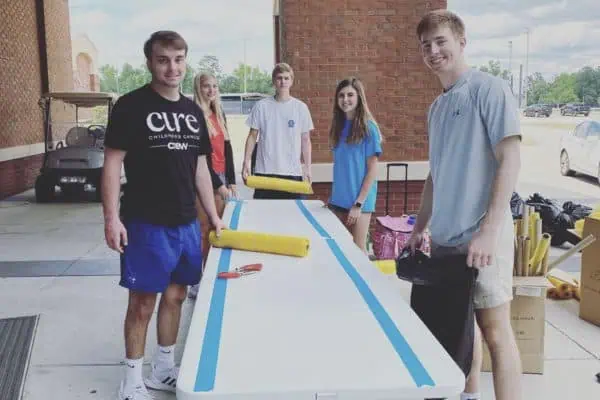
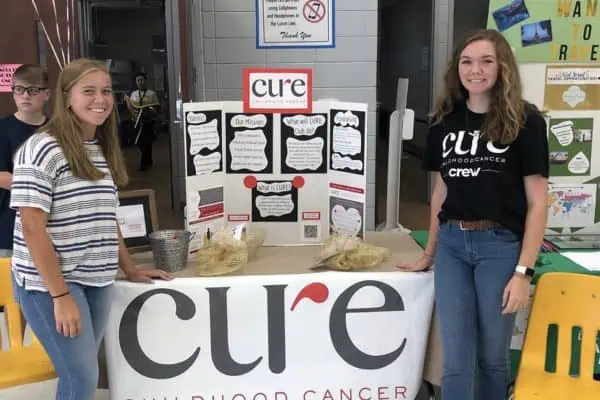
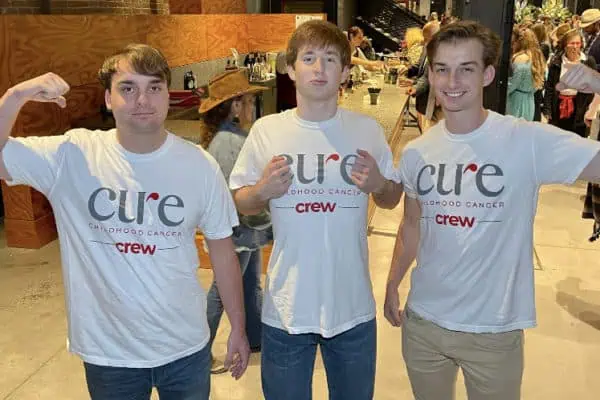
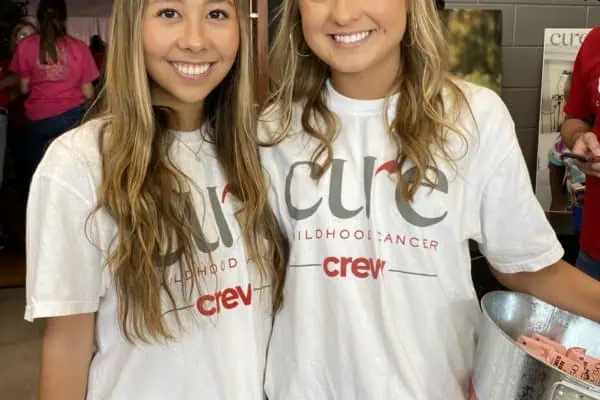


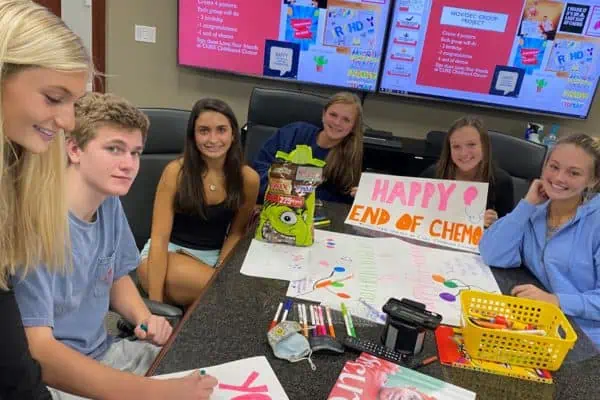


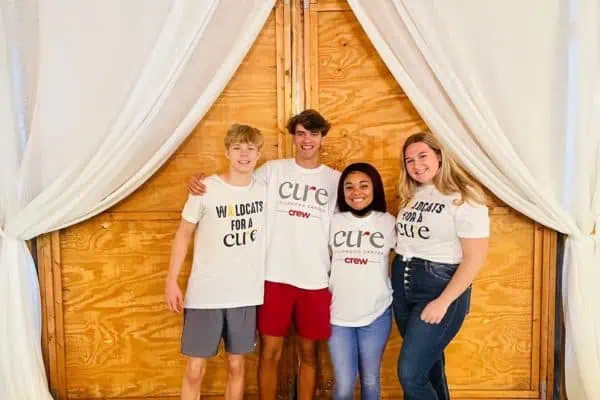
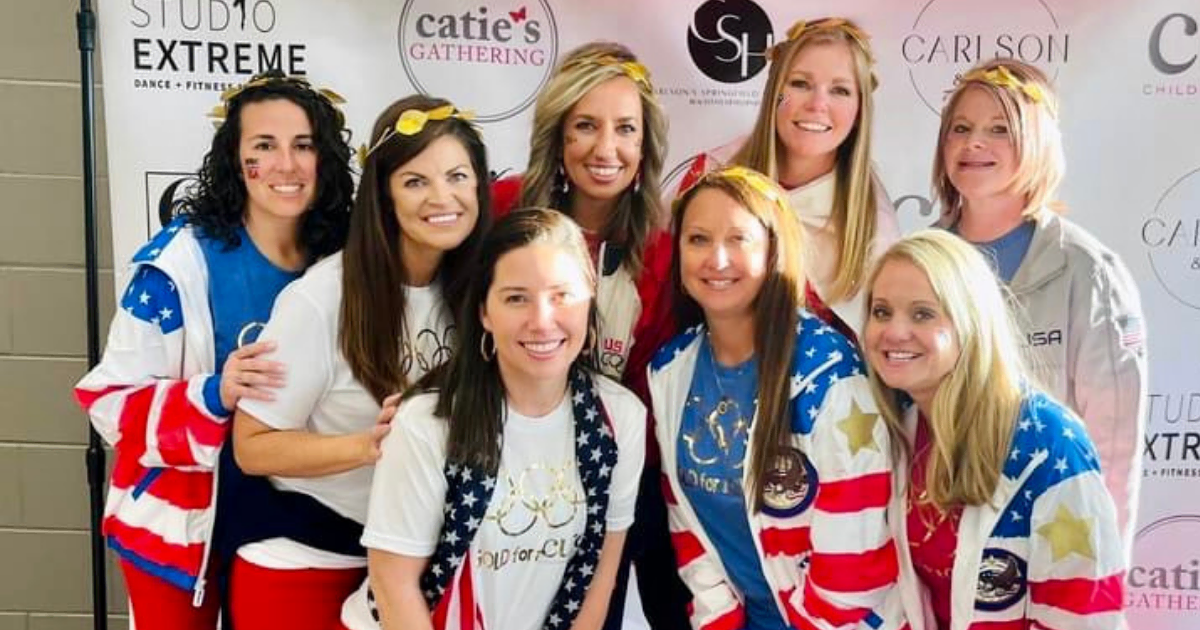
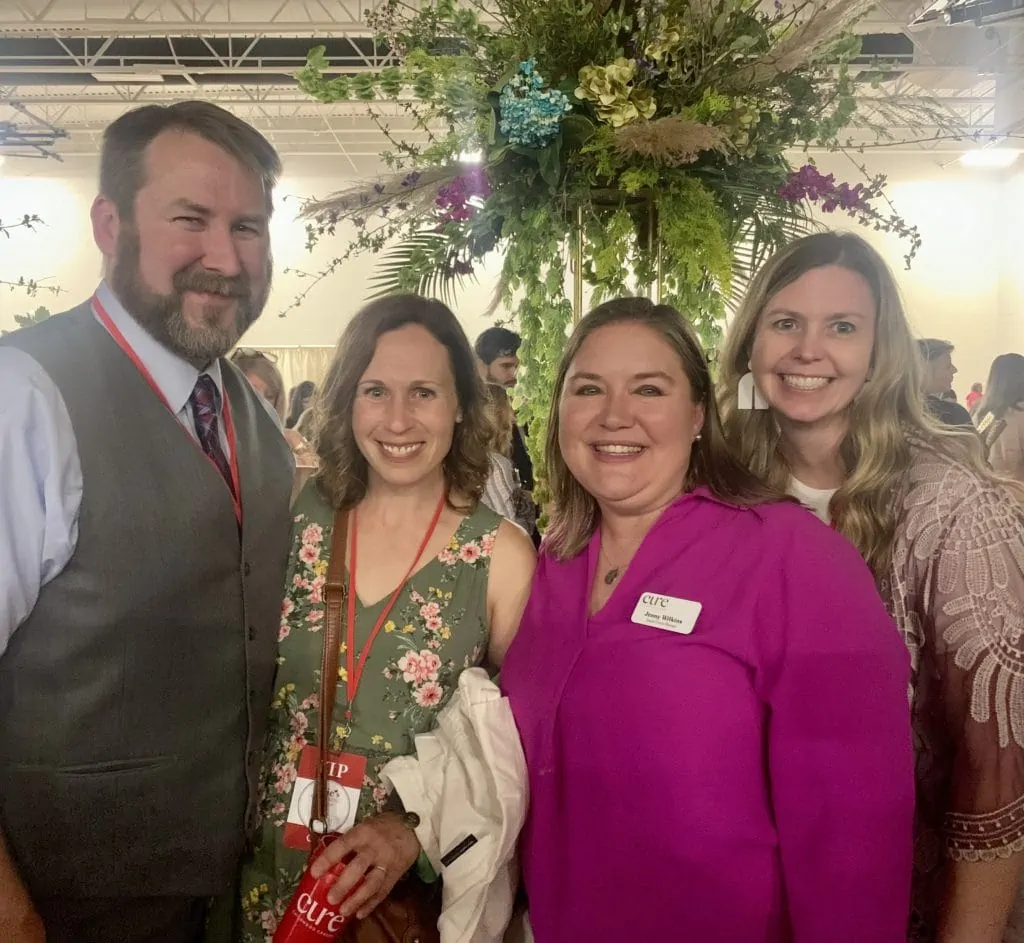 Thanks to the overwhelming support of her Effingham community, the first Catie’s Gathering has grown into events in five cities across south Georgia and has raised more than $2.8 million. The event helps fund patient and family programs as well as CURE’s Precision Medicine Program, which focuses on individualized treatments based on each child’s genetic makeup.