Last year, Rhealynn “Rhea” Mills stood in front of 600 guests at the Believe Ball and shared her story. What the room didn’t know that night was that she’d relapsed just one week earlier. Despite this, she showed up anyway, strong and steady, and left an impression none of us has forgotten.
Watch the video we shared that night before she spoke. Knowing what she was carrying that night makes it even more powerful.
A Journey That Began in 2022
Rhea’s story started in October 2022, when she was diagnosed with metastatic osteosarcoma, an aggressive form of bone cancer. Her treatment included the amputation of her right leg, along with multiple surgeries after the cancer spread to her lungs. It’s the kind of diagnosis that reshapes a family overnight, and for the Mills family of Thomasville, Georgia, it did exactly that.
There were dark moments along the way. Rhea has shared that there was a point she thought she was done, and that she might not get to play the sport she loved again. But something in her kept pushing back against that fear, and she decided she wanted to try again.
Where She Is Now
This spring brought a scare: abnormal lab results sent the family back to Texas early, and doctors worried about a possible secondary cancer. After weeks of testing, the news was better than they’d hoped. There is no secondary cancer, and the large tumor in Rhea’s lung appeared to be completely dead. The abnormal labs, it turned out, were caused by low copper levels.
Today, her mother, Revana, reports there’s no active cancer detected, though a mass remains in the left upper lobe of her lung that the family hopes will continue shrinking on its own. Rhea takes daily medication and continues physical therapy to rebuild shoulder strength and manage lingering back pain.
And through all of it, Rhea is back on the softball field. Watch this news feature about Rhea’s return to the mound. You’ll be inspired!

Her mother calls watching that moment one of the most emotional parts of their entire journey. She wondered for so long whether they’d ever get back to the bleachers. Rhea’s own goals are refreshingly simple: get stronger, hit better, pitch better, and maybe one day play ball in college.
A Family That Keeps Choosing Hope
More than 10,000 people now follow Rhea’s story online, where her family shares both the hard days and the joyful ones: fishing trips, horseback riding, golf, and laughter. They’ve recently launched a YouTube channel to keep documenting those moments, hoping their honesty helps other families facing hard days keep fighting.
Rhea has said she loves the idea of inspiring others to keep working. If her story does that for even one more family walking a similar road, it will be doing exactly what she hoped.


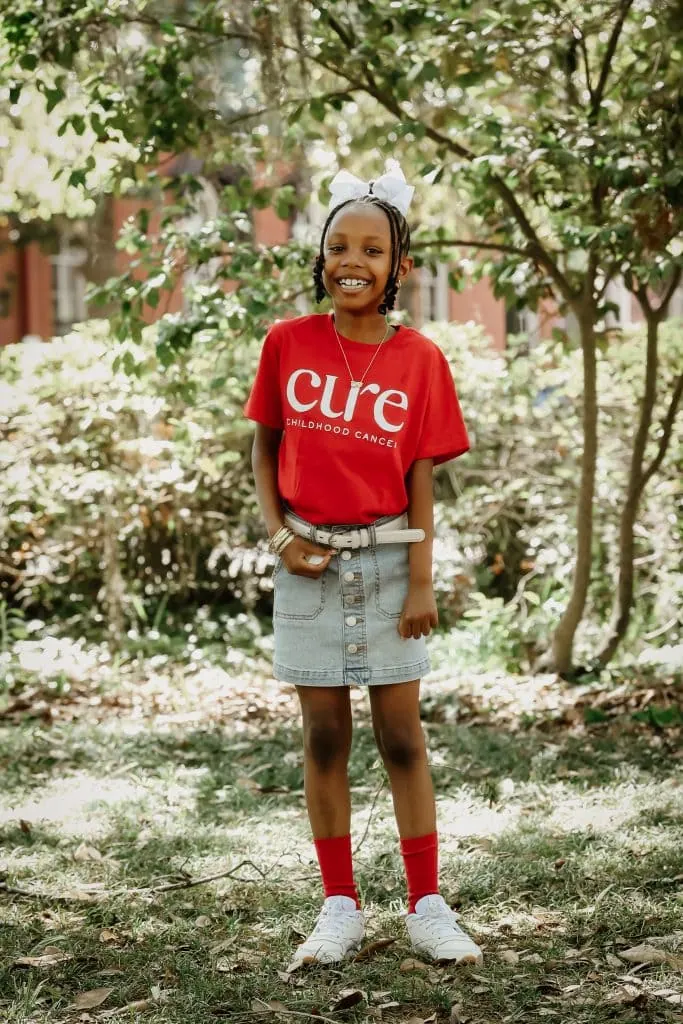 If you spend a few minutes with Meme, you’ll learn she is a diva who loves the camera, dressing up, and the color pink. She’ll dance for you, or she’ll tell you she’s going to be a doctor, a police officer, or a teacher when she grows up. Chemo has made her more home-bound than before. But she’s filled the house with TikTok videos, joyful energy, and a spirit that makes everyone in her life cheer for her. She even worked hard to make the second-grade honor roll.
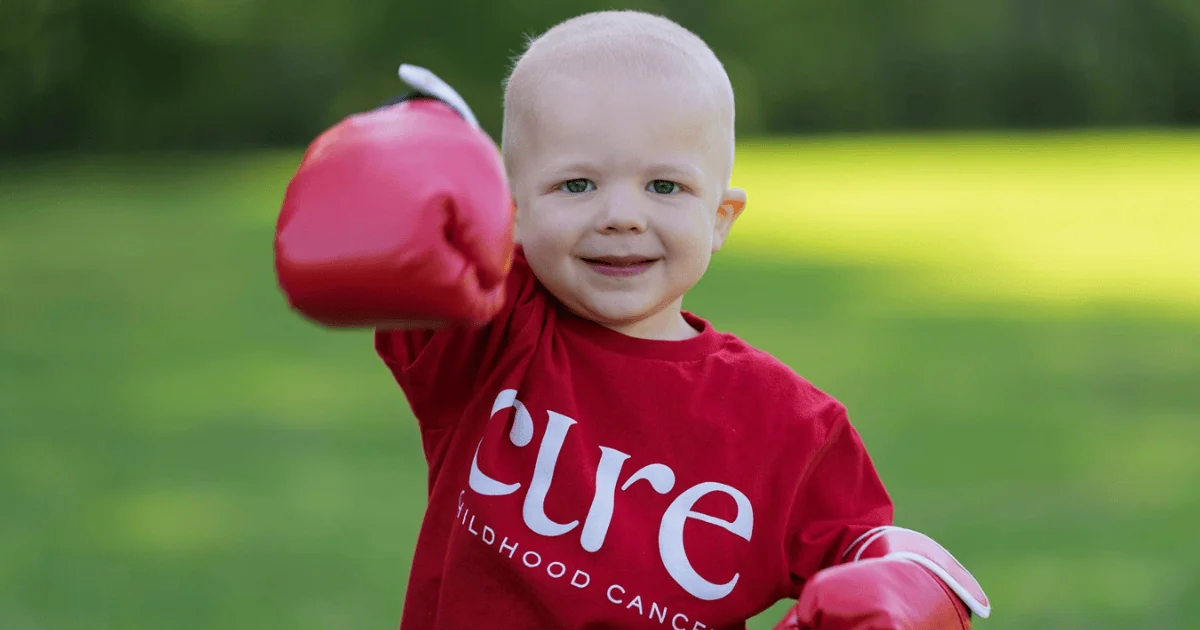
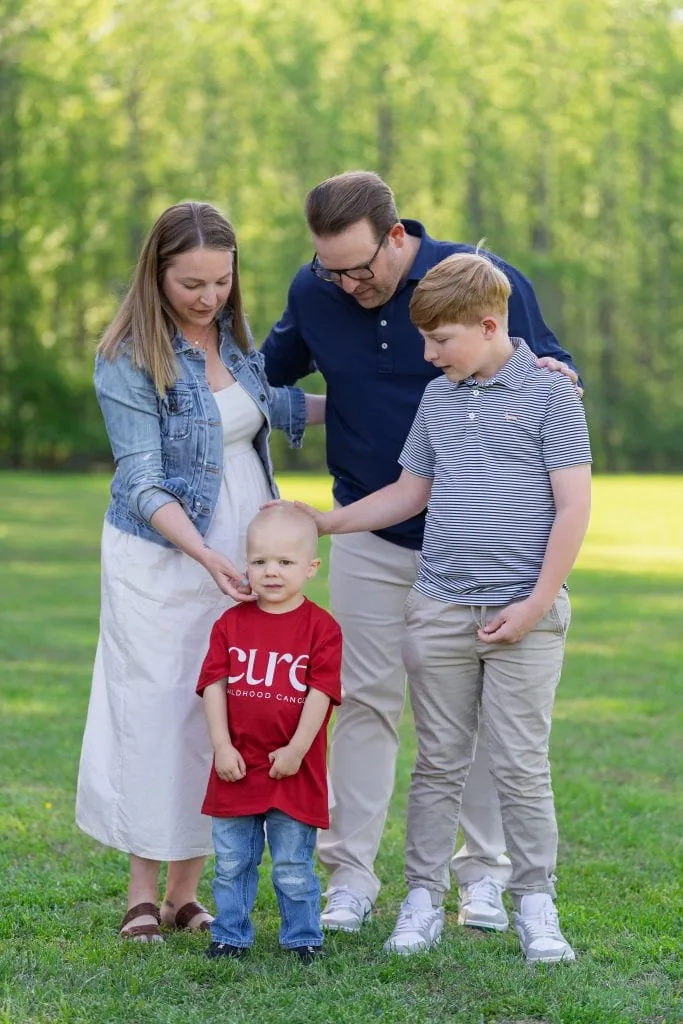 On July 31, 2024, Ripken was officially diagnosed with leukemia. Hannah’s instincts had caught it early, but that didn’t make the diagnosis any less devastating for his family. That’s when CURE stepped in. Their first interaction came through meals in the hospital, a simple gesture that helped lift spirits during the darkest days. But CURE’s impact went far beyond food. They became a constant presence, always around to offer a listening ear or a comforting hug exactly when Hannah needed it most.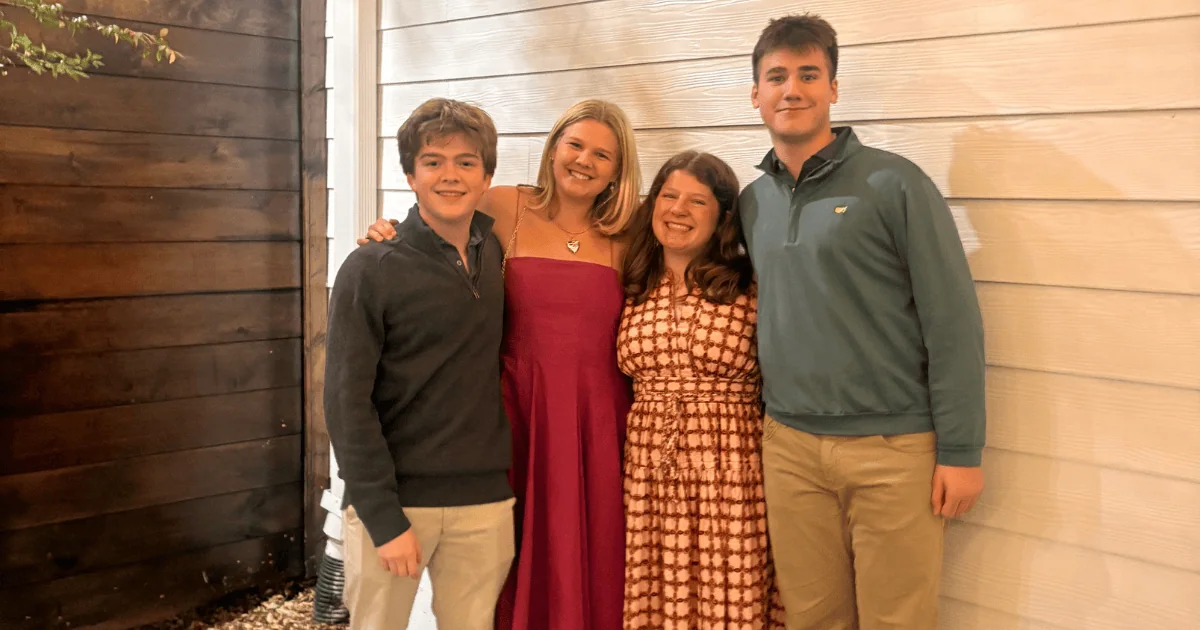
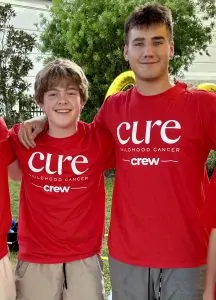 Now nearing the completion of their own two years of service with CURE Crew, both boys have become standout leaders within the program. Max and Joe Joe served as Senior Crew Leaders this year, helping guide younger members while continuing to volunteer at CURE events throughout the community.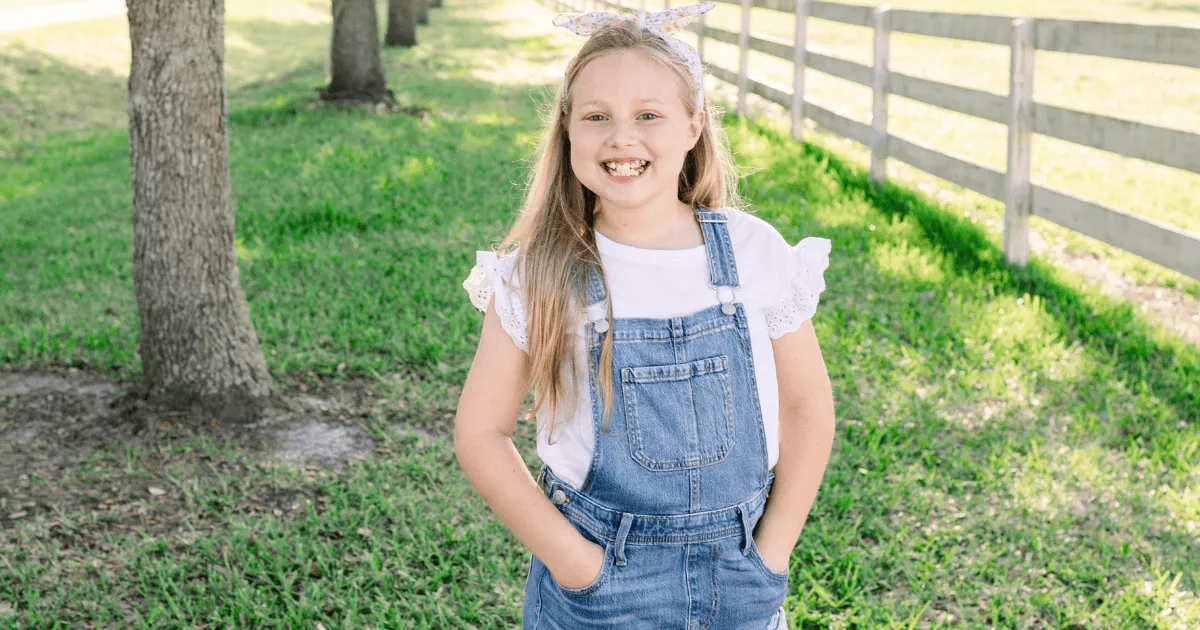
 Her world changed on May 29, 2016, when Addy was just 3½ years old. She was diagnosed with acute lymphocytic leukemia, but not the most common and treatable type. The overall survival rate for childhood ALL is approximately 90%. But testing revealed that her leukemia was Philadelphia chromosome positive. This rare and aggressive variant required an intense, prolonged treatment plan and carried a much worse prognosis.
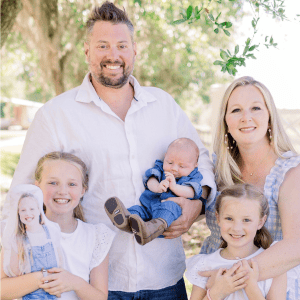 Addy’s time here was far too brief, but her impact is immeasurable. In her honor, her family established Addy’s Army Fund at CURE. The fund advances childhood cancer research with a focus on innovative treatments – like precision medicine and immunotherapies that are more effective and less damaging to growing bodies. It also supports quality-of-life programs for children in treatment, resources for siblings silently affected by a loved one’s diagnosis, and bereavement support for grieving families.