Beyond Survivorship

Many people have come to know September is National Childhood Cancer Awareness Month. But fewer realize June is National Cancer Survivors Month. We should definitely celebrate survivors! After all, the journey to survivorship is arduous, and these brave children are heroes. At CURE, we love to see cancer’s youngest warriors ring the bell at the end of treatment and walk out of the hospital, shoulders back and heads held high, ready to conquer the world.

However, life after treatment for these young survivors can be tough, and most people don’t realize the price they pay to achieve survivorship. By price, we don’t mean the financial cost, but the toll of months – sometimes years – of treatments involving toxic drugs which cause damage to organs and healthy cells at the same time they kill cancer cells.

When CURE was founded in 1975, the survival rates for children diagnosed with cancer were very low. There were few survivors. With focused and collaborative research, those rates have steadily risen to above 80%. However, as is usually the case, this statistic doesn’t tell the whole story. There’s another important statistic to note: more than 95% of childhood cancer survivors will have  significant health issues by the time they are 45 years old. For those who are poor at math, 95% is only a little shy of all of them.

From heart and lung damage to secondary cancers to serious cognitive deficiencies, childhood cancer survivors enter adulthood far differently than their peers. Some of their challenges are obvious – like managing with prosthetic limbs, wheelchairs, or canine assistants. Others, less so – such as cognitive and emotional challenges. For some, survivorship can mean  moving from the confines of treatment to a different sort of cage. It’s our responsibility, as parents, friends, and adults, to ensure we do everything we can to free these survivors from this cage.

While we continue our important work to increase survival rates, it is imperative we change our thinking and increase funding into treatments which will not compromise the rest of a child’s life. CURE’s investments in precision medicine and immunotherapies hold much promise as safer cures.

Precision medicine seeks to treat the child based on his or her own genetic makeup. By analyzing the child’s DNA, doctors can match treatment to the child more precisely and avoid toxic chemotherapies that are not needed or aren’t likely to work. Fighting cancer more precisely can lead to fewer short and long-term effects. Likewise, immunotherapies work by programming one’s own immune system rather than using toxic drugs and compounds to destroy cancer cells.

These treatments offer hope for safer cures that will one day allow every child the opportunity to reach for their dreams without a cancer diagnosis standing in their way.

To learn more about CURE’s investment in groundbreaking research and see how you can join us, please click here.
The Light on the Other Side

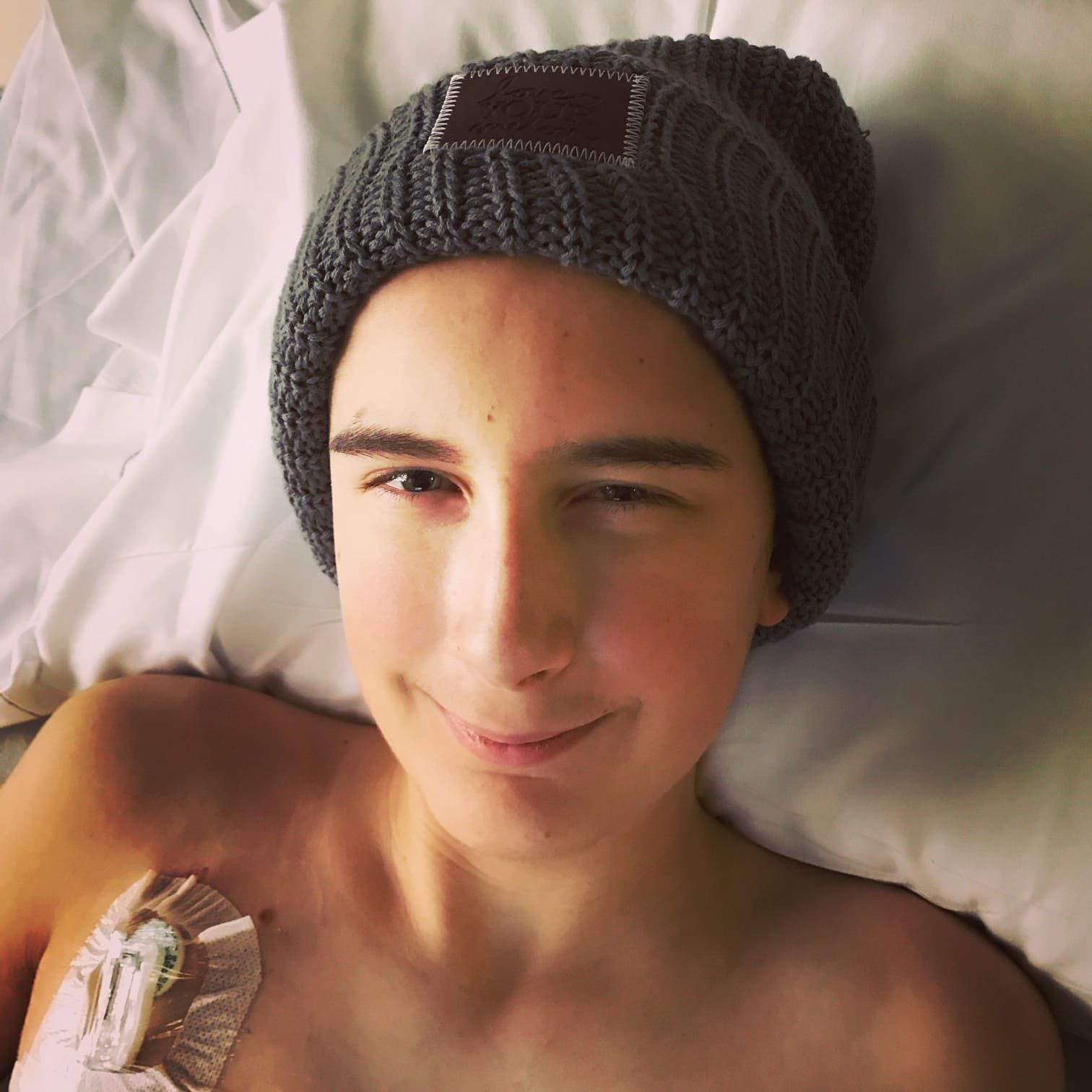
Beverly Rousch considers herself a very optimistic person. Even through numerous setbacks during her fifteen-year-old son’s fight with cancer, she remained positive. But it was admittedly difficult.

In August 2018, her son, Seth, developed flu-like symptoms that wouldn’t go away. His persistent weakness, exhaustion, and muscle aches worried his mother, but it wasn’t until she saw his arm that she grew alarmed.

“I remember that he pulled off his blanket to reach up for something and his arm shocked me,” she recalled. “It was so thin and frail that I got him up and immediately took him to the emergency room. I knew something was really wrong.”

What doctors discovered was pre-b cell acute lymphoblastic leukemia (ALL). Seth received several units of blood through a transfusion to help with his symptoms. He also started chemotherapy immediately with the goal of achieving remission. Reaching remission means that leukemia cells are no longer found in bone marrow samples, the normal marrow cells return, and the blood counts become normal. More than 95% of children with ALL enter remission after one month of treatment.

But Seth didn’t get to remission and had to endure another round of chemo. After that was finished, the number of leukemia cells had been reduced but were still present, so doctors began a round of very aggressive chemo.
“I’m a positive person,” Beverly said. “Even though we weren’t there yet, I was okay because we were seeing progress. But we got through the third round and he still hadn’t gotten to remission. He was getting thinner, and he got a virus that made him very sick. Still, I felt like we had tried a few things that didn’t work, but we would get to the right thing next.”

Because he wasn’t responding to treatment, a bone marrow transplant was ruled out even though a match had been found for Seth. His options were dwindling until he qualified for CAR T-cell therapy. Beverly began researching this new form of treatment and found a man whose fifteen-year-old son had been saved by it. After speaking with her husband, she consulted with Seth’s doctors. Soon Beverly and Seth were on their way to Atlanta to collect his T-cells.

T-cells are the aggressive force within the immune system, attacking and effectively beating most foreign bodies. But for some reason they do not attack cancer. With the CAR T-cell therapy Seth received, scientists added disabled HIV virus to his own T-cells and then re-introduced the T-cells into his bloodstream. The genetic modification allowed the new virus/T-cell combination to lock onto the surface of cancer cells, killing them in the process.

After everything else had failed, this new therapy got Seth to remission within 30 days. Best of all, the Rousch’s got a call in April from their doctor saying Seth had no evidence of disease whatsoever. To Beverly’s surprise, he felt better almost immediately and began craving steak. He’s eaten steak nearly every day since.

Seth is doing great now. He goes to an arts school where he majors in the French horn. He loves football, soccer, The Office, and the New England Patriots. Despite their trying times, his mother never wavered in her belief that he would be well.

“That first day when I dropped him off at school,” Beverly relayed. “I had to take a minute to catch my breath. Sometimes you don’t know how dark the tunnel is until you see the light on the other side. Our daily steak bill is a small price to pay for a healthy son.”

Getting Back to Normal

High school years can be tough. While some teenagers seek the spotlight, others just want to blend in – especially if they are going through something difficult or out of the norm. This was Katie Rutherford’s experience. After fighting cancer, Katie is looking for every opportunity get back to normal.

“It’s not easy being bald as a teenage girl,” Katie explained. “Not everyone knew about my cancer, so my first day back to school I got a lot of stares. But my friends were so supportive and when I started wearing head wraps some of them wore them with me.”

Katie’s cancer journey started with a bump on her chin. Tiny at first, it grew larger until it was the size of a quarter and very hard. After several trips to dermatologists, urgent cares, and the emergency room, a doctor used the word “malignancy” in her hearing.

“When the doctor said that word, I locked eyes with Katie and asked her if she understood what we had just been told,” Katie’s mother, Karen, recalled. “Katie nodded her head slowly and then we were thrown headfirst into the pediatric cancer world.”

Katie’s diagnosis was rhabdomyosarcoma, a very aggressive form of soft tissue cancer and soon she began a 48-week chemo regimen that also included 30 days of radiation. Since her diagnosis date was at the tail-end of her sophomore year, this meant that her junior year of high school would basically be a loss.

“I missed a lot of time, but I didn’t fall too far behind,” Katie said. “My teachers were very accommodating and I was assigned a tutor who helped me stay on track. Besides prom and a couple of football games, I didn’t get to do a lot socially outside of school and the hospital, though.”

Because of the location of the tumor, Katie had to have radiation from her mouth down to her chest. This resulted in awful mouth sores that left her unable to eat, drink, and talk. To make matters worse, while receiving radiation she still had to have regular chemo treatments. Even during this pain, she was determined to perform in her school plays.

“Getting back to normal was always my goal,” Katie said. “But now that I’ve watched young children fight cancer and know some who didn’t make it, I don’t know if I’ll ever get all the way back to normal.”

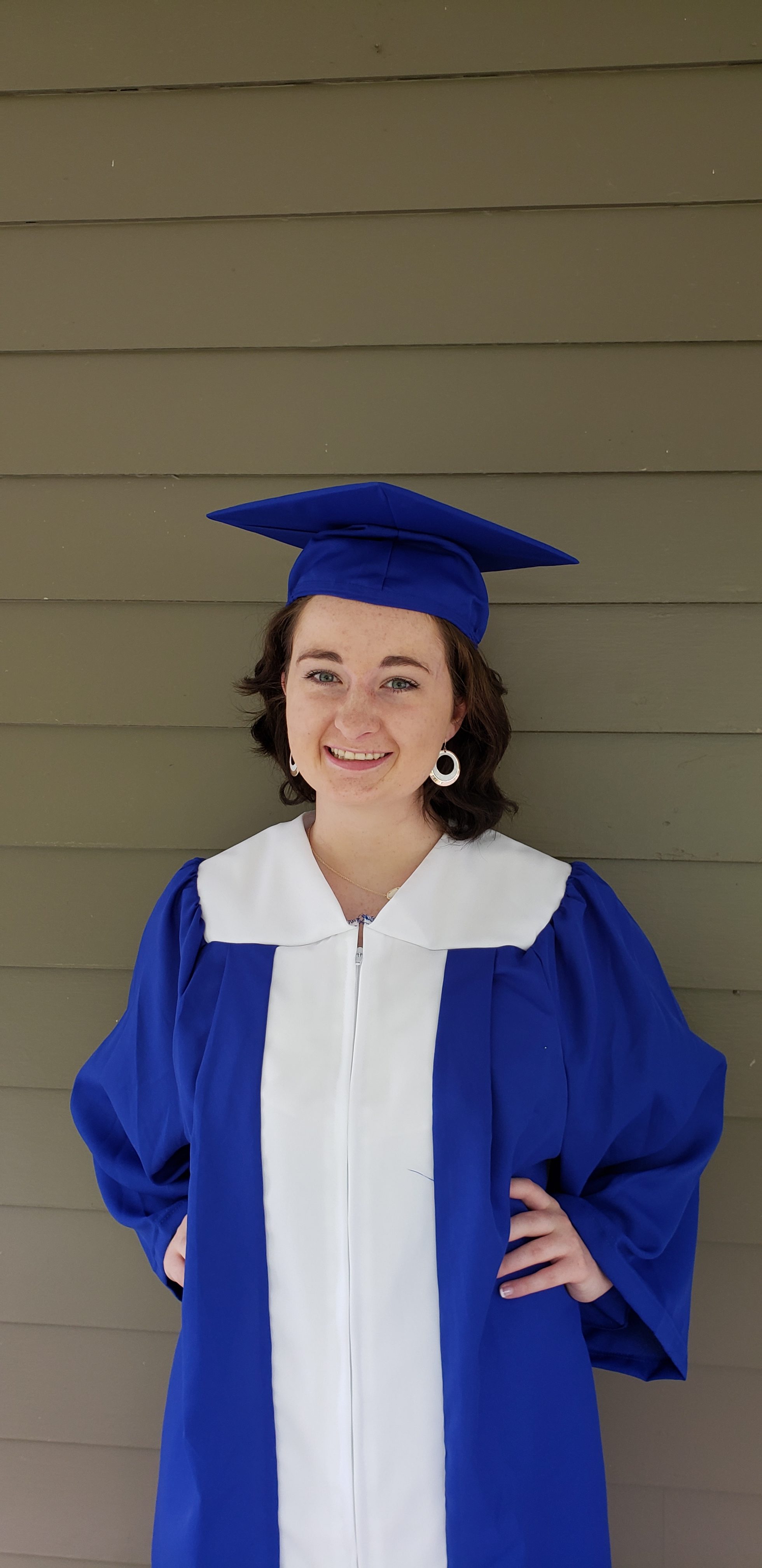
Katie’s treatment ended when she was junior and she has had a great senior year. In the tradition of the theater, she kissed the stage with her fellow seniors and will graduate from Parkview High School in a few weeks. She plans on attending Valdosta State in the fall where she will study communications. As for a career, she is leaning toward writing and she is also interested in politics. In whatever she does, Katie hopes to shine a light on issues related to pediatric cancer.

“When I was in treatment, I didn’t plan for the future at all,” Katie explained. “We had to take everything one day at a time until it was over. I didn’t really think about college. I won’t know anyone at Valdosta State and that’s a little intimidating – but I will be just another freshman there and don’t have to be ‘that cancer girl’ anymore.”

Katie’s strength and determination have set her up for success in whatever field she chooses. Many childhood cancer survivors will be graduating both high school and college this month and we applaud their accomplishment. Our goal is for every child diagnosed with cancer to overcome their sickness and get back to normal… just like Katie.

Crossing the Finish Line

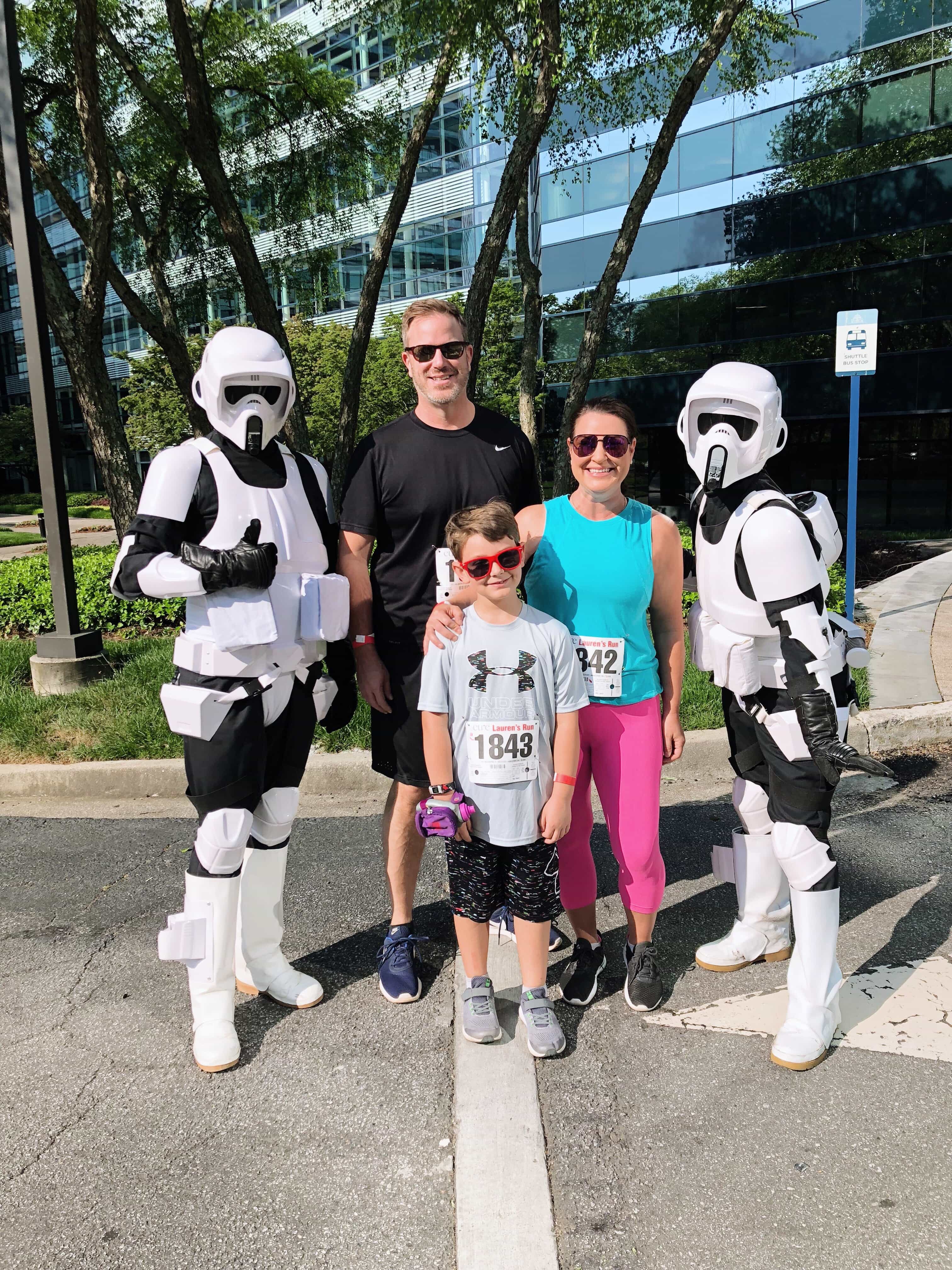
In this disposable world, very few things seem to last 25 years. But when something touches enough people’s lives it becomes engrained in the very fabric of the community. So it is with Lauren’s Run. On April 28 we celebrated the 25th Lauren’s Run and CURE Childhood Cancer Annual Picnic. The first running was in 1992 after the Zagoria family lost their beautiful daughter, Lauren, at the age of 2. In 2001, another Atlanta toddler, Lauren Kochman, passed away after battling neuroblastoma and the Kochman family joined the Lauren’s Run efforts in 2002. Today we run in memory of both Lauren’s – as well as in honor of the thousands of other children who have fought childhood cancer.

This year’s race started off in spectacular fashion as a beautiful double rainbow greeted us at the Concourse Office Park. The temperatures were perfect as runners began to arrive and warm up for the 5k. After the winners were announced and medals presented, the founders of the original race were honored and recognized as VIPs and the mothers of the two Laurens shared their emotions as they considered how much has been accomplished in their daughters’ legacies.

In the crowd was a special little boy named Knox. Knox and his parents were preparing to run the 2k. Although he is only seven, he’s traveled a long road to get to this point.

His journey started very early. As other boys his age were starting to walk and become rambunctious balls of energy, Knox refused to walk and was oddly sedate.

“I knew something wasn’t right,” said his mother, Kimberly. “We took him to several different doctors and got all kinds of opinions. They finally landed on synovitis – a virus that affects hip movement and told me it would run its course. I wasn’t sure, but miraculously he started walking and we thought his health scare was over.”

Knox’s newfound vigor lasted for six months when he refused to walk again. At the stubborn insistence of his parents, Knox was given an MRI which revealed a neuroepithelial spinal tumor – a tumor so rare that it was only the 9th diagnosed at CHOA. He was scheduled for immediate surgery during which Knox’s surgeon scraped every bit of the tumor he could find. A tiny portion remains, but it has never grown or caused him problems since. After a very tricky year of chemotherapy, Knox’s treatment was complete. But there are lasting effects.

“There were moments during our journey where we had no idea if Knox would ever be able to run let alone walk having a spinal tumor,” Kimberly relayed. “We have watched him since he was a baby learning to walk, try to figure out how to cope with it. He trips often, calls himself slow, has been made fun of and looks different when he runs. It never breaks his spirit.

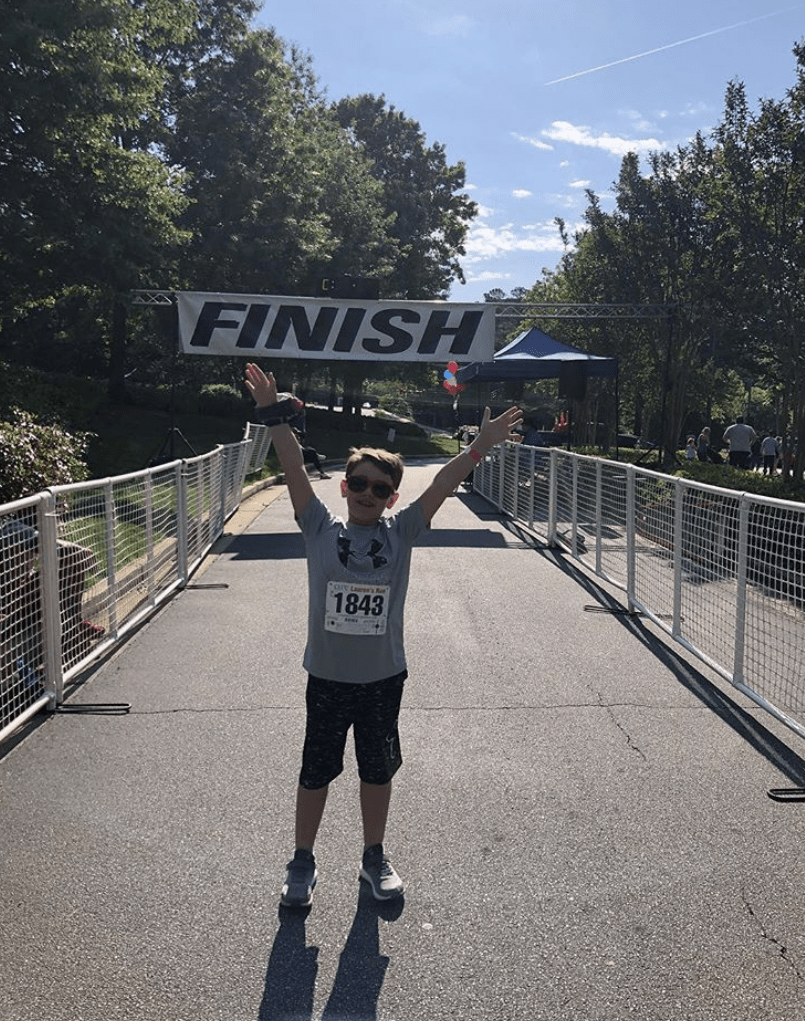
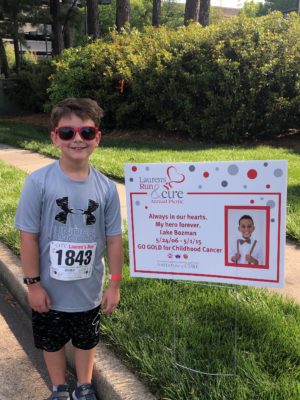
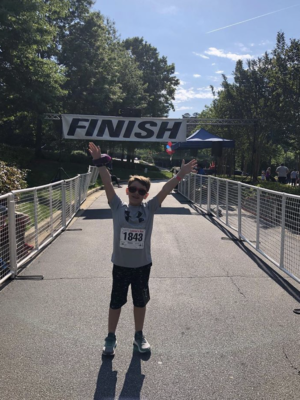
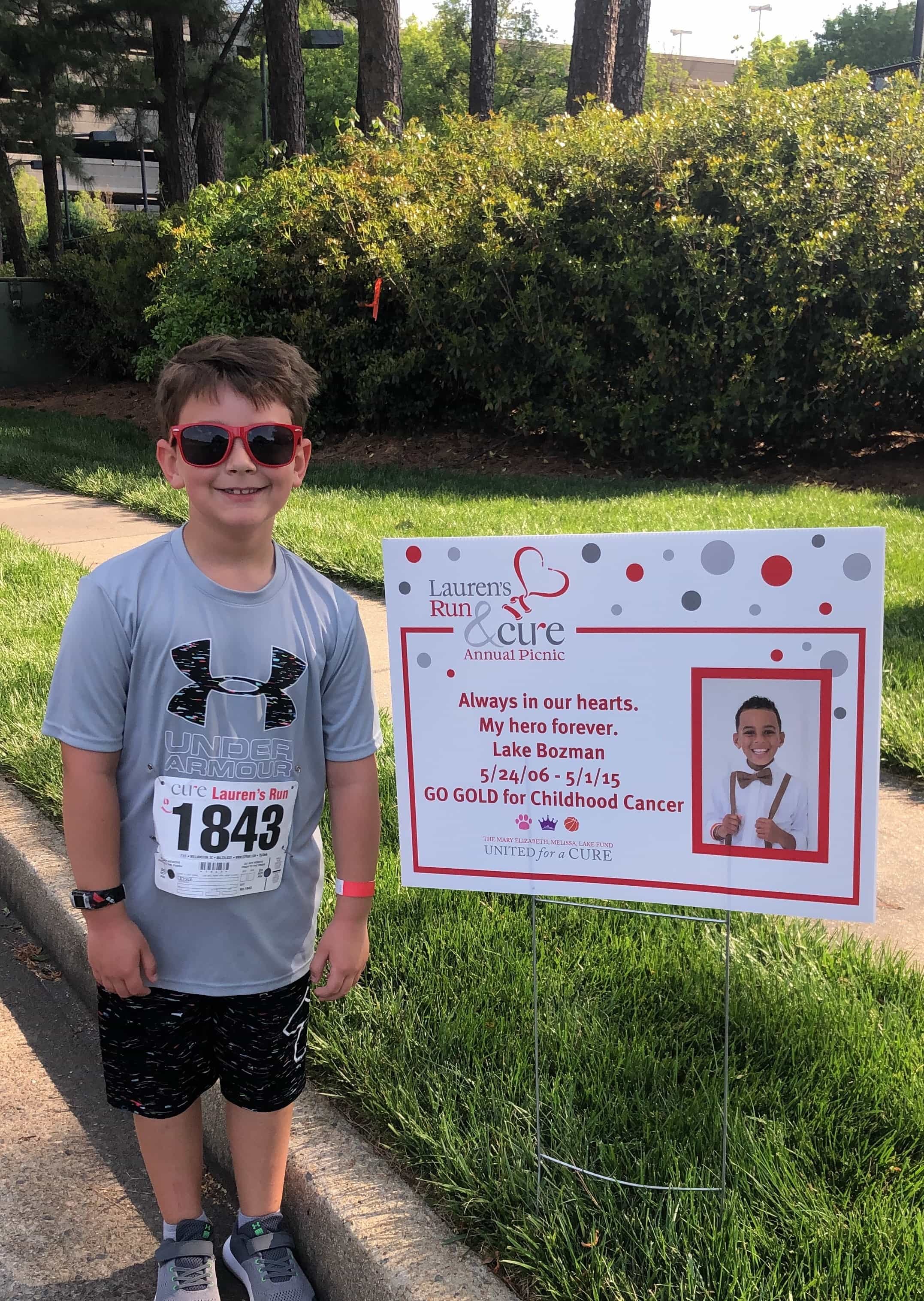
“Today marked a huge milestone in our family’s life as we watched our son cross the finish line in his first 2K. To watch him dig deep today, stop to rest and talk with his friend Lake who is in Heaven, and persevere to finish strong melted my heart. I have learned so many life lessons from these sweet kids. If you had asked me yesterday if he would have been able to do this I would have bet no. It’s a testament to the fact that you can truly break any barrier and do anything you set your mind, heart and soul to do.”

Knox’s resilience represents the spirit and hope we celebrate at Lauren’s Run and the CURE Childhood Cancer Annual Picnic. It is a spirit of a community committed to conquering pediatric cancer and it cannot be denied. To date, Lauren’s Run has raised more than $4.4 million in the fight. Some of the original research funded in its early years is now frontline therapy for children fighting cancer. Children like Knox – who deserve the opportunity to cross the finish line.


Watch Knox cross the finish line at Lauren’s Run:

Statesboro’s Sisters on a Journey

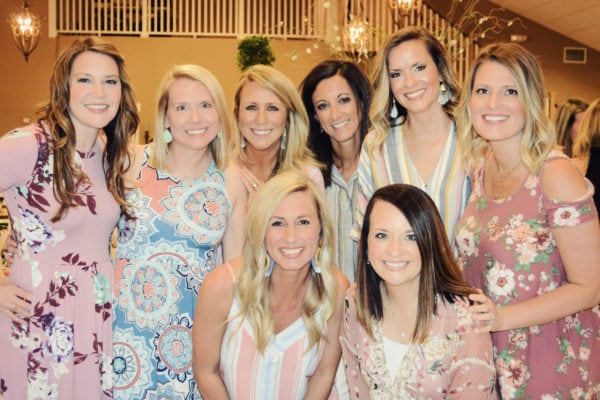
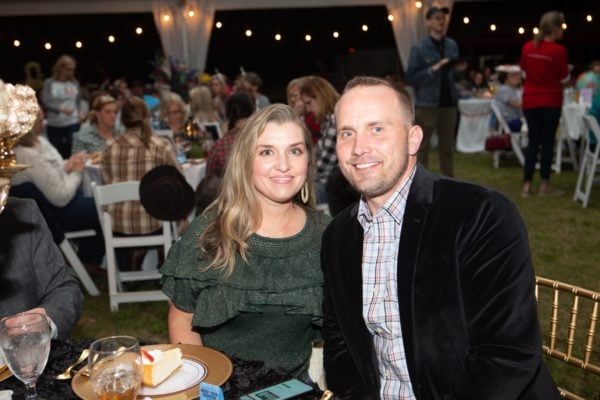
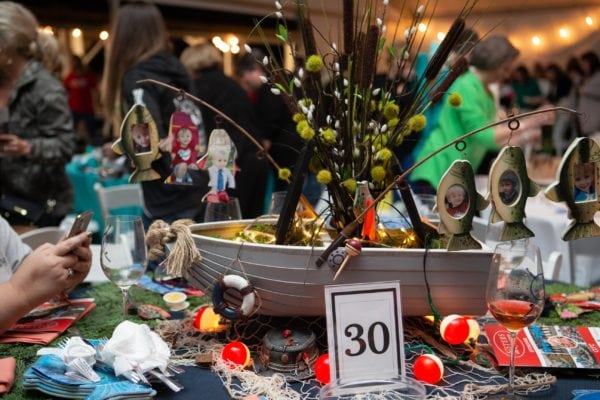
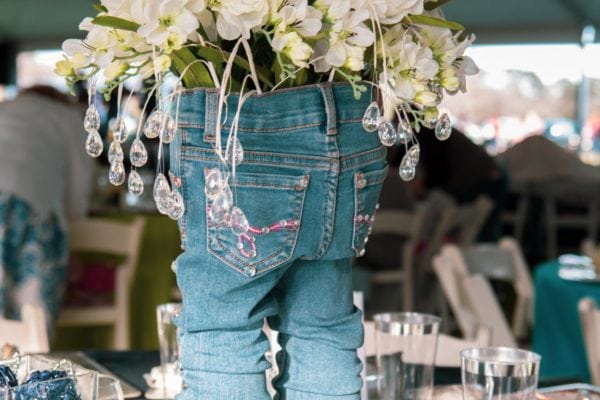
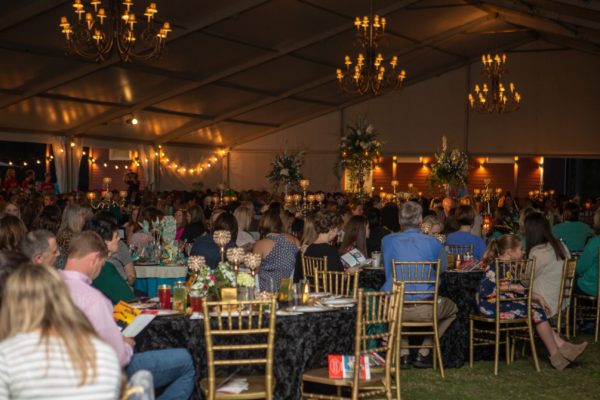
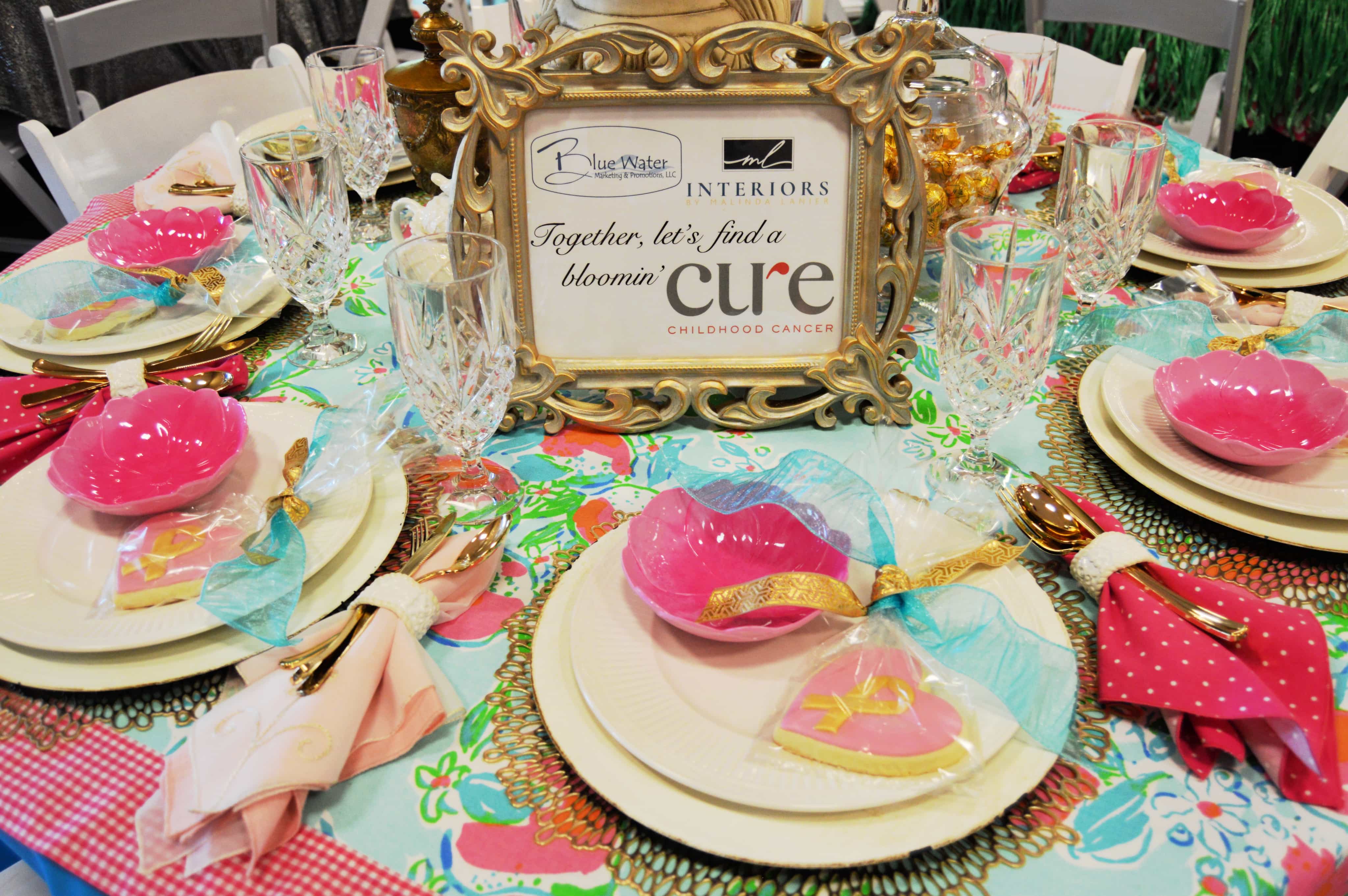
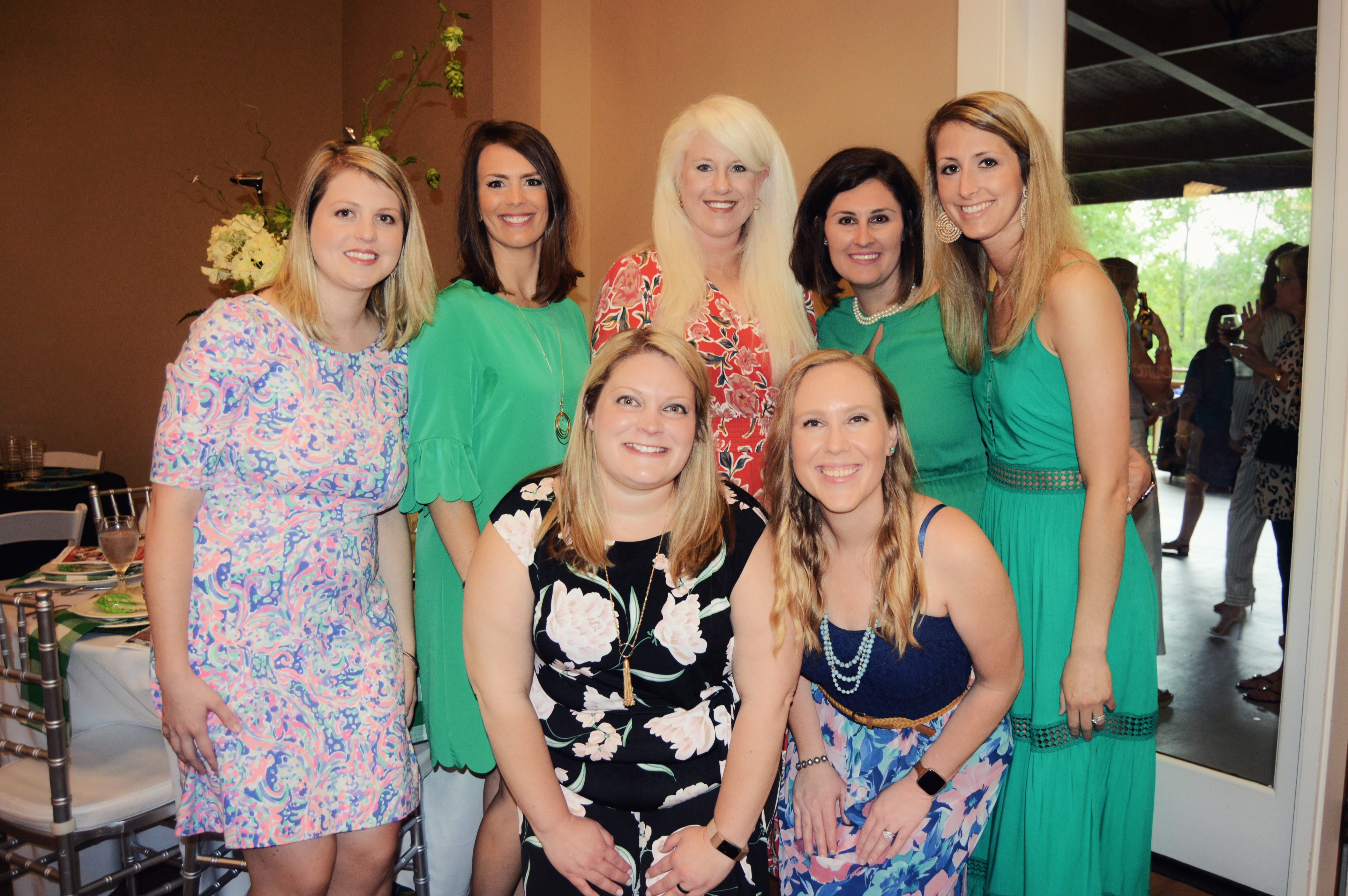
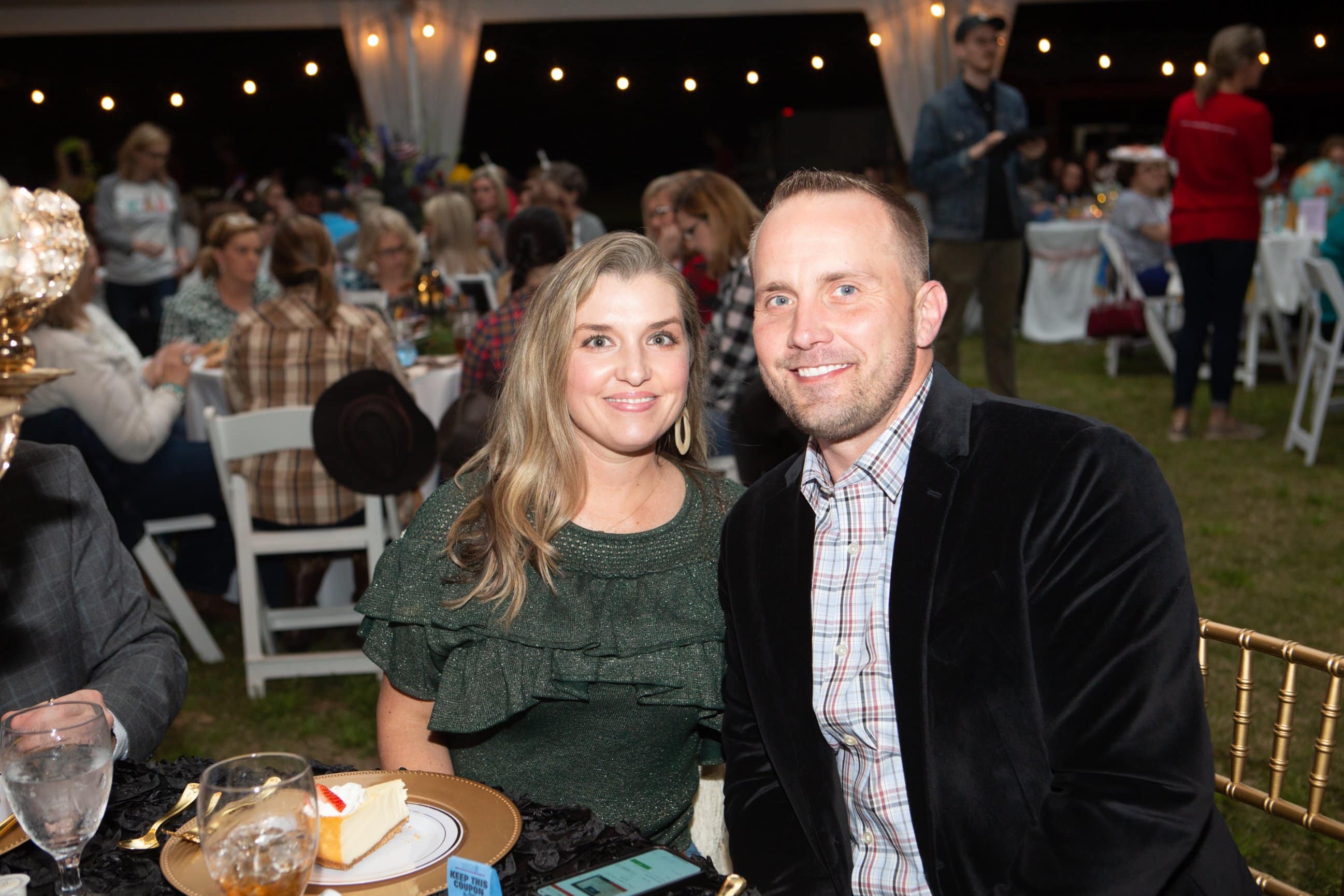
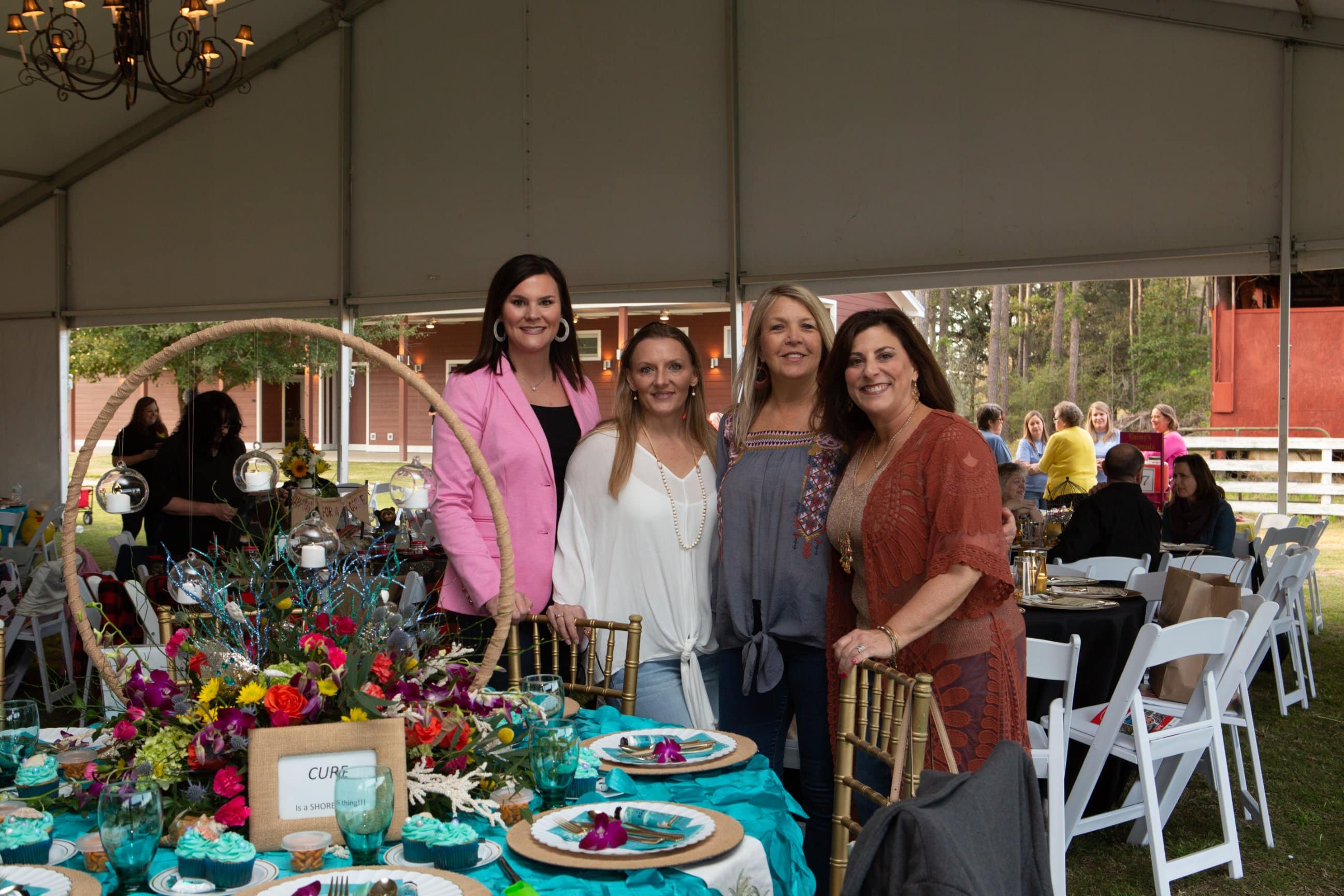
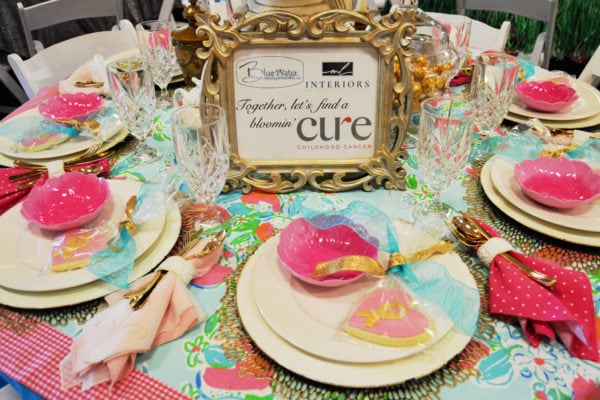
When a child is diagnosed with cancer, it really does take a community of supporters to make the child’s family feel loved and supported. Statesboro mom Jody Polk knows this first hand. When her daughter, Anna Hays, was diagnosed with cancer at the age of two, the Polks’ family, friends, and the entire community rallied on her behalf. Jody’s desire to give back to other families facing a similar diagnosis was evident at the Statesboro Sisters on Journey Dinner on April 13. About 350 guests gathered at The Belle House, a beautiful venue that was perfect for the evening. Hostesses creatively decorated their tables in a variety of themes and every single table was unique and beautiful. Tears filled Jody’s eyes as she kicked of the 2019 event by dedicating the evening to the memory of sweet Morgan Frison, a four- year-old Statesboro girl who passed away in November due to complications from her cancer treatment.
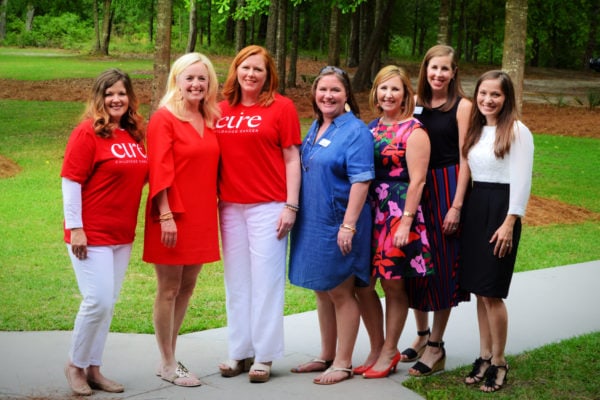
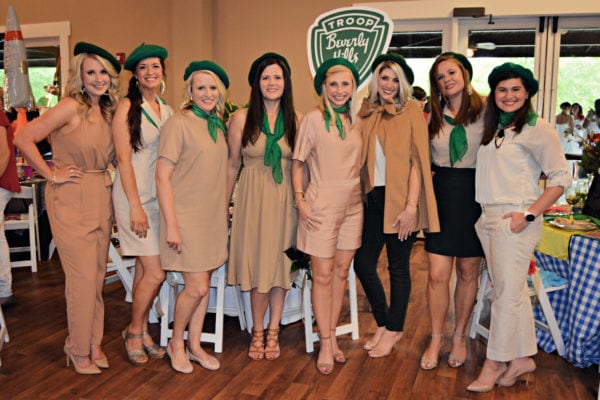
“Morgan’s life held such beautiful potential,” Jody said. “She had such a future and her it was her treatment, not her cancer, that ultimately killed her. We want her family to know that precious Morgan and the thousands of children like her are the reason that CURE will continue to raise funds and push for less harsh treatments created specifically for children.”

Savannah band, Tell Scarlet, provided musical entertainment as guests mingled and checked out table decorations and nearly 200 silent auction items on the back porch of The Belle House. Statesboro welcomed emcee Jamie Deen back for the third time. Jamie is son of cooking icon, Paula Deen, and a familiar face in South Georgia. Jamie entertained the guests until a delicious dinner, provided by Honey Catering, was served.

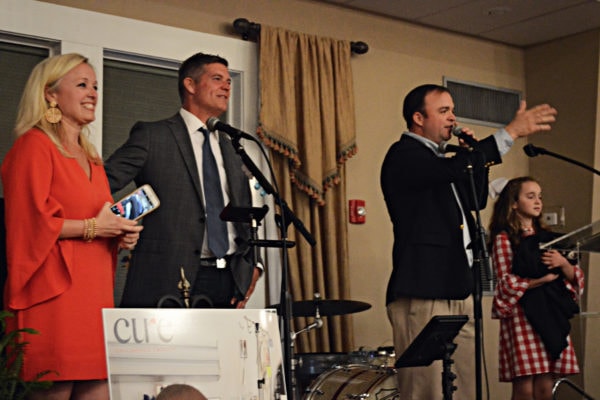
The focus then shifted to the purpose of the evening as Karen Rutherford and her daughter, Katie, took the stage. Karen is CURE’s Patient and Family Services Manager and Katie is a survivor of rhabdomyosarcoma. Both were open and transparent about the difficulties and triumphs of Katie’s battle. They movingly shared some of the toughest things about Katie’s treatment and helped everyone in attendance understand a little more of what it is like to fight cancer as a teenager. Karen wrapped up their story by sharing about the continued need for funding for research for better and more current treatments for kids battling cancer. The evening closed with an exciting live auction hosted by auctioneer, Joe Lanier. It was a beautiful, meaningful night.

We are thrilled to announce that our 2019 Statesboro Sisters on a Journey Event raised $81,000 for Catie’s Fund! These funds will support CURE’s precision medicine initiative, which brings individualized, gene-based treatment to children with cancer. Precision medicine is one of the most promising new areas of research for improving survival rates in children while lessening harsh side effects.

We are extremely grateful to all our sponsors, auction donors, volunteers, and tables hostesses who made this evening so special. Thank you, Statesboro!


Presenting Sponsors for our 2019 Sisters on a Journey Events are The Little Bird Foundation, Memorial Health, Coastal Electric, Savannah Toyota, and The McGraley Company.

Volunteer Spotlight on Leslie Edmond

If you attend CURE events, chances are you’ve seen Leslie Edmond. Although you might have to look hard to catch a glimpse because you typically won’t find her on stage or in the spotlight. No, she’ll be the one with her sleeves rolled up behind the scenes doing whatever it takes to ensure success. And there’s nowhere else she’d rather be.

Leslie found CURE during her family’s fight against childhood cancer. Her very active eight-year-old son, Matthew, ran a low-grade fever for two weeks and was noticeably slower at an end-of-season swim meet. When he complained of neck pain and she found a lump, her concern escalated. Fortunately, he had a routine check-up scheduled for the following day. But his pediatrician found more lumps on his chest and sent him to a specialist.

After a long process that included bloodwork, biopsy, and many more tests, Matthew was diagnosed with anaplastic large-cell lymphoma. His treatment consisted of chemotherapy that lasted a full year.

“I would describe him as a healthy cancer patient,” Leslie said. “He handled chemo well and we only had to make one emergency trip to the hospital.”

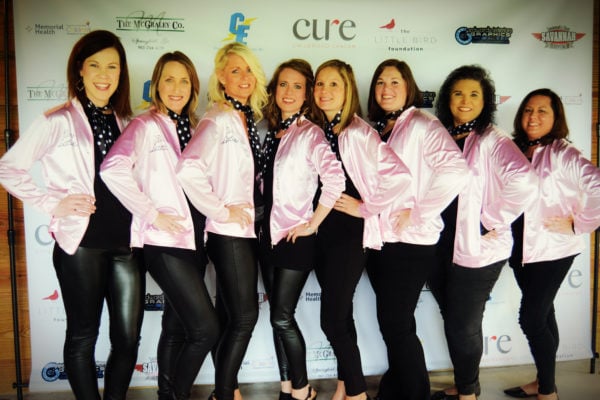
As a cancer mom, Leslie was invited to one of the first A Tribute to Our Quiet Heroes luncheons and it made quite an impression.

“Most Saturdays I was doing laundry or driving the mom shuttle somewhere,” she recalled. “But there I was dressed up and sitting at a table with these women I didn’t know. But really, I knew every one of them because we shared such a deep common experience. It was beautiful.”

That Saturday set something in motion for her – a desire to pay it forward. Leslie wanted other moms fighting for their children’s lives to be made to feel as special as she did that day. So she contacted CURE and offered to help. She didn’t limit her involvement to Quiet Heroes, though. Since then, she has served in many other capacities. Leslie delivers meals to the clinic on Tuesdays, she has tied up Christmas bows and pound cakes, stuffed invitations, and served on auction committees.

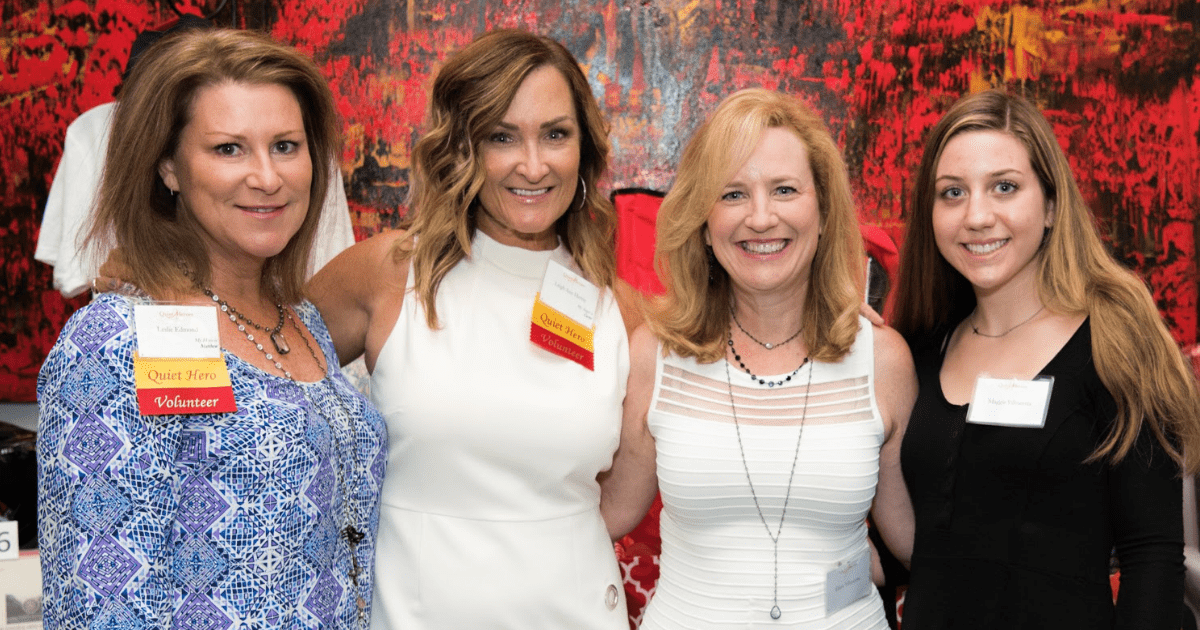
Leslie at Quiet Heroes with fellow volunteers: Leigh Ann Herrin, Eileen and Maggie Villoutreix

“I like to be a part of several things because I get to see the extent of CURE’s care and relationship with the families,” Leslie explained. “One of the most rewarding and challenging things I’ve done is volunteer at the bereavement weekends. Seeing the parents working through their grief and thinking maybe I had a small part in helping just one of them makes it all worthwhile.”

Leslie is constantly encouraging others to volunteer. For those interested, she has three pieces of advice:

  • Be flexible and fill whatever gaps are needed.
  • No job is insignificant. Every small thing is important to the whole effort.
  • Not everyone can write a big check, but everyone can do something to help.

Matthew is twenty-eight years old now and lives in Chattanooga where he can enjoy climbing, camping, and all of the outdoor activities he loves. He is very fortunate to have no obvious side effects from the treatment.

And Leslie, she is still serving at every opportunity. In fact, recently, as Leslie was working the registration desk at CURE’s Weekend of Hope and Healing, a mother noticed her name tag and said, “You’re a CURE Volunteer? I want to be a volunteer.”

Leslie just smiled and replied confidently, “When you’re ready, there is a place for you.”

Bikers Battling for Kids

Many people have an image in their mind when they think of motorcycle clubs – and it isn’t always positive. One group of motorcycle enthusiasts aims to change that perception.

“Our club operates similar to the clubs founded in the forties,” David Little explained. “Traditionally, a club founded from a group of like-minded people who want a brotherhood and ride motorcycles”.

In an effort to differentiate themselves, several club members started a new nationwide club called, Defiant Crew Motorcycle Club. While they kept the goal of brotherhood and riding, they also wanted to add a community service aspect to the club.

“We want to show that we are committed to our communities,” David said. “Everyone has been affected by cancer. In fact, I have recently lost two of my dearest friends to the disease and I can’t imagine what kids fighting cancer have to go through.”

To fight back, the Georgia chapter of Defiant Crew MC created an event called Bikers Battling for Kids. On April 27, 70-100 bikers will gather at the Knucklehead Café in Rockmart for a poker run. From there they will ride to a park in Cave Springs, then to Sixes Tavern in Cartersville, and finally to Bikers Gone Wild in Dallas before returning to Rockmart. The loop is approximately eighty miles and at each stop they will draw a card. When everyone finishes they will each have a hand to play and the winner will receive a prize.

In the five years they’ve been making this run, they have raised over $25,000 for CURE. The event is quite organic – they literally knock on doors to get items for auction and spread the word of the poker run through word of mouth and signs placed at locations bikers frequent.

“It’s fulfilling,” said David. “To know that we can get together, ride, and do what we love while making a difference in our community is huge.”


Maylee and Precision Medicine

Maylee has always been kind, intelligent, and slightly feisty. Since her birth in Lagrange, Georgia, she has also been a picture of health. So when she got a violent stomach virus at the age of three, her mother, Kristin, knew it was more than just a bug.

“I never expected she would go through life without being sick,” Kristin said. “But I knew right away this was different and something much worse.”

Mom was right. As the emergency room staff began giving Maylee fluids, they also tested to see if she had meningitis. Those tests found something much more sinister; Maylee’s blood had leukemia cells in it. After confirming the diagnosis, her doctor sent her by ambulance to Children’s Healthcare of Atlanta where she would spend the next six weeks.

“I had such a wide range of emotions when the doctor said my baby had cancer,” Kristin recalled. “I was confused, overwhelmed, and scared. But I also had a strange peace because I felt the Lord say, ‘I created this child and I will take care of her.’”
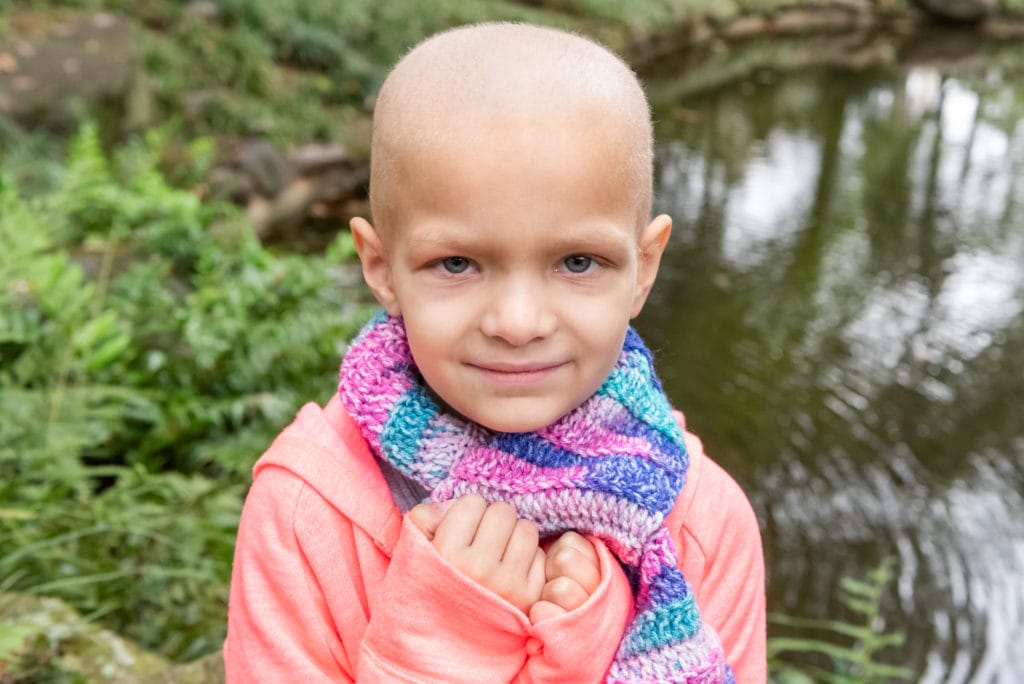
Maylee’s chemotherapy treatments were very aggressive. Every child responds differently to treatment, and her little body had difficulty rebounding, which forced longer hospital stays. She also had a very unusual emotional response.

“Chemo made her angry,” Kristin recalled. “She understood what was going on – that the chemo led to her feeling bad – and she took it out on the doctors. So she wouldn’t tell us when she felt bad or hurt because that would mean more doctors in the room.”

Fortunately, Maylee reached remission soon and found a routine in the hospital, although her feistiness never let her totally forgive the doctors. After seven months, she finished treatment and was declared cancer-free.

Maylee and her family began to settle into a new routine of normalcy. She welcomed her second brother into the world and began school. But during the summer of 2018, she began to snore. It might seem innocuous, but Kristin’s mother’s intuition struck again because she had been told sleep apnea can be a sign of relapse. As they rode to the hospital for doctors to evaluate Maylee, Kristin began steeling herself for another fight against cancer, feeling the familiar mix of fear, faith, and comfort.

Something new awaited Maylee at the hospital, though. Since her original diagnosis and with a $4.5 million grant from CURE, the Aflac Precision Medicine Program had launched. This program allows doctors to look at the genetic makeup of a child’s cancer and then search for a treatment designed specifically to treat the genetic abnormality at issue. Once doctors confirmed her cancer had returned, they looked at the genetics of Maylee’s leukemia and found very interesting results.
The genetic testing revealed that Maylee has a gene called CEBPA, which causes her to be predisposed to developing leukemia. Strangely enough, doctors were happy to find this gene because they know it responds well to treatment. If genetic testing had been available when Maylee was originally diagnosed and this gene discovered, Maylee’s treatment would have been different. Rather than the months of chemotherapy, Maylee would have immediately received a bone marrow transplant. Thankfully CURE’s funding allowed the program to launch in 2017, in time to help Maylee when her cancer returned not to mention so many other children yet to be diagnosed.

Maylee has since had what is called an allogenic stem cell transplant and is recovering nicely. She is once again in remission and focusing on getting well.

The discoveries from her genetic testing didn’t end there, however. Doctors also found that her leukemia is familial and that her two brothers share the gene that predisposed Maylee to it. Maylee’s brothers were immediately enrolled in the new genetic predisposition clinic.

“We had many different options available to us when they found out,” explained Kristin. “We chose to monitor the boys and watch for any symptoms. There is no guarantee that they will ever have leukemia. We just need to look for things out of the norm, and since they are enrolled in the predisposition clinic, we can have bloodwork done immediately.”

Maylee has completed treatment and is home growing stronger each day. She ultimately forgave her doctors but was thrilled to leave them behind. While she gets better, Maylee dreams of a return to normal life with no more hospitals, cancer, or chemo. And as each day passes, she inches closer to lacing up her cleats and playing soccer without a care in the world besides the goalie in her way.

Take the next step to support research that will help save kids with cancer… kids like Maylee

DONATE

What is Precision Medicine?

In 2017, CURE made an unprecedented $4.5 million commitment to the Aflac Cancer Center of Children’s Healthcare of Atlanta to launch the Aflac Precision Medicine Program (APMP). With this award, the Aflac Cancer Center would become one of only a small handful of pediatric cancer centers nationwide able to offer this cutting-edge treatment approach to children with cancer.

An easy way to understand precision medicine is to think of it as “personalized medicine.” Although we know that every child is unique, today’s childhood cancer treatment does not take into account the genetic differences of each child. Rather, a child’s cancer is treated according to disease type. But often, children with the same type of cancer respond differently to the same treatment. A chemotherapy which is effective for some may fail altogether for others because of the genetic differences at play. That is where personalized medicine comes in.

Over the past twenty years science has made incredible leaps in discovery by finding what is referred to as genetic barcodes – our DNA and RNA. We now understand what healthy cells look like and can often find triggers or markers in a tumor where something went wrong with a gene. By locating and isolating that problem and finding chemotherapies or other treatments proven effective against the genetic problem, doctors hope to improve survival while also minimizing exposures to toxic treatments which are not likely to work.

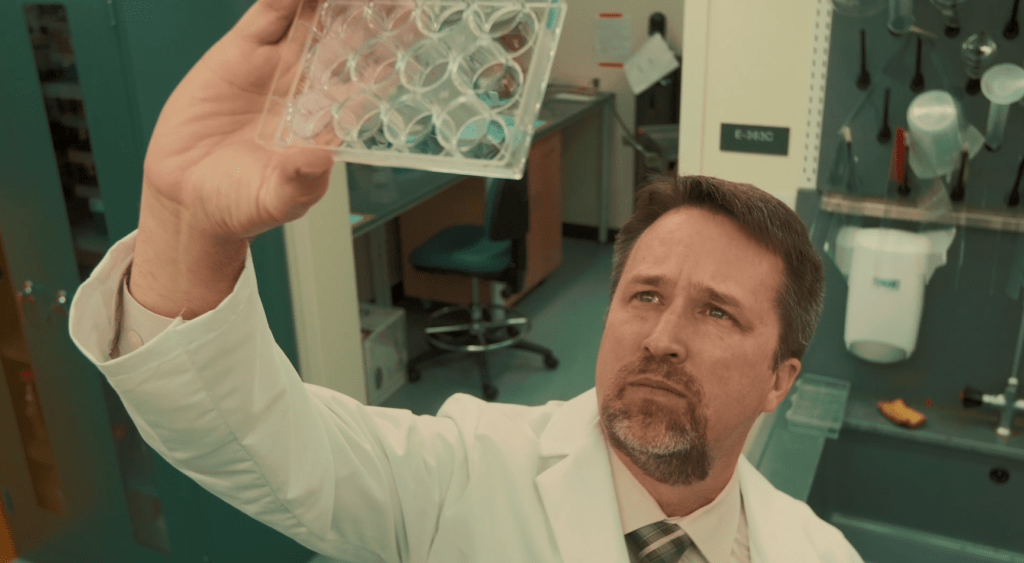
“There are really four outcomes when we look at genetic information taken from a child’s tumor,” explains Dr. Douglas Graham, Director of the Aflac Cancer Center. “The first is the perfect storm – we find a target that has a drug which is known to be effective against it and that drug is approved for children. We also may find a target with a matching drug that is not approved for children and would have to petition for access. The other options are not as optimistic. We may find a target with no drug known to work against it or we may find no target at all.”Scientist examining samples in a laboratory for childhood cancer research.

The first step in the process is getting the child’s genetic information. Since July 2018, CURE has funded the genetic sequencing of more than 200 children with high risk or refractory cancers who would not have otherwise received the sequencing through another source.

 For 78% of the children sequenced, their treatment was impacted by the genetic information obtained!

CURE Childhood Cancer remains determined that precision medicine is one of the most promising methods for improving survival rates in children. And we steadfastly believe that our children deserve the best and safest options available.

Effingham County’s Sisters on a Journey

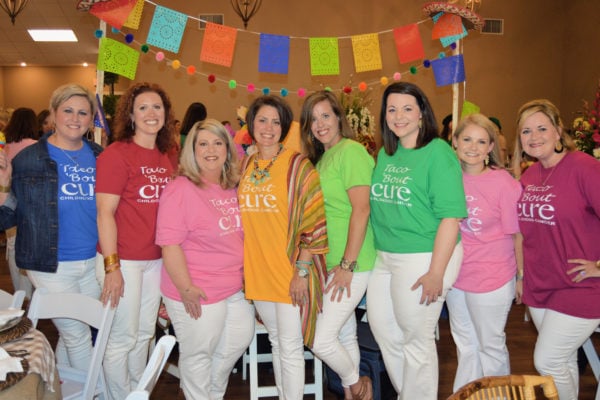
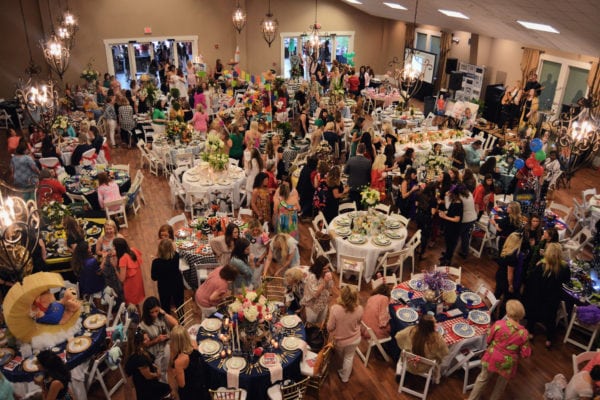
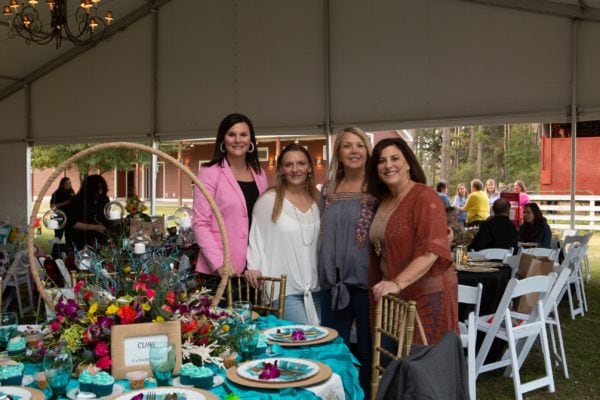
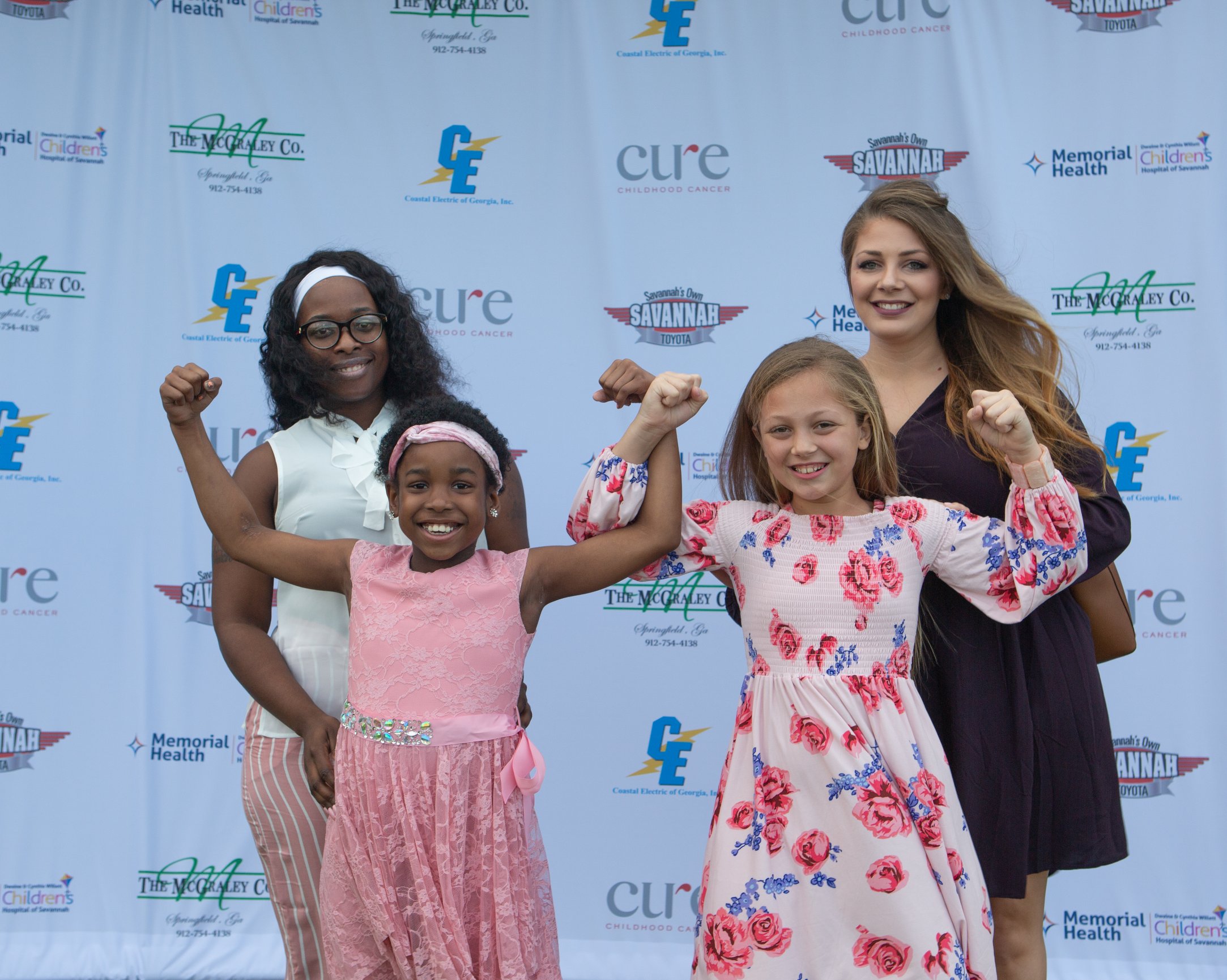
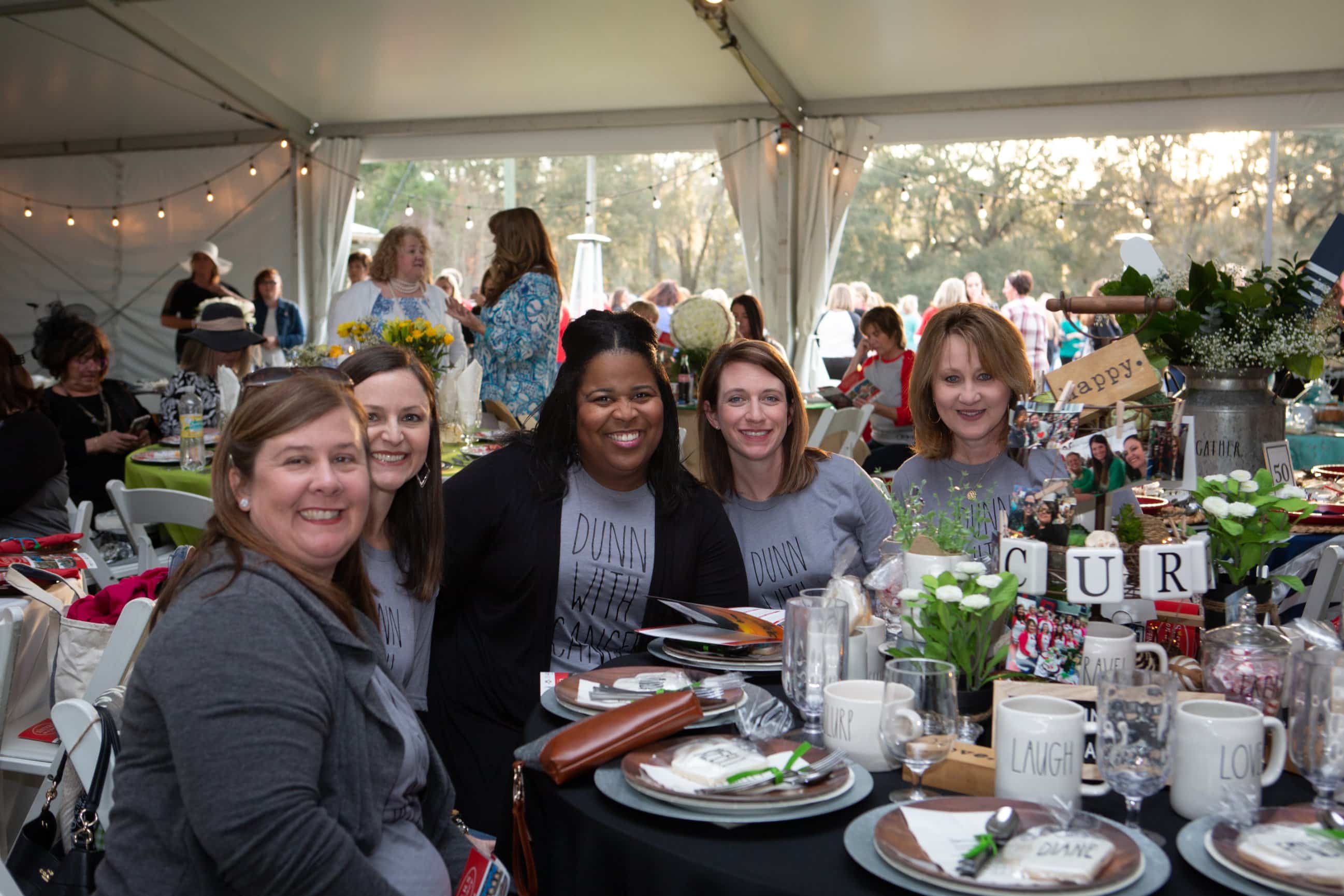
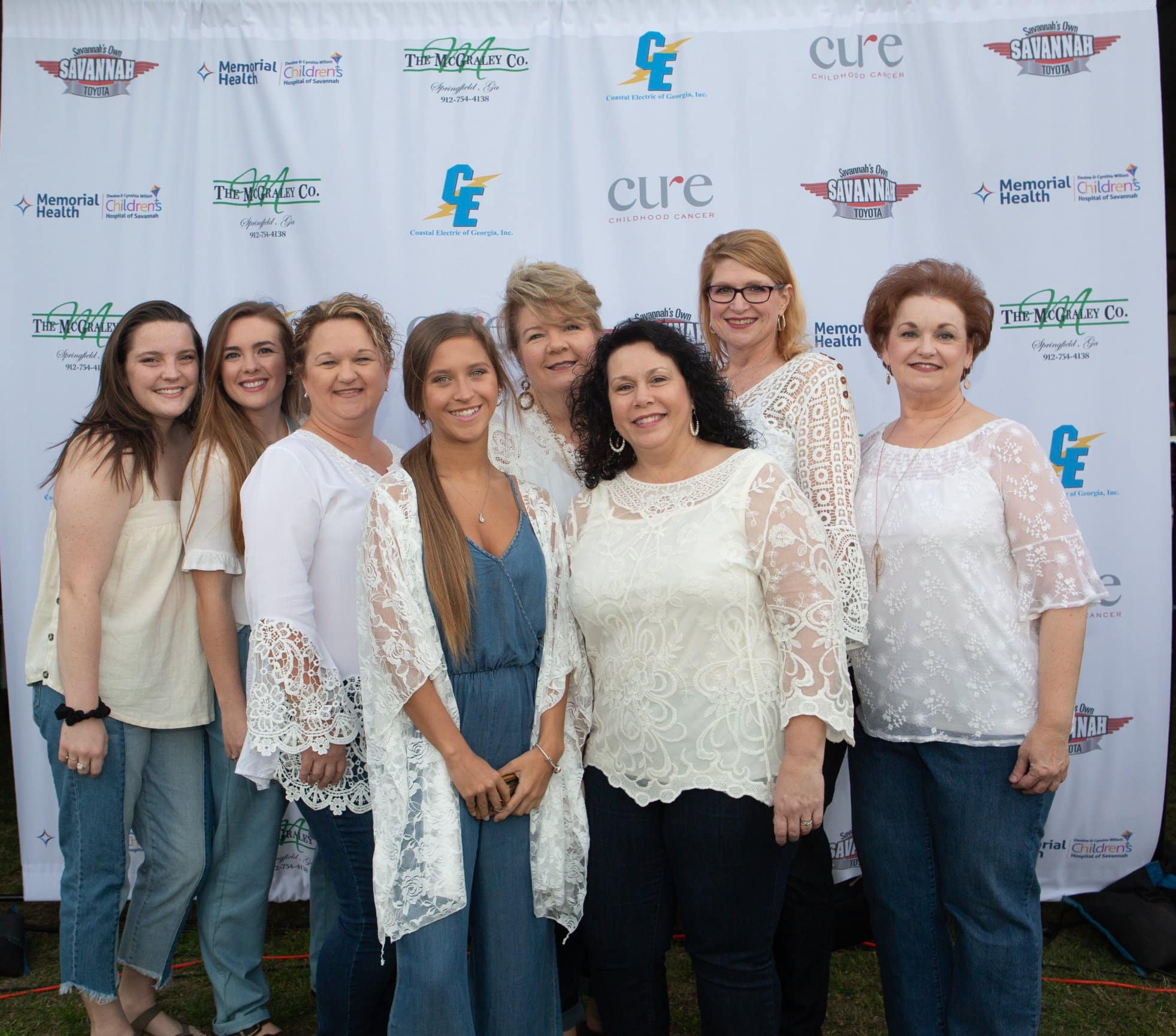
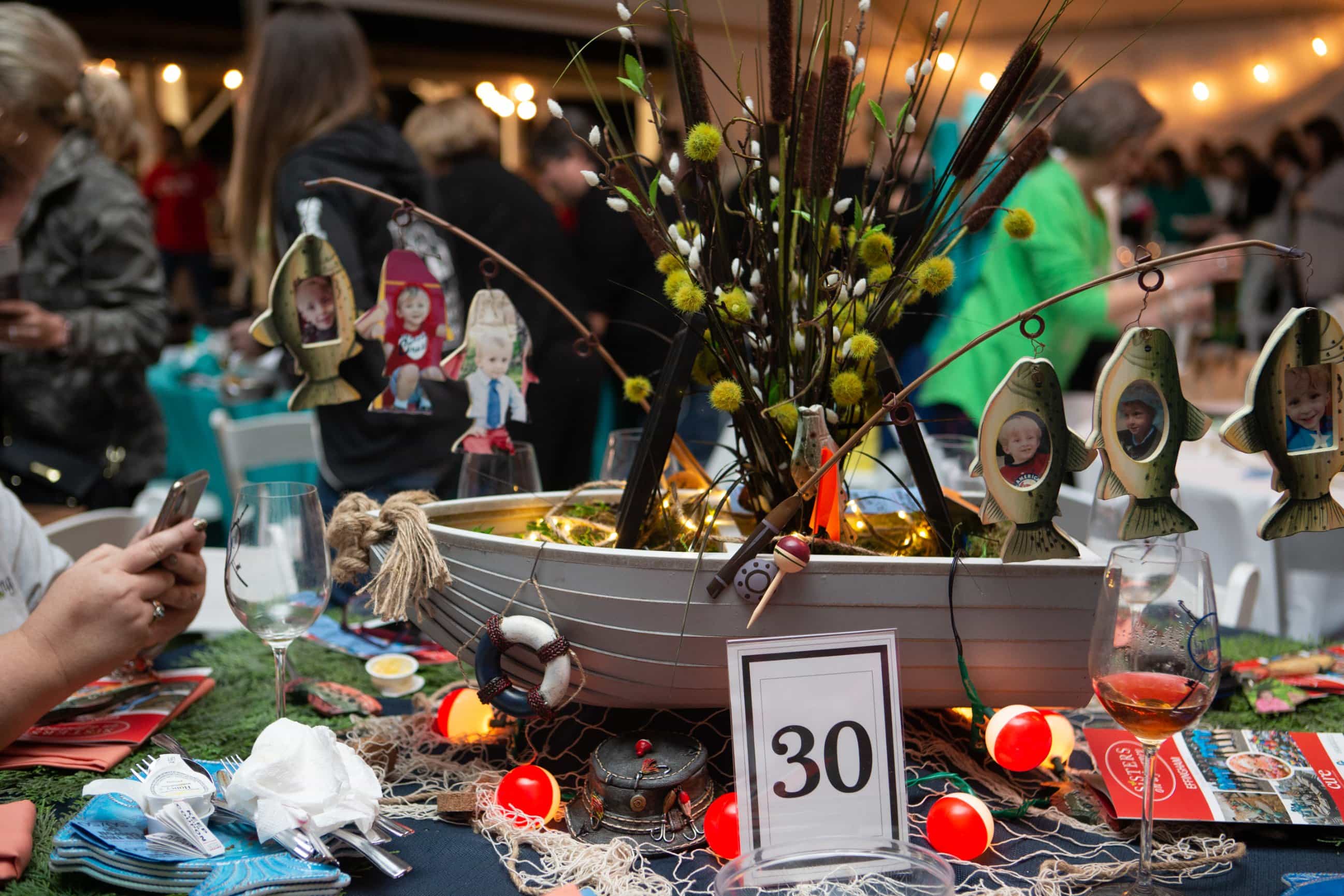
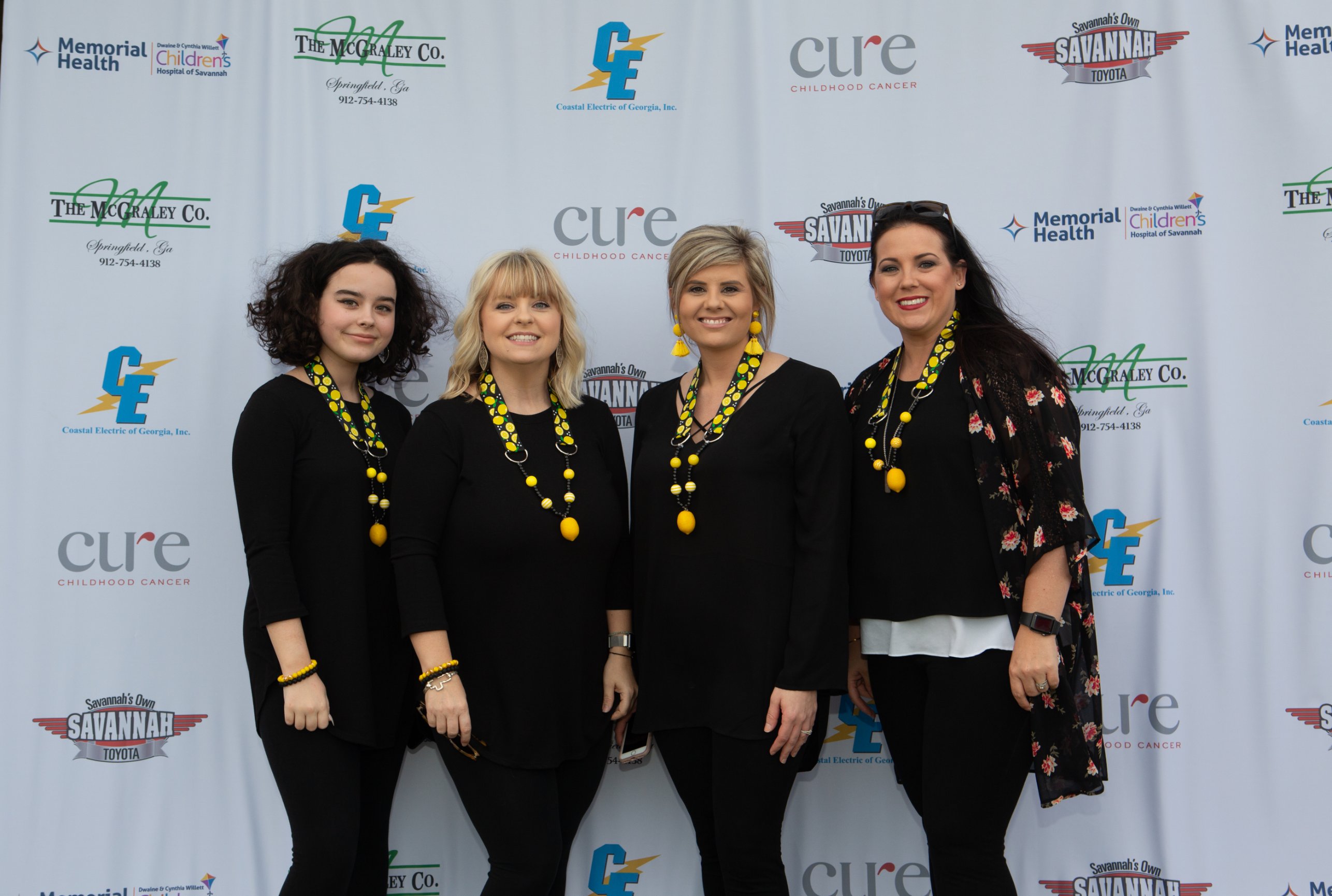
Effingham County showed up and gave generously once again at the Effingham Sisters on Journey Dinner on March 9, 2019. Over 900 guests gathered at beautiful Honey Ridge Plantation near Guyton, GA, a venue generously donated for use by the Effingham County Board of Education. The tables were set in a spacious white tent (provided by Ranco Tent Rentals) that was perfect for the event. Hostesses once again creatively decorated their tables in a variety of themes and every, single one was unique and beautiful.

Guests perused more than 400 silent auction items under the rustic barn lit with Edison bulbs donated by Carlson’s Premier Events. A local band, Goshen Travelers, provided great entertainment as guests mingled and checked out the beautifully decorated tables. Later, emcee Lonnie Pate began the program by drawing door prizes, and then a delicious dinner was provided by Simply Southern Catering. Following dinner, auctioneer, Kenny Williams got the crowd going for an exciting live auction. Next came one of the favorite parts of the Effingham dinner: the raffle drawings for themed baskets donated by generous hostesses.

The heart of the evening was panel of patients and moms who took the stage to share about their journey through childhood cancer. Kelli Stuckey and her daughter, Lily, shared about some scary moments in Lily’s treatment for leukemia. Alana Williams and her daughter, Nevaeh, talked about the difficulties of travelling back and forth to Atlanta for treatment and shared about Nevaeh’s sixteen-hour surgery to remove thirteen tumors from her abdomen. Ashley Shiell and her daughter, Kylie, talked about the challenges of being a teenager and having cancer. Kylie pointed out how difficult it has been to miss playing the sport she loves while battling leukemia. Finally, Ashley Beam told the crowd about her son, John, who died last October after a difficult battle with neuroblastoma. She graciously helped the crowd know who John was and shared how new neuroblastoma treatments are desperately needed. All of the panel guests were open and honest about the difficulties of their journeys, but each also shared of the things they have learned during this time in a powerful and moving manner.
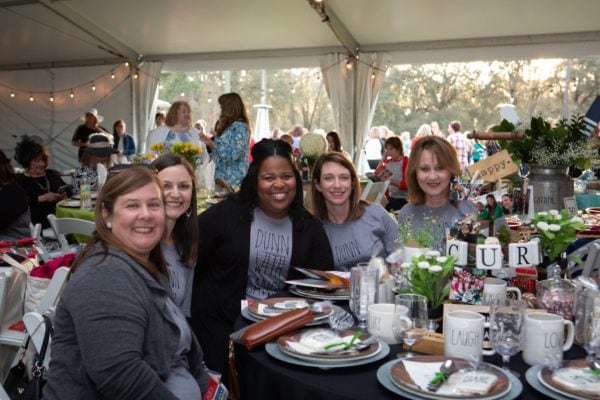
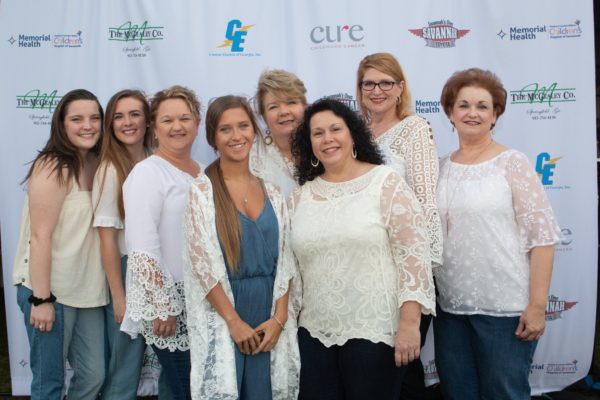
It was a beautiful evening, and we are thrilled to announce that our 2019 Effingham Sisters on a Journey Event raised $144,000 for Catie’s Fund! These funds will support CURE’s precision medicine program which offers individualized therapies based on the patient’s genetics. This innovative research envisions more effective treatment while limited the harsh side effects of current methods.

We are extremely grateful to all our sponsors, auction donors, volunteers, and tables hostesses who made this evening possible. Thank you, Effingham County!


Presenting Sponsors for our 2019 Sisters on a Journey Events are Memorial Health, Coastal Electric, Savannah Toyota, and The McGraley Company.

Robert is Ready for Lauren’s Run

Diagnosed with Acute Lymphoblastic Leukemia (ALL) at just six years old, 15-year-old Robert’s childhood has been consumed by cancer. In the eight years since his diagnosis, Robert has endured 800 rounds of chemotherapy, 65 spinal taps, and countless surgeries trying to beat his cancer. It’s been an arduous fight!  But Robert is such an incredible boy and has earned his nickname, Robert the Great.
There is one event Robert looks forward to every year – Lauren’s Run and the CURE Childhood Cancer Annual Picnic. Each year he creates Team Robert the Great and raises money to fight for kids like him. Having won the award for top fundraising team several years, Robert is a pro when it comes to inspiring people to give.

We sat down with Robert to ask him to share the secrets of his success.

CCC: How many years have you been doing Lauren’s Run?

RTG: I think seven.

CCC: How do you build your team?

RTG: We ask family and friends to come. Most of them agree, and if they can’t they always donate. Last year we had around forty members on our team, and we won the team spirit award.

CCC: How did you win that?

RTG: My mom and her friends are loud.

CCC: You also won the fundraising award last year. Tell me how you did that.

RTG: We ask people for money. If I ask, they’ll usually give something. It’s hard to ask and ask, so we tried to make it a game. My mom shared the page on Facebook and then we started doing funny videos. I told everybody I would smash my dad’s X-box if we got to $10,000.

CCC: Did you get there?

RTG: Yup! Then I challenged another team captain. Whoever raised the most would  get to throw an egg at the loser.

CCC: Did you win?

CCC: That looks like more than one egg.

RTG: It was a dozen, I won by a lot.

CCC: What else do you like about Lauren’s Run.

RTG: I love seeing all my friends I’ve met since I been fighting cancer. And I love the picnic too. There is great food, games to play, and oh yeah, and the game truck is awesome.

CCC: Any plans for this year?

RTG: Just to win.

When asked about his cancer, Robert simply said,

“I don’t know much about it, but I know it won’t go away.”

Robert is a fierce competitor in his fight against cancer and his goal of repeating as fundraising champion. You can join Robert, create a team, and work to end childhood cancer with us. Who knows, if things get competitive, Robert might challenge you!

This year marks the 25th Lauren’s Run and the CURE Childhood Cancer Annual Picnic. We are celebrating this incredible milestone on April 28 at the Concourse Office Park in Atlanta.

Over the years, thousands of families have gathered to walk and run in support of CURE, raising more than $4.1 million for lifesaving pediatric cancer research. Lauren’s Run and the CURE Childhood Cancer Annual Picnic truly brings the community together, with families, schools, and companies forming teams to support our fight.

After the race, Lauren’s Run participants, as well as families diagnosed with childhood cancer, join together for the CURE Childhood Cancer Annual Picnic. The picnic is a day unlike any other! Dozens of games, prizes, elaborate face painting, enormous inflatables, music and dancing, arts and crafts, a full lunch, and so much more.

Registration is open at www.laurensrun.org