A Grandmother’s Lap

There is nothing like a grandmother’s lap. Warmth, comfort, unmerited praise, and unlimited protection are found in that special place. It is a happy land of yes when the rest of the world shouts no.

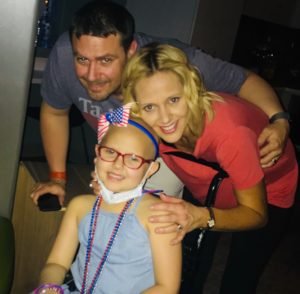
Diane Rochester knows all about having grandchildren in her lap. Diane hails from Salem, Alabama. She has two adult children and now she loves to read, work in various ministries at her church, and garden with her husband. Most of all, she loves her family and adores being a grandmother.

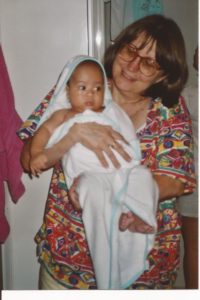
The first to call her that name was Noah. Noah was born in an orphanage in Vietnam in 2000. After a long adoption process, he finally came home to his family when he was four months old. The entire family fell in love with him immediately.
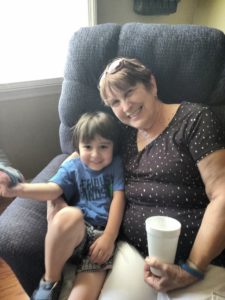
“He was just the sweetest baby,” Diane said. “My daughter and her husband were so proud of him. As he grew up they loved to ride bikes and camp out together as a family.”

But at the age of seven, some red spots on his neck took them to the emergency room where they discovered that Noah had acute lymphoblastic leukemia (ALL). Noah would spend the next seven years fighting cancer. He reached remission twice during that time. But relapsed when he was twelve.

“He needed a bone marrow transplant but because of his heritage, we knew a donor would be hard to find,” Diane explained. “We finally found a match, though. He spent Christmas in the bone marrow transplant unit and we were very hopeful.”

Unfortunately, an infection set in that Noah’s weakened immune system couldn’t fight. He succumbed to the disease on Feb 14, 2013, devastating his entire family and breaking Diane’s grandmother’s heart.

“I’ve never cried so much in my life as when we lost that sweet boy,” she recalled.

Just two months later, Diane’s son had a little boy and they named him Ashton. Nothing could ever take Noah’s place, of course. But Diane was ready to have another baby in her lap.

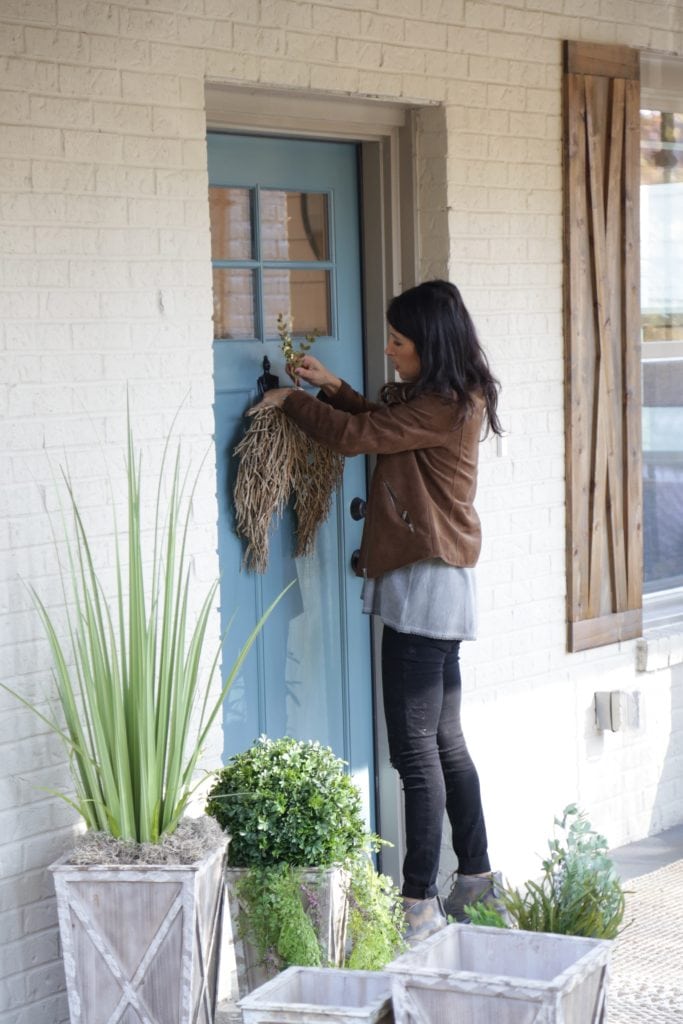
“Ashton is a sweet boy, too” Diane doted. “He loves to swim and play pretend. He’s also very independent. He likes to do his own thing!”

Ashton’s mother was not a U.S. citizen and began having immigration difficulties that prevented her from becoming a naturalized citizen. In early 2018, she made the decision to return to Mexico while they continued the process of obtaining a visa. When school ended, Ashton flew to Mexico to spend the summer with his mother. While he was there, sickness forced a hospital visit where an MRI revealed a tumor on his kidney. His father immediately joined him in Mexico and brought him back to the U.S. for treatment.

“We were in shock,” Diane said. “Can you imagine – two grandsons with cancer? Ashton was only five and the tumor had grown to the size of a cantaloupe. They had to remove it and one of his kidneys, too.”

The tumor was a Wilm’s tumor – the most common type of kidney cancer in children. After successful surgery, Ashton began chemotherapy designed to prevent the cancer’s return. He has been going once a week for outpatient treatment. There was a rough patch when he had chemo and radiation combined, but he is finished with radiation and soon to be finished with treatment completely. Diane says that he bounces back quickly each week and is doing well and ready to get back to kindergarten.

“People think childhood cancer is rare,” Diane said. “But that’s simply not the case. If you think it is, this is one grandmother who can set you straight.”


Ashton and his family on CNN:


How One Mom Uses Her Platform to Encourage Others

Words like “maybe” and “might” can be difficult to hear because they contain no absolutes. They are wholly dependent on something going right by chance or luck. When used to describe the potential success of a medical treatment, “it might” will fall short every time. Possibly, maybe, hopefully…none of these instill confidence – especially in a mother sitting beside her sick child’s hospital bed.

Anita Corsini learned this difficult truth when her son, Rocco, was diagnosed with cancer. After months of struggling with rashes, a distended stomach, and increasing lethargy, a photograph finally drove her to seek answers.

“I looked at a picture of him at the pool beside his friends,” Anita said. “It dawned on me that Rocco’s belly was different. I was concerned because it didn’t look like a normal, soft little belly.”

Her intuition was correct. By the time they arrived at the hospital, Rocco was declining. Doctors found a tumor on his kidney but couldn’t perform a biopsy because he was too sick. A scan indicated Rocco had a Wilm’s tumor, a childhood cancer of the kidney for which the prognosis is very good. He began the standard protocol right away but had a violent reaction to the toxic treatment. While the tumor was shrinking, the chemo caused an unusual reaction. The tumor began flaking off and releasing potassium into his bloodstream – which can lead to potentially deadly heart issues.

Although Rocco was very sick, the tumor did shrink so the doctors scheduled him for surgery to remove as much of the tumor as they could. They also removed a portion of his kidney and a week later discovered that his tumor was not Wilm’s at all. Rather, he had Burkitt’s lymphoma, a rare and aggressive form of non-Hodgkin’s lymphoma. There had never been another documented case of this type of cancer being on a kidney and nowhere else in the body.

With this new information, they had to start over – new doctors, new protocol, and new fears.

“I saw how the first chemo devastated him and knew that this one was more aggressive,” recalled Anita. “I looked at the doctor and told her I was afraid this treatment would kill him.”

“It might,” the doctor replied.

It wasn’t said callously or with an intent to scare. It was said in honesty. Anita and her husband, Ken, knew that while it might kill him, it might work as well. It was also Rocco’s only chance. So with prayer, tears, and hope, they proceeded, and slowly Rocco began to improve. Both Ken and Anita are people of faith and they give credit for Rocco’s improvement to a higher power. Over the course of the treatment, things such as the misdiagnosis, his unexpected responses to chemo, and numerous trips to the ER gave Anita the quiet confidence in her heart that God was still in control despite circumstances outside of the norm.

While Rocco’s cancer improved, long hospital stays took an emotional toll. He truly hated being there until a nurse came up with the “Rocco Bucks” system. For every procedure he was forced to endure, Rocco was paid in bills featuring Angry Birds characters. It changed everything. He got to spend his Rocco Bucks on whatever toys and trinkets staff had available and he even got to camp out in his room for a few bucks a night. The distraction kept him going and soon he was cancer-free.

As life slowly started to get back to normal, a production company called the Corsinis and asked if they wanted to interview for a house-flipping show. The family business, Red Barn Homes, has been flipping houses in Atlanta for over a decade. Despite their experience, Anita was so confident that they wouldn’t be chosen that on the day of the Skype interview, she rushed home from the gym and threw her hair in a ponytail. Undeterred, HGTV offered them a show: Flip or Flop Atlanta, which is in now in its second season in the prime slot of 9 pm.
As a special part of the show, Anita decided to add something to honor all children and families who are connected to childhood cancer. Drawing again on her faith, she staged a pair of angel wings for the reveal at the end of every show.

“Angels in the Bible aren’t just messengers. They are powerful warriors who comfort and protect at God’s instruction. I use wings as a symbol of hope and encouragement to all in the community to remind children and their families that they are not alone.”

Rocco is eight now and doing everything an eight-year-old boy should be doing. Mercifully, he has even forgotten most of the hardest parts of his treatment. But his parents haven’t forgotten and are dedicated to helping others who are on a cancer journey – whether it is through service, prayer, or a strategically placed pair of angel’s wings.


It’s Personal

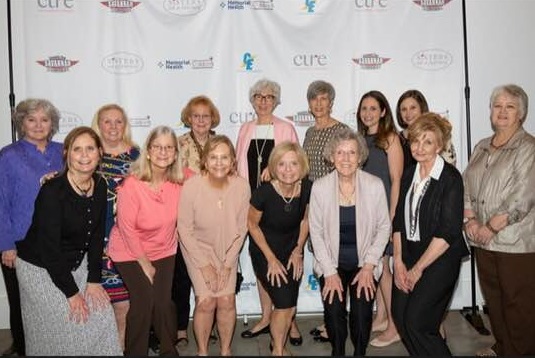
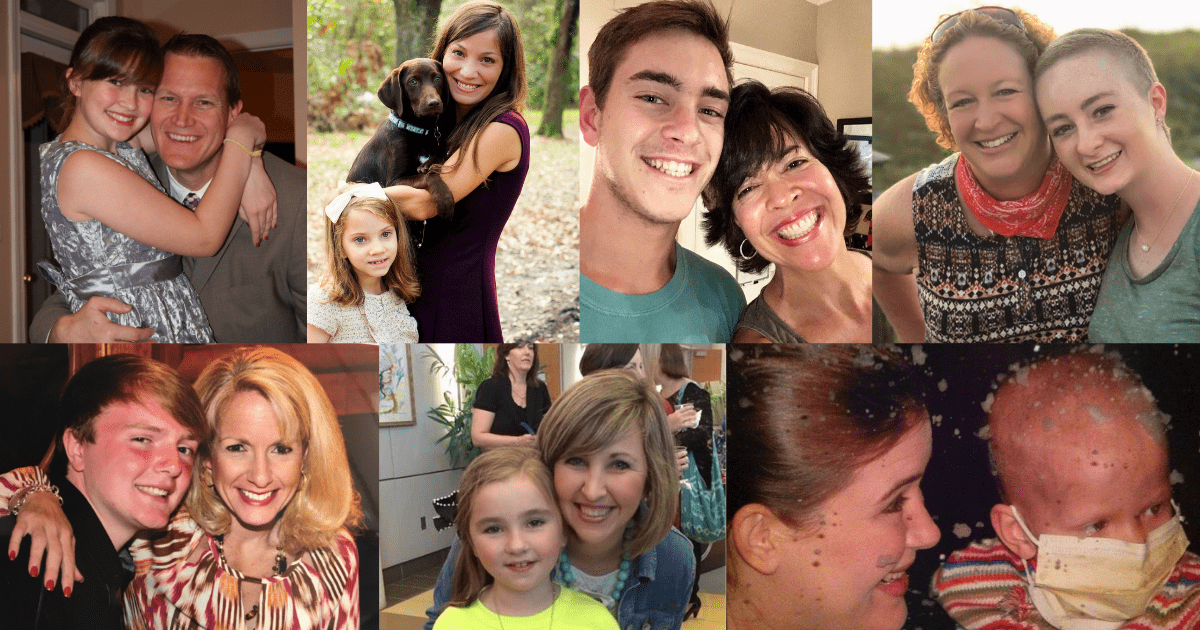
Every member of the CURE staff is whole-heartedly devoted to our mission. Each person understands the gravity of our work – children are literally depending on our success. However, for some CURE staff, the fight against childhood cancer is intensely personal. Seven have been in that unimaginable place – seated across from a doctor completely unprepared to hear those awful words: “Your child has cancer.” Each journey was unique, yet these seven emerged from their experiences changed – and forever committed to fight the disease that tormented, and in two cases, took their children.

“Although Mitchell was diagnosed 18 years ago,” said Lisa Odendahl. “I have vivid memories of my world turning upside down with no warning. It makes me sympathetic to families whose kids are going through treatment. Every day I wish I could do more. But, I have reconciled the fact that I can offer a listening ear, encouragement to live in the moment, and a glimmer of hope beyond treatment.”

The ability to understand and offer support as only one who has been there can do is a common theme.

“I have stayed in the same rooms, eaten the same food, know the same staff, and have endured the same sleepless nights,” added Kerry Kavlie. “I have prayed the same prayers. All cancer journeys are unique, but there is a common thread throughout. I now get to be that ray of hope for newly-diagnosed families to offer a light at the end of the tunnel and to care for them when the treatment isn’t going how they had hoped.”

A sense of urgency was also forged by the bedside.

“I can’t unsee what I’ve seen,” said Mark Myers. “The treatment Kylie received was devastating and, in the end, ineffective. She told me to cure childhood cancer, and I am determined that when I look into a patient’s eyes, I can honestly say I am doing everything within my power to make things better for them.”

“My eyes had been opened to a disease that was plaguing children and ripping them from their families forever, and very little was being done to fix it,” explained Mandy Garola. “I wake up each day knowing that I’m working and fighting for children who can’t fight for themselves.”

The experience left many with a pressing need to make a difference for other children and families.

“I was somewhat clueless prior to Katie’s diagnosis. I didn’t know about lack of funding for research, lack of new medicines, or risks of secondary cancers,” Karen Rutherford recalled. “Once the dust settled from our battle, I knew I had to do something productive with what our family had just been through. I know I can’t cure cancer, but I can walk alongside another family battling, be a shoulder for them to lean on, help serve a hot meal, and raise money for the vital research needed.”

We are often asked if our experience makes our job hard.

“It is sometimes so hard to see those sweet bald heads,” said Jenny Wilkins. “I always want to rub a bald head like I did Catie’s. I never do because it’s such a personal thing. But if I close my eyes, it takes me back. And while my work at CURE is focused on events, I still have the opportunity to meet amazing kids and families and that reminds me that God can use the suffering I’ve been through by allowing us to be there for and help others.”

“People always ask me how I can do what I do,” offered Kerry. “It isn’t always easy, but the good days far outweigh the bad. Giving back is not an obligation, it is a privilege. It is putting yourself aside, diving head-first into the trenches, and not turning back.”

“There are certainly difficult, heartbreaking days,” added Mandy. “But when I think of the children we’ve lost and the potential they possessed, it’s easy to press on. I’m better off having known these precious kids in the first place. I’m honored and humbled to be a part of an amazing organization like CURE.”

“For so many of us, this fight is absolutely personal,” explained Kristin Connor. “Nothing about it is a ‘job.’ We all know from our very difficult experiences that our children deserve better. They deserve the chance to grow up and pursue their dreams. We have to do what we can to ensure that happens. It’s not optional; we all feel compelled to lock arms and fight this fight together.”

There’s something special about the CURE staff, no doubt. We won’t stop fighting until every child is guaranteed a cure… after all, it’s personal.

Looking at Dee-Lenna

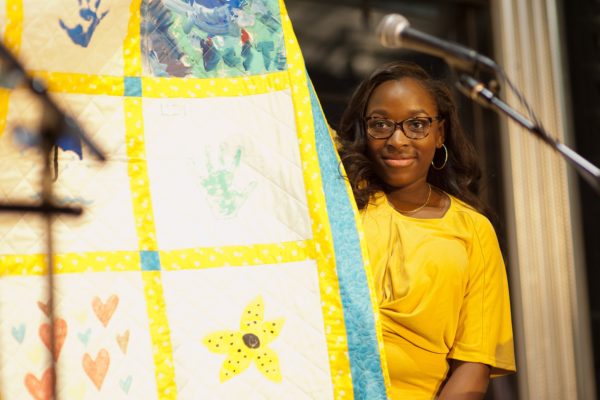
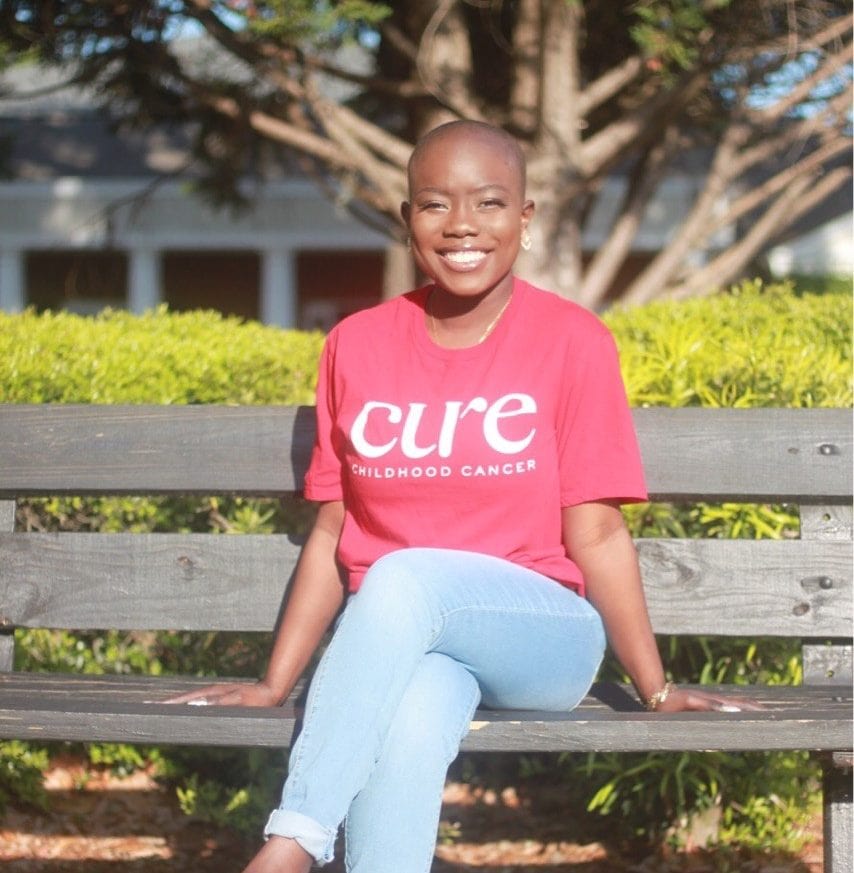
Dee-Lenna has a sparkling personality and a joy that shines through whether you’ve known her for years or just been introduced. She is a freshman at Georgia Southern University and is studying to be a nurse. She has always wanted to be a nurse, although she recently narrowed her choice of specialty to pediatric oncology – which is slightly ironic because she didn’t know what an oncologist was until her senior year of high school.

After fevers, chills, and weight loss drove her to seek medical attention, Dee-Lenna was seen by several specialists while waiting for a diagnosis. The doctor who kept coming back was an oncologist. His presence alarmed her family, but he was just another in a series of doctors to Dee-Lenna. It was the oncologist who finally revealed the problem: Stage Four Hodgkin’s Lymphoma.

“Everyone in the room was crying except for me and my brother,” Dee-Lenna said. “I was shocked and scared, but I felt more of a relief because we finally knew what was wrong with me.”

Her treatment started right away and consisted of several months of chemotherapy and radiation.

“Radiation was the easiest part, and I didn’t really mind losing my hair,” she recalled. “But the chemo was awful. It made me so sick all the time, and once I spent four days in the ICU.”

Her medical treatment was only half the battle. Because of the side effects, Dee-Lenna was forced to miss most of her senior year of high school, and she fought emotional battles that threatened to shatter her self-esteem.

“I’ve never cried so much in my life. To the public eye, I was the strong teenage girl who wouldn’t let cancer take over her life. But behind closed doors, I was a mess. I honestly think that because I portrayed myself to be okay 24/7 despite undergoing treatment, people actually believed it. I felt like I was crying for help, but no one could hear me. Sometimes, not even family.”

While she was able to attend prom and graduation, she missed out on almost everything else. But friends did everything they could to keep her from feeling left out. Through the entire journey, her classmates and community were always behind her. Students from the senior class put together a prayer vigil for her during their senior skip day, and they all showed up on school grounds. And there were constant parties for her: parties to celebrate the end of chemo, the end of radiation, her eighteenth birthday, and even a head-shaving party. They celebrated everything together and watched as the days passed until her treatment was finally over.

Dee-Lenna achieved remission in July 2017 and finished treatment around the same time she walked the aisle as a high school graduate. She credits her friends, family, and specifically her mother for helping her through her cancer ordeal.

“Mom was my biggest supporter from day one,” she beamed. “It was a hard year, but I know my God didn’t bring me this far just to leave me. You’re looking at a Stage Four Hodgkin’s Lymphoma Survivor!”


Avery’s Back

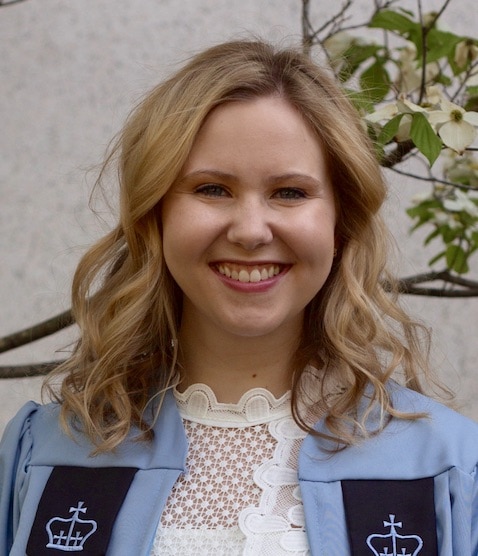
Following eight years away from the childhood cancer community, Avery is back and committed to assisting CURE’s Young Professional Leadership Council (YPLC) fundraise to advance CURE’s mission.

Diagnosed with ALL (leukemia) as an eleven-year-old, during the spring of her fifth grade year, Avery underwent treatment from 2005-2007. During this time, she saw CURE in the hospital serving meals, providing support, and serving as a beacon of hope through its staff as they worked to defeat childhood cancer.

Essentially causing her to miss all of middle school, Avery’s treatment was the standard protocol at the time and consumed her sixth through eighth grade years.

“I am blessed and grateful to be eleven years off treatment without lasting side effects,” Avery said.

While on treatment, however, Avery experienced a few rather rare side effects as a result of her chemotherapy. The most frightening of these was a series of mini-strokes during the most intense phase of her treatment that caused partial paralysis and a day without sight. Another side effect involved an allergic reaction to a chemo which resulted in her doctors shipping an antidote overnight from Washington D.C.

For Avery, treatment was a fact of life that, as far as she could help, didn’t stop her from being involved with CURE, making friends in the hospital and at Camp Sunshine, and trying (when she could) to be a normal kid. Of course she wasn’t a normal kid going to school. Instead she went to clinic appointments and wore a bandana on her head for almost three years. Her goal, however daunting her circumstances, was to instill hope and happiness where she could and advocate for future change through research in the field of pediatric oncology.

Fully re-entering school in ninth grade, Avery’s outlook was dimmed through personal experiences with loss over the next two years. She describes “the loss of her two closest friends and three great friends she’d met during treatment to relapses and complications” as “the hardest test” she’s had to face. Rather than catch up on what she might have missed in middle school, Avery remembers her first two years in high school as ones filled with funerals, grief, and the resulting emotional scars that come with losing friends.

Following the last, but most significant loss, of one of her closest friends in November 2010, Avery made the choice to get away from the childhood cancer community as much as she could. This included no longer attending or speaking at CURE events throughout Atlanta and no longer attending Camp Sunshine. Avery decided to attend Columbia University in New York and spent six years away from Atlanta both interning during the summers and being a full-time student. Receiving her BA in Art History in 2016 from Columbia and her MA in Art History in 2018 from the Bard Graduate Center, Avery took the time she needed to grow into the young woman she is today and heal from the wounds she had accrued.

“I always knew I’d be back,” Avery said. “I needed time to accept, process, and recover at my own pace from my experiences,”

Energized and ready to work, Avery chose CURE as her first avenue to give back as the organization was a vital support network to her and her family throughout and following her treatment.

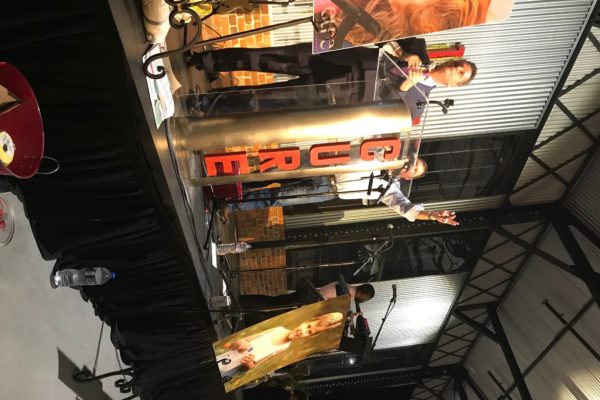
Avery and other members of CURE’s YPLC invites you to join them at an exciting event called Spring Fever on March 22. Held at the Stave Room at American Spirit Whiskey, this night promises fun for all. Tickets are  $75 and include a full open bar, signature cocktails, unlimited food tastings, live music, interactive games, a silent auction… all while supporting CURE Childhood Cancer! Get your tickets today at curespringfever.org.

A December to Remember

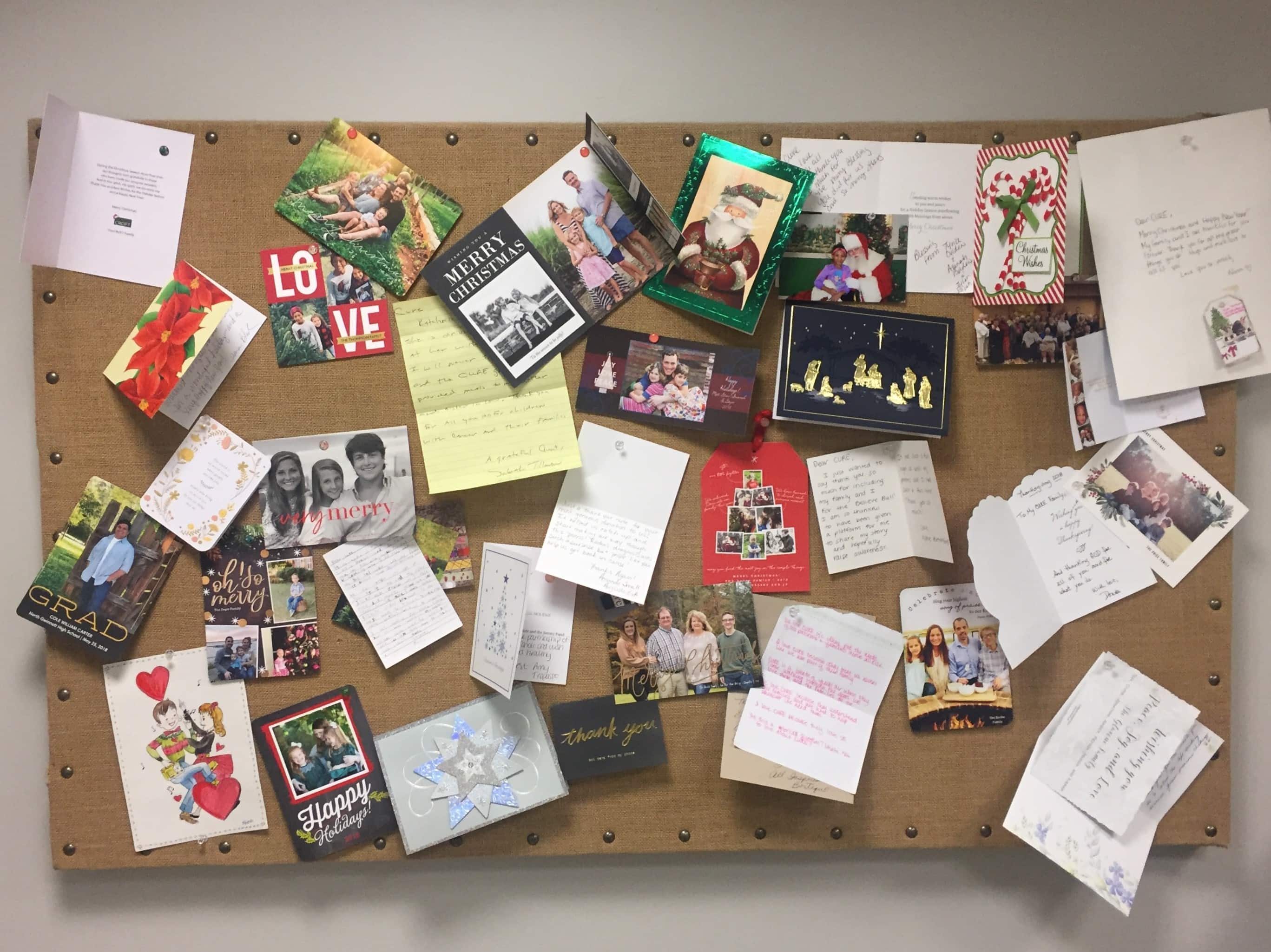
The bulletin board at CURE typically holds announcements and a letter or two. Tucked between the refrigerator and water cooler in the breakroom, it is rarely seen by visitors to the office. It’s really just for us. But in December, it came alive with pictures, notes, and cards and became a stark reminder of the lives we are touching because of the generosity of our donors.

Along with many sweet holiday wishes, one note says:

“My family dearly thanks you for your help with our utility bill last month. It could have meant less food, waiting for winter jackets, or quite a small Christmas for our family of 6. But you stepped in. You’ve truly blessed us.”

Another family in treatment benefited from our Holiday Angels program and wrote to say:

“Thank you all for looking out for my family this Christmas, because this year was NOT looking like a Christmas for us at all, but because of the CURE program we will have one.”

Tacked between warm letters such as these are pictures of children we met as bald patients who now are healthy and participating in life as a child should. Through the cards from families who have lost their children, we are reminded that our work is still not done; but we’re heartened to know that CURE remains a part of their family’s life and holiday traditions.

In that season of giving, you allowed us to do so much for families distressed by childhood cancer. During the month of December, we served nearly 1000 meals to patients and their families in treatment, including a special Christmas Eve meal at both campuses of Children’s Healthcare of Atlanta. Imagine the impact of a warm meal and a smile to those stuck in the hospital instead of at home for the holidays.

Imagine also being a parent balancing the high cost of treatment with your children’s wish lists. CURE donors stepped up to tip the scales and became Holiday Angels. Throughout Georgia, our donors provided gifts for 101 families whose Christmas or Hanukkah gift giving was unlikely. Between our little cancer fighters and their siblings, 300 children experienced holiday joy with gifts from their lists.

More than 125 families attended amazing holiday parties in Atlanta and Savannah, where children decorated gingerbread houses, made slime, ate snacks, and got to sit on Santa’s lap. Most importantly, they were able to take a break from the worries of treatment and enjoy the merriment of the season. One parent wrote:

“Our sweet girls had so much fun at the holiday party. They enjoyed the day and will remember the fun times. All the princesses and Spider Man were a hit and the girls enjoyed talking to Santa”

None of this would be possible without the generous support of donors like you. As we settle into a new year, we’re heartened to know your support didn’t end in December. You are with us all year long, and from the bottom of our hearts, we are thankful.

New Year’s Goals and Grief

by Carleen Newsome, LPC, CPCS, ACS Clinical Director at The Summit Counseling Center

If you have experienced a major loss this year, the last thing that may be on your mind is New Year Resolutions or 2019 Goals. It is possible you are still in the midst of grieving, and just when you feel you have taken a step forward, you wake up feeling you have taken five steps backward. Maybe the goals that were important to you before your loss hold little importance to you now. For many of us, New Year Resolutions often include losing weight, and concentrating on losing five pounds may seem ridiculous to many on the heels of losing a child or spending a year in and out of the hospital fighting for your child’s life. So, should we just forget about goals this year and give ourselves a break? Possibly. But I would like to suggest an alternative look at goal setting with grief in mind. Goals, when appropriate, can help us stay healthy and resilient in our deepest grief. Here are five goal setting ideas specifically designed with grief in mind.

Allow yourself to lean into your pain for defined and limited time periods.

It is important to lean into our grief at times, allowing ourselves to experience sadness and name the things we are missing. In fact, it is even okay to feel sorry for ourselves. We may ask, “Why did this happen to me when others seem to skate through life with minimal trauma.” Leaning into our grief allows us to move effectively through the stages of grief. Avoiding our emotional pain can contribute to feeling stuck and hopeless in our grief. On the other hand, simply leaning into grief can become overwhelming. An appropriate goal for 2018 may be to find “the middle ground.” Give yourself permission to lean into grief but give it a time limit. For instance, you may decide to stay in your pajamas and cry on the couch one morning. Allow it, but plan to get dressed by noon and meet a friend for lunch or go to the grocery store.

Practice self-soothing techniques during difficult emotions.

On those mornings when you allow yourself to grieve until noon, head to a designated spot in your home where you keep distress tolerance tools. Have a basket filled with items that can soothe your emotions as you experience them. Practice soothing all five senses. In the basket put a plush blanket, hot water bottle and your child’s favorite stuffed animal to soothe your sense of touch. Include a scented candle, essential oils, and your favorite scented lotion to soothe your sense of smell. Find other items to soothe your sense of sight, taste and hearing. To be most effective, keep them together in one place and use one item for each sense simultaneously.

Take a shower and get dressed each day.

Whether you intend to leave the house or not, plan to shower and get dressed each day. An appropriate goal would be to do that each morning even if you plan to binge-watch Netflix. Put a limit on your grief and accomplish something each day that gives you a sense of Mastery. A sense of Mastery is the feeling you get when you push yourself and accomplish something that in turn makes you feel better. This is one of the first steps in lifting depression and it is called Behavioral Activation. Behavioral Activation means that instead of waiting until you feel better to accomplish something you push yourself and end up feeling better as a result. A sense of Mastery may come from something as simple as making a few important phone calls or writing a block of thank you notes. It is definitely easier to accomplish something after you have taken a shower and dressed.

Identify three things each morning that you value.

Although there may be mornings where you would rather not face the day, turning our minds to those things that we value can create a different mindset for the day. Sometimes this practice is called gratitude journaling. Because I believe it is hard to be grateful when you have experienced the death of a child, I like to call this practice acknowledging the things that are going right in the midst of our loss. What is going right? It could be that the air is crisp and the sun is shining. It could be that a friend called last night and it was a comfort. It could be that I slept through the night. Focusing on these small gifts helps us navigate grief and become more resilient.

Give of your time and talents where you can.

We know that focusing on the needs of others and feeling that we have made a positive impact gives our life purpose and meaning. Having purpose and meaning increases our life satisfaction. It does not take away our grief but it helps us create a new normal and allows us to begin to create a life worth living. It is not a surprise that so many people who have lost their child find a way to give back to their community. Giving back honors the child, keeps their memory alive, and allows us to positively impact the pain of someone else who may be going through a similar event.


These may not be your typical New Year Resolutions but they certainly are life transforming, loving, compassionate, and healing! I challenge you to try them and find at least one that would make a positive impact on your life this year.

A Survivors New Year’s To-Do List

by Lillian R. Meacham, MD

It is important that childhood cancer survivors focus on staying healthy after cancer. Here are some helpful tips to consider:

1. Make your appointment to visit a cancer survivor clinic. Survivor visits begin when you are two years past the completion of cancer treatments. If you have reached this milestone, talk to your oncologist about a referral to the Aflac Cancer Survivor Program. In the cancer survivor clinic, you will be educated about your risk for any late effects which might be side effects from your cancer treatment. You will also be checked for those side effects through labs or screening tests. You may see an oncologist, an endocrinologist, a pediatric psychologist, and a social worker. The number of providers you see is based on your health needs. If you already attend survivor clinic, be sure to make your appointment for 2019.

2. Find and review your survivor healthcare plan. If you have already been to survivor clinic, review the survivor healthcare plan you received in clinic. The survivor healthcare plan will outline the cancer treatments you received, the late affects you are at risk to develop, and how the survivor team plans to check you for any late effects. If you have any questions about what you find in your survivor healthcare plan, jot them down and bring them to clinic with you. If you can’t find your survivor healthcare plan, check Cancer Survivor Link online! If you are registered for Survivor Link at www.cancersurvivorlink.org, each year when you come to the Aflac Survivor clinic the team will upload the newest version of your survivor healthcare plan to your electronic record.

3. Learn a new self-management health skill. If you are an adolescent or young adult, work on a new survivor skill. A parent of a younger survivor could help him or her choose and develop a skill. This could be the survivor calling to make the clinic appointment, making the co-pay at the time of the appointment, or downloading the survivor healthcare plan from SurvivorLink. You may choose to know the names and doses of your medications or call in the refills this year. There are many skills that need to be learned, but if you learn them one at a time you will have them all down in no time.

4. Be sure to keep seeing your primary care provider for normal child and adolescent medical care and visit your dentist twice a year. Sometimes there are so many specialty doctor’s visits, it is hard to fit in the “normal” visits, but they are important too. You want to keep your primary care physician up-to-date on your health so he or she can take care of your routine medical needs. Also, don’t forget to get your teeth cleaned and eyes checked.

There are several skills a young survivor needs to learn to maintain health. By working to master one or more of these skills in the coming year, you will be setting yourself on the right path to a healthy life after cancer.

A Year-End Reflection

Reflection

It’s what we all do at the end of the year, right? Memories we’ve shared with family and friends from the past year flood our hearts and our minds. We choose the joyous ones and hold them close for a lifetime, and we try desperately to endure the ones less joyous…while praying that the new year will be easier. And, that it will be filled with opportunities for celebrations and positive growth.

Growth is a really beautiful thing! Especially in the world of childhood cancer research.

Reflection + Recognition = Growth

As we all begin to reflect on what was 2018, I wanted to share some of the exciting news surrounding The Carter Martin Fund at CURE Childhood Cancer. The end of December marks halfway though CURE’s current fiscal year. In only 6 short months Carter’s Fund has raised an astounding $87,000!

Reflection + Action = Hope

In November we held the inaugural Piggy Bank Bash in Savannah which was a huge success! For those of you who don’t know the details of Carter’s story, in the final days of his life he asked me to get his piggy bank and said, “Mom, give all of my money to childhood cancer research so no other kid has to suffer like me.” At the Piggy Bank Bash guests were invited to take home individual CURE piggy banks allowing them to serve as a reminder that children with cancer need change….they need change in their treatment options that provide better outcomes and cause fewer life long side effects. Our Savannah team poured their hearts into this event, making certain that no one in the community will want to miss the Piggy Bank Bash next year!

It is with tender hearts that those of us at CURE Childhood Cancer recognize the reality of the many children who were diagnosed in 2018, those who continued to endure treatment, and also the sweet, young lives that we lost over the past year. Our hope lies in the children who were declared disease free, those who are survivors, and most importantly, the ones who are being offered different treatment options through the Precision Medicine Program at the Aflac Cancer Center at Children’s Healthcare of Atlanta. This program is CURE Childhood Cancer’s largest grant to date that envisions personalized, non-toxic and curative cancer therapy for all children. 2018-2019 marks year two of our $4.5 million commitment, which has already produced measurable results since its inception.

Reflection + Hope = A Cure

Reflection… cathartic in seeing how far we’ve come and crucial in making a plan for what we still need to do. Over time that reflection will yield a great reward, knowing that we have made a difference in the lives of children with cancer.

Upon further reflection of what Carter Martin wanted, no more kids suffering, we say let’s continue the fight. It is our greatest honor to fight this fight with you.

Thank you for partnering with us in these efforts and for your generous contributions to The Carter Martin Fund over the past year. Every penny out of your piggy banks counts and we appreciate your continued support of this cause. We wish for YOU and your family a wonderful holiday filled with health and happiness.

Merry Christmas and Happy New Year,

Leigh Ann

Coping Ahead for the Holiday Season

When you have a child diagnosed with cancer the upcoming holiday season will not be typical of the holidays you have experienced in the past. It is important and extremely helpful to acknowledge that simple fact ahead of time, so you can cope ahead. Coping ahead helps prevent us from being blindsided by our grief.

You can cope ahead by anticipating which situations may be difficult and preparing what you will say or how you will act in these moments.  This may reduce your vulnerability to intense emotions and help you manage your emotions most effectively. The following tips will help you cope ahead this holiday season.

Anticipate Heightened Emotions

For many of us, this time of year presents as a dialectic. A dialectic teaches us that two things that seem like opposites can both be true and exist at the same time. While the holiday season may be a time of joy, celebration, and getting together with loved ones, it can also bring about intense emotions such as anger, sadness, and irritation. Allow yourself the full range of these emotions without avoiding your feelings. Tell yourself that it is understandable that you will feel many emotions and give yourself the permission to respond to those emotions as you see fit. Appropriate responses may include declining an invitation to an annual function or pushing through when there may be positive outcomes to being with people you love. Plan how you want to spend your time and with whom. Coping ahead may be reviewing your holiday schedule and determining which traditions and gatherings are important to you and your family and which ones you plan to decline or eliminate this year. Coping ahead would also include preparing and practicing your response to invitations. For example, you may simply decline an invitation. No further explanation is required.

Set Realistic Expectations

Give yourself a break this year. Cope ahead by asking for help. If you usually host during the holidays, ask someone else to take over this year. Let friends and family know that you and your family may not attend everything this year and/or may leave early if things feel too stressful. Discuss with your family ways that the holidays may be different for everyone this year.

Take Care of Yourself

Cope ahead by making sure to plan time for self-care. Taking care of our physical, emotional, and spiritual self will help us be more resilient during the holiday season. Good self-care also protects us from increasing symptoms of depression and anxiety. Practice healthy eating, regular exercise, good sleep, hygiene, prayer and/or mindfulness practices, and appropriate medical check-ups.

Self-Soothe and Distract

Plan times when you can take a break from the stress of the holidays. Cope ahead by making a list of activities that will distract you, even momentarily, from the realities of treatments and the expectations of the holidays. This list may include distractions such as a movie, coffee with a good friend, or listening to your favorite music. A self-soothing list may include a run, massage, or a hot bath. Cope ahead by pre-planning and scheduling these activities; otherwise they will not happen regularly.

Seek Help

Cope ahead by researching and understanding the signs of depression. Promise yourself that you will reach out for help if you see these signs during the holidays. An excellent way to cope ahead is to research and know where you will go or who you will call if you recognize depression symptoms. Discuss this with your spouse or a close family member or friend and hold each other accountable. If you would like to discuss counseling, please visit CURE’s Counseling Program page for information.

Recognize the Good

Coping ahead to help increase your resilience may include naming three things that went well at the end of each day. Another option may be to list three things that you are grateful for each morning. Including the whole family in this practice may help with surviving the holiday season and who knows, it may become a new family tradition.

By Carleen Newsome, LPC, CPCS, ACS

Clinical Director at The Summit Counseling Center