CURE and the Handmade Home

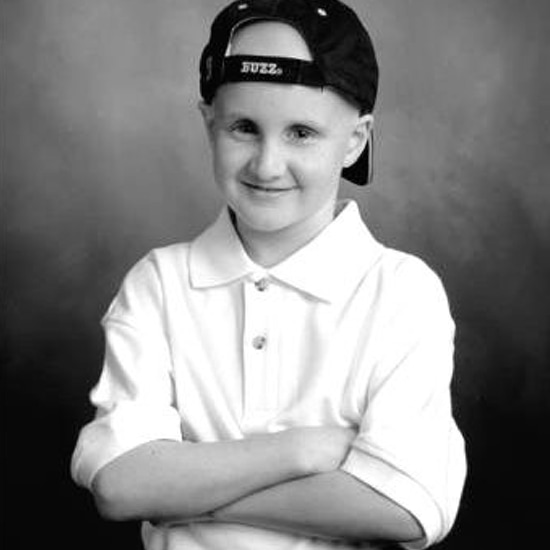
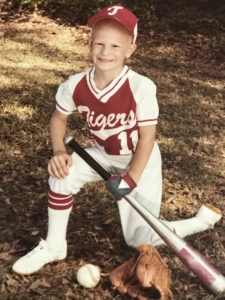
Anyone who has a brother knows there is an ever-present threat of injury. The only questions are: how much will it hurt and will it force another trip to the emergency room. Jamin had many of those bumps and bruises growing up with his brother in Birmingham, and he inflicted a few of his own. During a particularly rough wrestling match in 1982, Jamin took a knee to the back that caused some discomfort. He didn’t think much of it until he noticed blood in his urine the next morning.

“You would think it would freak me out,” Jamin said. “But I was just a six-year-old kid… so I thought it was a pretty cool trick.”


When he shared his newfound ability with his mother, however, she raised the appropriate alarm. Jamin’s pediatrician was also concerned and immediately told them to go to the hospital. Doctors there discovered a large tumor on Jamin’s kidney. Both the tumor and the kidney were removed the next day and the ensuing pathology revealed it to be a Wilm’s tumor, the most common type of kidney cancer in children.

Wilm’s tumors often become quite large before they are noticed. So the blow from his brother likely hastened Jamin’s cancer diagnosis. At the time, Wilm’s tumors were being studied and treatments were rapidly evolving thanks to the work of Dr. Sidney Farber, founder of Dana-Farber Cancer Institute, and many other researchers. The cocktail of chemotherapy Jamin received in the early 1980’s, experimental at the time, is now the standard protocol for all kids with Wilm’s tumor, and survival rates have eclipsed 90%.

At the time, Jamin didn’t really think about what kind of chemo he was getting. He had some nausea and lost his hair, but it didn’t get him down. In fact, besides missing his friends sometimes, he was pretty happy to have excused absences from school and loved all of the presents he received.

“I really don’t remember feeling isolated although I’m sure I was at times,” he recalled. “As I got older, I began to understand what happened and the potential side effects. But I’ve had no problems at all.”

After receiving his degree at Auburn University, Jamin became a youth pastor. He and his wife, Ashley, now have three children and live in the Nashville area.  Ashley began looking for an outlet for her creativity, so she started writing about home design and renovation. In 2014, Jasmin and Ashley launched a full-time business, The Handmade Home. Together they create designs all over the country, work with brands, and offer tips and advice to those looking to improve their home. Their mantra is to stop pining away for the perfect home and make the house you live in one you love.

We met Jamin and Ashley when they entered the Frogtape Design Challenge and chose CURE as their charity of choice. While CURE didn’t win the contest prize, we gained something much more valuable – new friends!  We are grateful for Jamin and Ashley’s desire to help children fighting cancer so that one day, every child diagnosed will be able to live their dreams… just like Jamin has.

Cheering for Lauren

When Lauren was only two years old, her parents noticed a lump in her abdomen and got the worst news imaginable. Their happy, beautiful baby was diagnosed with neuroblastoma – a pediatric cancer of the nervous system. They immediately entered a world of chemotherapy, radiation, surgery, and too many side effects to mention. But after several months, Lauren’s tumor shrunk, and she was declared cancer-free.

When her health improved, Lauren dreamed of being a cheerleader. She joined a competitive squad and even made her school team. She loved every practice, meet, and football game and she worked very hard to be her best. At 15 she was primed for high school cheering until she began experiencing hip and leg pain that sidelined her. Being so active, a doctor suggested that she had arthritis in her hips so her first attempt at recovery was physical therapy.

The PT actually helped for a time; but the pain came back. In February 2017, an MRI revealed new lesions and she discovered that once again, neuroblastoma had invaded her body. In all, the imaging indicated 28 spots that were likely active tumors.

The first four cycles of chemotherapy stabilized the tumor but didn’t shrink it. She moved on to immunotherapy which is supposed to attack just the offending cells and leave healthy cells undamaged. She spent alternating weeks in the hospital for over a year. That treatment failed also.

Her next treatment consisted of a targeted radiation called MIBG therapy.

“MIBG made me very sick and uncomfortable,” Lauren recalled. “I had to stay by myself in a room with lead walls to contain the radiation. Even when I got out I couldn’t be around people for two weeks so I wouldn’t expose them. We thought I might glow in the dark, but I never did.”

After the treatment, Lauren’s follow-up MRI showed 18 spots remaining. That was a good reduction, but not enough. Her doctor recommended that she undergo MIBG again. But remembering the side effects she had the first time, Lauren didn’t want to do it until her mother talked her into it. The second round took her disease burden down to 14 spots and she cannot do radiation again because she has already received her lifetime maximum dosage.

She and her doctors are now looking for other options to finish the cancer for good. In the mean-time, Lauren has been pain-free since March and her energy levels have returned to normal. She has a positive and hopeful attitude. She loves school and hopes to become a dermatologist when she grows up.
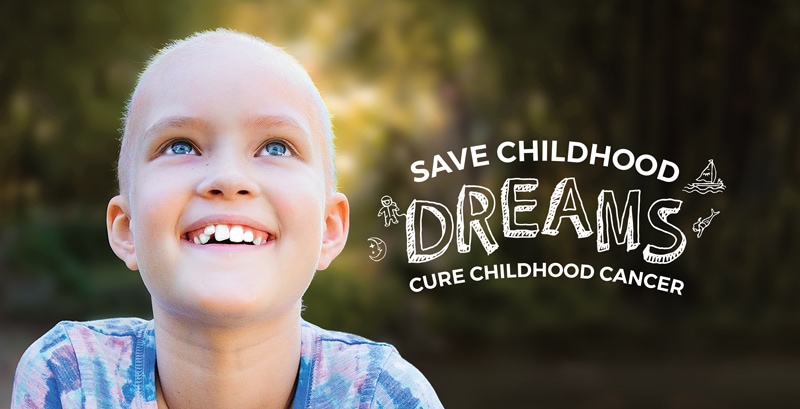
“I spent my Sweet 16 getting scans and the nurses and child life specialists threw me a party,” Lauren laughed. “I appreciated it so much. But even better, we found out that the new treatment was working! The disease in my bone marrow was lessening, and the tumors were shrinking! My hair is growing back! My cancer journey has made me realize that you have to live life to the fullest and never give up!”

CURE invests $4 million annually at leading pediatric research centers with one goal in mind: safer and more effective cures for childhood cancer that will allow children like Lauren the opportunity to live full lives and reach for their dreams. See how you can join us by visiting our website.

A September to Remember

September is Childhood Cancer Awareness Month and a month of continuous action for CURE. There are so many components that our staff, partners, and volunteers stay busy all thirty days. We loved the constant events and activities and watching so many people get involved. You have been a big part of September’s success! We would like to share a little of what you did for children fighting cancer.

CURE’s Kids Conquer Cancer One Day at a Time

Each day in September, CURE shared the unique stories of children who have been diagnosed with cancer. At the same time, these brave families fight back, setting a goal to raise at least $1000 to support life-saving pediatric cancer research. This year the families of 129 children shared their stories and raised more than $292,000. Wow! What an impact that will have!


A Tribute to our Quiet Heroes

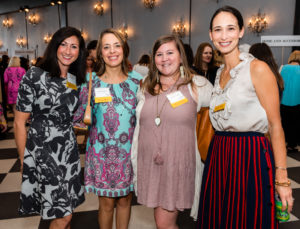
The 14th Annual A Tribute to Our Quiet Heroes was an amazing, inspiring day. Among the 600 in attendance at this very special luncheon were our honored guests – 250 mothers who have guided their family through the unimaginable journey of childhood cancer. Pediatric oncologist and theology professor, Dr. Ray Barfield shared a keynote message from the unique perspective of a career spent fighting right alongside mothers like our guests in hopes of saving the lives of their children. His compassion and understanding set a special tone for the mothers and guests. The event not only encouraged everyone in the room, it raised its highest total ever: more than $470,000 to further CURE’s mission.


29th Golf Classic benefiting CURE

The 29th annual Golf Classic was one for the ages. More than 150 golfers teed off at The Oaks Golf Course in Covington on September 28 for an amazing day. The preliminary total of money raised is $75,000 – all benefiting CURE Childhood Cancer.


Mailbox Bows

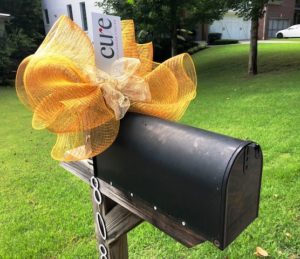
All across the state, mailboxes were adorned with this beautiful gold bow. These mailbox bows created awareness for those passing by and solidarity in the fight against childhood cancer as entire neighborhoods went gold. The bows also raised a lot of money. Those CURE tags and gold bows sat atop 3129 mailboxes and generated more than $78,000!


Coins4CURE

Coins4CURE is a very simple coin drive fundraiser. Over the past 3 years, more than $200,000 has been raised for CURE Childhood Cancer! This year, 222 people participated in the coin drive. The coins are still being counted, but we anticipate another great total.


Facebook Fundraisers

Your birthday matters! Literally hundreds of people celebrated their September birthdays by creating a Facebook Fundraiser for CURE. The totals for September blew us away! You raised more than $83,000 for CURE!


September Partners

From burgers to cars, hardware to jewelry, coffee, and cupcakes, our September partners stood with us. They held events, donated a portion of proceeds, shared our stories, and even put us on the radio. Their donations are still rolling in, but the benefit of having so many friends in our community is invaluable. Thank you to old friends and new ones who joined us last month.


Gold Out Games 

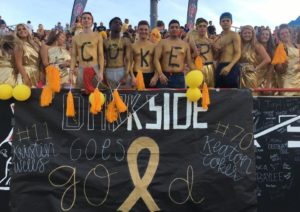
Dozens of games across the state carried a Gold Out message. Many of them also raised money for the fight and all of them raised much-needed awareness of the issues surrounding childhood cancer.
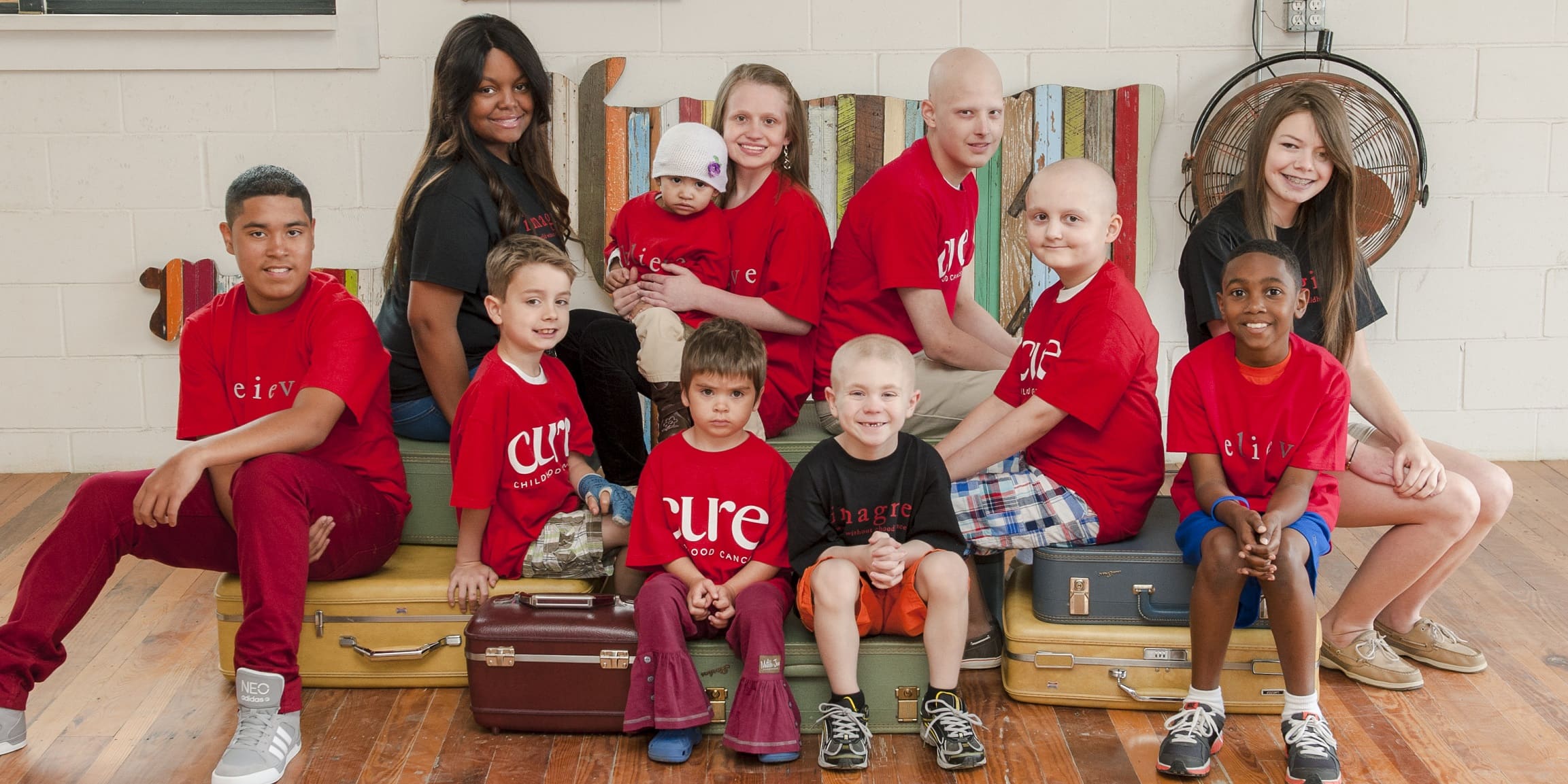


September proves that our message is getting out into the community. Whatever part you played, thank you from the bottom of our hearts. Whether you think your role was big or small, it is vital to us. These funds raised literally enable us to provide tangible support to patients and families and fund innovative research. Thank you!


Transition: How to Successfully Journey Forward

by Elizabeth Record DNP, Mary Batcha RN, and Lillian Meacham MD

Childhood cancer survivors are challenged with many transitions of care in their journey after a cancer diagnosis. First, they transition from a healthy child to a child with a cancer diagnosis. Then they move from a child with cancer on treatment to a childhood cancer survivor who has completed treatment. And finally, they transition from a childhood cancer survivor to an adult survivor of childhood cancer. One of the most challenging transitions for many childhood cancer survivors and their families is the transition from pediatrics to adult based health care. For some survivors, this transition is due to an upper age limit at a pediatric healthcare system, and for others it is due to a geographic relocation for college studies or a first job. It is essential for survivors to prepare to journey forward as young adults who can navigate the adult health care arena.

Below are some suggested strategies to ensure successful transition:

  1. Start early to prepare for this very important transition. Survivors should talk to their pediatrician and their pediatric survivor team. Planning ahead of time, communicating with the current and future healthcare teams, and advocating for their healthcare needs are all very important initial steps.
  2. All survivors should have a summary of the treatment they received. This is typically called a Survivor Healthcare Plan (SHP). This is an important tool as it will outline the potential late effects associated with the individual treatment. It will also have a summary of past testing that has been done and suggest recommended future testing to assess any late effects that may occur as an adult.
  3. It is important for each survivor to have an understanding of the contents of their SHP as each survivor will be the person who advocates for their health and schedules the suggested testing.
  4. Survivors should identify and establish care with an adult healthcare provider for general healthcare needs or concerns. Additionally, survivors should share their SHP with the identified adult healthcare provider.
  5. If available, survivors should identify an adult survivor clinic that is familiar with the Children’s Oncology Group Long-Term Follow-Up Guidelines, which can be found on the COG website. This will assure they are updated periodically on any changes that may alter their SHP. Many adult healthcare providers are reluctant to provide care for cancer survivors as they are not familiar with the recommended guidelines. The Young Adult Survivor Clinic at the Emory Winship Cancer Center is a local survivor clinic focused on long term survivorship care.
  6. Maintain insurance benefits. Most survivors can stay on their parents’ insurance until age 26. However, if that is not possible, it would be important for each survivor to reach out to their social worker or a financial counselor who may be able to assist them as they strive to obtain insurance benefits.
  7. Register for Cancer Survivor Link. This is a password protected, secure, patient-controlled website designed for survivors and providers that will allow each survivor to learn about survivorship, share their personal health information with each of their healthcare providers, and store their Survivor Healthcare Plan. Registration is available on our website.

In Atlanta, patients under 21 years of age can be seen in the Aflac Cancer Survivor Clinic (404-785-1717). At age 21, patients are transitioned to the Young Adult Survivor Program at the Winship Cancer Institute at Emory. The contact for this program at Winship is Mary Batch RN (404-778-3473) or [email protected].


The Value of Christopher’s Diamonds

Many people go their entire lives without discovering the things of greatest value. Others have experiences which teach them what is important, and some seem to be born with keen intuition. Christopher Wessels finds great value in the “diamonds” he collects. But the most important thing to him isn’t hoarding his gems, he prefers putting them to work for others.

When Christopher was three years old, a distended stomach sent his family to the emergency room, where doctors diagnosed him with a stage IV Wilm’s tumor. He spent the next seven months in a fight that included chemotherapy, surgery, and radiation. He became a frequent flyer with trips between the Atlanta and New York hospitals where he received treatment in which he lost a kidney, an adrenal gland, and several lymph nodes. But on March 15, 2015, Christopher was declared “No Evidence of Disease.”

He has spent some additional time in the hospital due to asthma but is doing great today. He is a part of the survivorship program which entails an annual scan to make sure he remains cancer-free. This freedom from treatment has given him more time to pursue his precious diamond collection. Christopher sometimes gets caught smuggling them into the house, and many of the precious stones that make it home go through a special cleansing process along with the rest of his laundry. A six-year-old often forgets to empty his pockets.

Christopher mines these treasures all over the place: friends’ yards, city parks, and family vacation destinations. Rarely a day goes by when he doesn’t spy at least one diamond on the playground at his school. Once he gets his diamonds home, they join a display he has created in his playroom.

These diamonds are extremely valuable to this avid collector. Far more valuable than that, however, are the lives of the young children who, like Christopher, are at risk due to childhood cancer. When he learned he could help other children facing cancer by selling his coveted diamonds, Christopher willingly agreed.

Christopher’s family created a team at CURE Childhood Cancer’s annual Lauren’s Run. Team Courageous Christopher sent letters and emails offering his diamonds in exchange for a donation. Each diamond came with an original certificate of authenticity. His supporters immediately recognized Christopher’s passion and the value of such a prized collection. Orders and donations began pouring in.

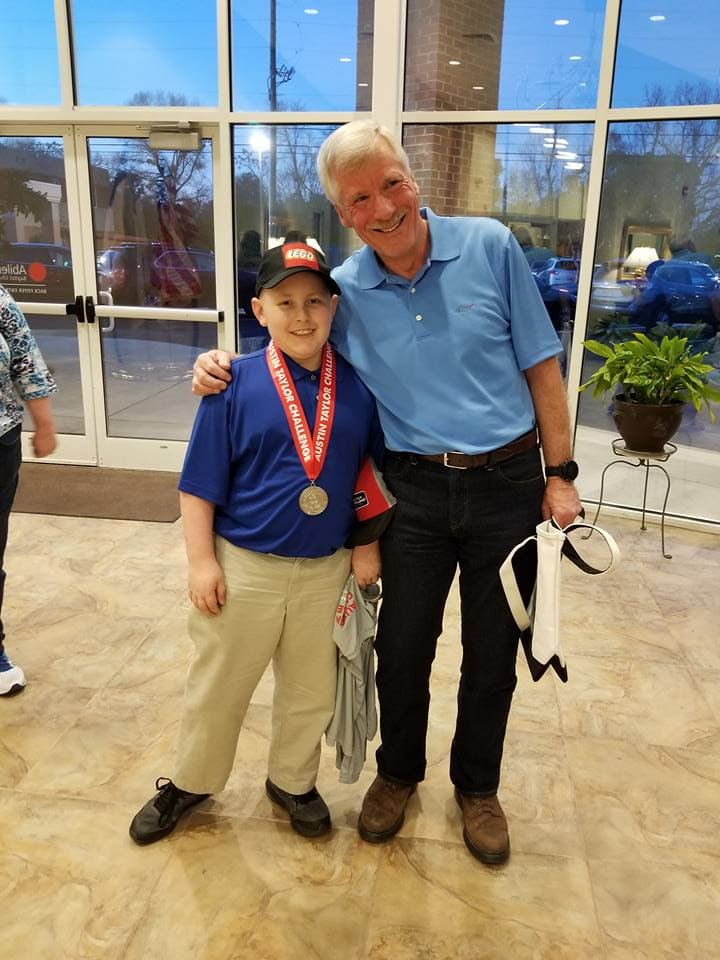

The Wessels took time off for a family spring break trip where Christopher admitted to feeling some pressure. At a souvenir shop he showed his mother a bag of diamonds he needed to buy out of concern for the high demand that was outpacing his stock levels.

In the end, Christopher fulfilled all of the orders, and his team finished as one of the top fundraising teams at Lauren’s Run with an amazing total of over $11,000! Christopher is already prospecting for new “diamonds” to replenish current inventory levels for his collection.

Whether it was through his experience with cancer or just in his nature, this six-year-old has a keen eye for what is truly valuable in life and is an example for all.


Wrestling with Emotions – Offloading Hurt

by Carleen Newsome, LPC, CPCS, ACS

Emotions are designed to inform us about what is happening in the world around us. However, in the midst of our grief, emotions can be so overwhelming that we try to run from them. Instead of recognizing our emotions, we adopt ways to cope which can prolong our suffering.
Hurt doesn’t go away simply because we don’t acknowledge it. In fact, if left unchecked, our emotions can fester, grow, and lead to behaviors that are not in line with who we want to be. These behaviors are ineffective and usually end up sabotaging many areas of our life, ruining relationships, and harming careers.

Resorting to ineffective strategies of dealing with emotions is called “offloading.” Below are six common strategies for offloading hurt:

Chandeliering: This strategy is when we try to stuff the hurt so far down that we believe we have escaped the pain. What actually ends up happening is that we have tender trigger points. When these trigger points are touched we react in an out of proportion way. A small thing like spilling our coffee may cause us to lose control and cry for hours.

Bouncing Hurt: Bouncing hurt is when emotions become unbearable and we place that hurt on someone or something else. For example, we may be having a hard day fighting off grief and instead of acknowledging it, we end up yelling at our spouse for not taking out the trash or grounding our kids for not finishing their dinner.

Numbing: Numbing is when we take the edge off pain with whatever we can find that will bring the quickest relief. It may be food, alcohol, drugs, TV, money, or caretaking. The problem is that we cannot selectively numb emotions. If we numb one, we numb them all. We may numb the grief, but we also numb the joy and happiness.

Stockpiling: Stockpiling begins like chandeliering where we pack the hurt away. We become so good at packing down the pain that we begin to amass more and more hurt. Without another outlet for our emotions, our body takes the brunt and may begin to develop many different health problems.

High-Centered: This strategy makes us feel stuck, powerless, and indecisive. We are afraid to allow emotion because we feel we may experience a floodgate of emotion and lose control. We are afraid that we may cry at work, in the grocery store, at a graduation, or around friends or family. We want to feel but we are afraid to allow emotions.

The Umbridge: We attempt to deal with hurt and grief by pretending. We become overly accommodating and people-pleasing. It feels and looks like a mask but is inconsistent with what we feel inside. It harms us and drives a wedge between us and others because it hides our true self within relationships.

Most employ these strategies at various times to survive and cope through difficult periods. But if you still find yourself using these strategies six months to a year after your loss or traumatic experience, it may be time to talk to a counselor so you can learn the steps to release you from added suffering.


But What Can I Do?

The question, “what can I do?” often plagues us when a friend or family member is hurting. We want to help, but the problem sometimes seems too overwhelming. Unable to figure out how to help, many well-meaning people often do nothing. But not Tom Jones. He figured out what he could do when cancer struck someone he cared about.

The Austin Taylor Challenge is an ultra-marathon benefiting CURE which was founded in memory of a little boy, Austin Taylor, who passed away in 2014 after a courageous battle with neuroblastoma. Tom participated in the 2017 Austin Taylor Challenge and reached out following the race.

He wrote: I completed the 50k yesterday to honor a 12-year-old boy named Collin who had his foot amputated as a result of a rare form of cancer called epithelioid sarcoma. He has been fitted with a prosthetic and is doing well and is quite active. He has been through chemo and has lost all his hair but has a very positive attitude. I hope to meet him for the first time soon and present him with the finishers medal and hat and shirt from Austin’s race.

I was very moved by Austin’s story and understand the accomplishment of fellow-ultramarathoner, Joe Urban, in completing the Leadville 100 to honor Austin. I find it unbelievable that he could finish that race! I am sure Austin had inspired him so he was up to the impossible task! What an incredible young man! I know he made you very proud.

Moved by his note, we caught up with Tom and found him more unassuming and humble than would befit his accomplishments. It all started in 2009 when his pastor was facing liver cancer for the third time. They had run together in several local races, and Tom got the idea to run the Augusta half-marathon in honor of his pastor. He didn’t know how much it would mean until he gave the medal, race t-shirt, and a note of encouragement to his friend.

“His reaction was more than what we had expected,” Tom said.

From that experience, a ministry was born. Over time, Tom’s distances increased from half-marathons to full marathons, and then eventually he began running ultras. He runs about forty miles in a typical week unless he is building up to a long race. While he is training, he focuses on the beauty of nature and the one for whom he is running.

“Running to me is a celebration of life, and now a way to honor others,” explained Tom. “When I find someone who is hurting or struggling with a medical issue, my goal is to lift them up and also encourage their families during whatever journey they are on.”

Typically, Tom selects someone from the prayer list of his church in Evan, GA as his inspiration. But this year, a co-worker who knows Collin’s family asked if he would consider running for the boy. Tom was quick to agree. He had his own brush with childhood cancer. Tom and his wife, Karen, have six daughters. His now 18-year-old old daughter, Hannah, had her thyroid removed because it was cancerous.

“We have experienced the dreaded diagnosis of cancer in a child,” he relayed. “That makes me thankful for The Austin Taylor Challenge – a great race for a great cause. I’m also thankful for CURE Childhood Cancer and their efforts to rid so many young people of this horrible disease!”

Tom is an inspiration to all of us who struggle to put action to our compassion. He is making a huge difference in the lives of others by doing something he loves.

“If I can put a smile on someone’s face just because I ran a race for them, then it is totally worth the effort.”


An Inside Look at CURE

By day, Kevin Kennedy works as a vice president with Morgan Stanley in the Institutional Securities Group. But if you have the chance to speak to him, he likely won’t want to discuss market information, strategic thinking, or challenges with listed derivatives trading technology. No, Kevin will tell you about his family, share pictures from his latest motorcycle adventure, or bring you up to speed with his other passion – helping children with cancer.

Kevin and his wife, Margaret Ann, had a first-hand experience with cancer when their eighteen-year-old son, Joe, was diagnosed with aplastic anemia, a rare bone marrow failure disease. Joe enrolled in a clinical trial at the National Institute of Health in Bethesda, Maryland. While the trial was not successful for everyone, it worked to send Joe into remission. Once in remission, Joe was abruptly released from the hospital. Weak from the treatment, Joe was unable to fly commercially or drive back to Atlanta. Kevin shared their dilemma on Caringbridge, and within an hour he had five offers to transport his family by private jet.

“I had seen people in need while we were in treatment. But that day showed me just how much people want to help children and their families,” Kevin recalled. “I couldn’t believe that people – many of whom we didn’t know – were making such kind offers.”

Upon arriving home, Kevin and his daughter attended CURE’s A Tribute to our Quiet Heroes luncheon in September 2007. Touched by what he saw there and the people he met, the Kennedys began fundraising and regularly attending CURE events. From the outside, Kevin felt that the organization was sound and well-managed. The more his family’s involvement increased, the more respect he developed for CURE. So five years later when he received a call from a CURE board member to discuss Kevin’s interest in serving on the board of directors, he jumped at the opportunity.

“I was thrilled to grow my relationship with CURE,” said Kevin. “But I did have a nagging little fear that when the curtain was pulled back and I drilled into the details, it would taint my perception of the CURE I had come to love. Fortunately, what I found out impressed me as I witnessed the heart of CURE come out in everything the staff did. I grew to love the organization even more!”

Because he had first-hand knowledge of the needs of patients and their families, Kevin immediately dove into CURE’s patient and family services programs. He also became an active part of the organization’s fundraising efforts and took a leadership role with the board governance committee. Later he served as board president for two years.

“As president of the board, I was able to dig even deeper into the inner workings of CURE. I saw the good, bad, and the ugly. Fortunately, there was more good than anything,” Kevin explained. “The staff and board of any organization have to work hand in hand to ensure success. The effort demands a well-orchestrated partnership. In my years on the board I truly enjoyed working with Kristin and the team, and I thought we all worked together very well.”

As Kevin prepares to rotate off the board, he reflects on his service, “I have loved my time on the board. Besides the rewarding work, over the years I have had the opportunity to meet many interesting and influential individuals and have made great friendships,” Kevin shared. “I’ve never been star-struck in my life, not until I had the opportunity to meet the Aflac Duck at CHOA!”

As he looks to the future, Kevin sees elevating the CURE message above other well-deserving charities and donor retention as two of the biggest challenges. He also views millennials and other non-conventional givers as a huge opportunity.

“No one will question what we are doing,” Kevin insisted. “Our cause is just and our organization is sound. We just have to be persistent and keep telling the story. I will miss being involved with the day to day workings of CURE.”

We will miss you too, Kevin.


Getting Jaden Back in the Game

Like many people in the south, Jaden and his entire family suffer from seasonal allergies. An early pollen season in 2017 aggravated his allergies, so his mother, Vicki, got Jaden some over the counter medication to help. The medication soothed Jaden’s cough for a period of time, but after a few days, it came back with a vengeance. Vicki took Jaden to his pediatrician’s after-hours clinic where the doctor gave him a breathing treatment because he had so little air movement in his left lung. When that didn’t help, the doctor sent him to the emergency room for an x-ray to check for pneumonia or a blood clot.

“Jaden was moved to the Pediatric Intensive Care Unit after his x-ray and CT scan,” Vicki recalled. “They wouldn’t tell me what was wrong, only that he was a very sick boy.”

After a long, frustrating wait, the doctor finally told Vicki that Jaden had leukemia.  The doctor would have to operate immediately to insert a chest tube into Jaden’s lung and take a biopsy to determine the specific type of leukemia.

This was not Jaden’s first run-in with cancer. A friend in pre-k named Evan had Acute Myeloid Leukemia and tragically, died after a year of treatment. Since that time, Jaden and his family have been fundraising and started Childhood Cancer Awareness Month Gold-Out games at the high school where Jaden’s brother played football. When he heard he had cancer, Jaden began to mentally process what that might mean.

“Dr. Johnson was great about it,” said Vicki. “He talked to Jaden on his level and explained that leukemias can be very different – that it wasn’t even apples and oranges, it was more like apples and watermelons. He really helped Jaden understand that his cancer and Evan’s were different. That calmed Jaden down.”

Jaden began chemo the same day as his surgery. The mass was so large that it had collapsed his lung. Fortunately, the chest tube gave him immediate relief and his breathing improved.

After a year of treatment, Jaden has two years left to go. His latest bone marrow scan revealed that he has less than .01% leukemia cells in his marrow. He will continue treatment until there is absolutely no trace of leukemia.

Right now, he is on the sidelines, but Jaden is looking forward to playing basketball and football again.

“Cancer has changed him,” Vicki said. “He has always been reserved, and the cancer drove him to be even quieter. He is finally starting to come back out of his shell, and he has decided that he wants to use his story to make a difference.”

Jaden and his family participated in CURE’s Kids Conquer Cancer One Day at a Time last year during National Childhood Cancer Awareness Month, sharing his story and raising money to fight back.  Jaden also helped with a Gold Out game at Richmond Hill High School and led the team onto the field.

“Cancer can hit anyone, so we feel that it is important for us to do our part to find a cure,” Vicki insisted. “Like I always say: I wasn’t a cancer mom until the day I was one.”


Participation in CURE’s Kids Conquer Cancer One Day at a Time is a great way to share your child’s cancer story with the community and join us in fighting childhood cancer. For more information about this wonderful program, please contact Lisa Branch at [email protected].


Life in the Key of Astonishing

Life in the Key of Astonishing

It is quite an honor for a student to be accepted into the Governor’s Honors Program (or GHP) in Georgia. The GHP is a four-week, summer educational program designed for intellectually gifted and artistically talented high school students. Rising juniors and seniors are nominated by their teachers and are screened through a rigorous round of essays, auditions, and interviews. The overall acceptance rate of the program is around 3%.

Those who know Loren Bass-Sanford and have heard her play probably were not surprised when they learned of her acceptance into the GHP as a jazz pianist. What might surprise them are the obstacles she overcame to get to there.

A persistent cough and what seemed to be regular cold symptoms escalated until she stopped walking and talking. Just before her third birthday, she became so weak that she could only lay in bed staring blankly at the ceiling. Her mother’s intuition drove them to the hospital where Loren needed a blood transfusion to make it through the night and was soon diagnosed with leukemia.

“I have some vivid memories of life during treatment,” Loren said. “Once when I was in pre-k, one of my little friends asked me about the bump in my chest. I tried to explain about the port, but I’m sure she didn’t understand.”

The standard treatment for pediatric leukemia lasts between two and three years for most children. Loren was cancer-free and considered a survivor at five. When she was ten, a long, six-hour appointment marked the end of her five-year remission period. She will continue to go to survivor’s visits every year until she reaches the age of 21.

One of the chemotherapies administered to Loren during her treatment was vincristine, which can cause numbness, tingling, and fine motor skill issues in the hands and feet. Sometimes, these side effects occur during treatment and sometimes they appear long treatment is complete. When Loren began experiencing such issues in her hands, she turned to the piano as a form of therapy. Her aptitude quickly revealed itself and the level at which she can now play is truly astonishing when the side effects she deals with are taken into consideration!

Loren is often complimented on her talent. Humbly she replied, “I just love playing piano. It was an honor to be at GHP; I learned so much.”

This rising senior at Lovett School doesn’t take her health for granted. She is on the Student Service Board and has joined the fight against childhood cancer. Last year, she led an effort for the Leukemia & Lymphoma Society’s Students of the Year project. This year, she is leading Lovett’s Gold Out game during September’s Childhood Cancer Awareness Month.

“Lovett has a long history of partnering with CURE in fight against childhood cancer and it is incredibly special to have a childhood cancer survivor lead the charge this year,” said CURE’s Executive Director, Kristin Connor.


In addition to the Lovett School, many high schools are holding Gold Out games in September.  If you’d like to host a gold out game at your school, visit www.gogold4CURE.com where you can download everything you need to plan your event.  If you have any questions, please contact Mark Myers at [email protected].