The Sam Robb Fund Surpasses $1 Million Raised

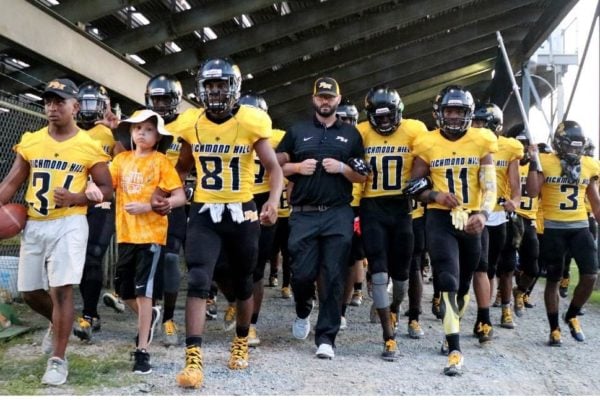
Building a legacy is a painstaking process that takes dedication, consistency, and time to accomplish. If a person meets an untimely death, that process is interrupted… or in the case of Sam Robb, it is picked up and carried by his family. By creating The Sam Robb Fund at CURE, the Robb family has ensured that Sam’s spirit and determination live on. Thanks to their tireless efforts, the Sam Robb Fund recently surpassed $1 million raised to fight childhood cancer in Sam’s memory. Although they have done the heavy lifting, the family credits many people for what has been accomplished.

“We are blessed with remarkable friends who consistently turn out and support the events enabling us to keep Sam’s spirit alive… and never forgotten,” said Sam’s father (also named Sam.) “We hope our efforts make a difference with future doctors and family support dealing with the impacts of childhood cancer.”

It all started with Sam.
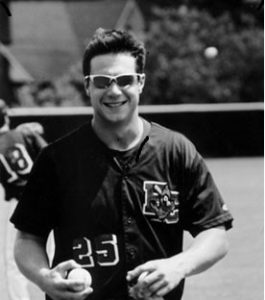
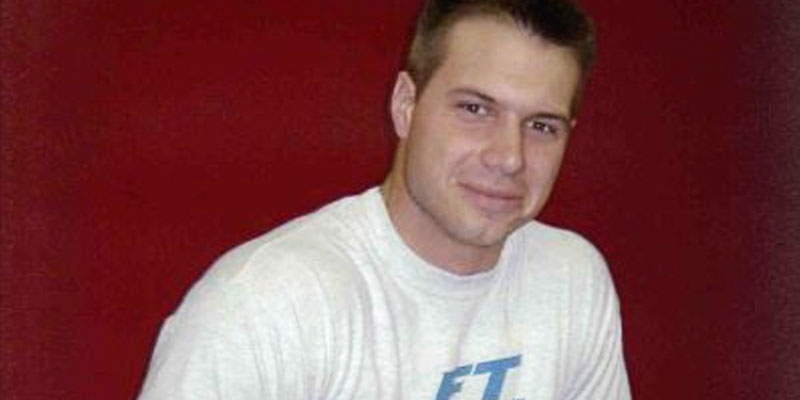
Sam was larger than life. As a sophomore in high school, he stood six feet five inches and weighed two hundred twenty-five pounds. He was a gifted athlete with a gregarious personality. When he was diagnosed with osteosarcoma, Sam tackled treatment just like he would an opponent on the field. Unfortunately, four years after treatment ended, he noticed that he got winded during exercise. Doctors discovered that Sam had relapsed with a tumor on his lung. Never one to give up, Sam created the mantra, “Fightin’ till the last breath!”

A number of nationally renowned doctors felt the surgery to remove the tumor was life-threatening. Refusing to live in fear, Sam sought out several opinions until he found a brave surgeon who agreed to go for the “long ball” and remove the tumor and a lung. Sam died during surgery.

Soon after his death, his family formed The Sam Robb Fund in an effort to cement his legacy and continue his tenacious fight against childhood cancer. Their original desire was two-fold: to fund a future oncologist’s fellowship training at the Emory School of Medicine (now named the Sam Robb Fellow), and to support CURE’s Open Arms Meal Program. In 2018, Sam’s family identified an area of great need and decided to move part of their fundraising efforts toward healing the emotional and psychosocial needs of patients and families in and after treatment through CURE’s Counseling Program.

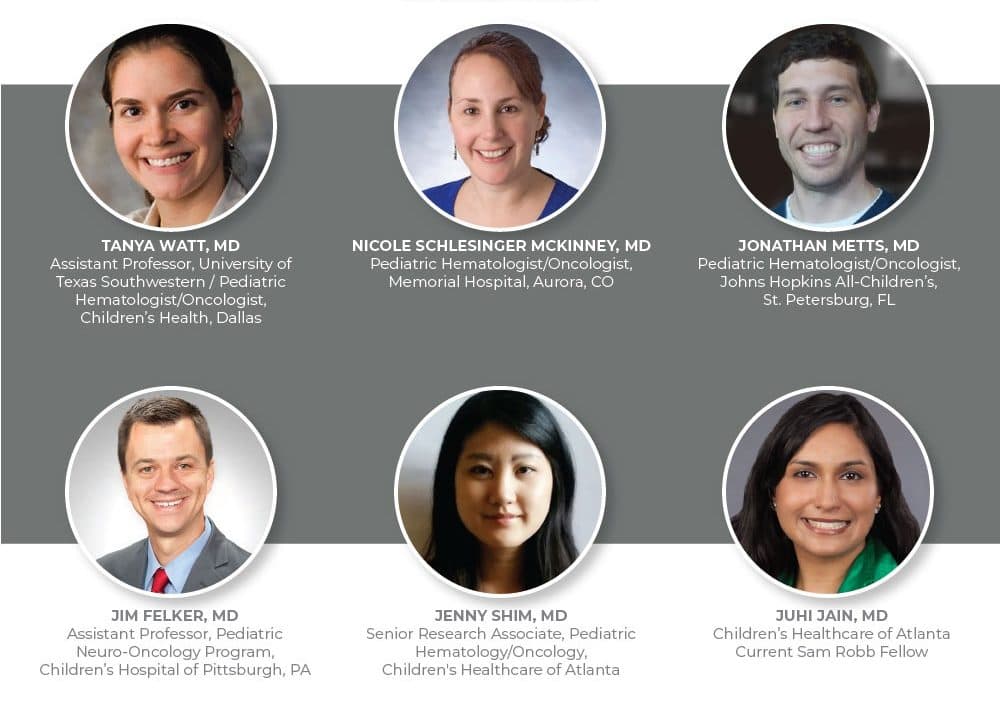
They continue to be committed to training fellows. In fact, 2019 saw the naming of the sixth Sam Robb Fellow, Dr. Juhi Jain. Former Sam Robb Fellows work in pediatric oncology in Dallas, Pittsburgh, Colorado,and Florida, as well as Atlanta. The funding provided by the Sam Robb Fund allows doctors working on their specialty to focus on their medical training without the burden of raising money.
 

The Sam Robb Fund raises money through various annual events – events that Sam would have enjoyed. Getting past the $1 million milestone is a testimony to the commitment and dedication of his family, friends, community, and volunteers who have poured their time and talent into building his legacy. And Sam’s legacy will continue to have an impact on children fighting cancer for a long time to come.

“13 years is a long time, and in today’s fast-paced world, it is easy for people to forget,” said Annamarie Robb, Sam’s mother. “Although we as a family don’t… and never will.”
 

A Tribute to Our Quiet Heroes Turns 15

Fifteen years ago, a story began unfolding in Atlanta. It was the story of two young boys fighting the same disease. It ended in triumph for one and tragedy for the other. There were many witnesses to this story, and one, in particular, could not sit idly by.

Chris Glavine (wife of Major League Baseball Hall-of-Famer, Tom Glavine) saw these boys fight cancer, and it set her into motion.

“The kid hadn’t done anything,” Chris said. “He was 6 years old. What had he done to deserve this disease?”

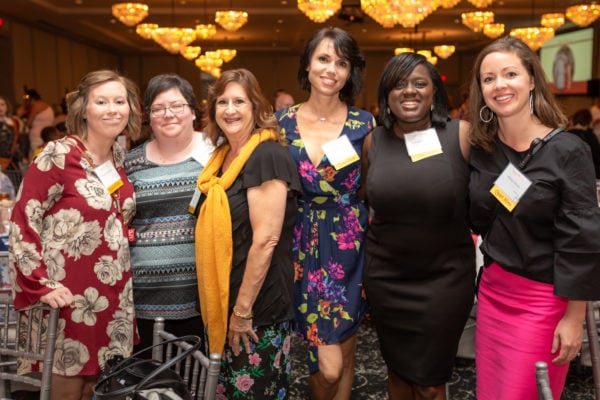
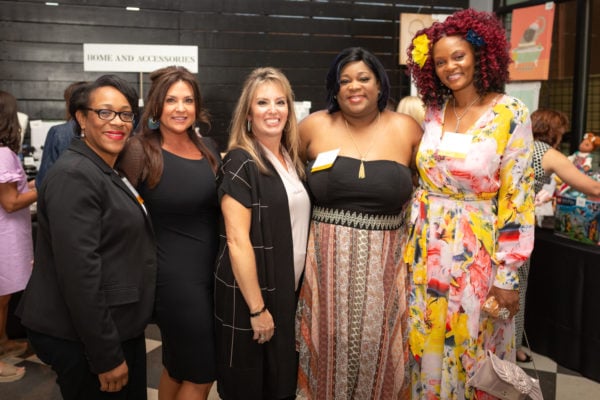
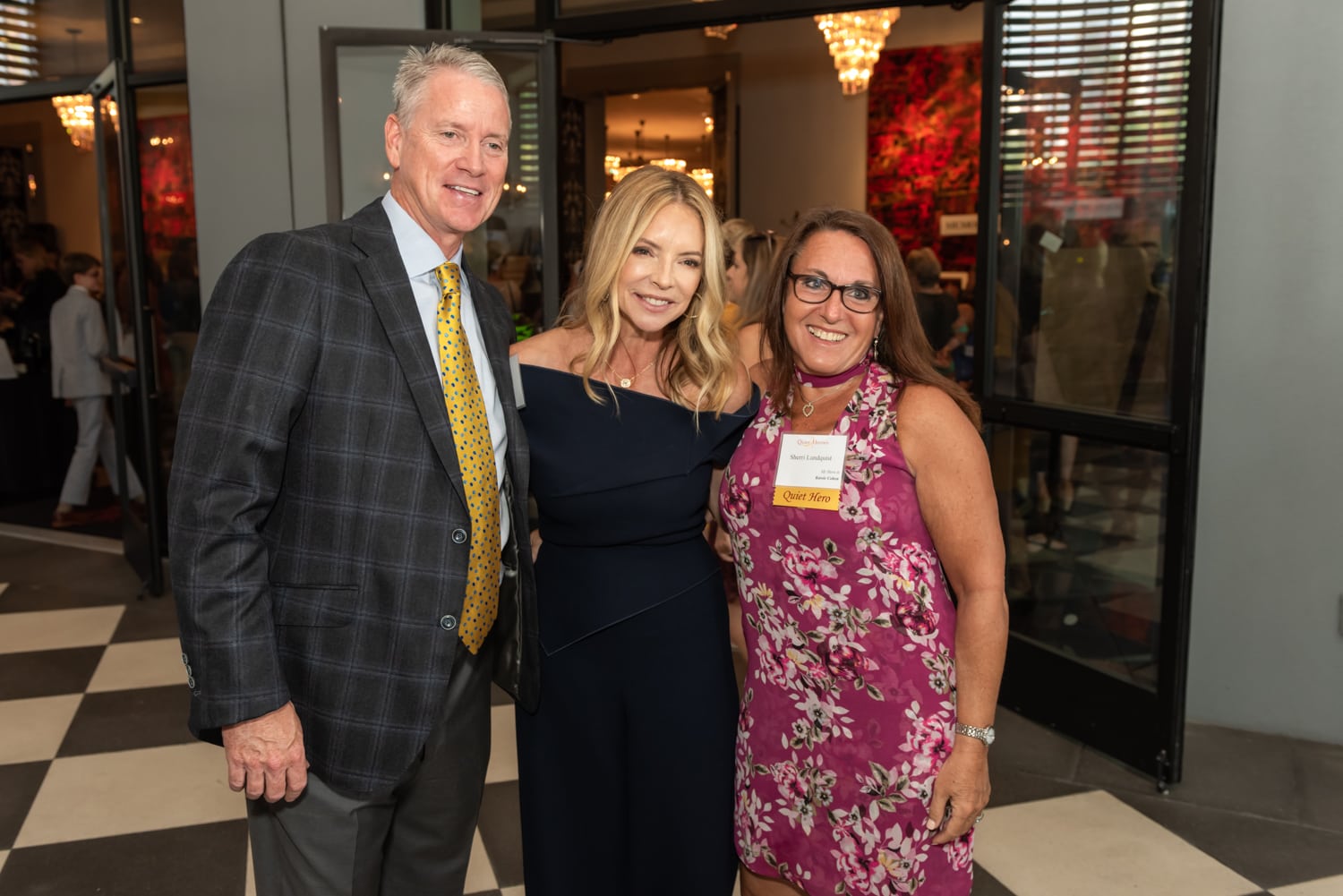
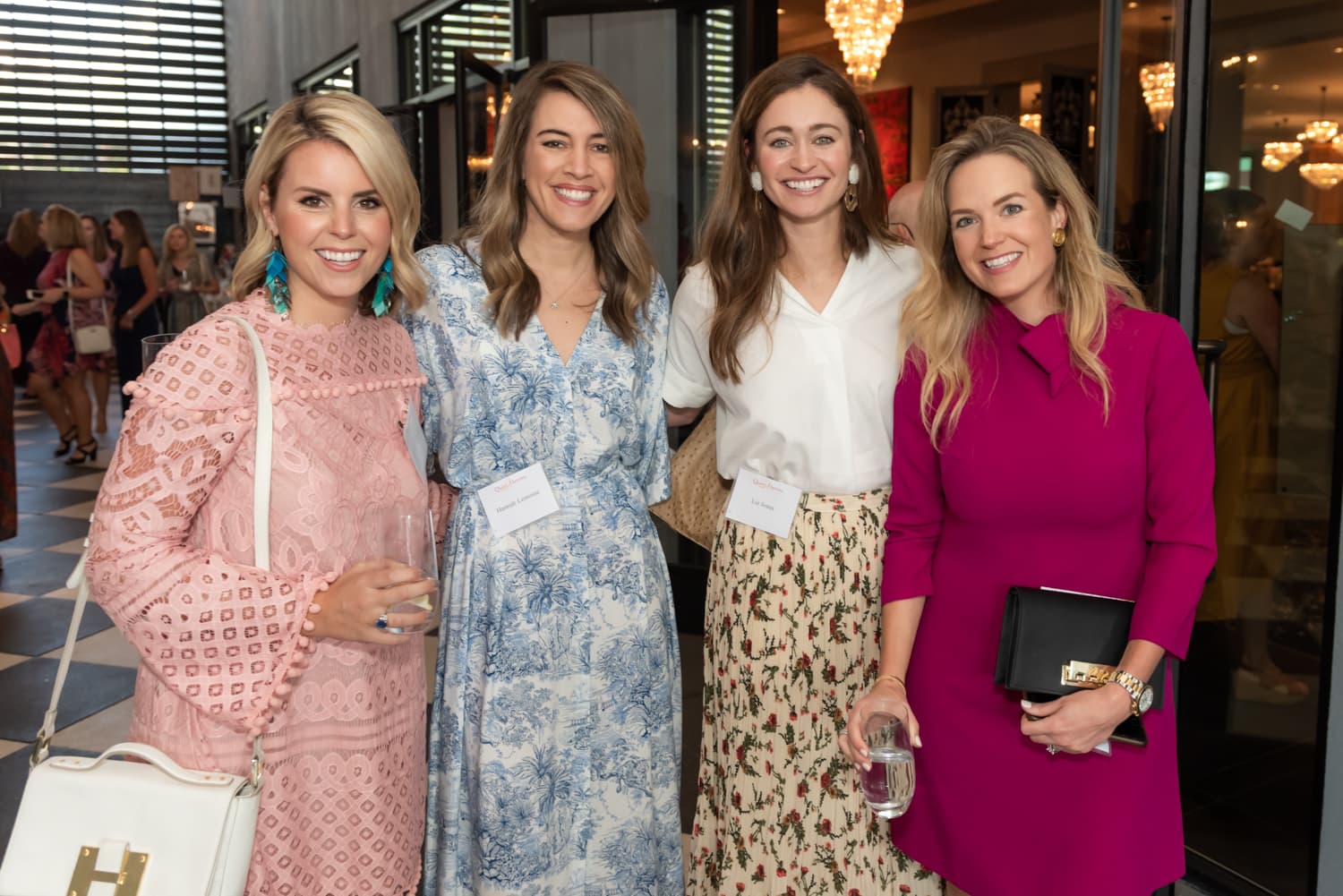
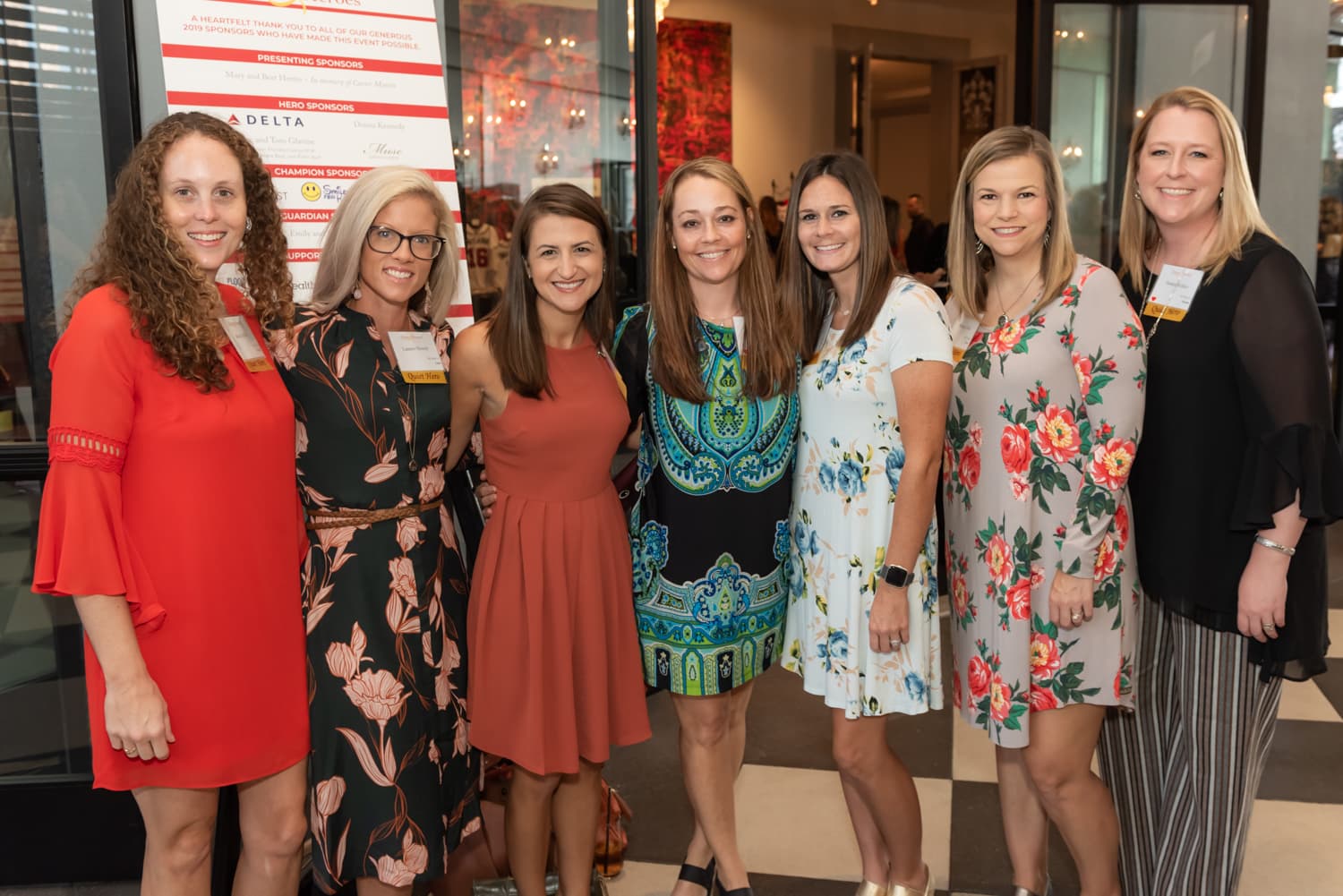
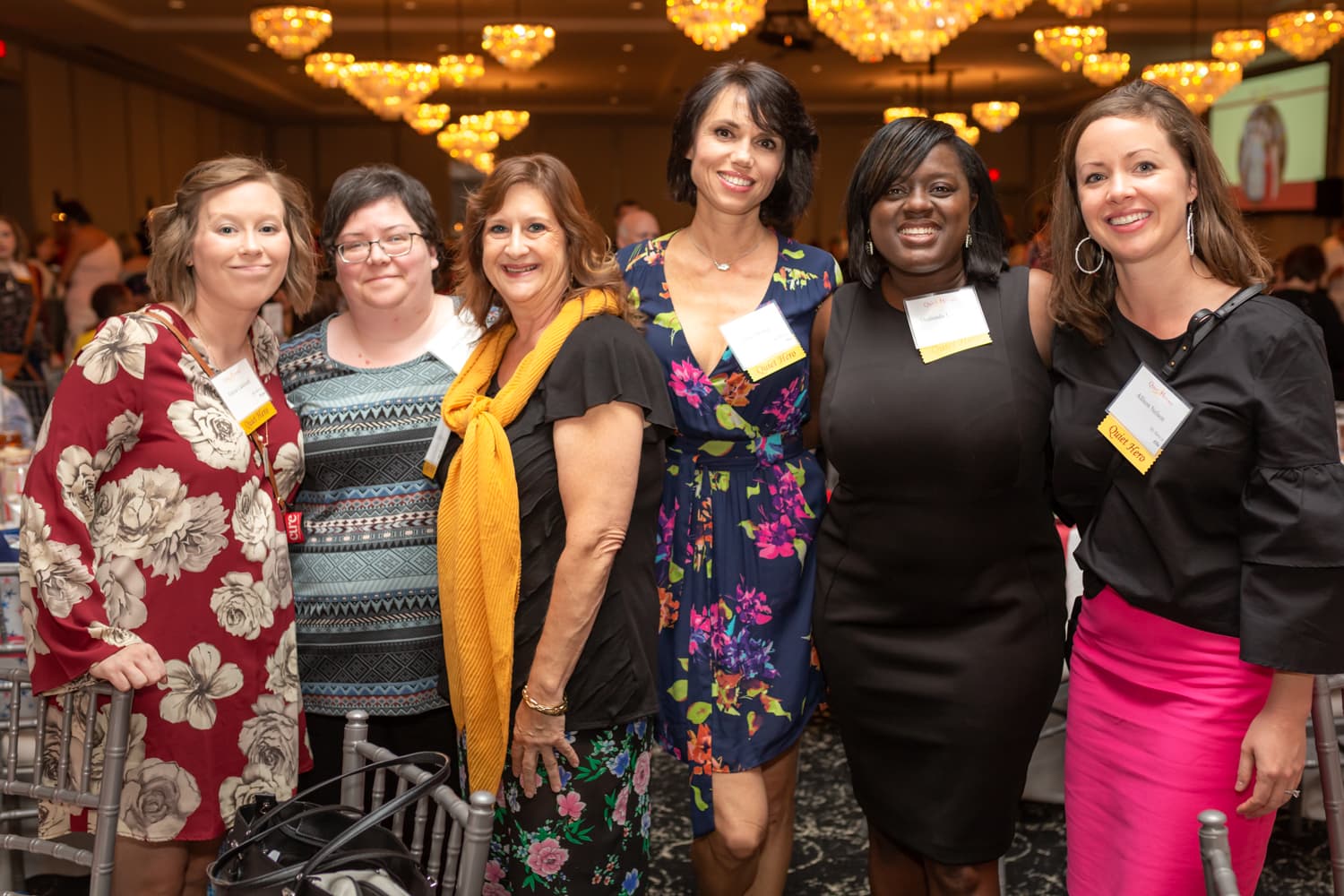
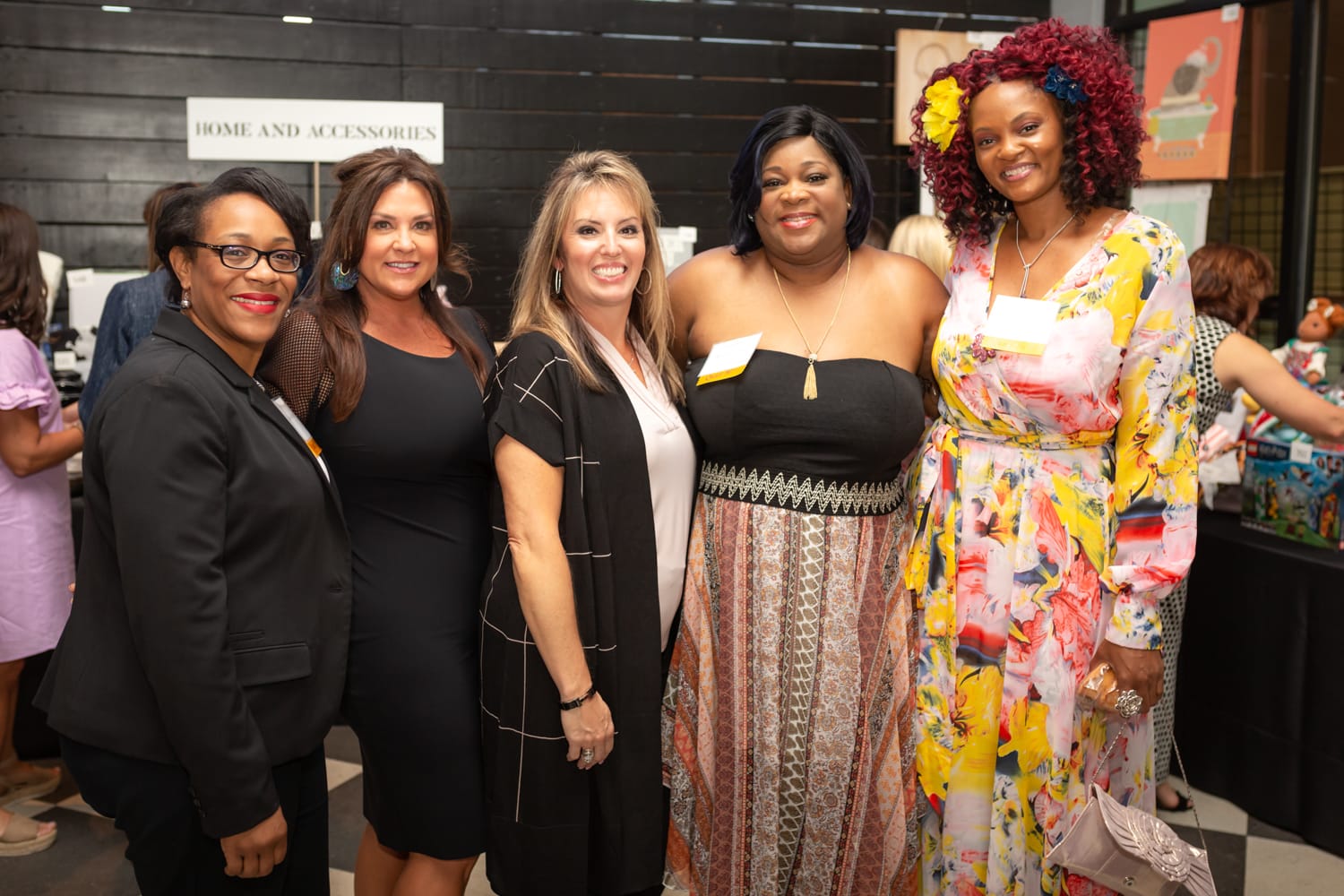
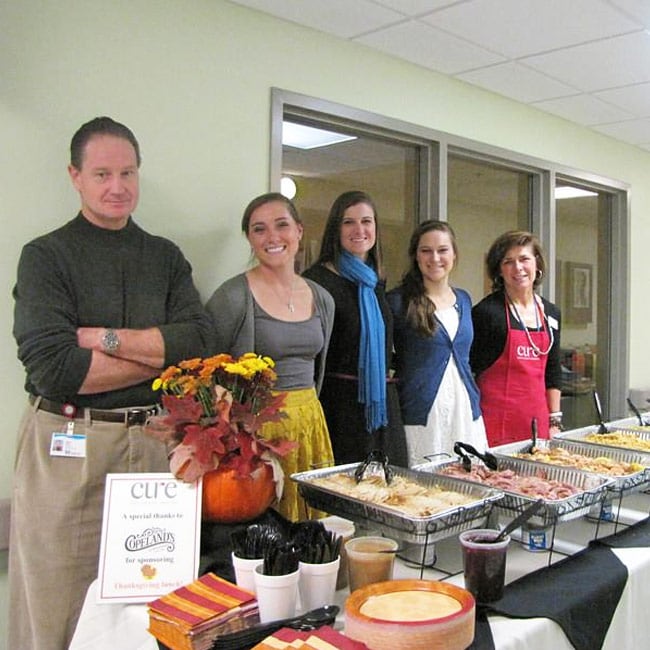
Chris began working with Kristin Connor of CURE and in 2005, she hosted the first “A Tribute to Our Quiet Heroes”. While the luncheon was intended to honor and encourage the women forced to lead their families through the unthinkable journey of childhood cancer, it also raised more than $100,000.

“Quiet Heroes was born out of desperation to do more,” Chris says. “Once we got involved, started following those boys, and saw how little was being done to find cures for children and how devastating it was for the families, we wanted to do something more about it.”

Since then, the event has drawn sell-out crowds year after year and has raised more than $5 million for pediatric cancer research. More than 3,000 mothers of children with cancer have been honored for their courage, strength, and determination.

The event has become an institution in the Atlanta childhood cancer community. The social media buzz begins to spread when invitations hit mailboxes, and women come from all over the state to spend time together away from the hospital.

“Some of these moms have only seen in each other in the hospital or the clinics,” Chris says. “It’s lovely to see them dress up and enjoy being pampered.”

There is great dedication required for an event to last fifteen years and continue to build momentum. It takes a host of volunteers – some of whom have been a part of Quiet Heroes since the first one back in 2005.

A very special 15th annual A Tribute to Our Quiet Heroes was held on September 28, 2019. It was a time to look back over the years and reflect on the sisterhood that has carried mothers through their journeys. This unique event not only encouraged the moms in attendance, it also raised $400,000 to fight childhood cancer.

“A Tribute to our Quiet Heroes is the mustard seed we planted 15 years ago,” said Chris. “The love, excitement, and dedication surrounding this special day is the same as the very first year. I am grateful to stand with so many people determined to give mothers of children with cancer a day to call their own. The icing on the cake is when we can raise money for the important work CURE does to eliminate childhood cancer.”

While moms enjoy being recognized and pampered at the event, they would all agree that eliminating childhood cancer is the greatest way to honor our Quiet Heroes.

To learn more about A Tribute to Our Quiet Heroes, visit quietheroes.org.

Lauren and Precision Medicine

When Lauren was only two years old, her parents noticed a lump in her abdomen and got the worst news imaginable. Their happy, beautiful baby was diagnosed with neuroblastoma – a pediatric cancer of the nervous system. They immediately entered a world of chemotherapy, radiation, surgery, and too many side effects to mention. But after several months, Lauren’s tumor shrunk, and she was declared cancer-free.

When her health improved, Lauren dreamed of being a cheerleader. She joined a competitive squad and even made her school team. She loved every practice, meet, and football game, and she worked very hard to be her best. At 15, she was primed for high school cheering until she began experiencing hip and leg pain that sidelined her. Being so active, a doctor suggested she had arthritis in her hips, so her first attempt at recovery was physical therapy.

The PT actually helped for a time, but the pain came back. In February 2017, an MRI revealed new lesions. Once again, neuroblastoma had invaded Lauren’s body. The cancer had spread to her bones, bone marrow, lung and pelvis. In all, the imaging indicated 28 spots that were likely active tumors.
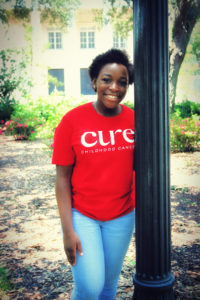
The first four cycles of chemotherapy stabilized the tumors but didn’t shrink them. Lauren moved on to immunotherapy, which is supposed to trigger the body’s immune system to attack the cancer cells. She spent alternating weeks in the hospital for more than a year. That treatment failed also.

Doctors next tried a form of treatment called MIBG therapy.

“MIBG made me very sick and uncomfortable,” Lauren recalled. “I had to stay by myself in a room with lead walls to contain the radiation. Even when I got out, I couldn’t be around people for two weeks so I wouldn’t expose them. We thought I might glow in the dark, but I never did.”

After the treatment, Lauren’s follow-up MRI showed 18 spots remaining. That was a good reduction, but not enough. Her doctor recommended that she undergo MIBG therapy again. Lauren remembered the tough side effects she experienced the first time and didn’t want to do it, but her mother talked her into it. The second round took her disease burden down to 14 spots. Because she has already received her lifetime maximum dosage of radiation, more MIBG therapy wasn’t possible.

Lauren had run out of treatment options.

When treatment options have been exhausted, there is little hope of survival. But through CURE’s funding of the Aflac Precision Medicine Program, doctors have a new tool in their toolkit. Lauren was enrolled in the program to see if there was a genetic reason her cancer was resisting treatment. Genetic testing revealed Lauren’s tumor had a genetic mutation for which there is a drug known to be effective. Lauren was immediately enrolled in a clinical trial for lorlatinib. She was given a single pill once a day, and after only four cycles, all bone metastases and bone marrow involvement had disappeared. Incredibly, the only tumor remaining at that time showed inactive.
Of course, Lauren was ecstatic with the results. She attended Spellman College in the fall of 2019. Unfortunately, Lauren’s cancer came back during her second semester and she succumbed to the disease in February 2020. While the gene therapy didn’t lead to an ultimate cure, it did afford her an extra year of joy and happiness as she pursued her dreams.

Despite the obstacles that cancer put in her way, she had an incredibly positive and hopeful attitude. Just before she passed away, she said,

“My cancer journey has made me realize that you have to live life to the fullest and never give up!”

Take the next step to support research that will help kids fighting cancer.

DONATE

What is Precision Medicine?

In 2017, CURE made an unprecedented $4.5 million commitment to the Aflac Cancer Center of Children’s Healthcare of Atlanta to launch the Aflac Precision Medicine Program (APMP). With this award, the Aflac Cancer Center would become one of only a small handful of pediatric cancer centers nationwide able to offer this cutting-edge treatment approach to children with cancer.

An easy way to understand precision medicine is to think of it as “personalized medicine.” Although we know that every child is unique, today’s childhood cancer treatment does not take into account the genetic differences of each child. Rather, a child’s cancer is treated according to disease type. But often, children with the same type of cancer respond differently to the same treatment. A chemotherapy which is effective for some may fail altogether for others because of the genetic differences at play. That is where personalized medicine comes in.

Over the past twenty years science has made incredible leaps in discovery by finding what is referred to as genetic barcodes – our DNA and RNA. We now understand what healthy cells look like and can often find triggers or markers in a tumor where something went wrong with a gene. By locating and isolating that problem and finding chemotherapies or other treatments proven effective against the genetic problem, doctors hope to improve survival while also minimizing exposures to toxic treatments which are not likely to work.

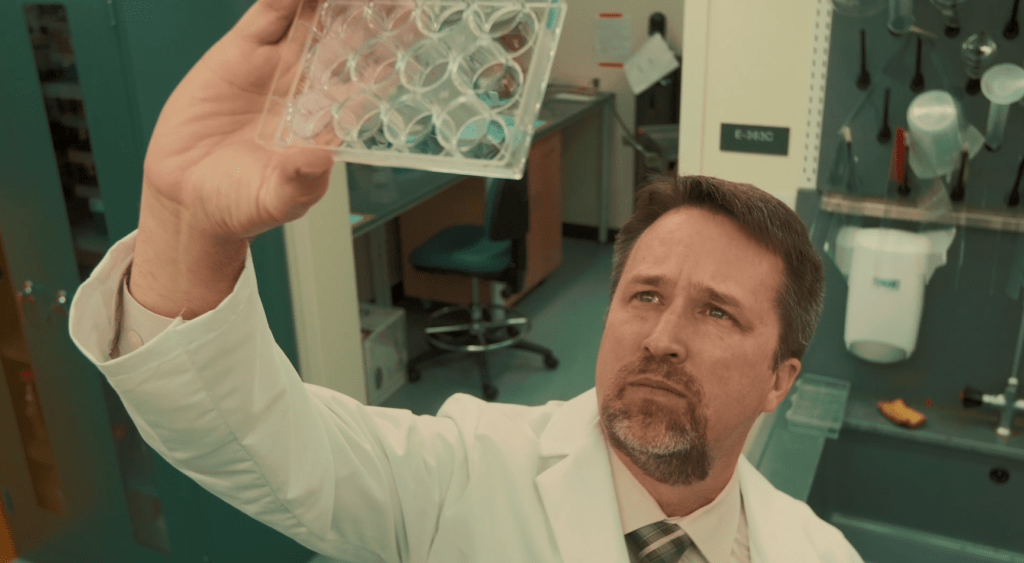
“There are really four outcomes when we look at genetic information taken from a child’s tumor,” explains Dr. Douglas Graham, Director of the Aflac Cancer Center. “The first is the perfect storm – we find a target that has a drug which is known to be effective against it and that drug is approved for children. We also may find a target with a matching drug that is not approved for children and would have to petition for access. The other options are not as optimistic. We may find a target with no drug known to work against it or we may find no target at all.”Scientist examining samples in a laboratory for childhood cancer research.

The first step in the process is getting the child’s genetic information. Since July 2018, CURE has funded the genetic sequencing of more than 200 children with high risk or refractory cancers who would not have otherwise received the sequencing through another source.

 For 78% of the children sequenced, their treatment was impacted by the genetic information obtained!

CURE Childhood Cancer remains determined that precision medicine is one of the most promising methods for improving survival rates in children. And we steadfastly believe that our children deserve the best and safest options available.

A New Name, Same Impactful Event

Dear friends,

When we think about all of the good that’s been done by those in our community of friends and neighbors through Catie’s Fund over the last twelve and a half years, we’re at a loss for words. You guys have blown us away time after time with your generosity and your heart for kids battling cancer. We are so grateful for each and every one of you and all you have done. You’ve helped us grow and you’ve helped increase the impact we’re able to have.

In fact, you’ve helped us grow so much that changes are ahead for our signature events. Many of you know that our Sisters on a Journey dinners have been a huge success in the communities in which they’re held. Friends and neighbors have gathered together to enjoy a wonderful evening in their community and to make a difference in the fight against childhood cancer. These events have grown so much that it’s time for a change.

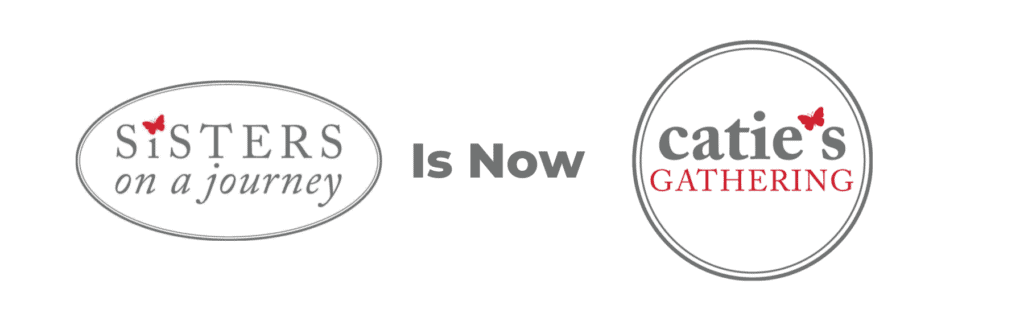
We feel that the use of the word sisters in Sisters on a Journey limits us a bit. While these events still have many more women than men in attendance, we don’t ever want to limit interest and participation because of a name. To that end we have brainstormed for many months about a name that would feel more inclusive. We considered and tossed out well over 100 names and have settled on Catie’s Gathering.

To us, the name conjures up an image of a community coming around the table for a good cause – which is exactly what makes these events work. And, there weren’t many things that Catie loved more than gathering with the people she loved most – often with peanuts around the fire pit, at the beach, at home, or wherever her people happened to be.

To encourage continuity between old and new, the Catie’s Gathering logo was designed to mirror the look of the existing Catie’s Fund logo. The designs will also help folks who don’t yet know us see the relationship between Catie’s Fund and Catie’s Gathering. We are truly excited about this change and would love your support as we make the transition.

We’re also hoping to continue growing Catie’s Gathering to new locations and communities. This event is a blast and is easy to reproduce. If you’re interested, please reach out and let us know. You can email us at [email protected] . For more information on Catie’s Gathering, visit www.catiesgathering.org .
 

Ever so gratefully,

Tre’, Jenny, Izzy, and Chip

Climb to a Million

Although it was one of the hottest days of the year, the 4th annual Lendmark Climb to a Million went off without a hitch. Even the heat didn’t deter hundreds of employees, friends, and family members from walking, running, and climbing at the Oconee County High School track.

The event was inspired by Chip Madren, and was held on the 9th anniversary of his brain tumor diagnosis. Bobby Aiken, CEO of Lendmark Financial, has been friends with Chip’s father since childhood and created the Climb to a Million as a way to combine his love of stadium running with a fundraiser that would engaging his company’s employees, partners, and vendors in the fight against childhood cancer.

Events, fundraisers, and smaller climbs were held throughout the country by Lendmark employees. Through their combined efforts, the Climb to a Million raised an amazing $552,000 to advance CURE’s Precision Medicine Initiative. This pushes the total amount to $1.8 million and helps CURE move the needle in bringing advanced treatment options to children fighting cancer.

“We are inspired by Lendmark and their incredible commitment to make a difference in the lives of children with cancer,” said CURE’s Executive Director, Kristin Connor. “They saw a problem and set out to fix it in a creative and fun way. Their energy and passion is contagious!”

Read more about Lendmark on their website

Lendmark CEO, Bobby Aiken and Chip Madren before the Climb

Gold-out Games for CURE

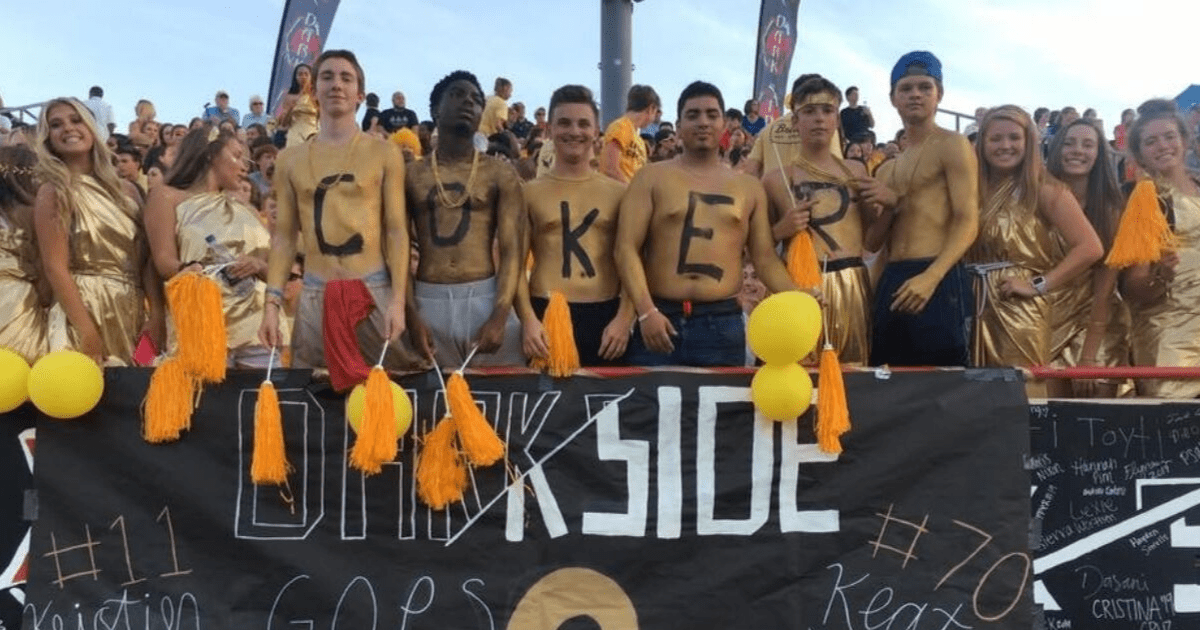
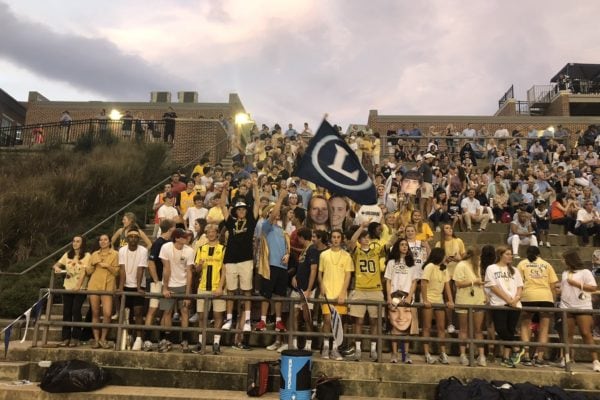
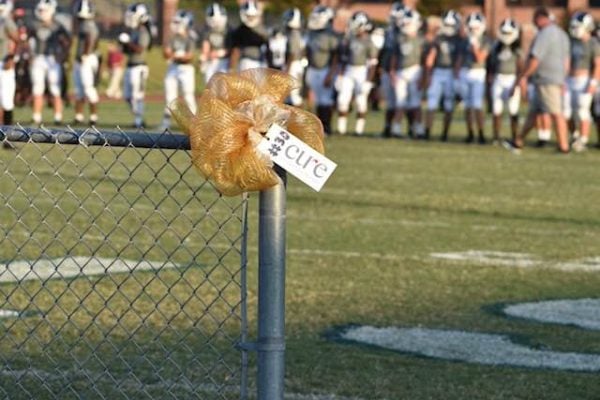
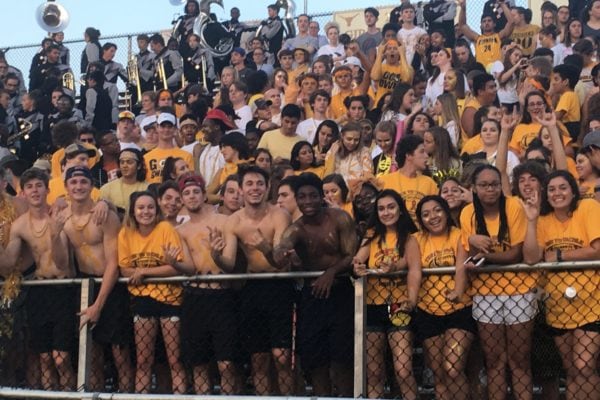
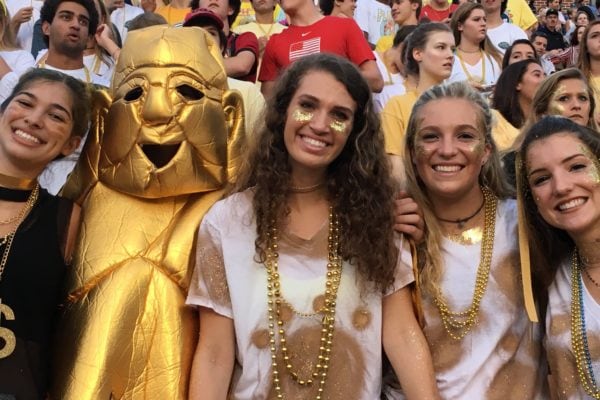
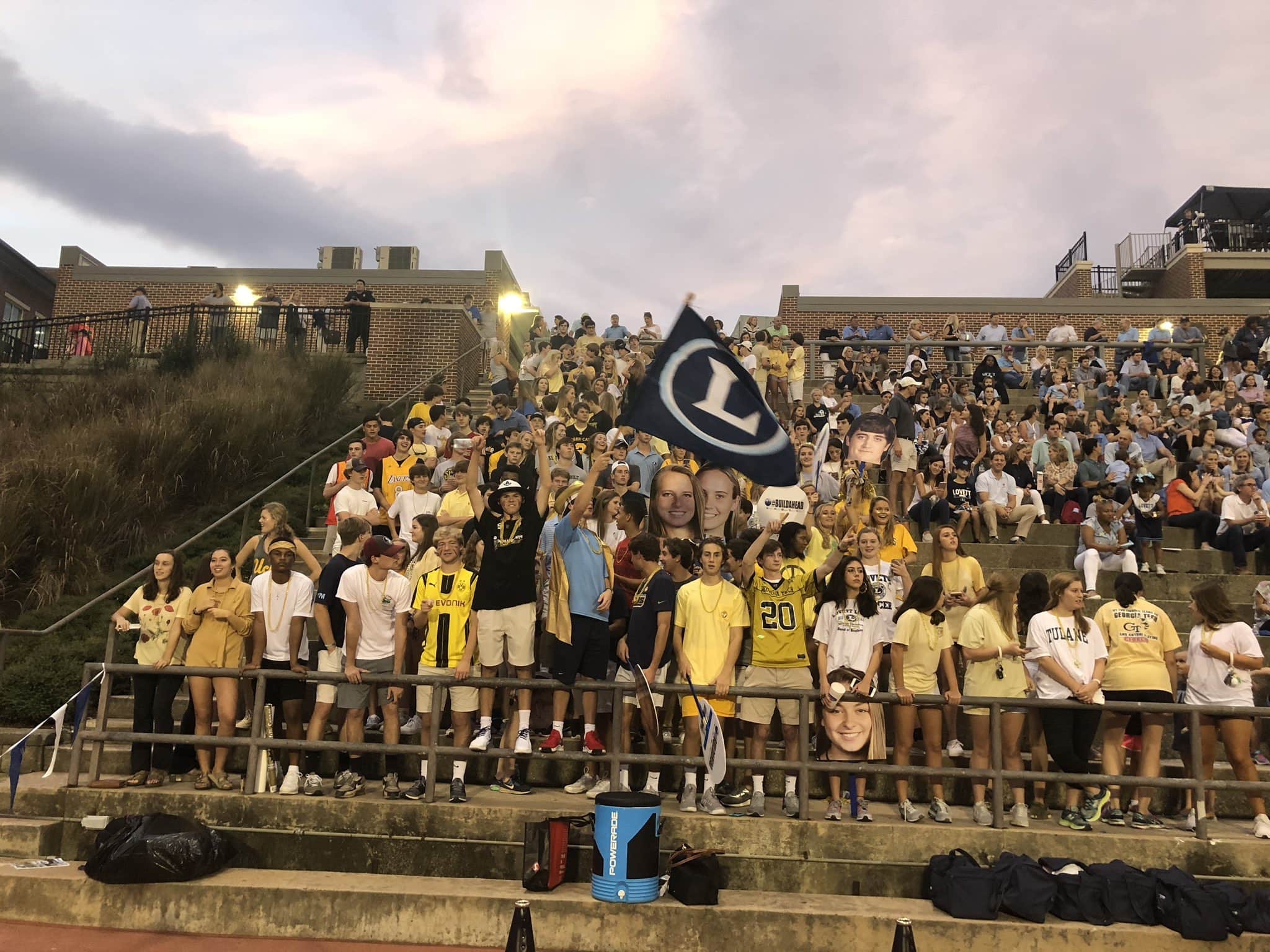
Today’s high school and college students fall into a new classification called Generation Z. As they enter the workforce, this generation is proving to possess a big passion for social change. They want to make a difference. With September coming close, a Gold-Out Game is the perfect way to allow them to support an important cause.

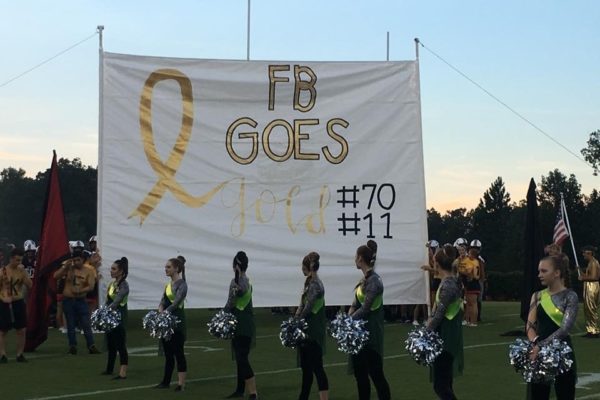
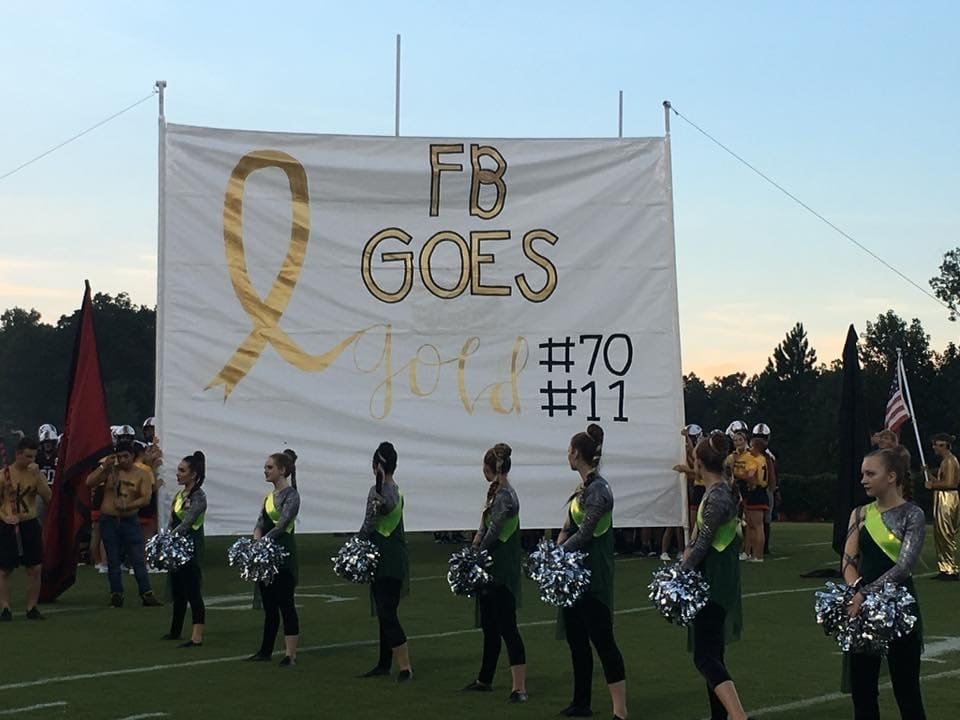
That’s what Lauren Howell found. Her son, Liam, was born with a tumor on his spine and, after treatment, has been a survivor for eleven years. While teaching at Flowery Branch High School, she looked for a way to get students involved and created a framework any school can use to raise money for childhood cancer research.

“It all starts with a story,” Lauren said. “Almost every high school will have a survivor or student fighting cancer. They just need to be willing to share it. Kids want to be a part of doing something good and channeling their energy into helping fight childhood cancer is great for the students and the school.”

Lauren facilitates her Peer Leadership class as they go through the process of planning and executing their Gold Out Game. She points to three things that have helped Flowery Branch succeed:

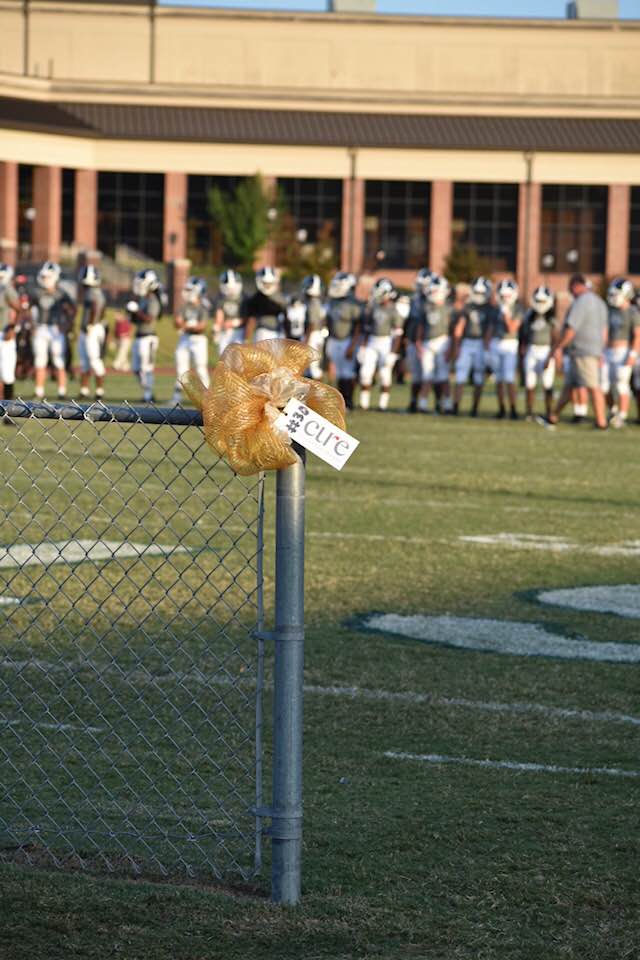
  1. Turn the campus gold with balloons, signs, t-shirts, etc. Every game has a theme – ask the kids to wear gold and promote competitions between classes.
  2. Make it personal. Identify local children and if they are willing, share their stories through pictures, signs, and bring them on the field for special recognition if possible.
  3. Get feeder schools involved. Middle and elementary schools love to participate in such events.

The key is to start early and plan. Even if you don’t have a class to take on the project, a small group of properly motivated student leaders can drive great results.

Would you like to start a gold-out game at your high school? Our High School Toolkit has all the tools you will need for your school’s September gold-out game! From posters and stickers you can print to childhood cancer facts for half-time announcements, these items will make your September plans special and impactful. Click HERE to get started.

Lightning Strikes Twice

The similarities between a thunderstorm and childhood cancer are striking. They both come suddenly, wreak havoc, and can leave a trail of destruction behind them. While we know that it is very rare for lightening to strike twice in the same place, it isn’t impossible. Lake Maracaibo in Venezuela averages 28 lightning strikes a minute during the driest part of the year. Imagine how many times it hits the same place there! Since childhood cancer is considered as rare as a lightning strike, most people won’t ever face this fight once. Shockingly, Alyssa Barton got struck twice.

Her first fight began when her daughter, Maia, started experiencing random pains, losing weight, and began having trouble breathing. After she collapsed at home, Alyssa found the answer to Maia’s symptoms in the emergency room: b-cell leukemia.

“There were bumps in her treatment at first.” Alyssa recalled. “She had to relearn how to walk due to severe pain in her body and she was in physical therapy for months. But after that she was a textbook patient. She was rarely in the hospital and got to go to school every day.”

Maia remembers the road being a long one, but she’s made it to the other side. She is now twenty-one and ready to start her senior year at the University of Colorado.

“My cancer story seemed ordinary through my eyes,” Maia explained. “But last August I found out that my sister, Ariana, was diagnosed with leukemia as well. That makes my story a little different.”

Ariana’s path to diagnosis was quite different than her sister’s. She began noticing excessive bruising on her legs. Her wellness physical showed nothing abnormal, but the bruising persisted. She was about to go on a trip to Israel when Alyssa saw her legs and scheduled a quick doctor’s appointment to check things out before leaving. That is when she learned that cancer had indeed struck again.

“Nothing presented the same way as Maia’s cancer,” said Alyssa. “So I never expected to be back on the oncology floor again. I thought it might be mono, but cancer was the last thing on my radar.”

Ariana’s treatment experience has been the exact opposite of Maia’s. She has had prolonged hospital stays, experienced sickness and nausea, and had several complications. She has suffered emotionally as watched all of her friends leave for college while she had to stay at home and defer her freshman year. She’s doing better now and has managed to find a silver lining in it all.

“My silver lining is defined by the unbreakable bond I developed with my parents as we grew even closer during this past year,” she shared. “I realized I loved them more than anything in the world. I have also found a confidence in myself that I never knew I had.”

Ariana still has over a year of treatment remaining, but she will be doing it in Colorado with her sister as she starts the freshman year that cancer delayed. She’s ready to go and excited about what the future holds. Both of these amazing young ladies have fought their cancers and have now decided to fight for other children through September’s CURE’s Kids Fight Cancer One Day at a Time. Each sister wrote her own story to share in the hopes of raising money to fund better cures for children with cancer. The entire family is committed to making a difference in the fight.
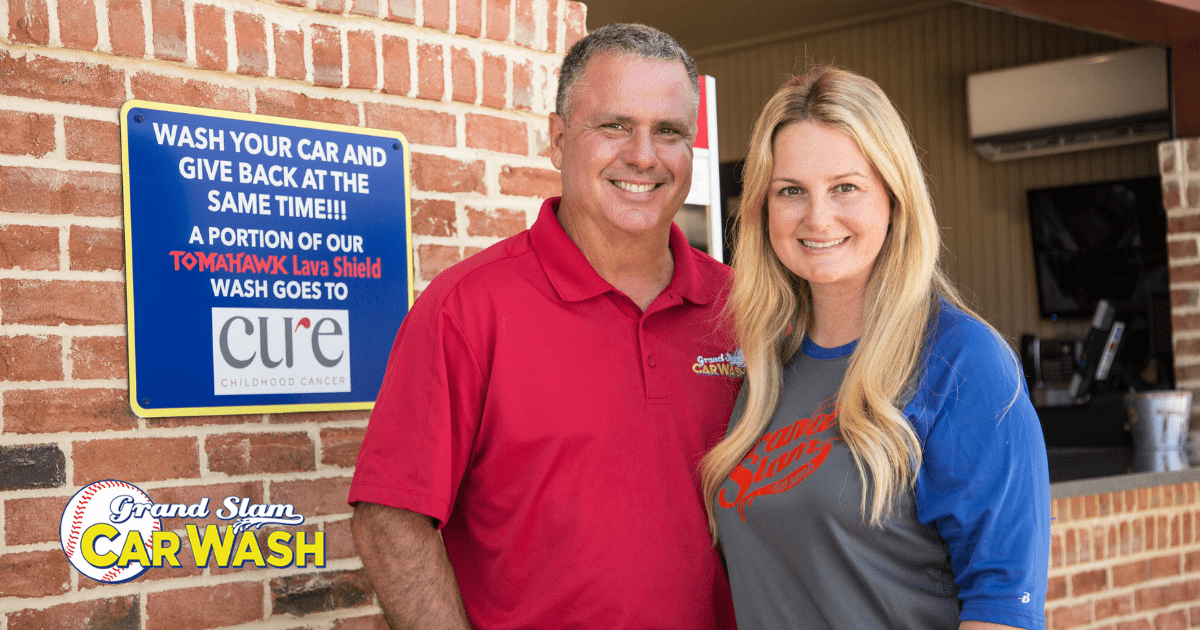
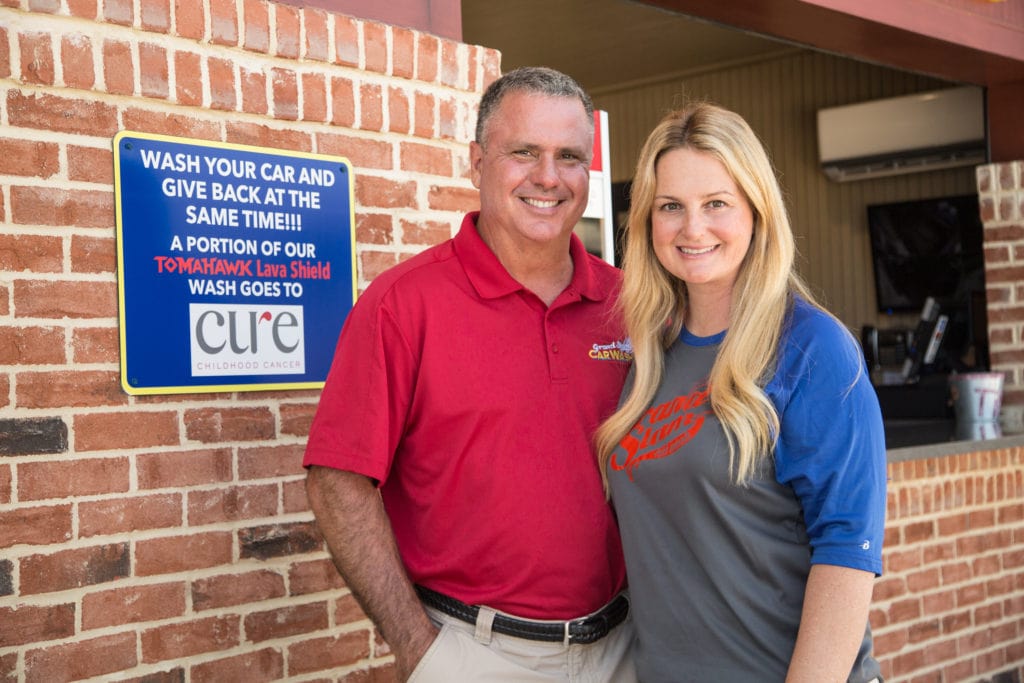
“Watching your child go through cancer treatment changes you and watching two of them changes you forever,” Alyssa said. “In this day and age, there should be better treatments. There just should. We’re talking about our kids and we need to step up and take care of them.”

CURE believes that also. Every day in September we will be sharing stories of amazing heroes like Ariana and Maia with the hopes of raising awareness of the issues and raising money to fund the research that will make a difference for all children. Will you make it a point to join us and read to these stories? Together we can make a difference in the lives of children.

Businesses Go Gold for CURE

Ralph Black knows a thing or two about washing cars. He also knows about pediatric cancer because he’s been there with his son, Trey. Trey was born with a rare genetic disorder called MSUD, which inhibits his body’s ability to process proteins. The first year of Trey’s life was filled with doctors, hospitals, and more than a couple brushes with death.

But as things finally began to stabilize, Trey was diagnosed with leukemia. Because he was the first known case of a child having MSUD and cancer, doctors didn’t know exactly how to treat him.

“There was a balancing act,” Ralph said. “He had a terrible reaction to chemo at the start, and we thought we were going to lose him. Slowly, the doctors figured out how to give him enough chemo to treat the cancer without it being too much for his system. But we stayed in the hospital for four long months in the beginning.”

Trey finally got to remission and slowly started to grow up and get healthy. But his treatment has led to challenges. Their family’s experience with cancer would impact Ralph as he built his car wash.

“I always wanted to give back, and CURE was the perfect way,” explained Ralph. “We were there. We know how hard childhood cancer is on a family. While finding a cure for the disease is critical, helping families is important
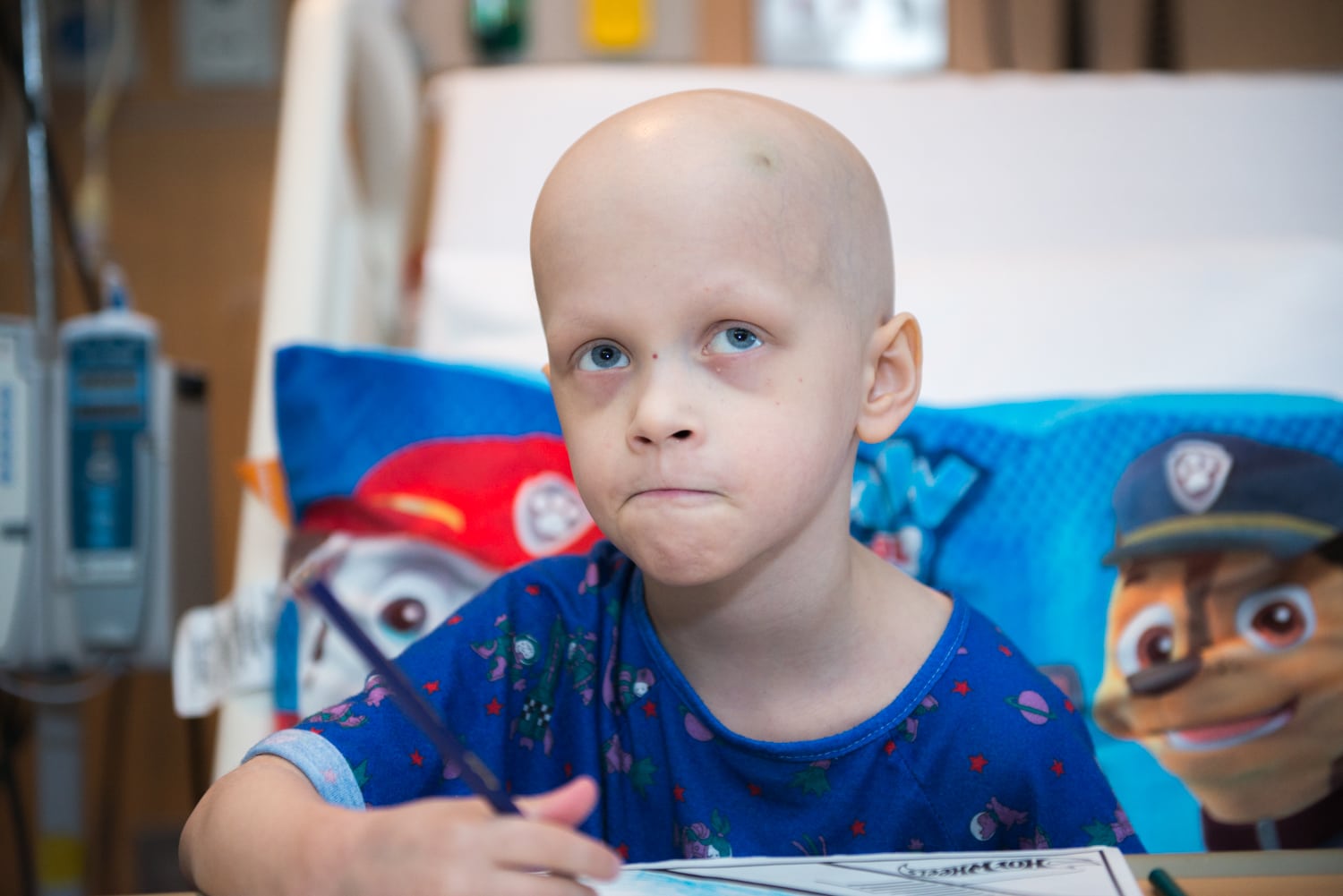
to us, and CURE does that.”

Grand Slam Car Wash in Cumming donates a portion of the proceeds of their Tomahawk Lava Shield Wash  to CURE. They have also sponsored CURE events and will Go Gold with CURE in September. They encourage other businesses to get on board this September and share this important issue – children fighting cancer – with customers and employees. It’s good for business, and it’s good for kids with cancer.

If you would like more information about how your business can make a difference for kids fighting cancer, you can email Hannah McIntosh or fill out the form below. We would love to work with you.

Support CURE in September

All over the country, hundreds of businesses and schools host Gold Out events, spirit nights, denim days, percentage nights, and many other fundraisers to support CURE in September. It’s never too early to start planning a September fundraiser. CURE’s commitment to our community is to help you publicize your event to maximize its impact. If you would like more information or have an idea you would like to pursue, please contact us through the form below:

  • This field is for validation purposes and should be left unchanged.

A Return to School

When your child receives a diagnosis of cancer, a return to school can happen at any time during the year and can become either a welcome return to normalcy or a cause of stress. Both responses are normal. Some children welcome going back to school. For them it may symbolize that they have a future and they are finally “normal” again. Other children may struggle with anxiety. They may be concerned about whether others will accept them, tease them, or ask tough questions.

In order to prepare for this return to school, families should:

PLAN AHEAD

Far in advance, communicate with your child’s care team about possible time frames for a return to the classroom. Find out what they typically recommend to aid with school re-entry. For example, they may suggest your child return to school for only half-days at first until he builds up his strength.

DISCUSS SCHOOL RE-ENTRY WITH YOUR CHILD’S SCHOOL

Once you have a date and a strong understanding of your child’s needs, reach out to the principal of your child’s school. Ask to speak to your child’s teachers, the school nurse, and/or the school counselor/psychologist, and anyone else involved in helping your child reestablish a school routine. Be sure they understand your child’s cancer experience and treatment, discuss your child’s physical, emotional and academic limitations and discuss how the  school  will educate other children in your child’s class/grade to prepare them for your child’s return.

PLAN A SCHOOL VISIT

Depending on the length of time your child has been absent and the physical changes she has experienced, it may be helpful to plan a visit to the classroom before your child returns to school. After the teachers/counselors have prepared students for your child’s return, consider whether it would be helpful to visit and read a book about cancer, play a game and/or bring a treat for students in your child’s classroom.

MAKE SURE THE SCHOOL IS PREPARED

Provide the school with your child’s medications along with instructions for their administration. Include medications your child must avoid. Give the school a list of potential problems to watch for and when to contact you. Make sure the school has current and updated emergency contact information and instructions. Request a 504 plan for special accommodations if appropriate. And finally, ask that the school treat your child as normally as possible except for areas of special need.

PREPARE YOURSELF FOR YOUR CHILD’S RETURN TO SCHOOL

It is important to recognize that your child’s return to school may be as hard, if not harder, on you than it is on your child. Worry about infections, falling behind in school work and being teased by other children can all cause anxiety in parents. If you are having a hard time managing your emotions, if you are feeling overwhelmed and irritable, and/or if you are crying often, you may benefit from speaking with a counselor about ways to improve and manage your anxiety and fears.

PREPARE YOUR CHILD FOR QUESTIONS FROM OTHER STUDENTS

Children will manage better if they know what to expect. Let them know that other children may not know much about cancer and may ask questions like “can I catch cancer from you?” Coach your child on how he would like to answer questions. Also, let your child know that he does not have to answer every question and can refer questions to the teacher.

MONITOR YOUR CHILD’S ACADEMIC CAPABILITES

If your child is struggling to catch up or keep up at school upon returning, quickly request a meeting with the teacher to discuss the appropriateness of a 504 or Individual Educational Plan (IEP). Children can exhibit a lack of focus, a decrease in the ability to remember and difficulty completing tasks after cancer treatment. They may struggle in social situations with friends and/or develop learning disabilities. A 504 or IEP plan is negotiated by parents and teachers to set appropriate educational goals for a child with physical, emotional, or learning struggles. Such a plan can make school more successful for your child.


Remember that returning to school, although potentially hard for both you and your child, is a step towards recovery. It is a chance for your child to return to a normal life and may help to reestablish a sense of hope for everyone.


By Carleen Newsome, LPC, CPCS, ACS


How You Can Help When There is Nothing to Say

These final thoughts didn’t necessarily fit under what to say or what not to say, but I think there is some worthwhile information that might help you tangibly support a friend whose child has been diagnosed with cancer and possibly other long term illnesses. I present them in no specific order:

  1. Every child going through treatment for cancer should have an iPad. I know it sounds crazy and utterly first-world, but I don’t know how Kylie would have gotten through the boring days in the hospital without it.
  2. Texting was the best way to ensure a message got to us. In the hospital, our phones were always on silent to help her rest. We rarely picked up a call.
  3. In the early days, we weren’t very keen on surprise visits because Kylie’s pain and sickness were extremely unpredictable. I’m sure that varies from patient to patient, but we preferred a text first.
  4. Help with siblings. This falls under the action part of love, but it spoke volumes to us in the early stages of diagnosis and treatment. It was so hard to balance our need to be with Kylie with the needs of her sisters. Friends grabbed them and took them to dinner, movies, and sleepovers. It was a great relief to know they were not only provided for but having fun as well.
  5. Most families going through treatment need some level of financial support or have a fear of the unknown. If you can help, that takes an added pressure off. It doesn’t seem like much, but a card with a $20 bill in it makes you feel better when the rest of the mail is hospital bills.
  6. We were fortunate to have good insurance, but the costs that seemed to get very large were prescriptions and gas. If you prefer not to give cash, gas cards, or gift cards to grocery stores with a pharmacy are particularly helpful. We also got a lot of restaurant gift cards and they were wonderful to have on hand for our other children – who could use them when we had long days at the hospital.
  7. There is a large community of support for children fighting cancer and Kylie received things in the mail nearly every day. If your heart goes out to a cancer patient and you want to help, please understand that you will most likely never receive a thank you. We are good Southerners and it went against every bit of manners we’ve been taught, but we were just too overwhelmed to send out thank you cards.
  8. We read everything – every note, letter, and comment on Caringbridge, Facebook, and Instagram. I assure you that your words matter and comfort. Also, if you are letting kids send letters to a cancer patient, proof-read them first. Kylie got a couple from children who said things like, “it won’t be so bad if you die because you’ll be with Jesus.” We knew they were sincerely hoping to comfort Kylie, but that was not what she needed to hear. We screened all her mail after that.

There are a lot of things you can do to help your friend appropriately. During this time of upheaval, it may take a little more forethought. But help is needed and appreciated.