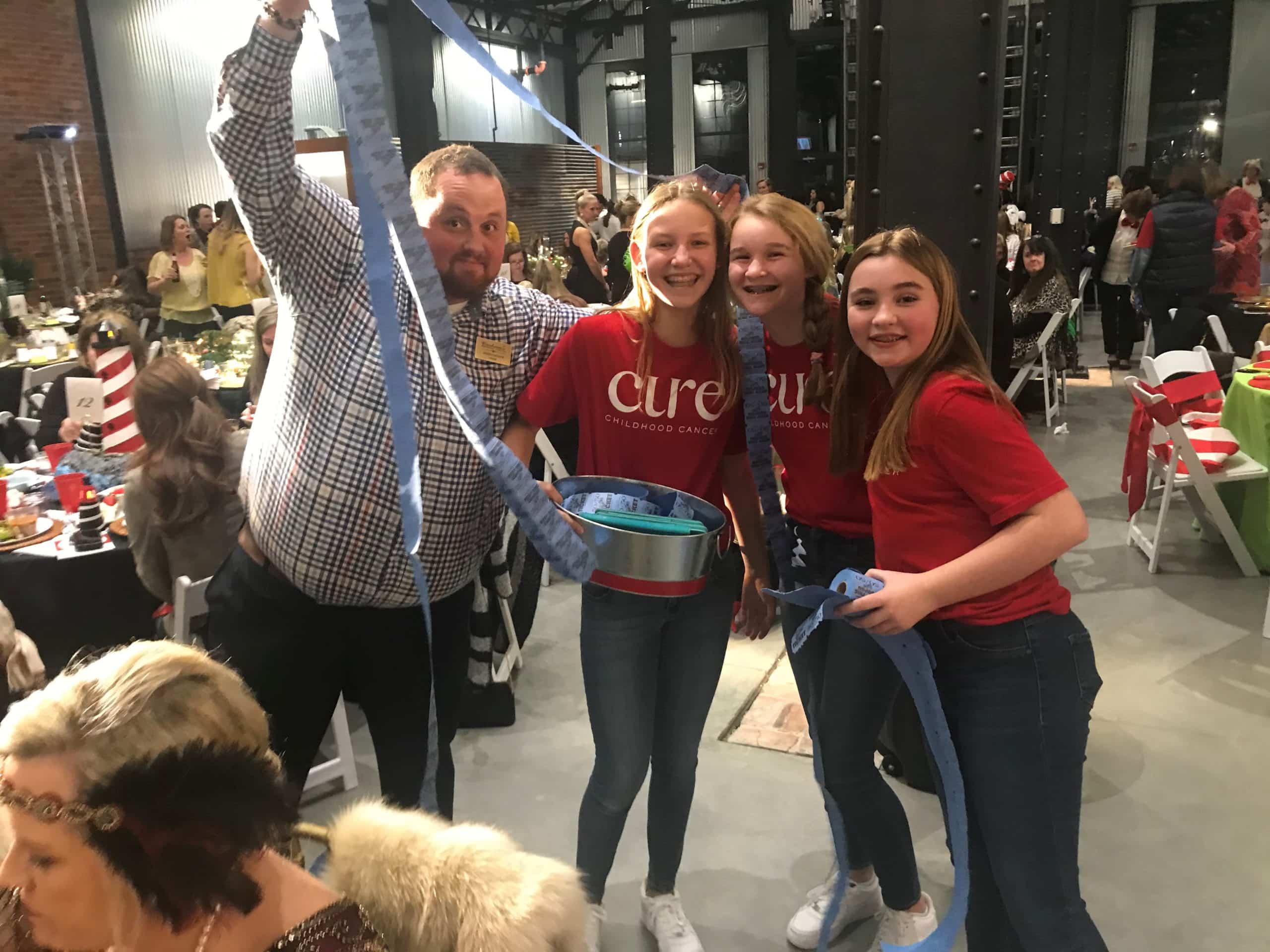
Savannah’s Catie’s Gathering 2020

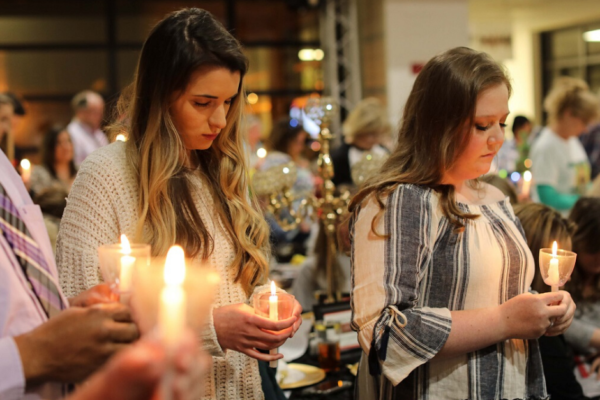
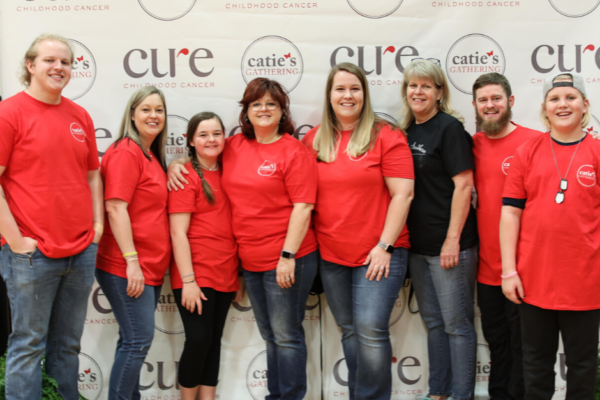
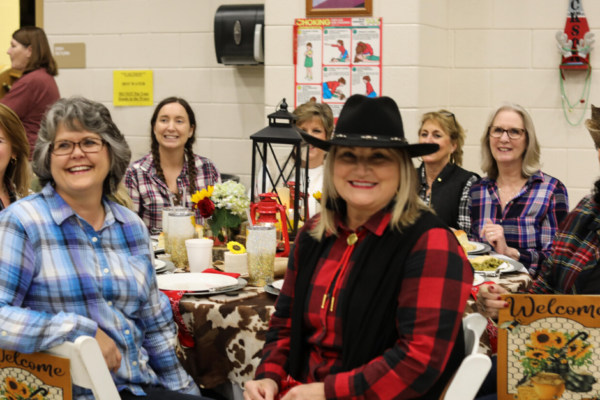
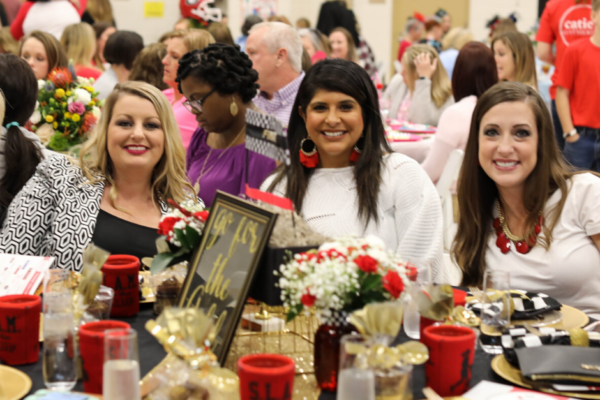
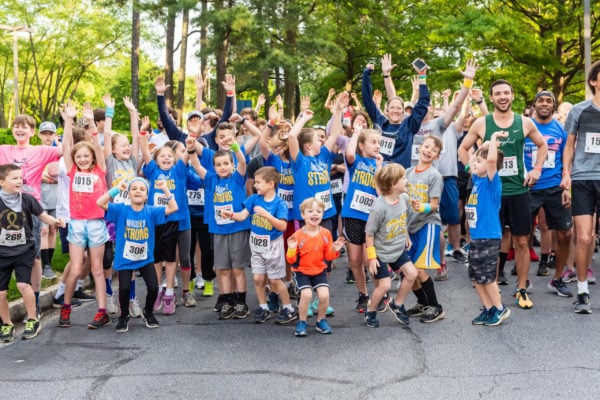
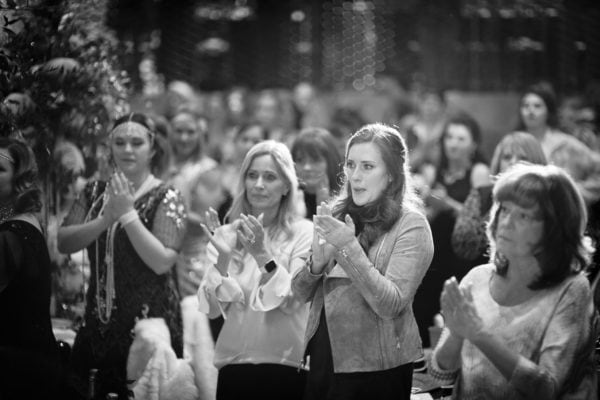
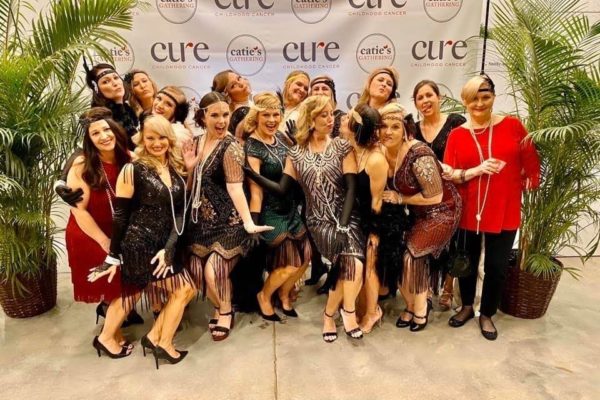
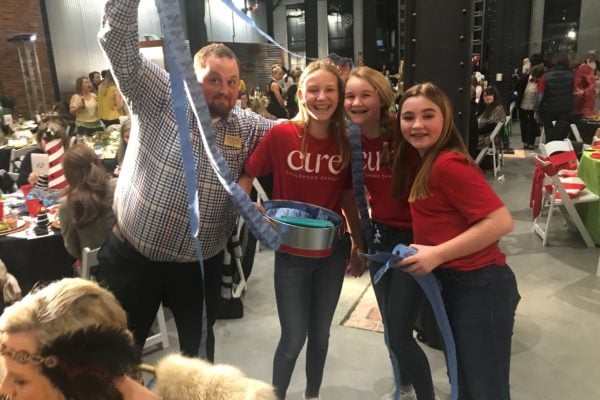
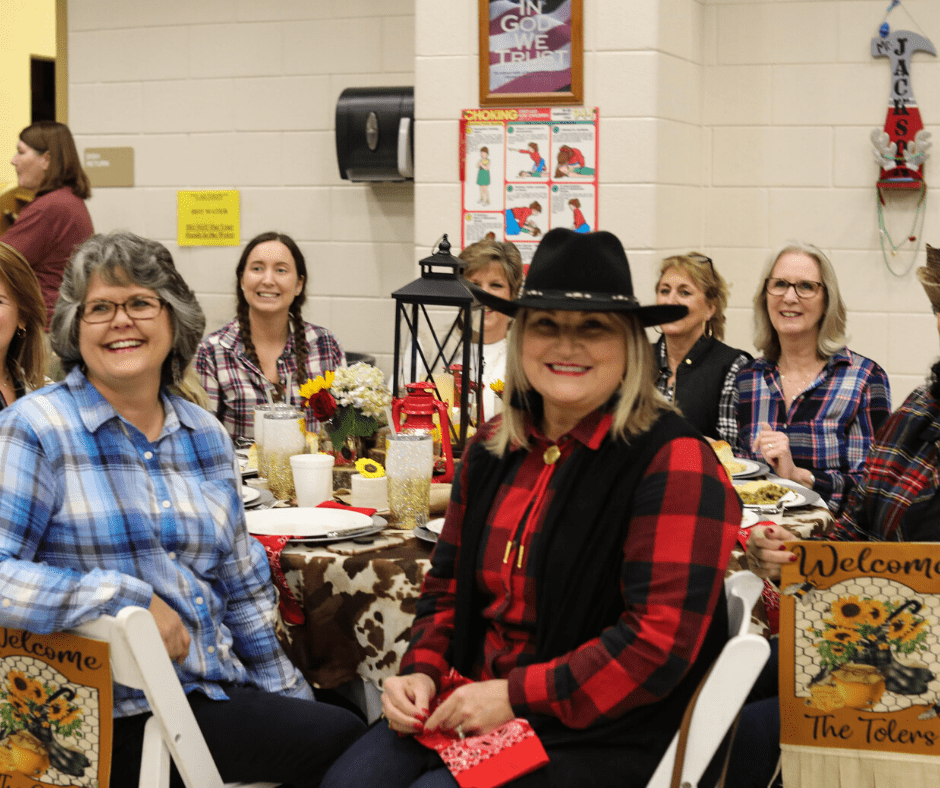
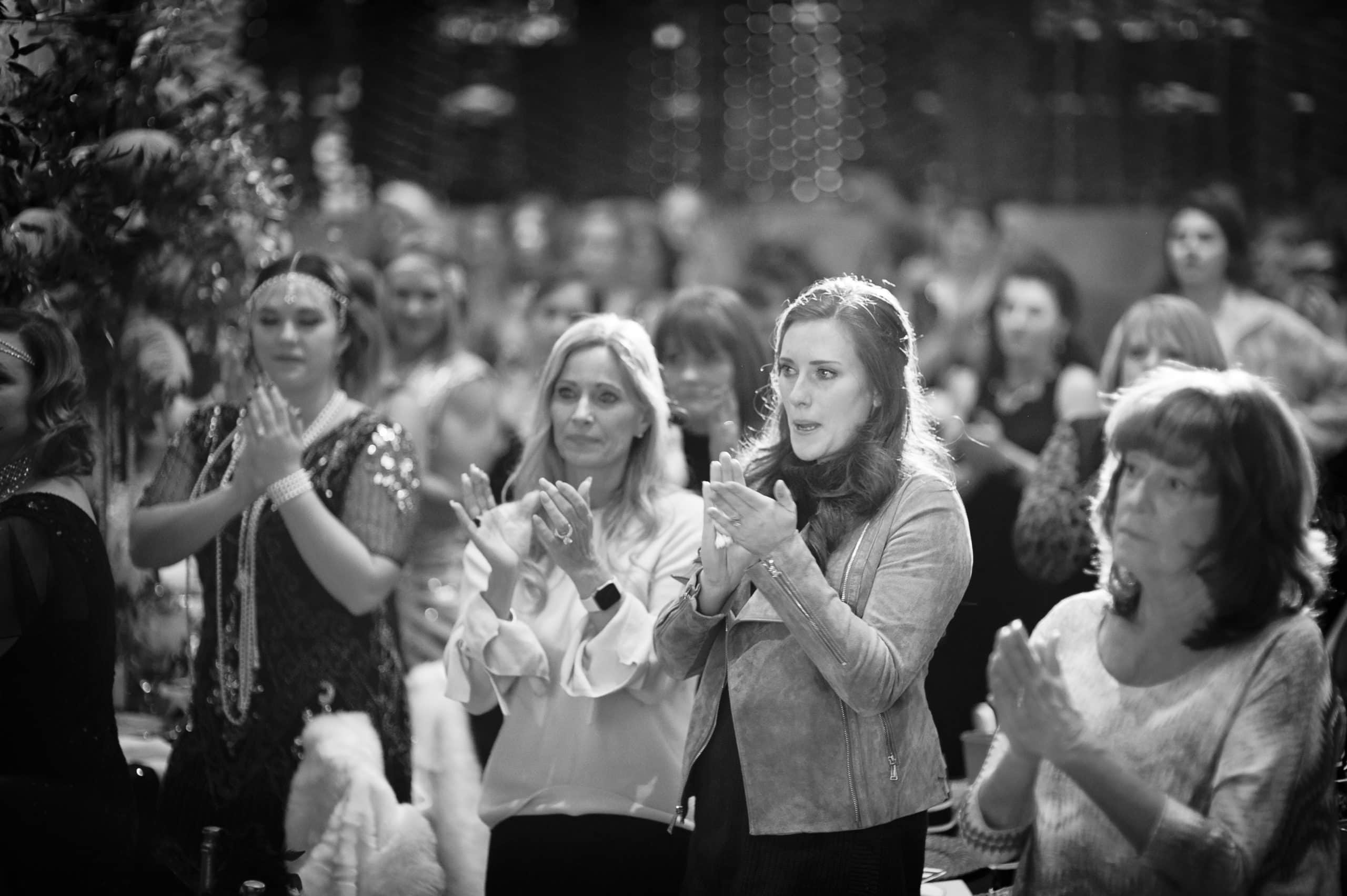
Where can you find 550 guests gathered on a Friday evening wearing everything from medical scrubs, to camouflage, to flapper costumes all coming together for the same reason… to raise much needed funds for childhood cancer research? No where other than Savannah’s Catie’s Gathering Event benefiting CURE Childhood Cancer!

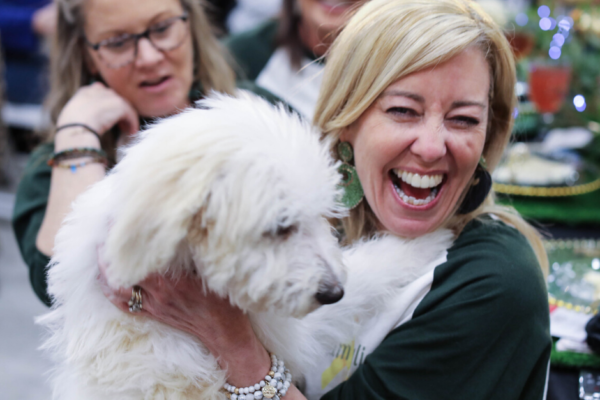
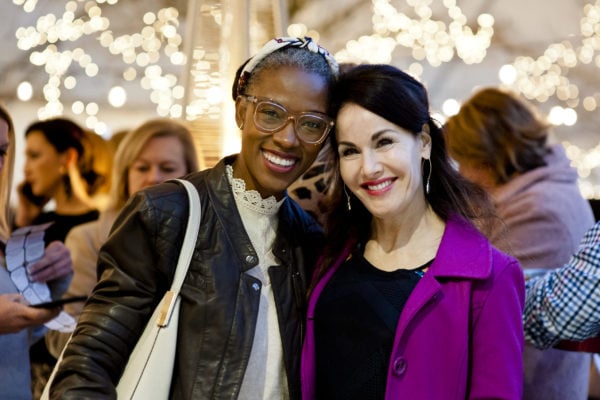
Savannah showed up in a big way on Friday, February 7th at the Kehoe Ironworks building overlooking the river downtown. Coastal Electrics attended as the event’s Title Sponsor. In addition, many other sponsors, in-kind donors, hospital staff, patient parents, volunteers, table hostesses, and guests were in attendance. Everyone enjoyed a cocktail hour while perusing silent auction items and listening to live music provided by local band, Tell Scarlet. Special thanks to Carlson’s Premier Events for helping make the room look beautiful.

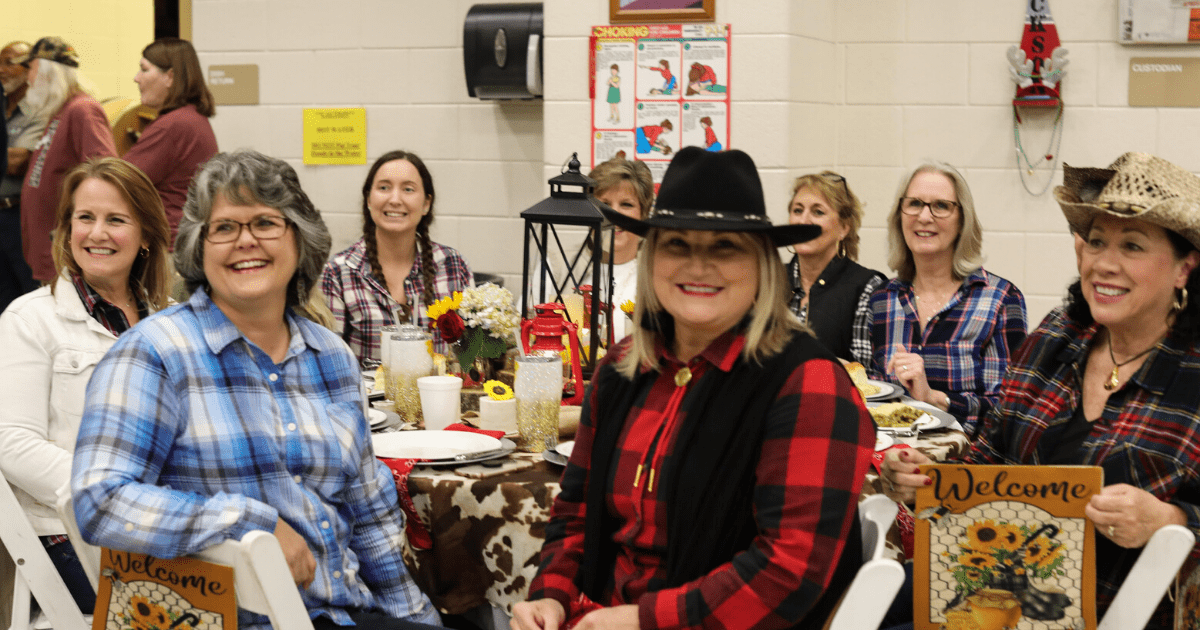
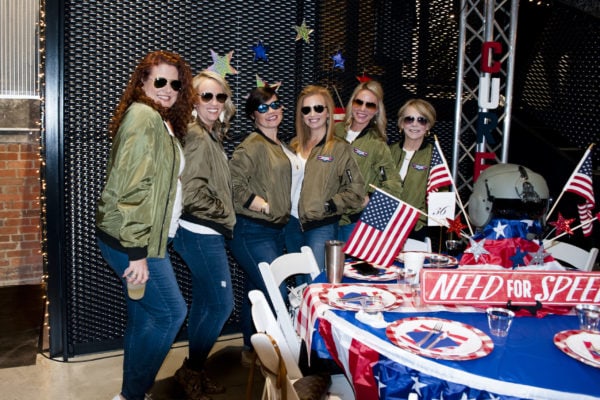
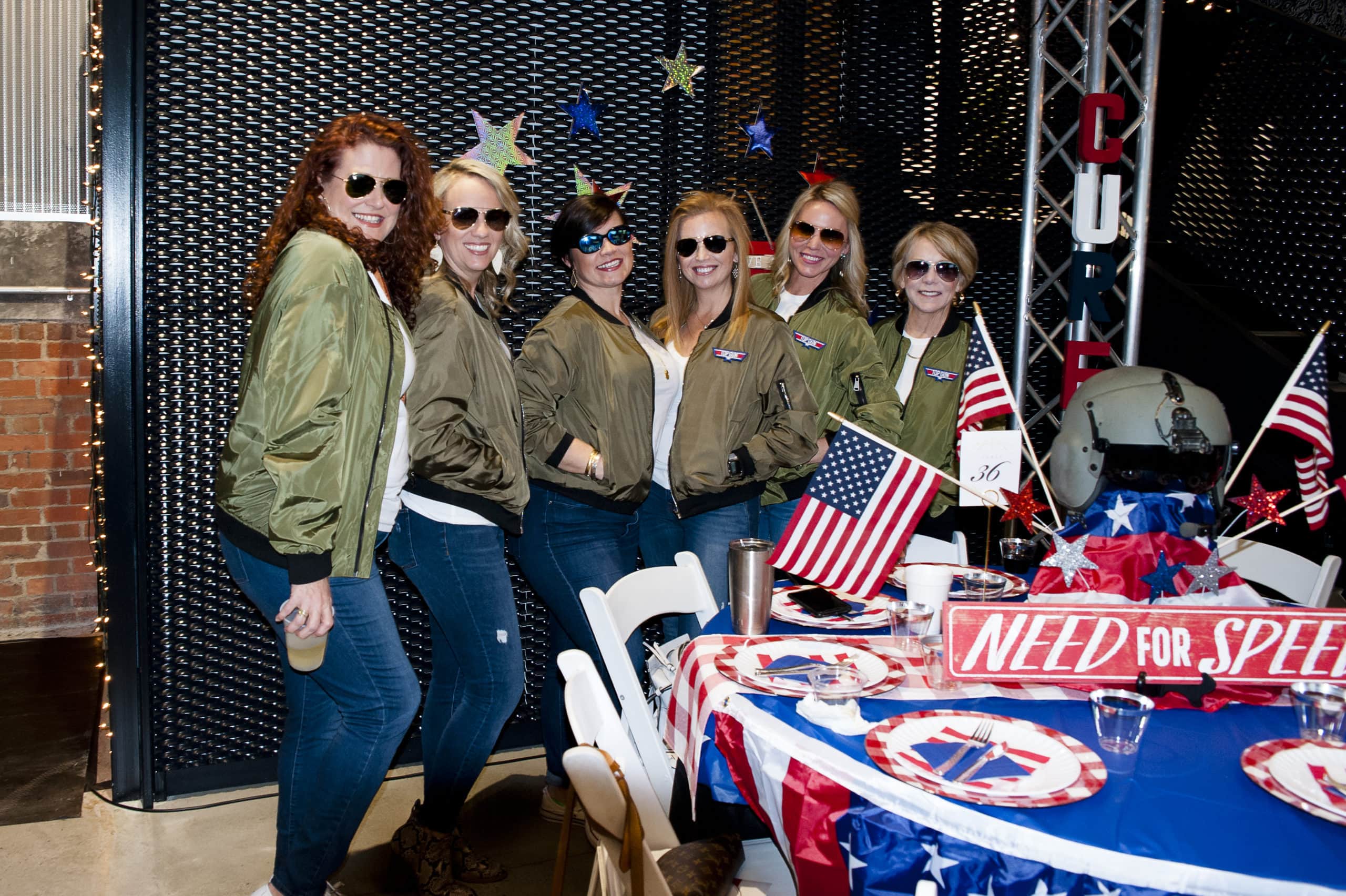
The table hostesses chose a theme or color scheme and created elaborate tablescapes and centerpieces. The hostesses certainly weren’t shy on creativity when they came up with themes like When Life Gives You Lemons, Speakeasy, Fight Hard, Do you Wanna find a CURE (complete with Frozen’s Olaf the Snowman), and a Top Gun tribute; The Need For a CURE.

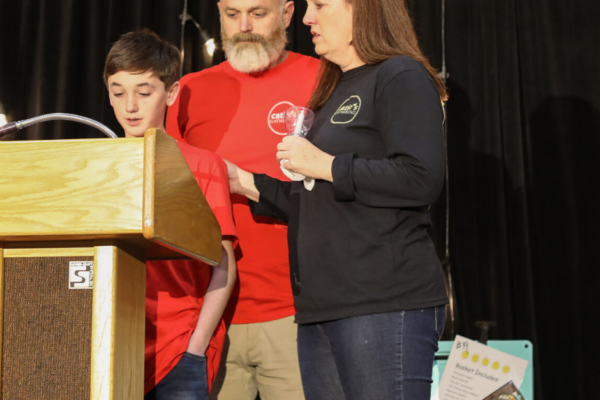
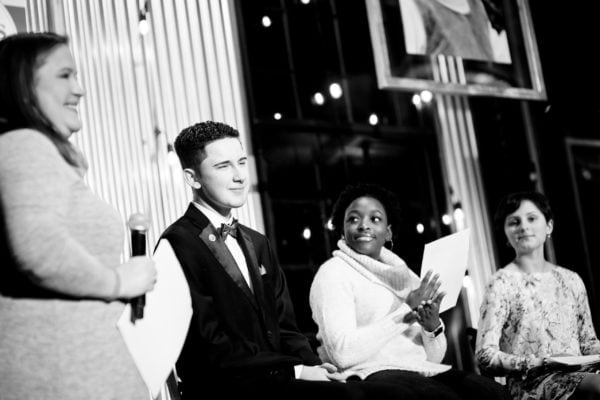
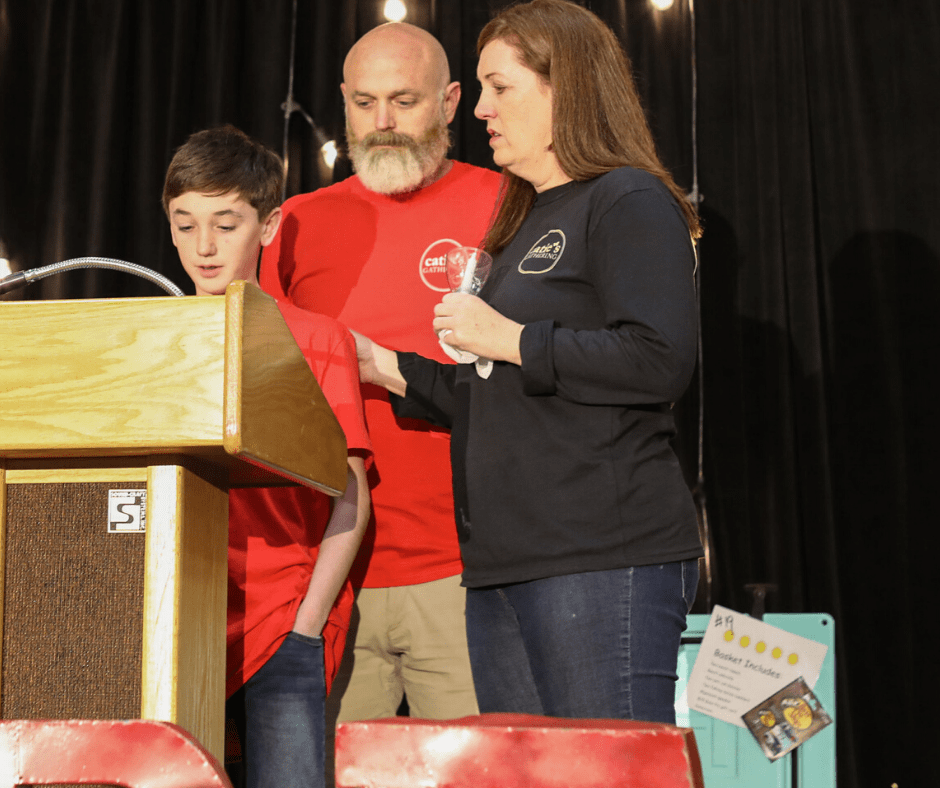
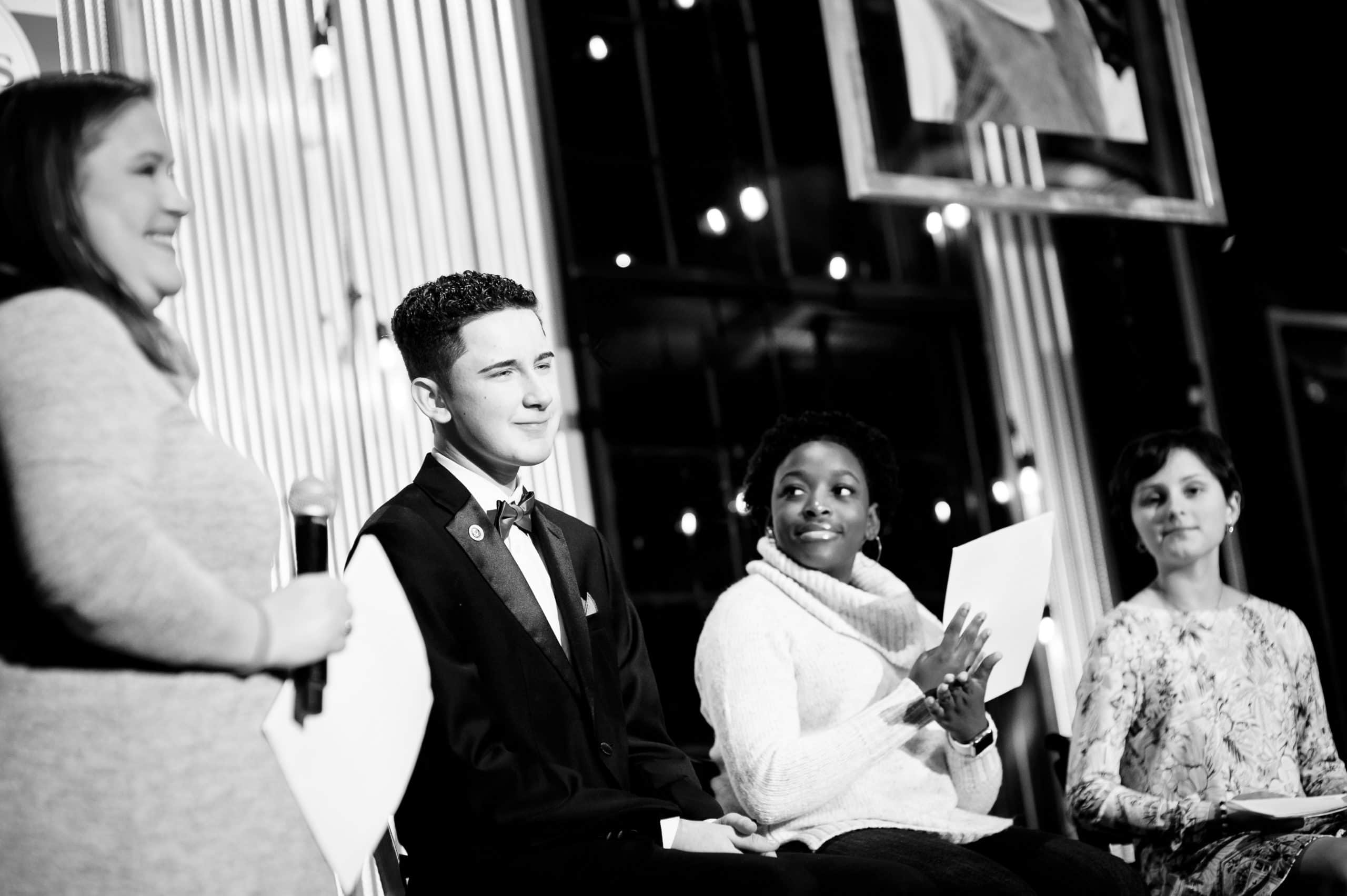
WSAV reporter, Andrew Davis, served as the nights emcee and Silk Road Catering provided guests with a delicious meal. While it was served, they listened to Jenny Wilkins, Co-Founder of Catie’s Fund, interview three Savannah teens: Seth Rousch, Lauren Stephens, and Lily Stuckey. The teens shared the trials of their cancer journies and what’s been happening in their lives over the past twelve months. Each shared some very difficult stories.

  • When Seth’s disease did not reach remission, he spent months away from home undergoing Car T Cell Therapy and eventually a bone marrow transplant.
  • Lauren’s relapsed stage-4 neuroblastoma didn’t respond to treatment until after she received genetic testing through Precision Medicine and began a clinical trial drug that targeted her genetic mutation. Managing life and treatment as a new college freshman with cancer was difficult. Lauren experienced a setback in her treatment, but she has a positive outlook for the future.
  • Lily’s leukemia treatment has not been easy but meeting a friend with the same diagnosis made cancer more tolerable. Lily shared how her friend, Kylie Shiell, who sat with her at the same event in 2019, passed away a few months earlier.

“Kylie did all her big things in life on the 13th of month,” Lily bravely said. “She was born on September 13, diagnosed with leukemia on April 13, and on November 13, 2019, I lost my cancer bestie.”

There wasn’t a dry eye in the house when a tribute video to Kylie was played and Lily presented a special wooden angel that she painted to Kylie’s mother, Ashley, as a gift.

After an exciting live auction with auctioneer, Kenny Williams, guests left with full bellies and full hearts knowing that Savannah once again rallied together to fund better treatments for the community’s youngest cancer fighters.

“One of my favorite parts of the evening was when Jenny began talking with 18-year-old Lauren,” guest Katie Kelley wrote. “She explained how the treatment that finally worked for Lauren, was a result of the Precision Medicine Program that CURE is funding through events like this!”

Thank you, Savannah, for coming together once again. Everyone did their part to raise $140,000 to improve treatment for children with cancer. We can’t wait until 2021!

A License to Grieve

Each year, CURE holds its annual Hope and Healing where families who have lost their child to cancer gather together to celebrate the lives of their children and attend workshops and presentations designed to assist them in their grief process. This year, Mark and Robin Myers, along with their daughter, Meredith, opened the weekend by sharing their story of loss and grief after losing Kylie. The session closed with Mark issuing special “licenses” to the 55 families in attendance.

Following rules has never been a big deal for me. I don’t gravitate toward the wrong side of the rules, I just tend to end up there somehow. This failing did not bode well for me in Mrs. Kleinstuber’s class. I remember her as a kind woman. But with her Germanic tendencies of order and structure, we butted heads at times.

Mrs. Kleinstuber didn’t give hall passes; she issued a license to visit the restroom. A big believer in semantics, she felt like a pass didn’t carry with it the weight of responsibility necessary for one to be trusted to go to the bathroom alone. But a license.

A license means you are granted permission by an authority to carry out a certain action or privilege.

We have to grant ourselves licenses at times and never as often as when we are grieving. The loss of a child is an abnormal occurrence in our western society, and grieving is made more difficult by the fact that most people will never understand that type of unnatural loss.

Winston Churchill said, “When you’re going through hell, keep going.”


There are all kinds of things I have to do to keep going in wake of Kylie’s loss. It has been almost five years now, and most of the time I feel like I’m able to keep going. But sometimes, I need a break. In those times, I have learned to grant myself many licenses. These licenses allow me to exist in a world that sometimes doesn’t understand who I am now or what I am going through.

Maybe you need one or two of them – maybe not. Some stand alone and some have a flipside that might be more relevant at times.

I’d like to issue these licenses to you – feel free to take any that will help you “keep going” in your grief.

License to grieve.

Please note that this license does not carry an expiration date.

License to sit it out.

If you feel like something will be too hard for you – be it a family event, gathering, or something else that will magnify your loss, stay home.

License to say no.

Don’t feel bad about saying no to something that will dredge up memories. Maybe next time you’ll be able to say yes… or not.

License to be angry.

Anger is a real emotion and can be productive. Don’t suppress anger, just be careful of your actions while you are angry.

License to be angry with God.

Whatever your stance on God, I believe that he is certainly big enough to carry our anger.

License to forgive.

When the time comes, forgiveness is a very healthy and healing process.

License to forgive yourself.

You did the best you could with the information you had at the time. This is not your fault!

License to abandon a grocery cart because your child’s favorite cereal is buy-one-get-one-free.

License to distance yourself from anyone for any reason.

If someone isn’t helping you heal or they are too needy, move away.

License to stay in your jammies.

Also, a license to congratulate yourself for getting dressed.

License to take a day off.

(Tell your boss I said it was okay!)

License to own the crazy.

When another of my daughters had unexplained bone pain (which was how Kylie’s cancer started), we took her straight to the ER. Crazy? Probably. But it put our minds at ease. Own the crazy if you need to.

License to go to war against cancer.

Also, a license to sit it out without guilt.

Also, a license to reengage whenever you’re ready… or never.

License to close your mouth and smile when someone says something really stupid.

Also, a license to speak up when you need to (using discretion – which can be difficult.)

A license to look at someone like they have three heads if they use either the word tragic or devastating regarding a sporting event.

A license to look at someone like they have three heads if they compare your loss to the loss of their grandfather, great uncle, or dog.

License to respond to texts.

Also, a license to not answer a single text for any reason whatsoever with no explanation.


License to listen to all the songs that well-meaning people send you.

Also, a license to block the well-meaning person who keeps sending you songs.

License to cry.

Also, a license to not cry and not feel guilty (it will happen someday, and you might feel like you should have cried if you still cared about your child.)


License to turn off Social Media.

Especially at times like graduations and events that friends are sharing and you will never experience with your child.

License to smile.

That day will come and you should feel no guilt – your child would want you to smile and be as happy as possible.

License to take it easy on yourself.

You’re not doing this grief thing wrong because there is no wrong way to grieve. It’s your way, your time, whatever is best for you and keeps you moving forward.

Mark Myers is the Director of Communications for CURE Childhood Cancer. He lost his 12-year-old daughter, Kylie, to Ewing sarcoma on 2/13/15.

Fiona Swims for CURE

Fiona has been swimming for a very long time. She would be the first to tell you that she isn’t the fastest swimmer in the pool. But she just might be the one with the most heart.

“Swimming is a big part of who I am,” Fiona said. “It’s always been my favorite sport, and I’ve made a lot of friends through neighborhood swim teams and now high school.”

Another big part of Fiona’s persona was forged as a cancer survivor. At the tender age of two, Fiona had a sickness that wouldn’t go away. Her parents took her to her pediatrician several times until a blood test confirmed that she had leukemia. She spent the next two years in treatment. Since she was so young, she has very few memories of her cancer journey.

“We have a few pictures of me in treatment,” she explained. “Since I don’t really remember it, it feels weird to think that baldness and needles were a significant part of my childhood.”

Fiona reached remission quickly and hasn’t looked back. She has an annual appointment at the survivor’s clinic, and due to the toxicity of the treatment that healed her, she has to have an echocardiogram every other year to monitor her heart function.

As she has gotten older, Fiona has developed a passion for giving back to good causes. She particularly wanted to do something on her own that would help other kids forced to fight cancer. Early last year, an idea began germinating in her head to use swimming to raise money for CURE. With her family’s support, she took the idea to her coach at Lakeside High School who was immediately on board.

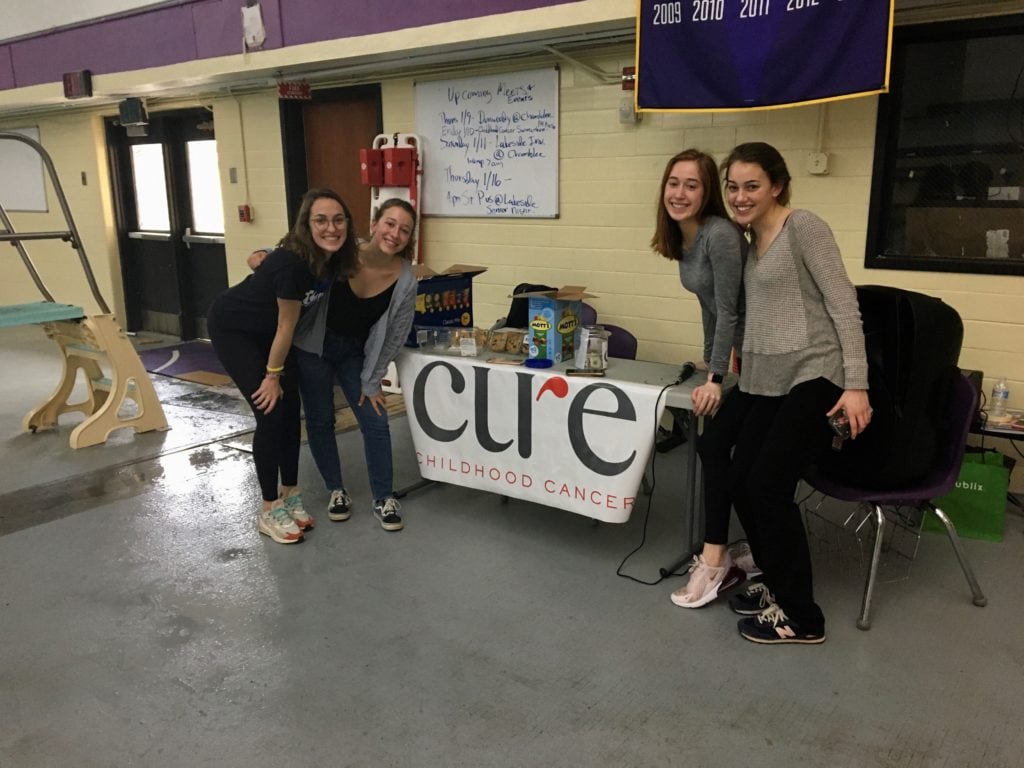
Her idea was very simply to get the team together to swim laps while music played in the background. Some of her teammates asked their friends and family for a pledge per lap, but most of the students collected money for the cause beforehand and brought it in. By the time they were out of the pool and toweling off, Fiona and her friends had raised almost $4000 to fight cancer.

“It was challenging to organize at times,” Fiona admitted. “But I’m super-excited about the turnout, the support we got from neighbors and the school, and the amount of money we raised. It was a very rewarding experience.”

Fiona is already planning on doing it again next year. She’s also in the early stages of planning for a career. As a high school junior, she has plenty of time to decide. But right now, she is leaning toward studying to become a child life specialist.

“Their job is so special,” she said. “I really want to help children cope with their hospital experience since others did that for me.”

Whatever she decides to do, she is sure to be successful if she carries the same passion and dedication she’s shown in the pool into her career.


An Unexpected Love Story

Jessie had been sick for weeks and had been taken to visit her doctor several times. After the pediatrician couldn’t identify the problem, he ordered a blood test. But the machine couldn’t read the results because her white blood cell counts were too high to register. That earned Jessie a quick trip to the emergency room where she was diagnosed with leukemia.

Because she was 11 years old, her disease was considered high risk from the start. She began months of chemo that put her in remission almost immediately. At that time, another test revealed that she would almost certainly relapse at some point in her life because of a specific chromosome for which she tested positive. This news forced her to undergo the rigors of a bone marrow transplant.

“Our insurance company forced us to go to Minnesota for the transplant,” Jessie recalled. “My donor was someone unrelated to me who matched my bone marrow, but not my blood type. So I went north with O+ blood and came back to Georgia with A+!”

Jessie has had no evidence of disease since her treatment ended.

Twelve days after Jessie’s diagnosis, another family was hearing the same dreaded words, “your child has cancer.”

Joe was an active 13-year-old who had been slowed down by knee pain. When the pain became intolerable, he was taken to the doctor who suspected growing pains to be the culprit. Rest and ice did nothing to soothe him, and a subsequent trip the hospital revealed a tumor in his knee.

A biopsy showed the tumor to be Ewing sarcoma, a rare type of childhood cancer that occurs in bones or in the soft tissue around the bones. Joe’s family had treatment decisions to make, and rather than amputation, they chose to undergo a limb salvage procedure which entailed removing the disease and reconstructing the knee. While it was successful, the incision became infected and left little room for keeping his leg.

“I remember the doctor came in with bad news,” Joe said. “He told my parents, ‘I can save his leg, or I can save his life.’ In the end, we didn’t have much of a choice.”

Joe had his leg amputated above the knee. He made a full recovery and although treatment was very difficult, he has remained cancer-free since.

Joe and Jessie were treated at the same hospital and at the same time but somehow didn’t meet during their treatment. They first met at summer camp a few years later as teenagers. Both enjoy sports and outdoor activities, so they always seemed to run into each other on the fields or shooting range. They wouldn’t become more than passing acquaintances until much later, however.

Jessie arrived on the University of West Georgia campus knowing a few people from high school and one friend from their camp. That friend reconnected her to Joe, who happened to be a sophomore at UWG. They became friends in college, but romance was yet to bloom. Jessie graduated in 2005 and moved to Newnan to begin a career. Five years later, a surprise Facebook message changed her life.

“I hadn’t seen Joe in years, but he must have noticed that I’d moved nearby,” Jessie said. “He messaged me and said, ‘what are you doing in Newnan?’”

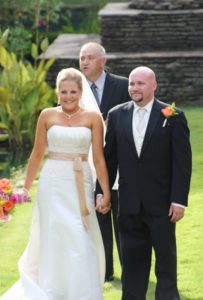
As fate would have it, Joe lived nearby. They agreed to get together and soon were dating. After an 18-month courtship, cancer survivors Joe and Jessie Tallant walked down the aisle as man and wife. They will celebrate their tenth anniversary in August.

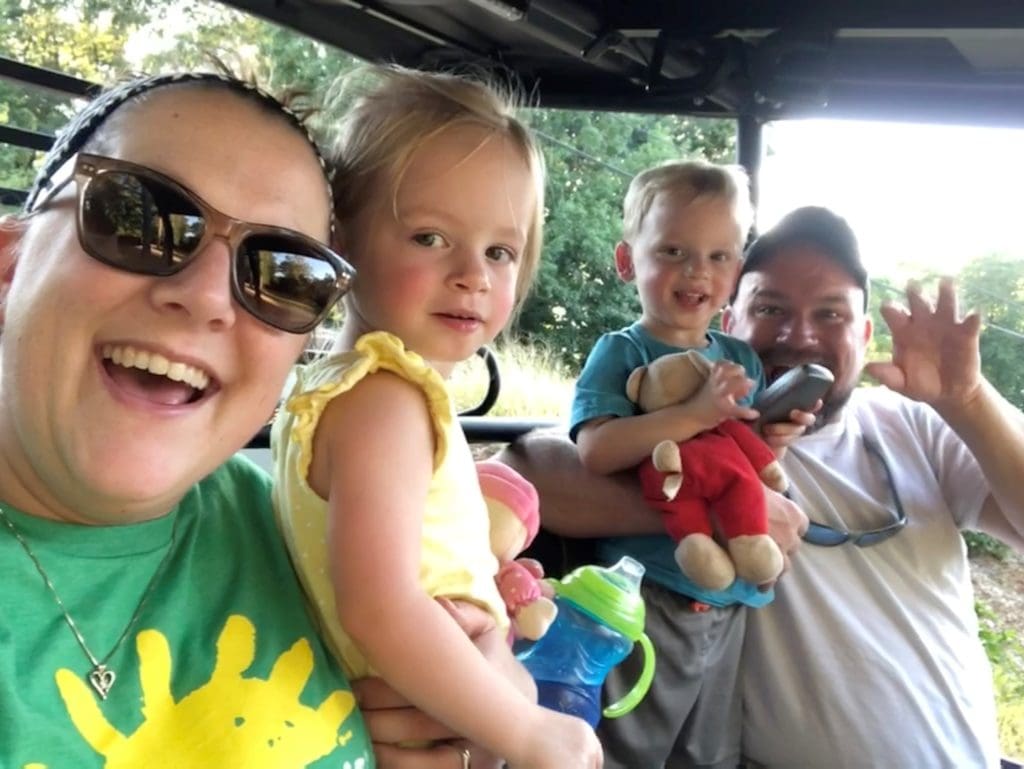
Although both have been cancer-free for many years, they haven’t been free from the cancer treatment they received. The radiation and chemotherapy that saved their lives left them both with fertility challenges to overcome. After going through an embryo adoption process, Jessie gave birth to twins, Buck and Ellie in 2017. It’s a busy, hectic life, but Jessie wouldn’t change it for the world.

“Cancer isn’t fair and has left a footprint on everyone involved. But if it wasn’t for cancer, I wouldn’t have met Joe or had the twins,” Jessie added. “This isn’t the story either of us would have written for our lives… but it’s turning out to be a good one.”

Why We’re Bullish on Precision Medicine

Could a massive leap forward for cystic fibrosis patients help children with cancer?

In 1989, a research team unlocked a valuable piece of information about a disease that affects an estimated 30,000 people in the United States. After years of study, researchers discovered the gene defect that causes cystic fibrosis (CF). That discovery launched an all-out war against the disease. Patient advocate groups funded research in academic laboratories where incremental discoveries began to unravel the basic biology of the disease.

In a CF patient, there is a malfunctioning protein that doesn’t do its job of balancing salt and water in the lungs. Over time, researchers found ways to correct the error in the protein for the most common problem. In 2019, the Food and Drug Administration approved a three-drug combination that could benefit 90% of patients who suffer from the disease. It is a modern breakthrough of science that began with a single genetic discovery.

“Finding the gene responsible for CF was a ‘needle-in-a-haystack’ problem,” said Francis Collins, the director of the National Institute of Health, and director of the team that found the needle. “But thirty years along, with many bumps along the road and so many people waiting and hoping that something like this would happen – here we are.”

How does this apply to children with cancer?

The model of discovery for this leap forward offers a compelling study into research and drug development for other diseases, including childhood cancer. To understand why, we must explore the differences between cancer in adults and children.

In adults, lifestyle-related risk factors, such as smoking, being overweight, not getting enough exercise, eating an unhealthy diet, and drinking alcohol play a major role in many types of cancer. But lifestyle factors usually take many years to influence cancer risk, and they are not thought to play much of a role in childhood cancers.

Most childhood cancers are the result of DNA changes that happen early in the child’s life, sometimes even before birth. Every time a cell divides into 2 new cells, it must copy its DNA. This process isn’t perfect, and errors sometimes occur, especially when the cells are growing quickly. The causes of DNA changes in most childhood cancers are not known but are likely to be the result of random events that sometimes happen inside a cell, without having an outside cause.

The only way to find the cause of these changes is through genetic testing (also called DNA sequencing). While the primary goal of precision medicine is to bring a therapy to a child that matches the genetic error fueling their cancer, there is also a broader use. By building a large data bank and comparing the genetic errors expressed in children across the world, scientists hope to unlock that “needle-in-a-haystack” for pediatric cancer.

Because there are many types of childhood cancers, there are many gene defects to find. To do so will take steady, ongoing research funded dollar by dollar over a period of time. The road may seem long and grueling, but we believe patience and persistence will yield significant results in the future.

In the meantime, precision medicine is already proving a worthwhile investment as doctors are able to tailor therapies to children on an individual basis. There are children who are alive today because of the findings of genetic testing and precision medicine!

But until all children diagnosed with cancer can benefit from it, there is still work to do.

Previously, the estimated life span of a cystic fibrosis patient was 44 years. For most, the recent discoveries will likely turn what was a deadly disease into a treatable condition.

Children with cancer deserve the same odds and outcomes. We believe precision medicine is the best method to make a similar drastic improvement in the survival rates. To read more about our precision medicine initiative, please click here.

Take the next step to support research that will help save kids with cancer.

A Witness to Joy

For many people, “December” is synonymous with joy. But for those fighting cancer during the holiday season, joy can be hard to come by. Thanks to our incredible community, CURE was able to add a measure of joy in many unique and heartwarming ways.

It started with holiday parties in early December. In Atlanta, more than 100 volunteers gathered at The Atlanta Event Center and welcomed 113 families to the festivities. There were games, gingerbread houses, crafts, holiday treats, and, of course, Santa stopped by to say hello. Between the patients, survivors, siblings, and parents, nearly 500 people were treated to a very special day.

“Thank you for putting a smile on my son’s face at the Holiday Party. He’s had a rough few months, but he really enjoyed today.”

Santa hopped on his trusty sleigh and hustled to Victory North in Savannah where he spent time with 37 South Georgia families. 176 guests enjoyed crafts, face-painting, treats, video games, and more. It was a joyful afternoon, as one volunteer remarked:

“I don’t think I have ever had as much fun and witnessed such joy as I did that afternoon. I loved that so many people were there, and it seemed that everyone could forget their worries for a few hours and just enjoy.”

Your generosity also allowed us to serve more than 1000 meals to patients and their families during December, including a very special traditional Christmas meal at both campuses of Children’s Healthcare of Atlanta. Just consider the boost that a plate full of turkey, mashed potatoes, and cranberry sauce gave families forced to be in the hospital instead of home for the holidays.

Donors supplied us with stockings, ornaments, pajamas, and blankets which we delivered, giving an extra nudge of encouragement.

Imagine being a parent dealing with the high cost of treatment during the holidays. With the unplanned expenses, there may not be enough to provide Christmas or Hanukkah gifts for your family. That’s where our donors really stepped up and became Holiday Angels. You took their wish lists and filled them all. In fact, there were so many gifts that we had trouble fitting the bounty in our office. Altogether, donors provided gifts for 104 families. Between our little cancer fighters and their siblings, 300 children experienced holiday joy when they opened their gifts.

The words of two families sum up the gratitude of all.

“Thank you to CURE Childhood Cancer! Today we went to their office after my child’s radiation appointment and I picked up gifts for my kids that had been gifted to us for Christmas. I am so excited to see their faces once they open up their Christmas gifts!”

“Thank you so much for your generosity.  You have helped make a difficult situation a little brighter for not only my child battling cancer, but our entire family. Our hearts are overwhelmed with gratitude! May your Christmas be filled with many blessings.” 

None of this would have been possible without you. Thank you for allowing us to spread holiday joy to children and families who desperately needed it.

Timothy’s Road to Health

Timothy is the kind of boy who would never let a little stomachache slow him down. A sports enthusiast, you could often find him with a ball in his hand – usually a baseball or football. But toward the end of 2017, a persistent stomach pain started to take its toll. As the pain’s severity increased, his mother, Sloan, began looking for answers.

“We began at our pediatrician and then progressed to a pediatric gastroenterologist,” Sloan recalled. “After about three months of trying things that didn’t help, the doctor ordered a sonogram.”

The sonogram revealed a tumor near his stomach and liver. Timothy was immediately prepped for a biopsy where the tumor was identified as neuroblastoma – a childhood cancer that develops from immature nerve cells found in several areas of the body. The diagnosis was a surprise because Timothy was eleven years old, and neuroblastoma most commonly affects children five or younger.

After the biopsy confirmed the results, Timothy had another surgery to add his port and started his first round of rigorous chemotherapy that was to last five months. While the treatment did wonders to shrink the tumor, it also ravaged his body at the same time.

“Timothy went from a healthy boy to a state of malnourishment,” Sloan said. “He was so sick that he got down to 48 pounds, and we had to have a g-tube placed to give him nutrition.”

The next phase of treatment was removal surgery. The chemo had worked to shrink the tumor, and during a seven-hour operation, doctors took out all they could. Because the tumor was wrapped around two major arteries, the surgeon was unable to remove it completely. Once he recovered, Timothy had a stem cell transplant followed by radiation, and then immunotherapy, which is a type of cancer treatment that boosts the body’s natural defenses to fight cancer.

The immunotherapy was particularly harsh on Timothy, and he spent weeks at a time in the pediatric intensive care unit. Through all of the difficult treatments, separation from friends and family, and time away from home, he never complained. Despite missing many days of school, he worked hard and was able to finish the sixth grade with all A’s!

Timothy has been declared No Evidence of Disease (or NED) for ten months. He isn’t quite finished with his treatment. In order to prevent a relapse, he is enrolled in a clinical trial and takes three pills twice daily. He will continue that regimen for another year and a half.

“All-in-all, Timothy is doing great,” said Sloan. “His weight is up to 80 pounds, and he’s looking forward to playing baseball again in the spring. We aren’t sure about football, but we’ll decide on that later. For now, we are just thrilled that he’s healthy again.”

Timothy’s family has expressed gratitude to CURE for helping them deal with the challenges of treatment. The hospital where he received the majority of his treatment was 80 miles from his home, and his stem cell transplant was 300 miles away. CURE was able to help ease the financial burdens of the travel through our family emergency fund – part of which helps with gas and other travel-related expenses.

“We want to make sure the high cost of transporting a child to treatment doesn’t take a toll on a family’s finances,” said Lisa Branch, CURE’s Director of Patient and Family Services.  “CURE is happy to be able to help families like Timothy’s in this way, because a long stretch of highway should never be a barrier to a child’s health.”

Blessings in the Middle of the Storm

When Jessica Brandon received the call that her six-year-old son, Drew, had collapsed in the school cafeteria, she didn’t know what to expect. Fortunately, she was a teacher at the same school, so she was able to be at his side in minutes. She arrived to find him bluish and struggling to breathe. After scooping him up and racing to the nurse’s office, she called 911. Soon they were both on their way to the emergency room. With oxygen, Drew was starting to look better.

“He had been just fine the night before,” Jessica remembered. “He struggles with asthma and had a couple of viral infections in recent months. But nothing like this.”

Doctors in the ER assumed Drew was suffering from another virus and ordered a chest X-ray of his lung. The next person to enter his room was an oncologist, and Jessica’s world changed forever. The X-ray showed a tumor the size of an adult’s fist on Drew’s chest wall between his lung and heart. His collapse was a result of the pressure exerted by the growing tumor pushing against his left lung. The same hospital had recently done an X-ray of his chest that showed nothing. Amazingly, the tumor had grown that large in just five weeks.

“When we learned about the tumor and put it all together, we realized just how lucky and blessed we were that he collapsed at school,” Jessica shared. “The doctor said he could have just as easily gone to sleep one night and never woken up.”

Drew was diagnosed with stage 4 t-cell lymphoblastic lymphoma. While the advanced stage of the disease was cause for concern, the prognosis was actually good because this type of childhood cancer carries an 85% survival rate. The treatment plan called for a strong regimen of chemotherapy that would last for three years and regular lumbar punctures to monitor Drew’s bone marrow. He started chemo within 24 hours of his collapse, and within a month it had melted the large tumor in his chest. Additionally, the cancer in his bone marrow was almost nil.

But he wasn’t done fighting. Drew seemed to suffer from every complication possible during his treatment. He got a blood clot in his shoulder that required blood thinners for several years, and that wasn’t the worst of it.

Five months into treatment, Drew became very sick and was taken to the hospital. While the chemo was destroying the cancer, it was also depleting Drew’s natural immune system. After a battery of tests, doctors discovered that five viruses had invaded his weakened body. They also learned that his heart was functioning at less than 30% of normal.

“They had no choice but to put him in an induced coma to let his body heal,” Jessica explained. “He was in a coma for four weeks, and during that time, he coded twice. Both times they ushered us into the hall while they performed CPR on the other side of the door. We thought we had lost him.”

But Drew is a tough one. In fact, Jessica calls him her fire-breathing dragon and says he is all-boy. Drew pulled through that difficult episode and took a little break from his cancer treatment to gain strength. Soon he was back to full chemo and his body seemed to tolerate it better this time. He finished treatment in August 2018 and turned ten in February. He loves soccer, building with Legos, and playing Fortnite and started the fifth grade in the fall.
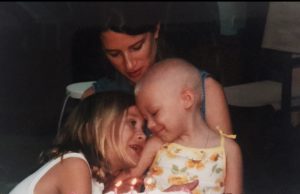
“Drew was old enough that he remembers his treatment – both the good and the bad,” Jessica said. “He still hates having blood drawn. But the incredible doctors, nurses, and families we’ve met will always be a part of his life, and the blessings we received in the middle of the storm have made him stronger.”

Take the next step to support research that will help save kids with cancer... kids like Drew.

A Legacy of Compassion

If you waved at Michael Mugrage, it’s doubtful you would have received a wave in return. More than likely, you’d have gotten a warm smile and one of his signature shakas – a hand gesture residents of Hawaii use to convey the Aloha spirit. It is a sign of friendship, compassion, and respect. Michael was born in Hawaii and spent his first twelve years there before moving to Bluffton, South Carolina.

In Bluffton, Michael grew to become a typical high school teenager. He liked playing Xbox, loved football (he’s a huge fan of Joe Montana and the San Francisco 49ers), was looking forward to getting his driver’s license, and was taking classes to pursue a future career in law enforcement. But he was getting thin, and he started complaining of severe leg pain, abdominal pain, and headaches. A doctor said these were just growing pains, but just days later, Michael was in urgent care with a collapsed lung.

Two hospital transfers via ambulance in a matter of hours and several tests later, he received devastating news. On Halloween 2017, Michael and his mother, Jessica, were told that he most likely had cancer. He had a large mass and would need surgery for a biopsy. The result came back as high-risk (stage 4) alveolar rhabdomyosarcoma (ARMS), an aggressive soft tissue cancer. Although they were fairly new to Bluffton at the time of the devastating diagnosis, their neighbors rallied to their side. The high school principal, teachers, classmates, and several police officers stopped in to visit. Early on, Captain Joe Babkiewicz of the Bluffton Police Department and Michael formed a strong friendship based on their passion for law enforcement and football. Recognizing his qualities of courage, strength, and compassion, Captain Babkiewicz made Michael an honorary Bluffton police officer and designated him a “True Hero.”

Michael endured months of high-intensity chemotherapy treatments, surgery to remove the mass, and the lifetime amount of radiation to his lung and abdomen. For a while, the treatment seemed to work, and Michael was counting down his remaining treatments with hopes of remission and returning to high school. Unfortunately, nine months into treatment, the cancer returned with a vengeance and Michael was given days to live.

Proving his status as a hero, Michael accepted his fate and asked to enroll in a trial to help other children, even after being told it would not help him. He was scheduled for an appointment, but his health deteriorated quickly, leaving him unable to travel for the trial. Michael passed away on August 28, 2018 at the age of 16.

When Michael knew his time on earth was coming to an end, he again showed the compassion for which he had been commended. He told his friends and family that his desire was to see an end to pediatric cancer so that children diagnosed after him would have hope of a long life.

From Hospital Gown to Nurses Scrubs

How do you best describe a nurse? Many adjectives come to mind: caring, compassionate, sympathetic. But does an experience with sickness help nurses treat patients? Does their care change when they have suffered the very malady they are employed to remedy?

In the halls of many pediatric cancer hospitals, there are nurses who have visited those beds, not only as caregivers, but as patients. CURE sat down with six such nurses to discuss how their cancer experience has impacted their lives and how they treat their patients today.

Bridget Sandy

At the tender age of three, Bridget was diagnosed with leukemia. While she was in treatment, she watched the nurses intently and mimicked their actions on her stuffed animals and dolls when she got home. She knew early on she wanted to be a nurse, and her goal was always to serve on the pediatric oncology floor at Children’s Healthcare of Atlanta where she had been treated.

“I don’t always tell a patient’s family that I’m a survivor,” Bridget said, “But if the timing is right, I will tell a mom or dad about my experience because I saw my parents go through treatment with me.”

Bridget lives for little triumphs with her patients – like sharing a smile or laugh even when they don’t feel good.

Bobby Struble

During his treatment, Bobby saw nurses as the people who held his hand.

“I would freak out if I couldn’t see what the doctor was doing,” he recalled. “And there was a nurse who held a mirror up so that I could watch the doctor give me a spinal tap. That made a big impression.”
Bobby graduated college with an advertising degree and quickly realized that it was not for him. He went right back to nursing school and feels absolutely fulfilled in his choice of careers.

“I have felt the sickness and pain that these kids feel,” he explained. “But I don’t often tell them I’ve been there because in the moment, they mostly need a nurse and not a survivor. After I build a relationship with the family, I sometimes bring it up. I have learned that as a nurse, we treat the parents as well as the children.”

Bobby Struble

During his treatment, Bobby saw nurses as the people who held his hand.

“I would freak out if I couldn’t see what the doctor was doing,” he recalled. “And there was a nurse who held a mirror up so that I could watch the doctor give me a spinal tap. That made a big impression.”

Bobby graduated college with an advertising degree and quickly realized that it was not for him. He went right back to nursing school and feels absolutely fulfilled in his choice of careers.
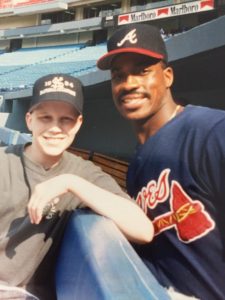
“I have felt the sickness and pain that these kids feel,” he explained. “But I don’t often tell them I’ve been there because in the moment, they mostly need a nurse and not a survivor. After I build a relationship with the family, I sometimes bring it up. I have learned that as a nurse, we treat the parents as well as the children.”

Amelia Ballard

Amelia always wanted to be a nurse. But the total-body radiation that saved her life threatened to derail her ambition.

“My parents were told I would never be able to read because of the cranial radiation I had received,” she said. “School was difficult, and I had to work harder than other students. But my parents had seen me through treatment, and they became my encouragement.”

Amelia set her sights on pediatric oncology because of the impact of the nursing staff who treated her. She walks the same halls she did as a patient, and one of her favorite nurses is now a co-worker.

“I like to tell people my story because I think my struggles can provide hope,” Amelia said. “I don’t enjoy being the center of attention and got used to keeping it quite for a long time. But since I’ve become a nurse, I try to open up when the time is right.”

Amelia loves to see kids smile, and it thrills her soul when a patient comes in and requests her as a nurse.

James Ludemann

James was a high-risk leukemia patient because he was older when diagnosed. He went through treatment during high school and already knew he wanted to go to medical school. But meeting so many nurses while he was in treatment cinched his choice to become a nurse.

After school, James started in adult oncology. But when he moved to Atlanta three years ago, he started working with children. He now works as a patient and family educator where he helps families navigate important issues such as fertility preservation.

“As I’m working with these families, it would be impossible not to think back on my treatment,” he explained. “But all cancer journeys are different, so I only share my experience if it can be an encouragement to them.”

James Ludemann

James was a high-risk leukemia patient because he was older when diagnosed. He went through treatment during high school and already knew he wanted to go to medical school. But meeting so many nurses while he was in treatment cinched his choice to become a nurse.

After school, James started in adult oncology. But when he moved to Atlanta three years ago, he started working with children. He now works as a patient and family educator where he helps families navigate important issues such as fertility preservation.

“As I’m working with these families, it would be impossible not to think back on my treatment,” he explained. “But all cancer journeys are different, so I only share my experience if it can be an encouragement to them.”

Liliana Haas

While in treatment for leukemia, Liliana had a nurse that made clinic visits fun.

“I was treated in Jacksonville, and my favorite nurse was named Christy,” Liliana recalled. “She took such good care of me and my parents that she became a part of our family.”

In high school, Liliana decided she wanted to become a pediatric oncologist. After starting as a pre-med student, she thought back to Christy’s day to day influence on her treatment. That is when Liliana made the decision to become a nurse. She says her experience helps her relate to the children she treats because she has been there.

“Celebrating the end of chemo is the absolute best,” Liliana said. “That is our goal for every patient. But it is bittersweet too because we’ve built relationship and have to say goodbye to them.”

Andi Reid

Andi’s treatment for a Wilm’s tumor went as well as it could go, even though she celebrated her fifth birthday by having a kidney removed. She had a nurse named Ashley who always volunteered to take care of her, and that left a lasting impression on Andi.

“I came for a check-up when I was a senior in high school,” said Andi. “I was sitting in the waiting room and a nurse walked by. It was Ashley; we recognized each other immediately. She was the reason I wanted to become a nurse.”

But Andi said the decision to go into pediatric oncology was a tough one because she wasn’t sure she wanted to put herself back in that battle every day.

“In the end, the kids are my reason,” Andi explained. “I love the kids and will do anything to see them go home at the end of treatment. That is the most rewarding part of my job.”

Andi Reid

Andi’s treatment for a Wilm’s tumor went as well as it could go, even though she celebrated her fifth birthday by having a kidney removed. She had a nurse named Ashley who always volunteered to take care of her, and that left a lasting impression on Andi.

“I came for a check-up when I was a senior in high school,” said Andi. “I was sitting in the waiting room and a nurse walked by. It was Ashley; we recognized each other immediately. She was the reason I wanted to become a nurse.”

But Andi said the decision to go into pediatric oncology was a tough one because she wasn’t sure she wanted to put herself back in that battle every day.

“In the end, the kids are my reason,” Andi explained. “I love the kids and will do anything to see them go home at the end of treatment. That is the most rewarding part of my job.”

We love all of the pediatric nurses and understand they are the glue that holds treatment together. We noticed a common theme with our nurse survivors: the impact of the nurses who treated them drove their desire to be nurses themselves. Every pediatric oncology nurse has the opportunity to influence their patients while treating them. And some of the most dedicated nurses of tomorrow might just be wearing a hospital gown today.