What it Means to be a Quiet Hero

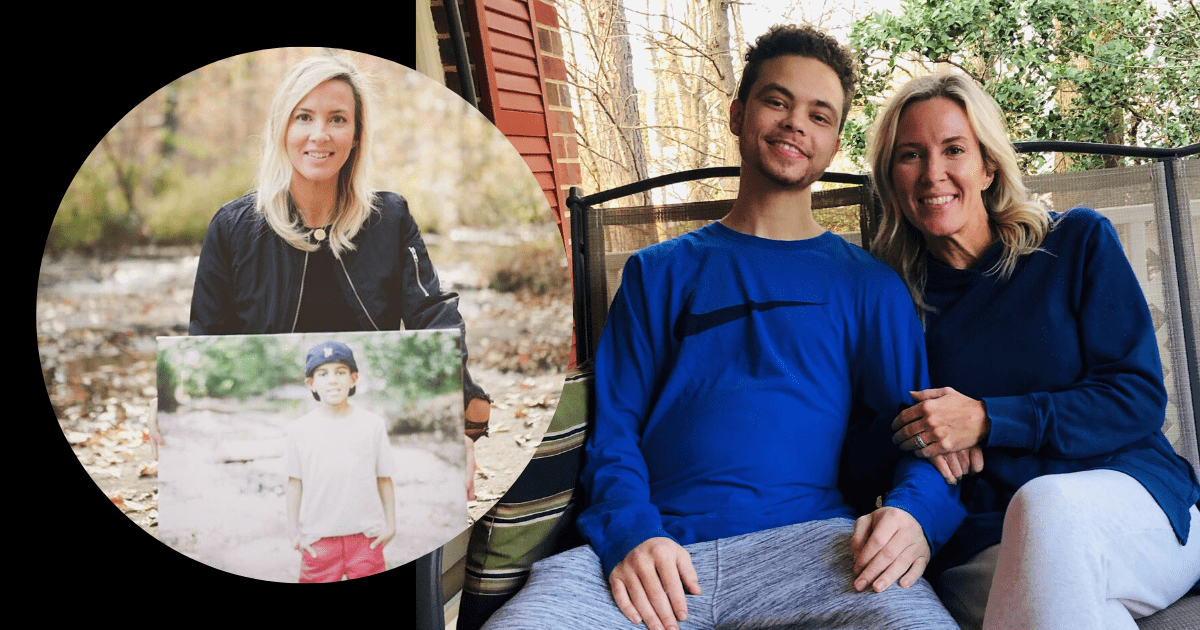
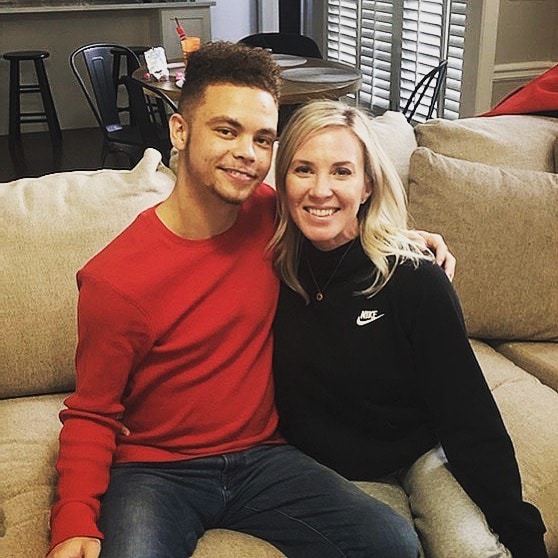
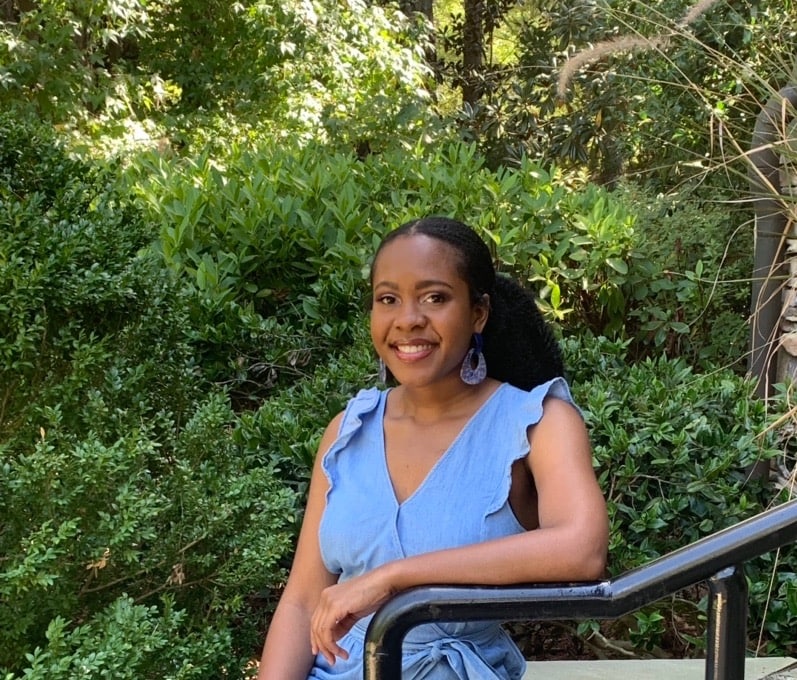
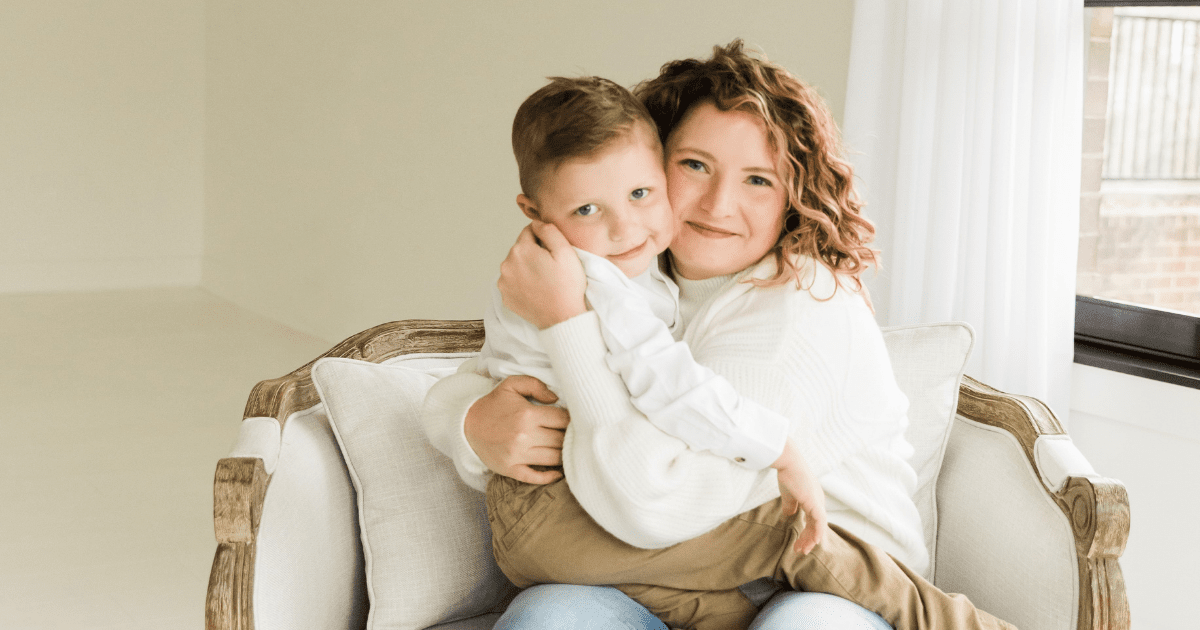
On May 14, we will gather in person for A Tribute to Our Quiet Heroes. This special luncheon honors the mothers of children diagnosed with cancer, who guide their families through an unimaginable journey. The last two years have been virtual events, and many mothers whose children have been diagnosed during that time have no idea what to expect. So we sat down with Ramona King, whose son Ezra, was diagnosed with a brain tumor in 2018.

CURE: What is it like to be a mother walking through childhood cancer?

When Ezra was first diagnosed as a baby, I was terrified, mad, and alone. I felt like the only mother in the world having to deal with something so horrific. And in my own little world, I was. However, I soon found out that I am the farthest from being alone. There is a community of amazing mothers who are strong fighters for their children battling these diseases. I still struggle. I feel resentful at times for this being our story. I want so differently for my beautiful little boy. I have to fight so hard for his care, research things I never even dreamed of, and hold his body through things that children should never have to go through. It is traumatizing. However, I am a better person and a better mother for it. My perspectives on life and what is most important have shifted in the best way.

CURE: What was your first impression when you got the invitation to A Tribute to Our Quiet Heroes?

My first impression when I heard about it was to not go. That sounds weird but I felt nervous. I didn’t know what to expect. I felt so alone, and I thought by going and being around that many people, I’d feel even more alone. My husband urged me to go. I was timid when I parked and walked in. I felt overwhelmed. As soon as I put my name tag on, I felt like I was somebody. Not just someone who was hurting inside secretly, but like someone who everyone else with a nametag could relate to. I quickly made friends and saw other moms I had seen in the hospital hallways.
CURE: Did you enjoy the event?

I went to the Quiet Heroes event for the first time in 2018, just weeks after my baby began chemotherapy. I felt overwhelmed at first, but I quickly realized that I was in a room full of mothers who knew just exactly all that I had been through and felt during those horrific months following diagnosis. I wasn’t alone in my heartbreak for the first time. There were hugs, smiles, tears and “I’ve been there’s.” It was incredible. It felt nice to have an event just for me.

CURE: What was your biggest take-away?

It was like I could finally relate to someone face to face. For months in my community, I was the person everyone couldn’t look at, the person they pitied. I was the mother living everyone’s worst nightmare. At Quiet Heroes, I was just a friend. I could look into other moms’ faces and understand what they had been through, too. There were moms fresh in the fight and those that had decades of experience being in these shoes. It was so nice not to be the sad person in the room. We were all strong moms who had all walked similar paths.

CURE: Are you excited about Quiet Heroes being in person again?

I cannot wait to attend this year! I get to see friends that I haven’t seen in a while. I always am so proud to see my son’s sweet face on the screen. It’s a mix of fellowship, friendship, hugs, tears, and feeling so proud of our children who have been through so much.

CURE: What would you tell a mom whose child has recently been diagnosed with cancer?

You feel alone. You are the only person you know in your community who is hurting like this. But I want you to know that you aren’t alone. There are moms who have been where you are, who have had their hearts broken, have had to hold their child through the worst. We want to meet you because you make us feel not alone, too. There are so many of us out here making these tough decisions.

CURE: What would you tell a mom who might be hesitant to go to Quiet Heroes?

Just go. Just try it. You will love it! Just stand tall and be brave for a few minutes and get yourself in the door. Once you find a seat, you will realize you are a part of a friendly, fun, and amazing community of warrior moms.


Why is Carter Losing Weight?

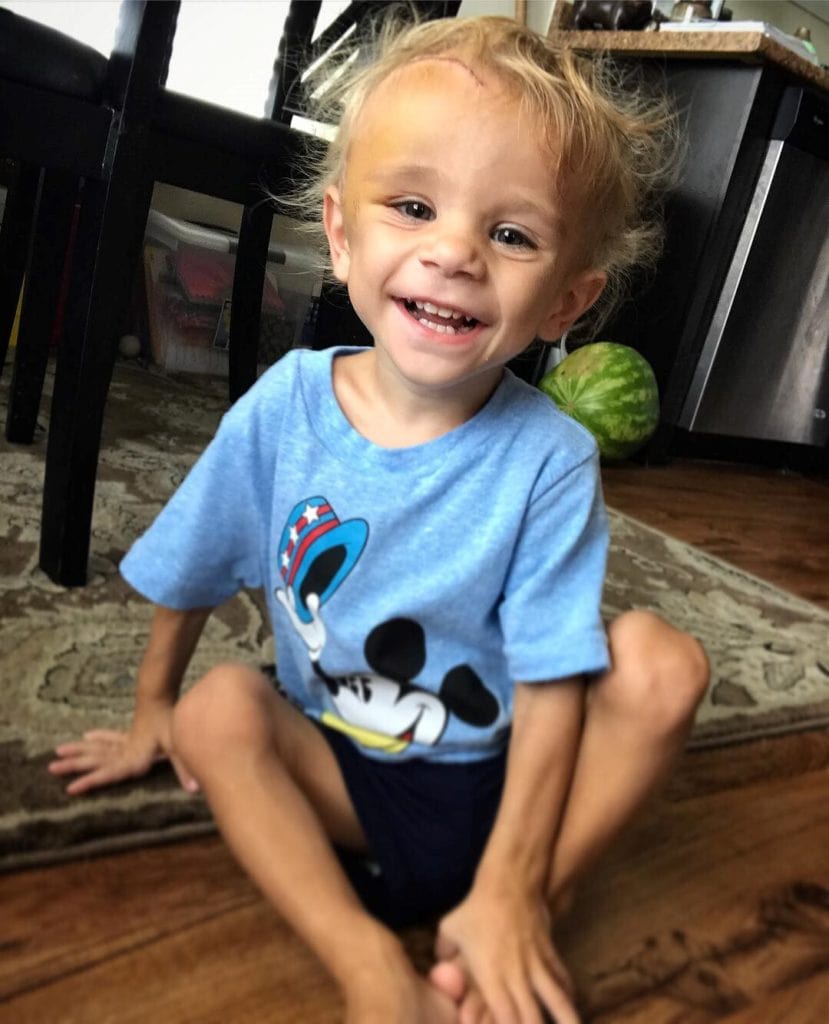
When Carter was 18 months old, he began to get skinnier. Because he was very active and the time was right for him to start losing baby fat, no one thought much of it. But as he grew taller, his mother, Erin, became concerned. No matter how much he ate, he still lost weight.

“He was eating like a horse and you could see his ribs,” she recalled. “About a month after his well check-up, I stopped in at the pediatrician’s office and asked them to weigh him. He had lost a pound in that month!”

The doctor shared her concern. Carter weighed 18 pounds and a healthy child his age should weigh around 25. Over the next few months Carter would visit several specialists and have tests for disorders such as celiac disease and cystic fibrosis. He began to lose strength and his typically active pace began to slow dramatically. When test after test came back negative, he was admitted to the hospital where an endocrinologist discovered he had diencephalic syndrome – a disorder that speeds up the metabolism.

“What we didn’t know was that the syndrome they found is usually caused by a tumor,” said Erin. “They did a CT scan and sat us down to tell us he had brain tumor. Being told that your child has a tumor was the scariest thing I’ve ever heard.”

Carter underwent a biopsy that revealed it to be a pilocytic astrocytoma – a slow-growing, benign tumor. His doctors did not feel it was worth the risk of brain surgery to try to remove it, so they decided to monitor it instead. But what was supposed to be a slow-growing tumor grew larger in just a few months. So a surgery was scheduled to remove as much as possible.

“The surgery lasted twelve hours,” Erin said. “It was excruciating. Other parents came and went from the waiting room all day while we sat there until they finally came out and told us that the surgery was finished.”

The surgeon said he was happy with the results. He was able to remove roughly 40% of the tumor and within a week, Carter was walking, smiling, and playing at home. But his battle was far from over. A follow-up MRI showed that the tumor had spread down his spine.

“That was a defeating moment,” said Erin. “He’d been through so much already and this type of tumor isn’t supposed to grow or spread.”

Carter stayed at home for a month to let his body heal and then began chemotherapy which made him very sick. After seven rounds, he developed a brain bleed that forced surgeons to put in a shunt to relieve pressure should it happen again. Since that time, his parents have taken him from his home in Savannah to Atlanta and Washington DC for treatment. He has been on clinical trials, and currently receives a combination of three chemo drugs every week.

“Stability is the best-case scenario,” explained Erin. “We desperately wanted it to shrink and were disappointed time after time. At this point his tumor has been stable for almost nine months. Now that we’ve adjusted our expectations, we are happy with that result!”

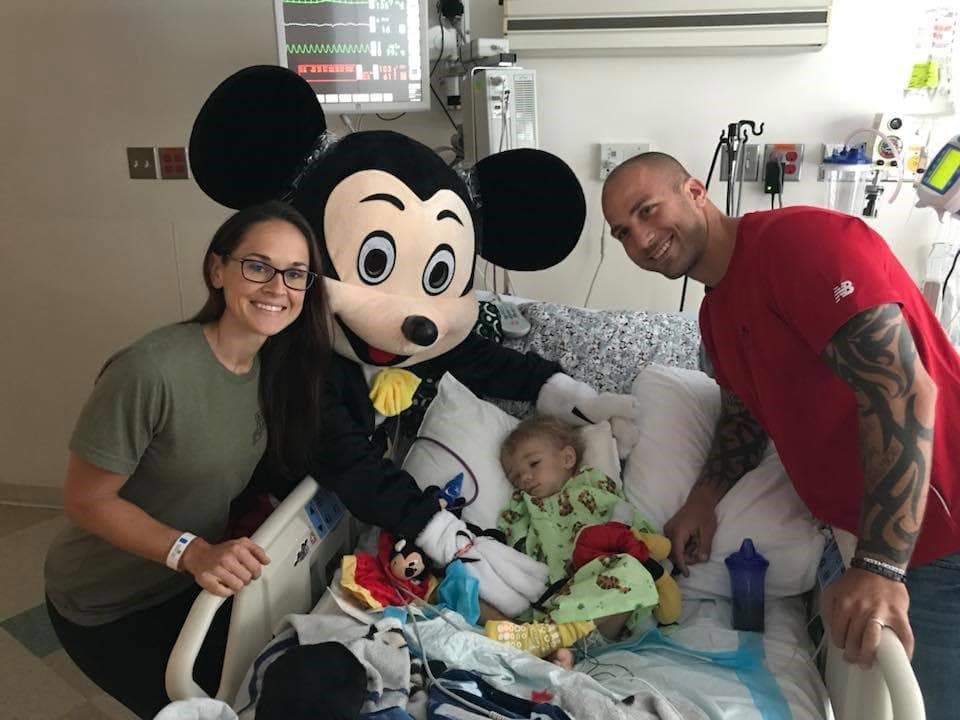
And Carter is finally doing well. He is back to being very active and has even gained weight! He loves Mickey Mouse and following his older brother, Cade, all over the place. His family feels that it’s important to share his cancer journey and when he slows down, Carter will almost always smile for the camera.

“We want to share Carter’s journey for two reasons,” said Erin. “We want others to know the realities of what childhood cancer families deal with. We also hope that Carter’s joy throughout his treatment will brighten someone’s day.”

Staying Put

Why one mom chose hospital over home

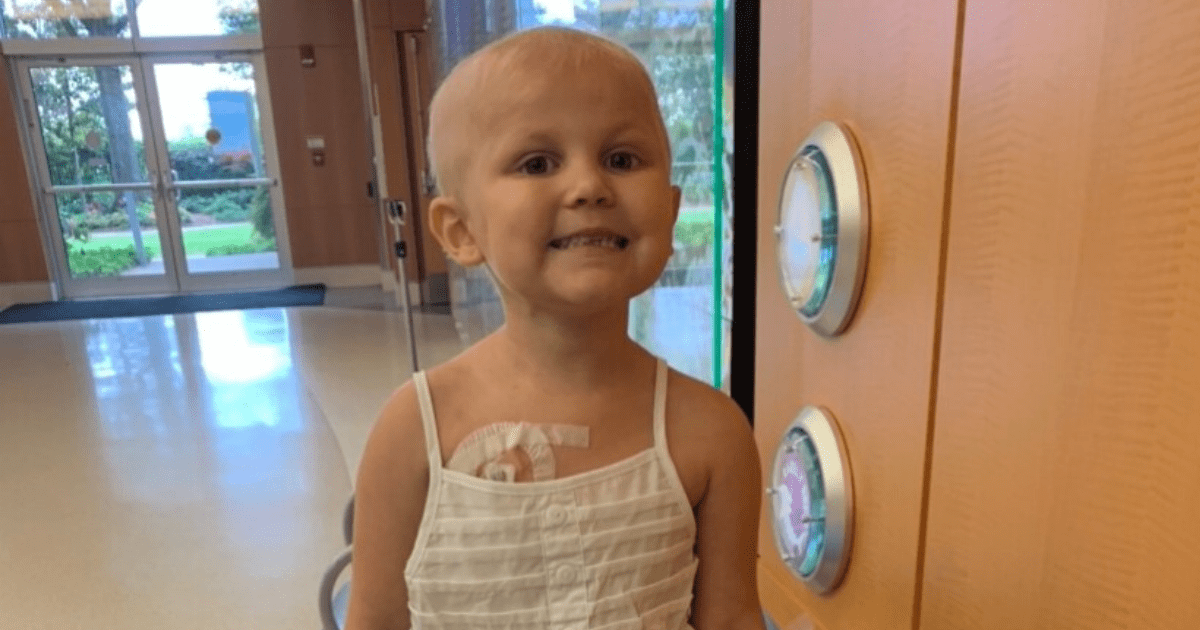
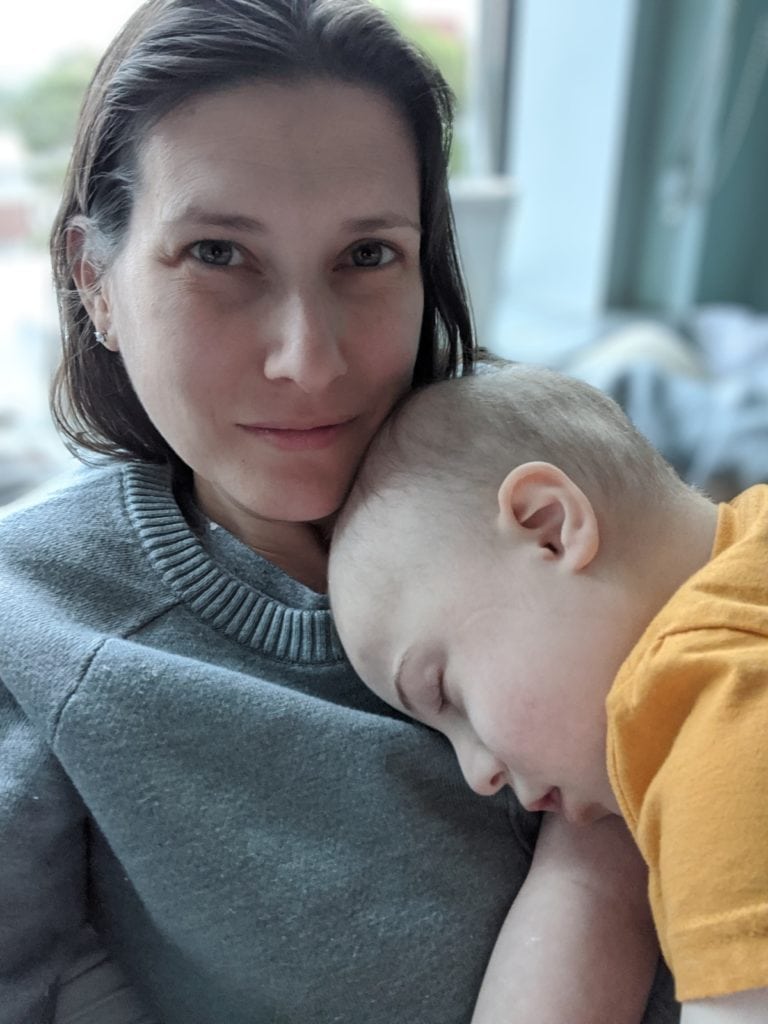
Hyrum is a fighter. He is three years old and has Downs syndrome, epilepsy, and was recently diagnosed with leukemia. But he doesn’t let anything bring him down. Hyrum is a perky ray of sunshine who loves his family, meeting people while cruising the hospital floor, and oh, how he loves to sing.

“Music is his balm,” said his mother, April. “When a song comes on, he lights up completely. He isn’t extremely verbal, so music is how he communicates.”

Diagnosed with leukemia in October, Hyrum reached remission quickly but is currently in a very difficult portion of his treatment called delayed intensification. This eight-week phase is important in preventing leukemia from returning later in his life. And while her medical team has told April there was a chance she and Hyrum could go home for a week in the middle, because of COVID-19, she asked if they could stay.

“Hyrum has had health complications most of his life and is no stranger to respiratory distress,” April explained. “Most people would be praying they could go home for a week. But his little body can’t tolerate any respiratory problems. I can’t risk his life to be social, so we asked to stay here.”

Hyrum’s home is a busy place with a large family of nine, and he loves every minute of it. When he got sick, his older sisters who dote on him created his #hopeforHyrum hashtag that got him some attention from one of his favorite actors, Dwayne Johnson. Of course, Hyrum knows him only as Maui in the movie Moana – which he loves because of the music. While he misses home, April knows this is the right place for him during the pandemic.
“Being on this floor is our safety bubble,” April said. “I’ve barely left the room in three weeks and we won’t leave the floor until we go home. I don’t want to go to the cafeteria and potentially bring germs back to him. So the boxed lunch deliveries from CURE are a godsend to us right now.”

Fortunately, her doctors agree that Hyrum should stay put. Since he isn’t the typical leukemia patient, they won’t treat him like one – especially with his risk of complications from COVID-19 being so high. And how is the isolation treating April?

“I put on a brave face because Hyrum needs to know that I’m steady for him,” April said. “But there is an isolation that doesn’t leave. There is a sense of security that this virus has taken away because it has removed the ability to have all of the emotional, spiritual, and physical support we need. Facetime is not the same as getting a hug or seeing my kids in person.”

Right now, Hyrum is handling the isolation fairly well. Hospitals have been a major part of his young life and he’s used to being there. His birthday is on June 1, and everyone’s goal is to finish this portion of his treatment and get him well enough that he can celebrate being four at home.

Three Years of Social Distancing

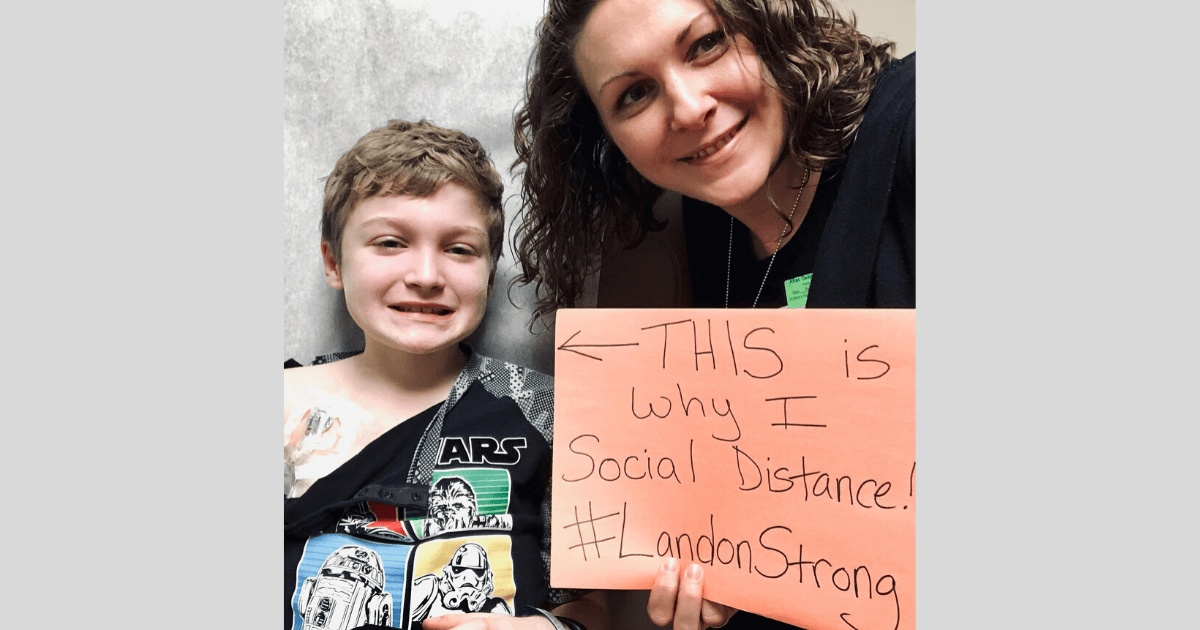
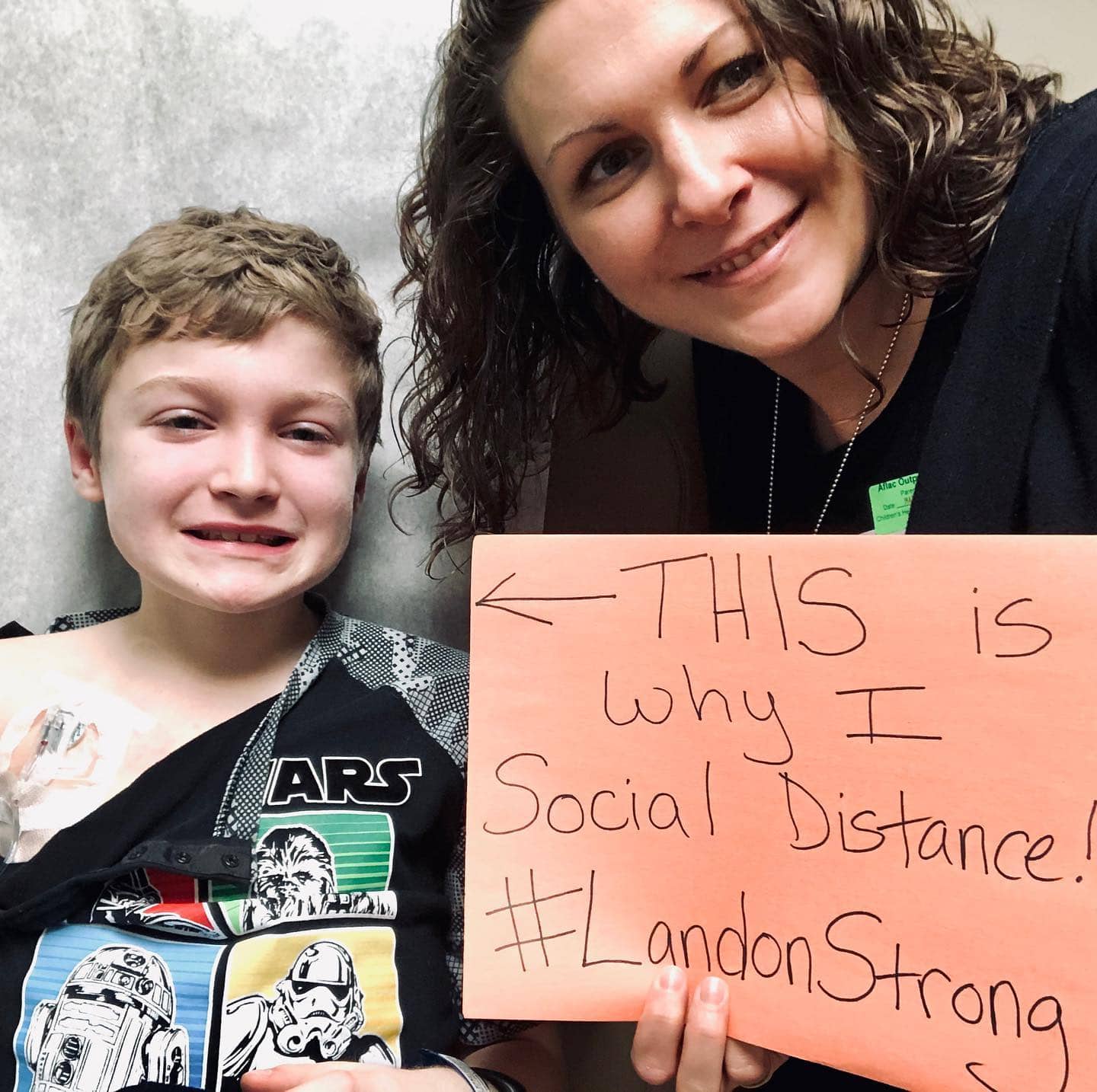
A fall that never seemed to get better started seven-year-old Landon off on a journey that took an unexpected turn.

“He just slipped and fell,” recalled his mother, Jessica. “It didn’t seem like much. But he hurt his back and it never got better. When he refused to go up stairs and was screaming in pain, we took him to get an X-ray.”

The X-ray didn’t reveal any broken bones, but later an MRI would show that Landon had leukemia. That was two years ago and because Landon would be immunocompromised during his treatment, his family had to learn all about handwashing, surface cleaning, and social distancing.

Some of the basic recommendations to keep leukemia patients safe from germs include:

  • frequent dusting and vacuuming
  • weekly cleaning of kitchen and bathroom sinks, tubs, shower area, and toilets with a cleaner that kills mildew.
  • All kitchen appliances, including the inside of the refrigerator and counter tops, should be thoroughly cleaned with a commercial cleaning soap or solution.
  • Air conditioning filters should be removed and cleaned or replaced monthly.

“We are constantly cleaning our house,” Jessica explained. “Landon’s treatment is three years – and he is immunocompromised that entire time!”

Landon reached remission in thirty days and his treatment has gone according to plan. The cold and flu season usually puts him on a health rollercoaster. He has been in admitted to the hospital a few times in the spring seasons and typically rebounds by summer. He was enjoying soccer this year and was very disappointed that the COVID-19 pandemic forced its cancellation, but he understands that he needs to stay well.

“Landon is why I social distance,” said Jessica. “Because of his cancer, he’s been forced to be in quarantine and at times he has had to stay away from friends and family. If he can do it for three years, we can all do it for a few weeks.”

A Decision Between Life and Livelihood

The COVID-19 pandemic has forced all of us to step back and make hard choices. But what would you do if your child was in treatment for cancer and you worked in a hospital that was starting to admit patients suffering from the virus? That’s the decision the Walker family had to make.

Payton, or Pjo, as he likes to be called, is a whirlwind of action and fun. He could often be found climbing up a tree in his yard until a cancer diagnosis slowed him down. In April 2019, seven-year-old Pjo was diagnosed with neuroblastoma, a childhood cancer of the nervous system. He started aggressive chemotherapy right away and had surgery to remove the large mass. His treatment path has been difficult, but he has maintained a positive attitude through the whole thing.

Pjo was all set to be the face of CURE Madness before the NCAA tournament was cancelled. Now he is the face of the balancing act between cancer treatment and COVID-19. His father, Payton, is a plumber, and his current job site is at Grady Hospital. Because Pjo is immunocompromised and completely vulnerable to the virus, his family was forced to make a very hard choice.

“This was a real reality check,” said Pjo’s mother, Deidra. “We were both really hoping they would shut the job site down, but they didn’t. We are at a place where we cannot take any chances. So Payton is taking a layoff.”

Even in the best of times, many families struggle financially during childhood cancer treatment. Between increased medical expenses, frequent travel costs, and loss of time at work to be a caregiver, finances can quickly become strained. The pandemic has forced a new, even tougher reality for some parents of children fighting cancer. During treatment, cancer patients are so vulnerable that they would have no way to fight off such a strong virus, and difficult decisions have to be made. Decisions of life over livelihood.

But Deidra doesn’t doubt their decision one bit.

“Pjo’s body has been through so much in the past a year,” explained Deirda. “It would be irresponsible of us to continue to expose him. If everyone does their part and stays home, maybe we can stop this virus and Payton can go back to work.”

Pjo is starting a new form of treatment called immunotherapy that hopefully will finish off his cancer for good. He will be severely immunocompromised for months to come, but his whole family will do whatever it takes to keep him safe. Their difficult decision proves that.

The Face of Immunocompromised

When word of the coronavirus began to spread, Annie Garner knew just what to do.

“I told my kids it was time to hunker down,” she explained. “Fighting germs is nothing new to any cancer mom.”

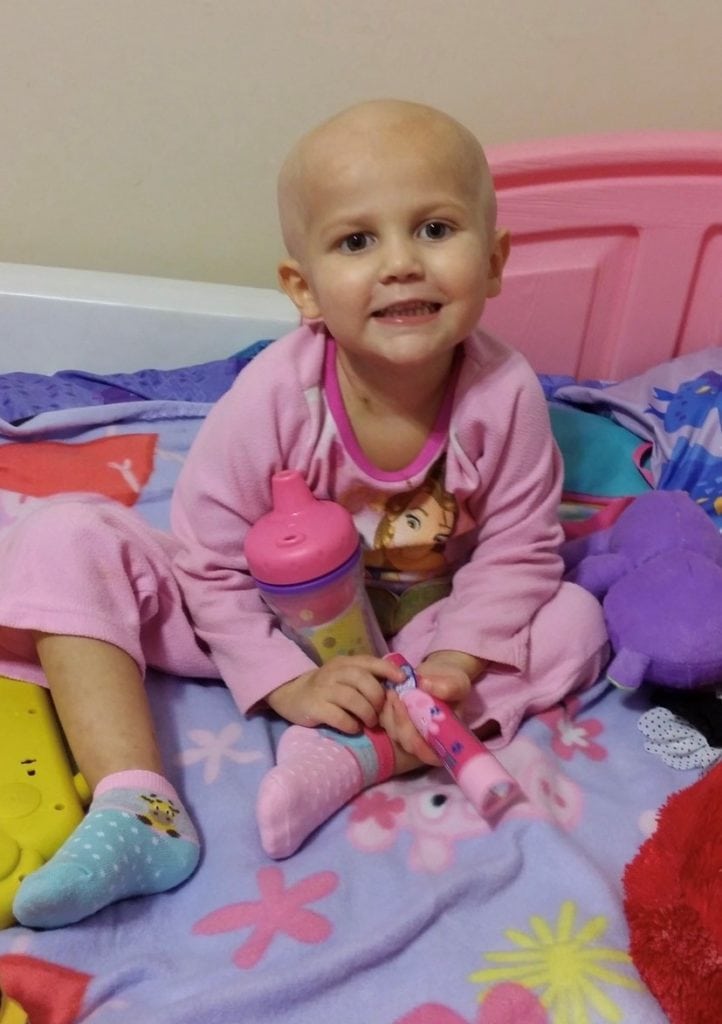
Annie and her family have been in that fight germs since April of 2017 – when their youngest daughter Chloe was diagnosed with an optic glioma. The discovery of a tumor behind her eye was a complete accident. She had a slight head tilt and her parents noticed her eye shaking. Since Annie’s husband, Noah, is in the Army, they took Chloe to the base physician, who said she didn’t feel prepared to diagnose it and sent them to the hospital.

“We were supposed to be there for a quick 30-minute MRI,” recalled Annie. “But that turned into five hours. When the doctor finished, he came in and told me she had a tumor.”

Because of their location, it is rare for such tumors to be surgically removed. Most of the time, the goal is to stabilize them so they do not grow. Her doctors began to closely monitor Chloe’s tumor, and nearly a year later, the tumor was declared stable. Unfortunately, tumor growth was evident at a scan four months later, and even more in the next scan. So Chloe began a chemotherapy regimen designed to shrink it.

But a year’s worth of weekly chemo yielded frustrating results.

“From October 2018 to October 2019, her tumor would be stable at one scan and then grow at the next,” Annie said. “The one result we never got was tumor shrinkage.”

This is when Annie learned how to hunker down and become diligent about providing a germ-free environment. Because of the way chemotherapy works, children in treatment often have compromised immune systems. Despite all precautions, it is very hard to keep children completely protected. Chloe missed several doses of chemotherapy because she was sick or had low white blood cell counts, and at her last scan they learned that her tumor had grown again.

Her medical team came up with a new plan that involved a drug called Avastin. So far it has been far easier on Chloe’s body, and her last scan in February yielded great results.

“For the first time, we heard the words, ‘significant tumor reduction’,” said Annie excitedly. “And she hadn’t even completed the whole cycle!”

While Chloe is finally feeling good, her vision has been affected. She has optic nerve damage from the tumor, and her vision isn’t 20/20. But right now, she’s back to dancing and enjoying her favorite movie, Frozen. Her mother describes her as feisty and stubborn – traits that helped carry her through her difficult treatment.

Chloe still receives chemotherapy, and while her family has become good at being in quarantine, Annie worries when she sees others disregarding the World Health Organization’s advice during this pandemic. Her husband is currently deployed, so Annie has to fight this battle against germs alone.

“When experts talk about the immunocompromised people who have the highest risk of complications from COVID-19… that’s Chloe,” Annie said. “This is a dangerous time for her and other kids taking chemo. I just want people to think about others right now. Whether they are young or old, this matters for a lot of people.”

Annie urges people to heed the warnings to stay home.

“For the greater good – especially for all those like Chloe who are at high risk, please just stay home,” pleads Annie.

Effingham County’s Catie’s Gathering 2020

An amazing group of people came together in Effingham County on Saturday, March 7th to enjoy a great night of community and raise money to fund life-saving research for pediatric cancers. This was the 10th annual dinner benefiting Catie’s Fund, a named fund of CURE Childhood Cancer. Formerly called Sisters on a Journey, the event is now known as Catie’s Gathering.

The on-going rain in the community prior to the event necessitated a last-minute move from Honey Ridge Agri-Center to Marlow Elementary School. Several schools and organizations in the county stepped forward to offer their space once word of the need to move got out. Members of the community all pitch in and do what they can to make a difference – which is a classic example of what makes this event so special. Two in-kind sponsors, Carlson’s Premier Events and Kaufman Heinz, were instrumental in making the venue change successful.

Other than the move to Marlow, things went as planned. Sponsors, in-kind donors, CURE families, volunteers, table hostesses, and guests all came out for a great night. Before the start of the event, guests enjoyed perusing silent auction items and listening to live music provided by local band, Goshen Travelers.

One of the things that makes this event so unique is that each table is decorated individually. The table hostesses chose a theme or color scheme and created elaborate tablescapes and centerpieces. The hostesses certainly weren’t shy on creativity when they came up with themes like Crushing Cancer, We’ve “Goat” to CURE Childhood Cancer, Cooking for a CURE, and Kissing Childhood Cancer Goodbye.

Emcee, Lonnie Pate, started the program by welcoming the crowd. Simply Southern Catering served guests a delicious meal and Southern Kafe on 17 provided a great coffee bar. Door prizes and an exciting live auction with auctioneer, Kenny Williams, really got things rolling. Kenny later shaved his head in honor of kids fighting cancer and to celebrate all the money raised that night.

CURE’s Jenny Wilkins and teenage cancer survivor, Seth Rousch, shared some facts about childhood cancer with the crowd before Seth shared about his journey through childhood cancer. He shared some very difficult parts of his story including the months he spent away from home undergoing CAR T-cell therapy and eventually a bone marrow transplant.

In a poignant display, cancer survivors and families who had lost their child to cancer were invited down front for a candle-lighting. Each family or survivor shared the name and diagnosis of their warrior. The room was silent during this beautiful and moving moment as they realized just how many local families have been affected by childhood cancer. There wasn’t a dry eye in the house as these families lit candles and guests in the room stood to honor cousins, grandchildren, or siblings who had fought similar battles.

Thank you, Effingham County, for coming together once again. Everyone did their part and worked to raise $168,885 to improve treatment for children with cancer. We can’t wait until 2021!

Coronavirus: What Childhood Cancer Parents Need to Know

By now, we’ve all become familiar with the signs and symptoms of COVID-19, as well as the steps the average person should take to prevent the disease. Since the population that CURE serves is among the most vulnerable, we have compiled advice for parents who have children fighting cancer.

Many chemotherapy medications and targeted therapies used during a child’s cancer treatment can cause neutropenia, or depletion of the immune system’s white blood cells that fight infection. Because children with a weakened immune system may be unable to fight off the virus, parents should take steps to protect their children.

Experts recommend that everyone take common-sense precautions to prevent transmission of the new coronavirus. These precautions are nearly the same as the steps cancer parents take during flu season or when their child is neutropenic. Your medical team may offer other suggestions. As the situation is fluid, pay attention to emails and all other communications from your hospital.

If your child has prescription medications, try have a supply to last at least a couple of weeks and preferably a few months. The Food and Drug Administration is keeping track of medication shortages that may result from the epidemic. According to a recent statement, only one unspecified drug is now in short supply. No biological agents, such monoclonal antibodies or gene therapies, are made in China for the U.S. market, and there are no shortages. While it might be difficult due to insurance restrictions, try to get a 3-month supply or at the very least, renew your child’s prescriptions as soon as you are able.


Should I travel?

Most experts are encouraging cancer patients to stay off cruise ships and postpone air travel that isn’t directly related to their treatment. You should obviously follow the CDC’s travel recommendations – which are listed and updated here. When in doubt, ask your child’s oncologist.

What about school?

While the Aflac Cancer and Blood Disorders Center of Children’s Healthcare of Atlanta is not recommending children stay home from school or avoid school group activities at this time, they understand that you know best. If you choose to keep your child home from school, they will support you by providing medical documentation that may be required by your school system. The same situation should apply at your treating hospital. You can read their full recommendations here.

What if a family member develops symptoms? 

“Your family is important and you don’t want to avoid them, but if someone in your household gets sick, use some social distancing,” said Dr. Steve Pergam, infectious disease expert at the Fred Hutchinson Cancer Research Center. “Wear gloves, have them sleep in a different room if you can, make sure you wipe down areas with some sort of bleach wipes and keep washing your hands regularly. That’s really important.”

It’s also crucial not to bring a sick family member into your cancer treatment center.

“We need less people who are ill, not more,” Pergam said. “You don’t want someone going in with you even if they only have minor symptoms.”

Finally, he said it’s important to bring just one caregiver with you to treatment, not your entire family.

Should cancer patients (and survivors) avoid public transportation and events?

Pergam said people currently in treatment should avoid taking public buses or trains if at all possible. But he also acknowledged not every family can afford Lyft or Uber or some other rideshare service.

“Talk to your care team about what options exist to support you getting there without taking public transportation,” Pergam said. “Some hospital systems have services set up for patients.”

If you have no choice but to use the bus or a train, take precautions and distance yourself from others.

“Protect yourself,” Pergam said. “Sit in the back of the bus or other areas with less exposures and if you see someone who seems ill, coughing, move away.”

Pergam said cancer patients a few years out of treatment “should be OK,” but whenever possible should also avoid crowded buses or trains.

“If you have to get on a bus, practice distancing,” he said. “Or stay home if you can. It increases your risk when you are in public spaces.”

As for other public gathering places, Pergam again advised caution. Instead of going out to a movie, watch something at home instead, he said. Get take-out or delivery from your favorite restaurant instead of showing up in person. Or cook at home. Many grocery stores offer delivery service. You can even ask your pastor if they can set up a computer so you can go to “virtual church.”

“This doesn’t mean you have to be a hermit, just limit close interactions, particularly in public spaces,” he said.

Read the entire article here.


It is important during this time to stay in communication with your cancer team and keep up to date on new developments. Talk to them if you have questions or concerns, especially if you have new symptoms or were recently exposed to someone who is ill. While this could be a prolonged process, the best thing you can do is to monitor your child’s health and protect your family.

The following sources were used to compile this article. All are being updated frequently – bookmark them and refer to them as often as necessary.

Aflac Cancer and Blood Disorders Center of Children’s Healthcare of Atlanta: COVID-19 and Oncology/Immunosuppression

Diane Maples, Fred Hutch Cancer Research Center:  Coronavirus: What Cancer Patients Need to Know 

Liz Highleyman, Cancer Health: What People With Cancer Need to Know About the New Coronavirus

Miram Falco, American Cancer Society: Common Questions About the New Coronavirus Outbreak

The Rush Brothers

While childhood cancers are rare, Tristen’s parents knew he had a better than average chance to be diagnosed with cancer. His mother, Angie, is a retinoblastoma survivor, and doctors had told her that there was a chance of passing the disease to her children.

Retinoblastoma is a cancer of the eye that most commonly effects young children. About 250 to 300 children in the United States are found to have retinoblastoma each year. Approximately 1/3 of those cases involve a specific genetic mutation and are considered hereditary. If one parent carries the mutated gene, each child has a 50 percent chance of inheriting that gene.

So when her first son was born, doctors immediately checked for the disease.

“Tristen was born early and spent about four weeks in the neonatal intensive care unit,” his father, Aaron said. “At three weeks, they found the tumor and started chemotherapy immediately.”

Their second son, Caison, was also born early and diagnosed with the same cancer at two days old. Because the cancer was detected early, both boys responded well to treatment. They haven’t had any new tumors in a long time, and they are watched closely by the doctors to ensure cancer doesn’t return.

“Angie’s treatment in the 80’s was much harsher than what the boys received,” Aaron explained. “She was older when they found the tumor, so it had also progressed further. They used intense radiation and cryotherapy which killed the cancer. But unfortunately, she wasn’t able to keep her eye.”

When their third son came along, they thought they had beat the odds. Just like his brothers, Carter was evaluated soon after his birth to see if he had any tumors. But unlike his brothers, doctors found no signs of cancer. But because of his genetics, Carter was monitored closely, and a tumor was found when he was six months old.

Like his brothers, the cancer was diagnosed so early that his prognosis is very good. Aaron says he hopes to use their story to raise awareness of childhood cancer.

“No one can imagine a family with three children who have cancer,” he said. “But knowing their genetics and their early diagnosis has been key in fighting the disease and preserving their vision.”

The Rush brothers underscore the connection between information and outcome. At CURE, we are laser-focused on improving outcomes for children fighting cancer. Because of their genetic makeup, the Rush’s medical team knew to check for cancer at its earliest stages.

Most childhood cancers are the result of genetic changes that happen early in the child’s life, sometimes even before birth. The typical childhood cancer diagnosis comes as a result of symptoms such as pain, swelling, or bruising, and almost always takes longer to discover than it did in the case of the Rush brothers. But if doctors had access to genetic information in the early stages, treatment paths may change and outcomes could improve.

“The way that we treat most childhood cancers now is by brute force,” explained Dr. Daniel Wechsler, Director of Pediatric Oncology at Children’s Healthcare of Atlanta. “We use drugs that have significant side effects. If we knew what particular drugs a child’s tumor was going to be responsive to, then we could use fewer drugs and get better outcomes.”

That is the premise of CURE’s Precision Medicine Initiative. By analyzing a child’s DNA, doctors are often able to discover genetic markers that help them tailor the perfect treatment to that child. This type of discovery is standard protocol for many adult cancers. But currently, only children with relapsed or high-risk tumors have their genes sequenced. Often, this is too late.

We believe that all children should receive the very best treatments available, and that begins by arming doctors with information. To that end, our goal is to make genetic discovery and genetic sequencing the first step in every child’s treatment.

Take the next step to support research that will help save kids with cancer… kids like Tristen, Caison, and Carter.

DONATE

An Unexpected Community

How one family found support at Lauren’s Run & Picnic

Last year, Maddox and his family found an unexpected community at Lauren’s Run & Picnic. Maddox was only a few months into his treatment for leukemia when race day came. Thinking it was just a 5k that benefited CURE, they soon learned the day held a lot more.

“We were fairly new in the childhood cancer world at the time,” Maddox’s mother, Nour, said. “In fact, he was in the hardest part of treatment in late April. But we thought it would be fun to spend the day together as a family and we knew there would be other cancer families there, so we signed up. What we found was both beautiful and impactful.”

Maddox’s cancer journey started with a lump under his jawline. After months of labs, tests, and finally a biopsy, his family heard the dreaded words, “your child has cancer.” In November of 2018, Maddox began the battle of his young life against acute lymphoblastic leukemia (ALL).

In the first eight months of treatment, Maddox had weekly chemotherapy infusions and lumbar punctures where he had to be sedated to receive the chemotherapy in his spine. He is now in the maintenance phase of treatment and will have infusions and steroids every 12 weeks until his treatment ends in January of 2022.

“The last year has been full of emotions for our family… fear, anxiety, anger, panic, longing to be with each other when we can’t be,” explained Nour. “But it’s also been full of faith, love, joy, and support. We have felt so many arms wrapped around us by those we know and love, and even more by strangers we now call friends.”

When she registered for Lauren’s Run last year, Nour told their immediate family about the event, but didn’t really go beyond that. Word leaked out to friends and their loving group of supporters – many of whom joined the Maddox Strong Team for the race. The team grew so large that his blue shirts were all over the field and they won the Team Spirit award!

“We walked the 2k and it was a beautiful and powerful time,” Nour recalled. “To see the signs along the raceway with kids’ faces and names meant a lot to me. It showed me that we aren’t alone.”

Nour has some thoughts on families considering coming to the event on April 26.

“As you deal with cancer, you can find support in unexpected places,” She said. “Lauren’s Run brought me a sense of community. The run/walk was impactful, and the day ended with a great picnic that allows kids to forget their treatment for a little while and just be kids. Maddox had a ball and we never felt pressured. We did the walk at our own pace and when Maddox was ready to leave, we left.”

We would love for you to join us at Lauren’s Run & Picnic on April 26. For details and registration information, please click the button below.