An End in Sight

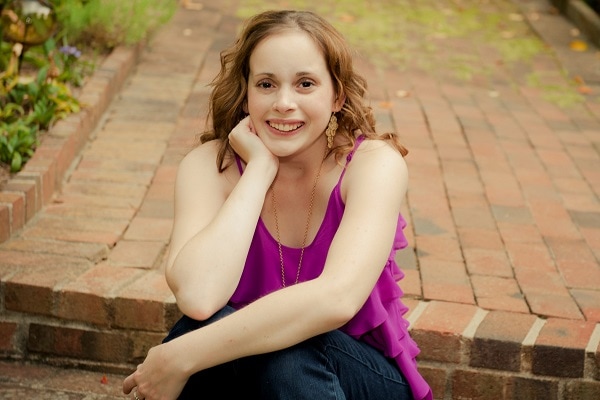
Tori has been through a lot in her 23 years. When she was just two, she fell at a family friend’s house and was obviously in a great deal of pain. At first, her parents assumed the pain was because of her fall. But an astute eye doctor noticed something else. Tori had a large tumor behind her eye and, her fall put pressure on it, which was the cause of her pain. She was diagnosed with stage 3 orbital rhabdomyosarcoma and began treatment immediately.

She had chemotherapy, radiation, and an 8-hour surgery to remove her eye and everything inside her eye socket.

“All-in-all, my treatment went pretty smoothly,” Tori recalled. “I wasn’t sick very often from the chemo and recovered from the surgery without pain medication. After it was over, I started to adjust to having a prosthetic eye.”

Tori naively believed that surviving would mean that she would be able to leave cancer behind. But that was not to be. Because of the harsh treatments necessary to achieve a cure, many children experience a wide variety of side effects, which can be realized immediately after treatment or years later. For Tori, the damage done by her treatment began to manifest itself right away.

Tori had to wear braces on her teeth for ten years. She had multiple jaw reconstruction surgeries, wore upper dentures, and finally got dental implants. Because the scar tissue from her surgeries made it impossible for her prosthetic eye to stay in place, she also had several surgeries to build up her eye socket. Tori estimates that throughout her life, she has had around 100 reconstructive surgeries to rebuild her face. That can be very hard on a girl at any age, much less as she is coming of age.

“The situation caused a lot of self-esteem and anxiety issues for me in school,” Tori said. “I wore my hair over my eye during high school so people couldn’t see. In college, I sucked up my anxiety and wore an eye patch. Most people were nice about it, but of course, some people stared or had a question or comment.”

Things have gotten a lot better for her over the last few years. She finally got a working prosthetic eye and dental implants that have boosted her confidence. While she has missed some school because of her surgeries, she is currently studying nursing with a minor in psychology at Kennesaw State University. She hopes to become a pediatric oncology nurse practitioner at Children’s Healthcare of Atlanta, where she spent most of her youth in treatment.

“I really want to use my experience to help kids,” she said. “Growing up is already hard enough as it is, and I want to be able to put them at ease when they’re in the hospital and to show them that they’re not alone. Having someone who’s been through what they’re going through helps both the child and the parents.”

For all she’s been through, Tori has an amazingly positive outlook.

“It took a lot of faith and the support of my family and real friends to get here,” Tori said. “It’s taken a long time, but things are getting better now because I can finally see the end.”

Madeline and Precision Medicine

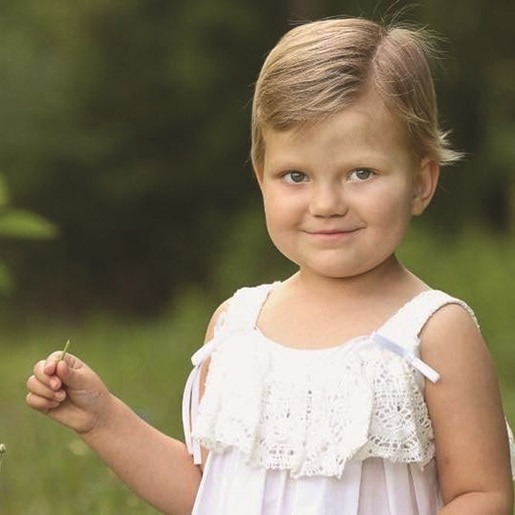
At the age of two, Madeline’s fine motor skills were in the lower 5% range. She had more baby fat than most of her little peers, and an awkward gate when she tried to run. Her family was referred to several doctors, but never discovered the cause behind her issues.

“She fell down a lot and would cry no matter how hard the fall,” recalled her mother, Bethany. “We just thought she was sensitive, but her motor skills continued to fall behind children her age.”

Just after her third birthday, Madeline had terrible leg pain and refused to walk, so Bethany took her back to the hospital. Madeline’s blood work showed that inflammation markers were very high, so doctors ordered a total body scan. They found a football-sized mass in her abdomen that had smashed her bladder and pushed into her intestines, kidney, and liver.  A biopsy of the mass confirmed a diagnosis of neuroblastoma.
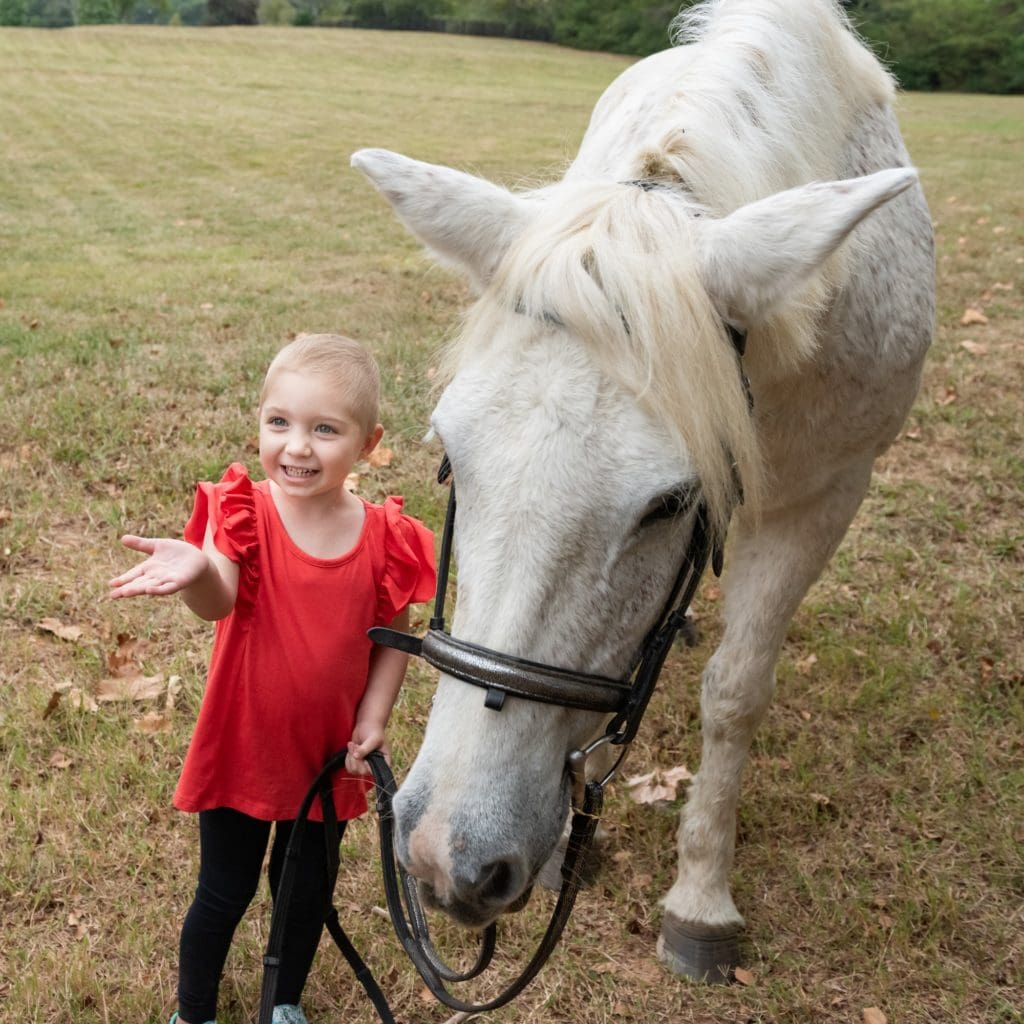
“The signs were there if we look back,” Bethany said. “Madeline wasn’t sensitive. She was probably the toughest kid around. Every one of those falls hurt her badly.”

Madeline began chemotherapy right away.  After two rounds, she was able to walk again. The chemo that proved effective at first slowly stopped working to shrink the tumor. A long surgery allowed doctors to extract 85% of what remained. Unfortunately, the tumor was too intricately woven into Madeline’s spinal column for complete removal.

Madeline was enrolled in the Aflac Precision Medicine Program (APMP) funded by CURE, and the results of her genetic testing were both interesting and useful. Madeline’s tumor had a gene mutation often associated with an aggressive form of neuroblastoma. But fortunately, the remnants of Madeline’s tumor have been stable. Knowing that Madeline has that particular genetic mutation will help doctors in the future should her tumor become active.

Another part of the APMP is the genetic predisposition program, which provides care for children who are at risk for developing cancer due to a cancer predisposition syndrome or a family history of cancer. Madeline’s younger sister, Sedona, has a known genetic disorder called hemihypertrophy. So she was referred to the genetic predisposition clinic to see if her genetic mutation was the same as Madeline’s. If a genetic link between the two was revealed, it might indicate that Sedona had a high risk of developing cancer in the future.
Although no link was found, the fact that both of their children have genetic disorders had an impact on the family as a whole.

“We’ve decided not to risk having additional biological children,” Bethany said. “If we want to grow our family in the future, there are certainly other ways to do so.”

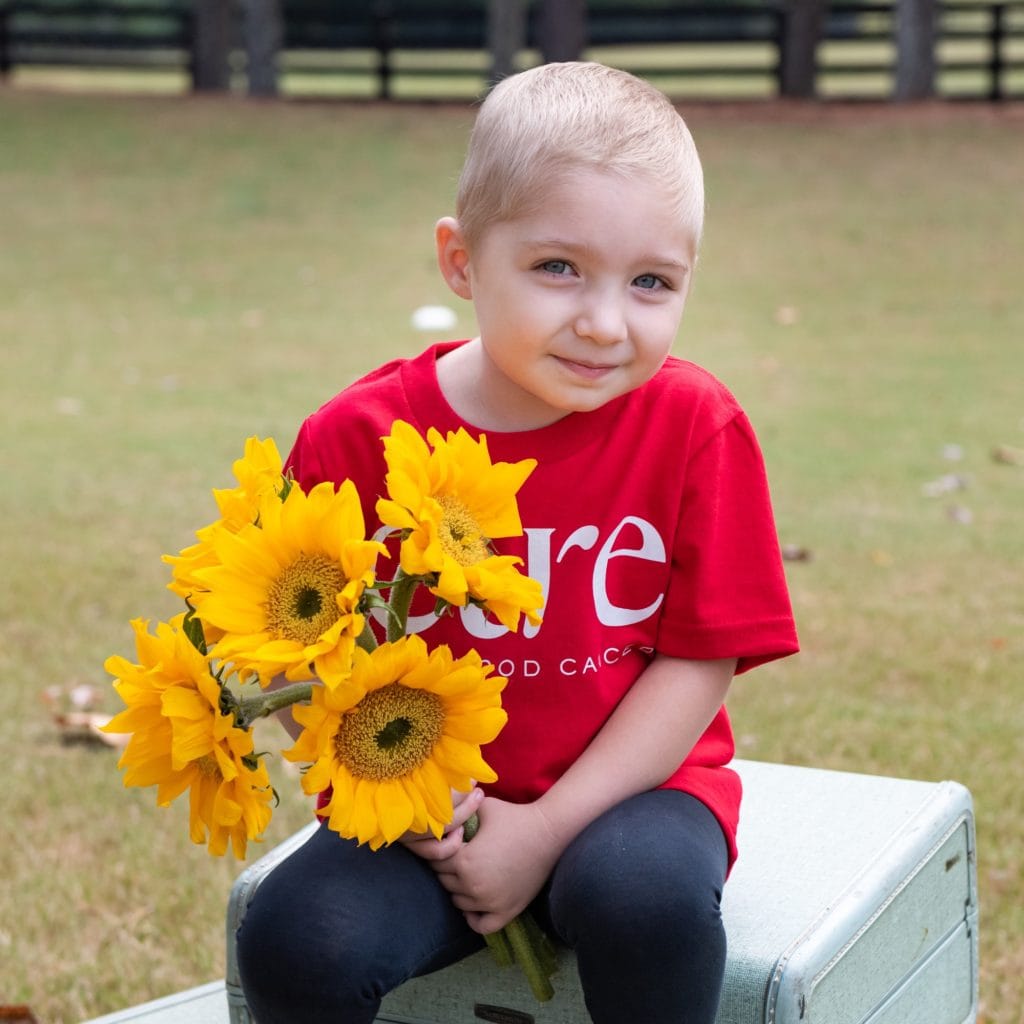
With the mass removed from her stomach and cancer treatment behind her, Madeline is a completely different child. She loves climbing on the playground and using her body now that it works better for her. She rarely cries when she falls down, which proves she is one of the toughest four-year-old kids around.

Take the next step to support research that will help kids fighting cancer… Kids like Madeline.

DONATE

What is Precision Medicine?

In 2017, CURE made an unprecedented $4.5 million commitment to the Aflac Cancer Center of Children’s Healthcare of Atlanta to launch the Aflac Precision Medicine Program (APMP). With this award, the Aflac Cancer Center would become one of only a small handful of pediatric cancer centers nationwide able to offer this cutting-edge treatment approach to children with cancer.

An easy way to understand precision medicine is to think of it as “personalized medicine.” Although we know that every child is unique, today’s childhood cancer treatment does not take into account the genetic differences of each child. Rather, a child’s cancer is treated according to disease type. But often, children with the same type of cancer respond differently to the same treatment. A chemotherapy which is effective for some may fail altogether for others because of the genetic differences at play. That is where personalized medicine comes in.

Over the past twenty years science has made incredible leaps in discovery by finding what is referred to as genetic barcodes – our DNA and RNA. We now understand what healthy cells look like and can often find triggers or markers in a tumor where something went wrong with a gene. By locating and isolating that problem and finding chemotherapies or other treatments proven effective against the genetic problem, doctors hope to improve survival while also minimizing exposures to toxic treatments which are not likely to work.

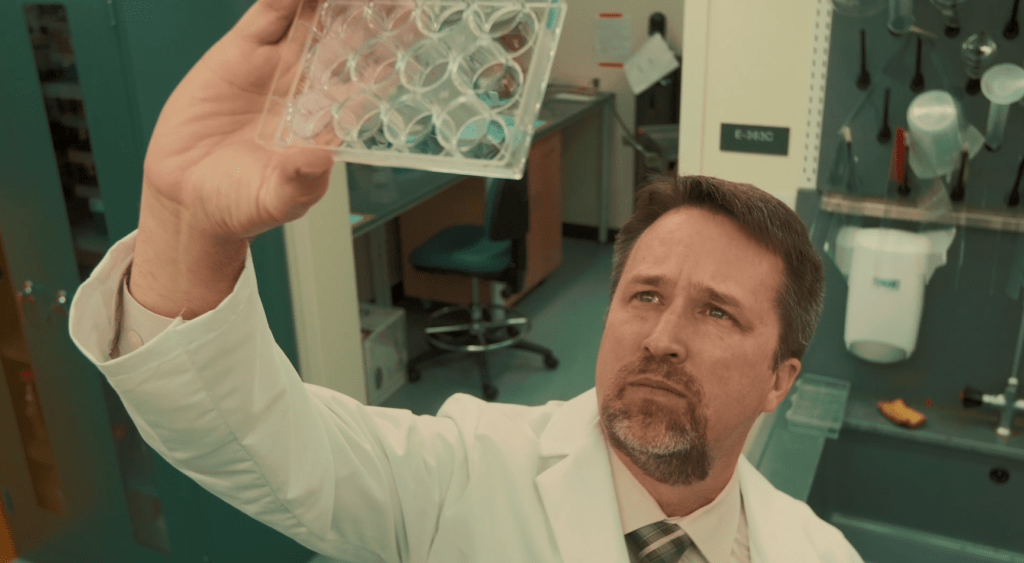
“There are really four outcomes when we look at genetic information taken from a child’s tumor,” explains Dr. Douglas Graham, Director of the Aflac Cancer Center. “The first is the perfect storm – we find a target that has a drug which is known to be effective against it and that drug is approved for children. We also may find a target with a matching drug that is not approved for children and would have to petition for access. The other options are not as optimistic. We may find a target with no drug known to work against it or we may find no target at all.”Scientist examining samples in a laboratory for childhood cancer research.

The first step in the process is getting the child’s genetic information. Since July 2018, CURE has funded the genetic sequencing of more than 200 children with high risk or refractory cancers who would not have otherwise received the sequencing through another source.

 For 78% of the children sequenced, their treatment was impacted by the genetic information obtained!

CURE Childhood Cancer remains determined that precision medicine is one of the most promising methods for improving survival rates in children. And we steadfastly believe that our children deserve the best and safest options available.

Lendmark Financial Services Climbs On

Take away the stadium stairs, the track, and all the fun of Lendmark Financial Services’ annual Climb to CURE and you might think the event would fold altogether. Yet it did not. Despite the fact that the event looked drastically different this year due to COVID -19, the 2020 climb was the most successful to date. Its overwhelming success is a credit to the company’s leadership, teamwork, passion, and determination to make a difference.

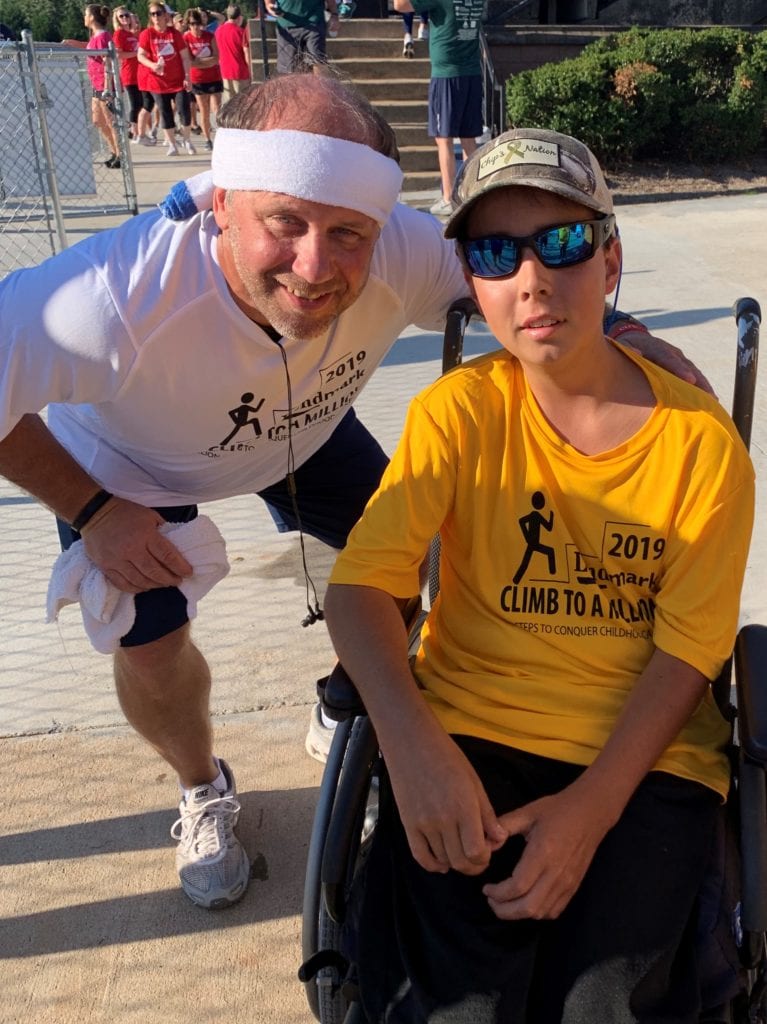
Bobby Aiken and Chip Madren

The Climb to CURE is the brainchild of Bobby Aiken, CEO of Lendmark Financial Services, who watched one of his childhood friends struggle through his son’s cancer treatment. Chip Madren’s fight became an inspiration to Bobby.

“I watched Chip literally fight for his life and win,” he said. “Chip’s fight has made me a better person and has positively impacted many, many lives.”

Being an avid stadium runner, Bobby decided to combine his love of running stadium stairs and his passion for helping children with cancer. He created a company-wide fundraiser – the Climb to CURE. With his own commitment to contributing to better outcomes for children with cancer, Bobby inspired employees, partners, and vendors to join the fight. That was five years ago. Nationwide, Lendmark employees and partners gave and hosted mini-fundraisers. The effort culminated with an in-person stadium climb involving 200-300 people the first four years. Altogether, those efforts raised an amazing $1,843,000.

This year’s COVID-19 requirements of social distancing and limited gatherings forced Lendmark to change the format of the Climb to CURE. Instead of the traditional in-person stadium event, they created a seven-day virtual step competition and fundraising challenge.

“While the local offices missed the fun and spirit of getting together, this year’s format allowed branches from coast-to-coast to fully participate. Being virtual was a different dynamic that spawned a lot of creativity,” said Kelsey Treadwell, Lendmark’s Marketing Manager.

Lendmark has 366 branches across the country, and many of them raised money in traditional ways. But some held unique fundraisers perfectly suited to this unique year. In Princeton, Kentucky, the branch formed a partnership with an Auntie Anne’s truck which donated proceeds of pretzel sales. The Pueblo, Colorado branch organized a motocross race complete with sponsors and merchandise which raised $8,000. Employees in the Clarksburg, West Virginia branch hosted a bingo night. Even though they had to limit attendance to half-capacity, they were able to raise the highest total of any branch at $11,000!

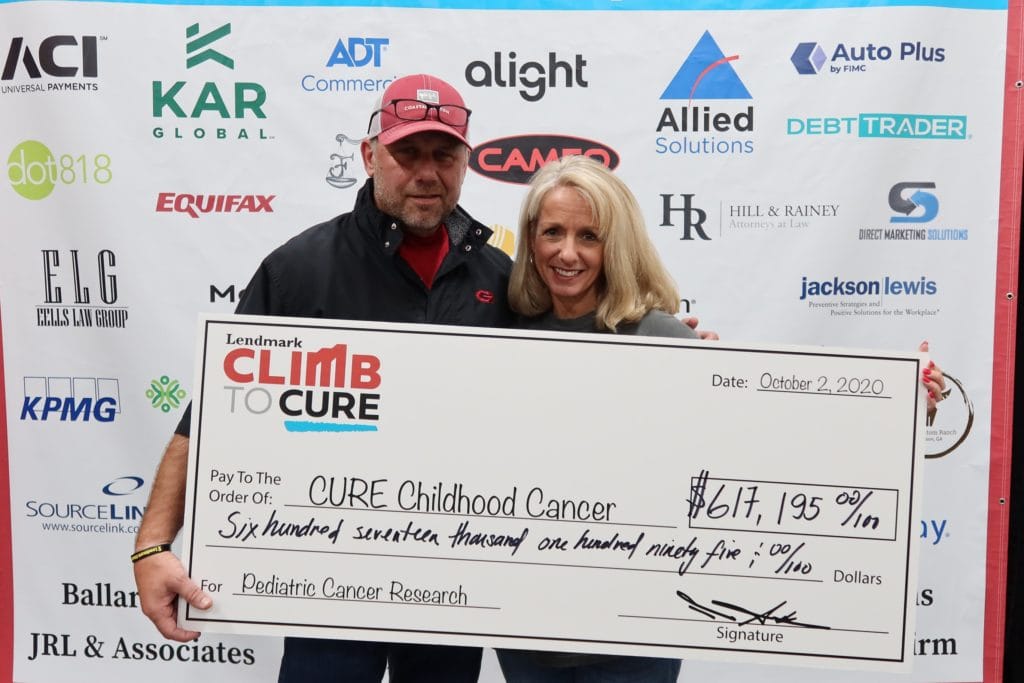
The company also stepped up in a big way by creating an incentive raffle. For every $100 a branch raised, they received a raffle ticket. The winning branch received quite a prize: all employees get to attend the company’s Choice Awards next year in Scottsdale, Arizona. Lendmark’s partners and vendors continued their support of the company’s efforts by giving generously. To culminate the event, Lendmark held a virtual “climb”. Employees laced up their tennis shoes and walked 13,186,408 steps, totaling more than 6,500 miles. Incredibly, the Climb to CURE raised a record-breaking $617,195!

The funds raised by Lendmark support CURE’s Precision Medicine Initiative, which involves precise gene-based treatment. CURE is leading the way in advancing this innovative therapy. Our work would not be possible without Lendmark’s support.


“People want to know where their money is going, which is why we focus on precision medicine,” said Ethan Andelman, Lendmark’s Chief Marketing Officer. “We’ve embraced CURE and their Precision Medicine Initiative in the hopes that it becomes the first line of treatment for kids with cancer.”

In October, CEO Bobby Aiken made a stunning announcement: Lendmark’s goal for the 2021 Climb to CURE is $1 million! With the passion and dedication they’ve shown, Lendmark has proven there is no mountain they won’t climb for kids fighting cancer.

What Amaiyah Is Wishing For

Until early this year, Amaiyah had always led a very active life. She enjoyed hanging out with her three sisters, drawing, and praise-dancing at church. But in February she stopped acting like a typical seven-year-old. She slept more than normal, had little appetite, and got tired very quickly. Her mother took her to their pediatrician, who drew blood and diagnosed Amaiyah with mononucleosis. The doctor recommended that they schedule a follow-up visit in a month if she wasn’t feeling better. But Amaiyah continued to slow down and her symptoms only got worse. So in March, her parents took her straight to the emergency room.

When they arrived, Amaiyah’s blood sugar was at a level considered very dangerous, and she began going through an adrenal crisis. These symptoms indicated problems with the endocrine system, which is controlled by the pituitary gland. She was admitted to the hospital to stabilize her condition while doctors performed further testing.

The next day, the world began to shut down as COVID-19 took hold.

Imagine dealing with a sick child in the midst of a once-in-a-lifetime pandemic, with quarantines and social distancing. While Amaiyah’s family searched for answers, they worried that Amaiyah would be exposed to COVID-19 at the hospital and doctors’ offices they were visiting. They wondered how to keep her three sisters safe, as well.

After a week in the hospital, Amaiyah’s family got devastating news.

“The doctor finally came back and said she had a tumor pressing on her optic nerve,” said Amaiyah’s mother, Tequila. “The doctors informed us that she would need surgery in the near future, and they sent us home with medication to replace the function of the pituitary gland.”

Amaiyah’s surgery to remove the tumor took place on June 18. The tumor was wrapped around her pituitary gland, which regulates many of the body’s functions including blood sugar levels. A slice of the tumor was sent off to determine the type of cancer, and soon her family learned that she was fighting a malignant pure germinoma, a type of brain tumor that responds well to chemotherapy and radiation. After recovering from the surgery, Amaiyah had her port placed and began chemotherapy to shrink what remained of the tumor before moving on to radiation therapy.

“After her first chemo treatment, she did better than I expected,” said Tequila. “She was even able to eat afterward. But the chemo treatments have gotten progressively worse for her and recovery time takes longer.”

Knowing that the chemo would result in Amaiyah losing her hair, her mother, father, aunt, and even her grandmother shaved their heads in support. While the chemotherapy wasn’t easy, she knocked it out with only a few side effects. When she was with younger patients in the clinic, Amaiyah would even offer advice – telling them to remain still while receiving their treatment so the process would go faster.

Amaiyah’s next phase of treatment involved daily radiation at the Emory Proton Therapy Center in Atlanta. Proton therapy differs from standard radiation by delivering a beam of radiation that stops at the tumor instead of spreading beyond it like traditional radiation therapy, thereby reducing damage to healthy tissue. On the way to her appointments, she got a surprise when she saw herself on a CURE billboard.

“The first time we saw her face on the billboard, she almost missed it,” said Tequila. “We had to pull over and wait for the billboard to show her again. She was so excited to see herself up there!”

The proton therapy was a welcome relief from chemo and has been much easier to handle. Her energy level has been good, and Amaiyah’s family hopes to hear the words “No Evidence of Disease” very soon. Amaiyah is looking forward to being finished with treatment just in time to celebrate Christmas with her family. Being healthy again will be the best gift of all.

CURE is dedicated to conquering childhood cancer through funding targeted research while supporting patients and their families. Your gift of any amount will fund research that will allow kids like Amaiyah to live out her dreams.

DONATE

A Rain on Parched Hearts

Anna Hanger was an extraordinary young woman, wise beyond her years and generous beyond words. In June 2003, Anna was diagnosed with a brain tumor. Her treatment was long and hard, and she suffered many complications which caused her to be hospitalized for the better part of a year. While she achieved remission in 2004, it was short lived, and her cancer returned just months later. Doctors told her family there was no further treatment for Anna and urged her parents to quickly take a Make-A-Wish trip due to Anna’s poor prognosis and their concern that her quality of life would begin to decline quickly.

Anna and her parents did take a “final” trip. Anna was scheduled to have surgery two days after they returned. Prior to surgery Anna had an MRI. With tears in her eyes, Anna’s doctor shared the incredible results: Anna’s tumor was shrinking. Anna’s tumor continued to shrink over the next year. Although she remained cancer-free for many years, Anna faced several challenges in her young life.

No one would have blamed Anna if she became sad and angry as a result of her limitations and very serious challenges caused by the brain cancer and treatment. But that just wasn’t Anna. From the time she was diagnosed and received an outpouring of love and support, including gifts and cards from family and friends, Anna became very aware of the other children at the hospital who were not getting the same kind of support. It touched Anna deeply and was very hard for her to accept. In spite of the fact that Anna was almost completely deaf, had severe scoliosis from radiation treatments, significant balance issues, loss of feeling on one side of her face, and many other permanent disabilities, she became obsessed with finding a way to help the other children with cancer. The idea of Anna’s Angel Fund was born.
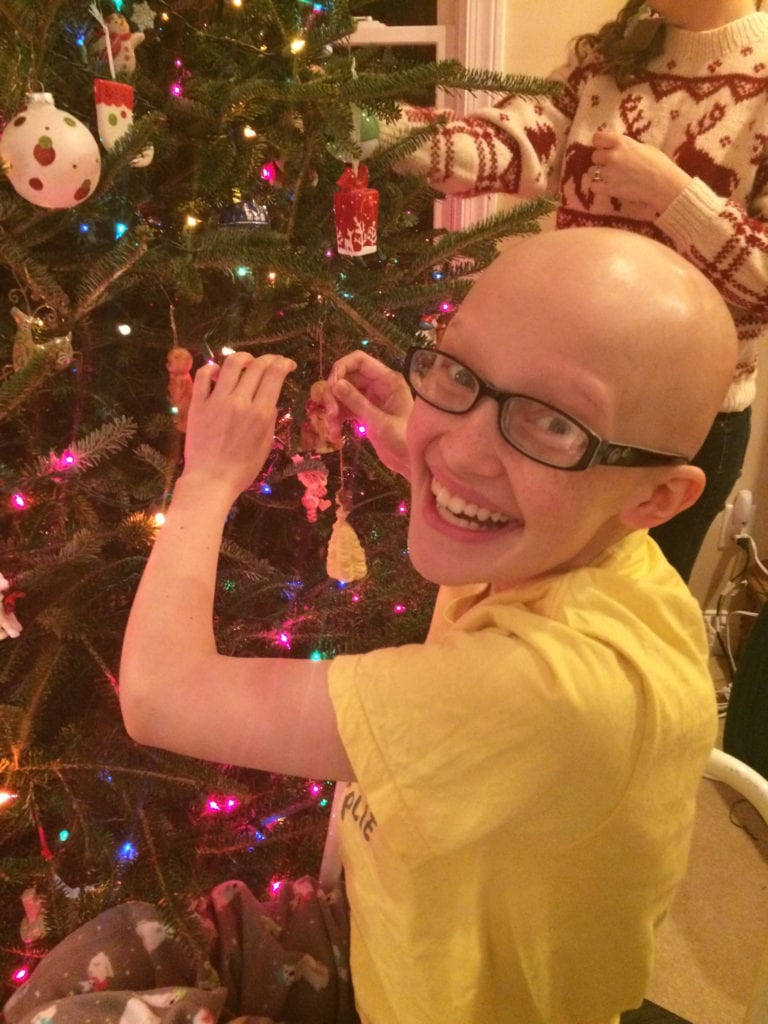
When people asked what they could do for her or what gifts they could bring her, Anna suggested they make a donation to her Angel Fund instead.

The Angel Fund gave Anna a way to help the children who touched her heart and also became something positive for her to focus on while facing her own battles every day. Anna maintained this fund for years, and of course, she insisted that all of her financial aid and gifts be made anonymously. Over the years, Anna raised and gave away more than $600,000 to children and families whose lives had been devastated by pediatric cancer. Anna found joy every day in making her gift of life count for other children. The fund was eventually retired, but Anna never stopped caring about and working to make life better for children with cancer.

“Through the generosity of its supporters, Anna’s Angel Fund will be a much-needed rain on their terribly parched hearts.”

In June 2019, Anna’s cancer returned, and she passed away in August 2020. Her parents, Larry and Lisa, recently faced their first Thanksgiving without their precious daughter. They drew on her grateful spirit and generous heart to get through.

“Throughout Anna’s life, and especially during her battle with cancer, we’ve expressed just how precious it has been to embrace gratitude,” Lisa shared. “Even now as we face the hardest days of our lives and struggle to learn to live without Anna, gratitude and grace sustain us.”

It is in that same spirit that her family has revived Anna’s Angel Fund as a Named Fund of CURE. All funds received will be directed towards CURE’s patient and family support programs.

“Reviving Anna’s Angel Fund is what Anna would want,” Lisa said. “Donations to the fund are directed toward CURE’s patient and family support programs because families fighting cancer are trapped in thoughts of mounting bills, loneliness, and fear of what the future holds. Through the generosity of its supporters, Anna’s Angel Fund will be a much-needed rain on their terribly parched hearts. In that way, our sweet Anna will still be making life better for children with cancer and their families.”

A gift to Anna’s Angel Fund will help to continue her legacy of caring for and helping families of children with cancer.

DONATE

Cancer for Christmas

My wife sat at her laptop furiously compiling the lists for our four girls. She checked it once, then again while travelling to website after website scouring the internet for the best price and delivery. Items were added to baskets and carts checked out at such a frantic pace that I literally felt a warmth emanate from the credit card in my back pocket. Shopping at a fever pitch – Christmas delivered in two days or less. Not like most years, where she disappears for hours on end to find the perfect gift at the mall. She didn’t have time for that because we got cancer for Christmas.

We didn’t ask for it. It wasn’t circled in a catalog or written in red crayon. No one sat on Santa’s lap and begged for it. No, cancer just showed up unannounced and took our year away. So rather than spending quality time with each of the girls to weigh their enormous wants against our limited budget as in years past, my wife spent Saturday morning hunting and pecking under great duress. Do they have the right size? Will it be delivered on time? Is that really something she will use, or should we just give her cash?

At some point during the madness, I asked her what she wanted for Christmas. She paused to consider. Her eyes got red and her mouth failed her. She didn’t answer, but I knew. I knew what she wanted the second I asked the question. It was the only thing either of us wanted.

We wanted our baby to stop hurting. We wanted her to stop having to face treatments that made her sick and waste away. We wanted her legs to work. We wanted her hair to grow back so people wouldn’t stare at her.

We wanted to give cancer back!

But giving cancer back wasn’t an option for us that year, so we worked hard to navigate cancer treatment and the holidays together. Did you get cancer for Christmas? From our experience, here are five things you can do to make your family’s holiday season as bright as possible.

  • Keep as many holiday traditions as you can. Much-loved traditions remind us of better times when the current situation is not the way we would want it.
  • Take cues from your little patient. If they are ready to celebrate, celebrate hard. If they need to rest, accommodate that.
  • Find a balance. Your other children are hurting too, but they need and deserve to have as much normalcy as they can. It is a tough and stressful job to find a balance that allows everyone to have the best holiday possible. But it can be done.
  • Be open and get input. If you can find out what is most important to each family member, no one has to lose the things they love best about the holidays.
  • Find joy wherever you can. Whether in the giving of special gifts or time spent together, there is always joy to be found if you seek it out.

Dealing with a cancer diagnosis during December certainly puts a damper on holiday spirit. But it doesn’t have to end it altogether. Although it may seem impossible, if you are intentional, you and your family can still have a wonderful holiday.

Catie’s Fund

Making a Difference Through Community

Effingham County resident, Catie Wilkins was diagnosed with an aggressive brain tumor on her first birthday. Catie fearlessly fought her cancer, but the chemotherapy compromised her immune system so severely that she succumbed to a common virus before she reached her fifth birthday. In response to this tragedy, a special community has formed that is making a meaningful impact in the fight against pediatric cancer.
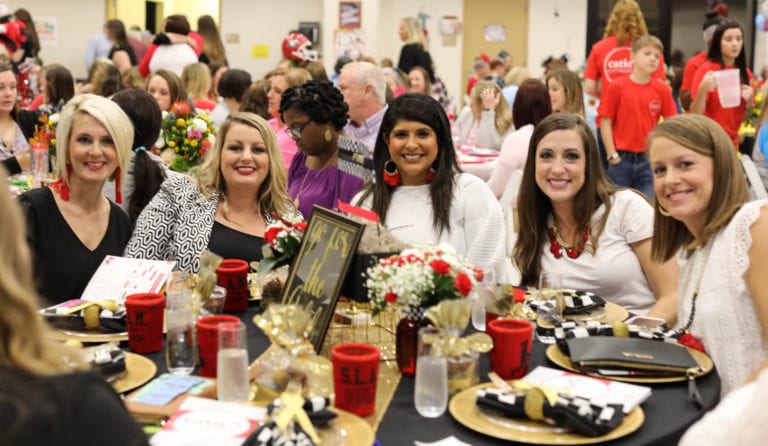
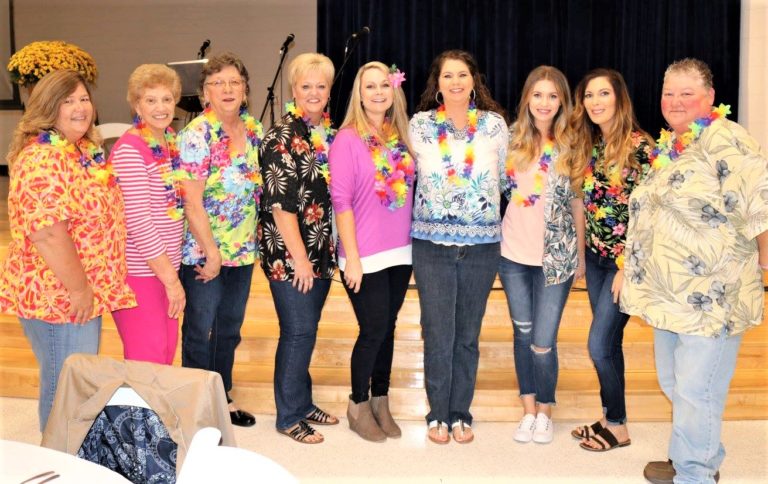
Effingham County sits on the Savannah River and while it has grown, it still boasts the small-town feel of its agricultural heritage. It is a place the Wilkins family is proud to call home. In the aftermath of their tragic loss, they knew Catie would want them to help other families, so they founded a Named Fund at CURE in her honor.

“Catie’s treatment was hampered by a lack of available options,” Jenny said. “There has been little research in treating childhood cancers, and our family felt that this needed to change.”

Their community embraced Catie’s Fund from the beginning. This year, the fund surpassed an incredible milestone by raising more than $2 million since its inception. This wouldn’t have been possible without people like James Carlson.

James owns Carlson & Company, and while he has no direct tie to childhood cancer, he has seen local families struggle while going through treatment. He and his company are actively involved in the Catie’s Gathering dinners, the primary fundraisers for Catie’s Fund, and donate event space, tents, and food.

“I’ve watched Catie’s Gathering evolve from hostesses using paper plates and plastic forks to using fine china and silverware,” James laughed. “I’m proud to be a part because of the impact it allows CURE to have in our community.”

The schools in Effingham County have been a huge part of the success of Catie’s Fund. The leadership at Springfield Elementary School wanted to impress upon their students the value of making a difference.

“We had a student who fought cancer, and we wanted to give the kids ways to help,” said teacher, Allison Brand. “Through dress-down days, coin drives, and other fundraisers, we’ve been able to contribute a lot of money. It’s great to see the kids really get into helping other kids.”

Apryl Lee attended a Catie’s Gathering event and felt the need to pitch in. Apryl founded a local SLAM (Sweat Like A Mother) group. This is a community of mothers and their children with a goal of fitness and health. While they celebrate their healthy children, she has used her forum to raise awareness and money for Catie’s Fund.

“I wanted to set an example for my children,” Apryl said. “I want them to know that we do what we can, when we can, to help others.”

Being next door, adding a Catie’s Gathering dinner in Savannah was a natural progression that became a reality in 2013 when Mandy Garola attended the Effingham event while her daughter, Cora, was in treatment. Seven years later, the Savannah Catie’s Gathering continues to thrive and has been supported by individuals and businesses, such as Coastal Electric, which has become the event’s title sponsor.

Thanks to the efforts of friends like Jody Polk, the Catie’s Fund community spread even further. Jody’s daughter, Anna Hays, is a leukemia survivor, and five years ago, Jody brought a Catie’s Gathering dinner to Statesboro. After the death of a local child, Morgan Frison, Jody spoke of what motivates her.

“Morgan’s life held such beautiful potential,” Jody said. “Morgan and children like her are the reason that I will continue to raise funds for CURE and push for less harsh treatments created specifically for children.”

Likewise, longtime friend of the Wilkins family, Angel Shurling, started a Catie’s Gathering event in her hometown of Bryan County four years ago.

“There were two children in our community who were diagnosed with cancer,” Angel said. “Every heart was open to them, and people wanted to make a difference. Catie’s Gathering gave them that chance.”

Thanks to their amazing and ever-growing community, the Wilkins family, Catie’s Fund, and all those involved are making a huge difference in the lives of children fighting cancer today and those yet to be diagnosed. It has become a beautiful legacy for a little girl taken too soon.

To learn more about Catie’s Fund and Catie’s Gathering events

CLICK HERE

Giving Back

Andy and Jana Dufresne didn’t feel like they belonged in the emergency room. On that chilly December evening, the hospital was packed with children who were obviously sick while their son, Watson, only had a rash and a low-grade fever. But their pediatrician had sent them, and so they waited their turn to be seen. The news that soon came their way was shocking.

“The nurse drew blood from Watson, and an hour later the doctor came back with a diagnosis of leukemia!” Andy recalled. “Watson’s symptoms were so mild that we never even considered cancer. But there we were discussing treatments and outcomes. What we thought was a rash were actually tiny bruises.”

Watson had acute lymphoblastic leukemia, which is the most common childhood cancer and the most treatable. Since it was a Friday when he was diagnosed, Watson was scheduled for port placement surgery the following Monday morning. That day would also start a chemotherapy regimen that would last more than three years. For young parents, it was a daunting prospect.
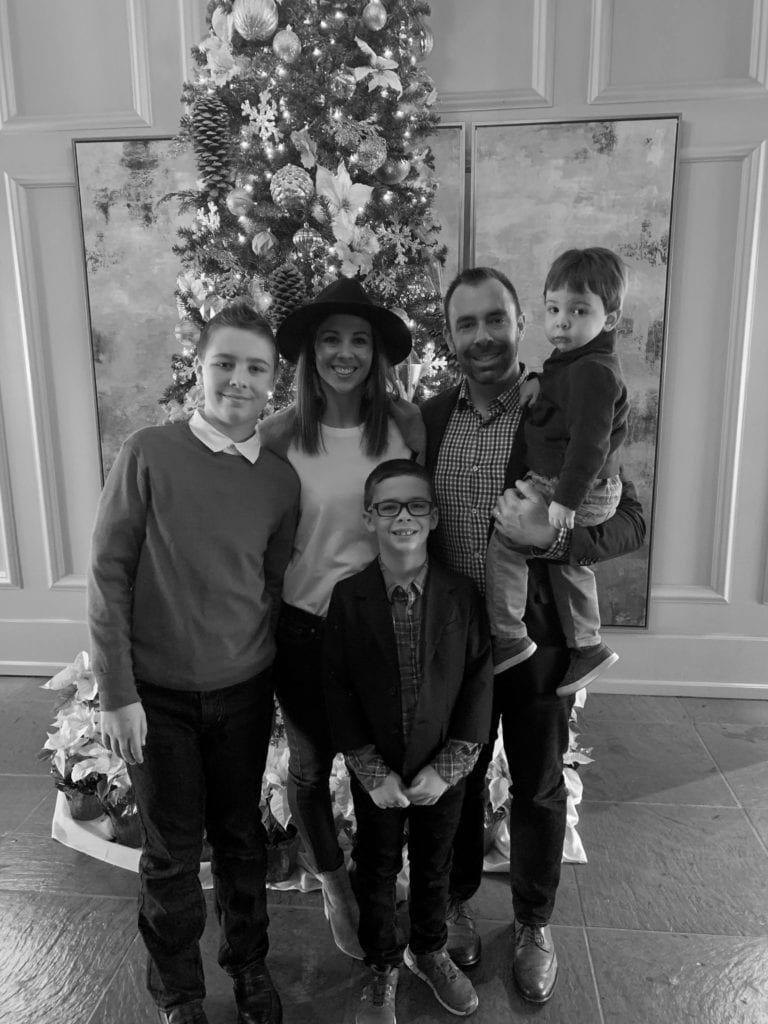
“We started to doubt ourselves as parents,” Andy said. “We wondered if there was something in our house or if we had done something to bring this on.”

Andy and Jana felt compelled to enroll Watson in a study that would compare the standard treatment to a more aggressive one. Their hope was that doctors could learn ways to improve outcomes for children yet to be diagnosed. Watson was randomized into the standard group, and he took the physical brunt of treatment while his parents struggled with the emotional side of it.

“We had great family support and were embraced by organizations like CURE which are there to help,” Andy shared. “But it was difficult to watch him go through so much. Watson wasn’t able to leave the house for the first nine months, and his treatment totally dominated his life. In fact, when his brother was born, Watson asked what was wrong with him because his brother didn’t have a port.”

It has been ten years since that fateful day in the hospital, and Watson is doing great. His family stayed away from things related to cancer for a time but began to feel they have a responsibility to other children and families facing childhood cancer. Through various efforts, they began fundraising for CURE and recently found a new way to engage.

“We love that CURE is focused on children and balances their efforts between funding research to eradicate cancer and caring for families,” Andy said. “I happened to be on the website and saw the page about the Young Professional Leadership Council. I thought it looked like the perfect thing for me.”

The Young Professional Leadership Council (YPLC) is a group of dynamic and emerging leaders in the Atlanta community with a passion for advancing CURE’s mission. Council members meet monthly and support CURE through various volunteer opportunities and their annual fundraising event, Spring Fever.

“I never want to lose sight of what Watson went through,” Andy said. “The YPLC allows me to work with like-minded individuals who are socially-active and charitable. I feel obligated to help based on our experience, but the YPLC lets me serve out of a passion for the cause.”

Andy has recently joined CURE’s Board of Directors and we appreciate his dedication and willingness to serve in that capacity.

How to Keep a Routine with a Child in Treatment

By Mariah Dantzler, MS

It is important to understand that it may be inconvenient or nearly impossible to keep a routine while a family member is undergoing cancer treatment. But we know that rhythm and routine create feelings of safety and security. The following tips may help your efforts to create a routine within your family during this time.

When a child is first diagnosed with cancer, the parents’ focus is inevitably on getting their child the care and treatment they need. This focus continues through treatment and can last months or even years. Parents also do everything they can to ensure the rest of the family is cared for. However, due to doctor’s visits, hospital stays, and inevitable emergencies, things that had been normal in family life may fall to the wayside as the child in treatment needs to take priority. In order to acknowledge the shift in priorities while protecting the rhythm of the family, consider the following:


    • Identify 3-5 lifelines. Lifelines can be close friends, family, or members within your community who will rally around you and take on any task thrown their way. These are people who will help with transportation needs, laundry, lawn care, or whatever needs to be done.


    • Create a family mission statement, crest, or logo. You can often refer to this with your family in times of stress or hurt to bond together.


    • Try to keep siblings on their schedules as much as possible. For instance, keep them on their sports teams, in their favorite activities, and allow them to continue to have play dates. Rely on your lifelines to work out logistics.


    • Dedicate a time each month to have uninterrupted family fun time.


    • Keep bedtimes the same.


    • Make a chart of things that may change during this time, also noting what will still stay the same. This allows children to anticipate and prepare for inevitable change – but still feel confident they can rely on some things to remain the same.


    • Try to honor choices and individual preferences for children in the family in the areas they can control. Allowing them to choose such things as the clothes they wear, the snack they eat, or the television show they watch increases their feelings of having some healthy control of their lives.


    • Play with your children whenever you can. Younger children rarely discuss their problems openly, but they tend to show you how they are feeling through play and activity.


    • Encourage your kids to still have fun when they can. They need to know it is still okay to experience joy even during this challenging situation.


Coping with cancer is never an easy task, especially when a child is the one who is suffering. Just remember, your whole family is in this together, and all of your children need your attention more than anything else. Cleaning and laundry can wait! Love on them, spend time with them, and give all of them hugs just because.


Mariah Dantzler, MS is an Associate Professional Counselor who works with children and their families at the Summit Counseling Center, located in Johns Creek, Georgia.

The Ripple Effect

What if you could take your money and double or maybe even triple it? Investors are looking for that kind of return every day. One such man, Dr. George MacMaster, was pondering how to do this, too. But his quest for profit was never for his own financial gain.

Dr. MacMaster (or Dr. Mac, as he is affectionately known) married his high school sweetheart, went to dental school, then settled in the small, lazy town of Alpharetta to start his pediatric dentistry practice. He founded Alpharetta Children’s Dentistry in 1989. At that time, he had no way of knowing the population boom that would soon spring up around him.

“When we started our practice, the exit of 400 was a stop sign,” he laughed. “Old Milton Parkway was one lane in each direction.”

Alpharetta is now one of the largest and wealthiest cities in Georgia. As the city grew, Dr. Mac’s family and practice did also. He and his wife have three adult children, and the practice now has four pediatric dentists and an orthodontist. Years ago, he began looking for a cause that he, his family, and his practice could support. Through a friend whose wife was a pediatric oncology nurse, he found out about CURE.

“I wanted to find a good cause that everyone could get behind,” Dr. Mac said. “If children with cancer don’t move you, then nothing else will!”

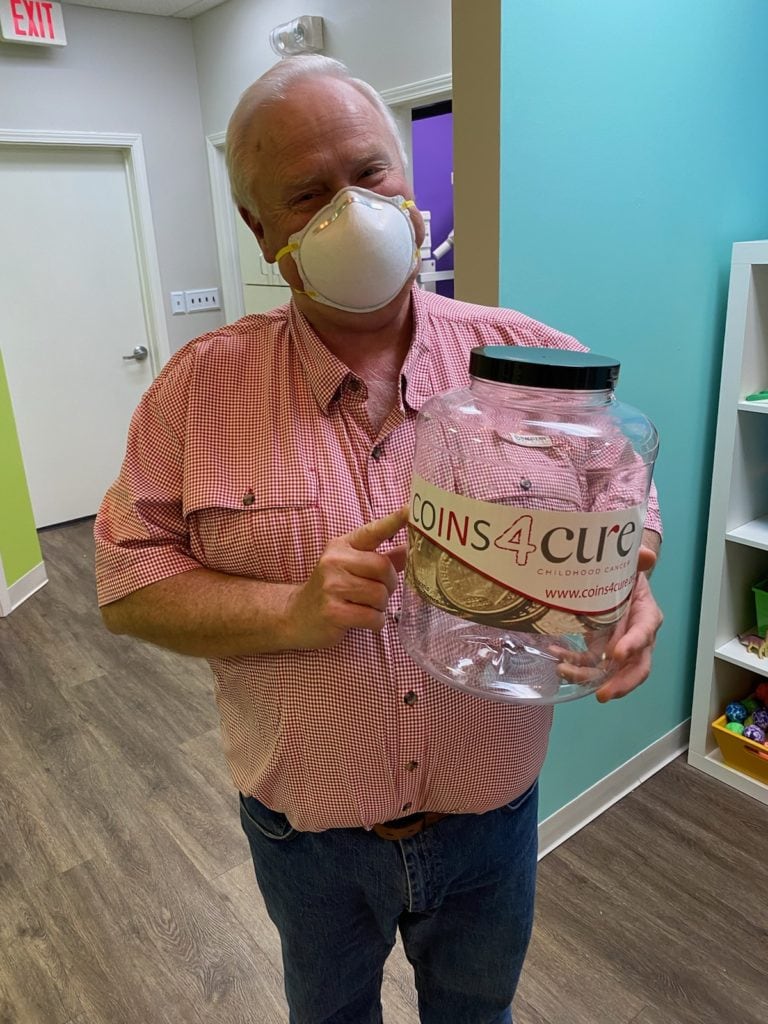
But Dr. Mac wanted to do much more than simply write a check. He wanted to invest his money to have a greater impact, while ensuring no overhead cost to CURE. So he began having meetings with his staff where they considered how to accomplish that, considering ideas like a charity race or concert. They finally settled on a coin drive because it offered many possibilities – and Coins4CURE was born.

“First of all, we’re not even asking for a buck,” mused Dr. Mac. “Change is disposable these days, and we like to say that we don’t want your quiet money, just the noisy kind. Secondly, we really like the idea of kids helping kids and we felt like we could start our program in schools.”

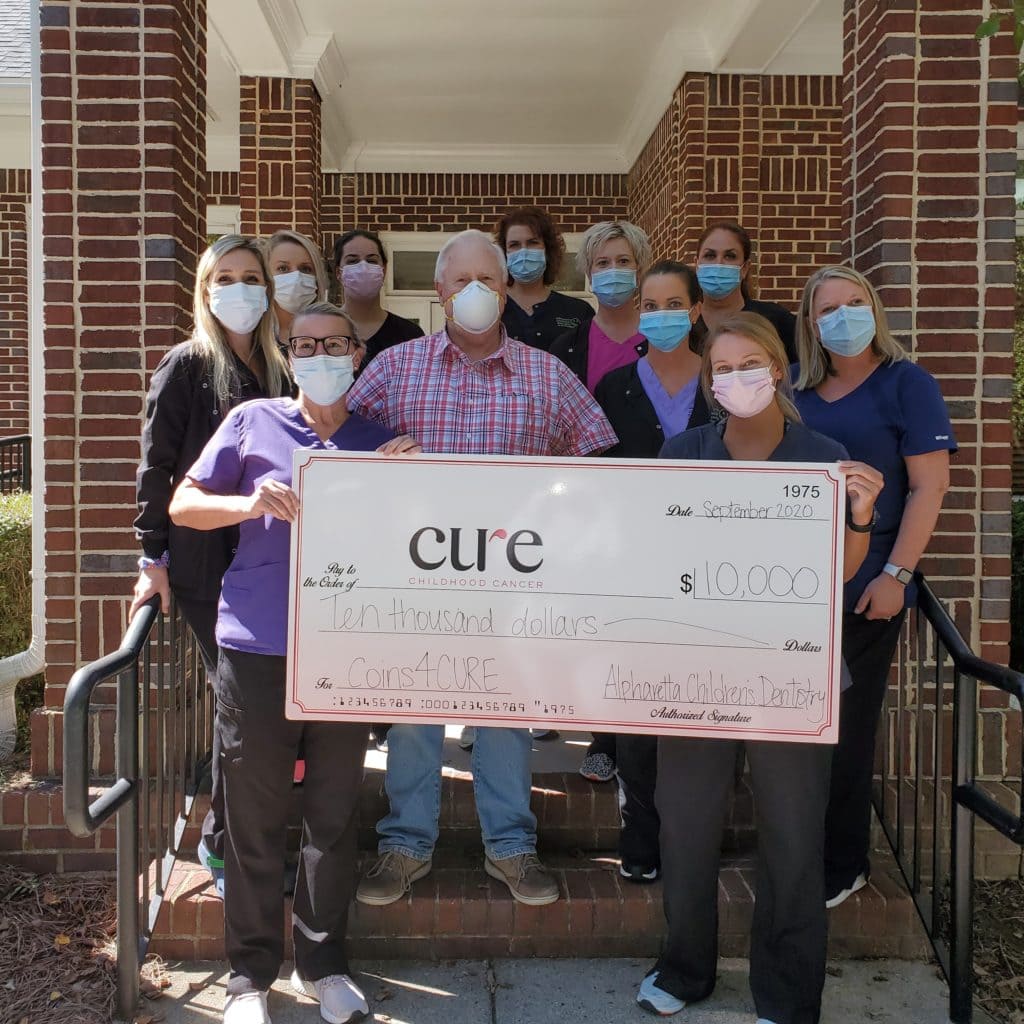
The ripple effect of the creation of Coins4CURE has been enormous. Since 2014, 250 schools, businesses, and organizations have raised more than $358,000 – one coin at a time. Dr. Mac’s initial investment has yielded incredible returns, and he offers some advice for those considering something similar.

“It’s a simple formula for us,” he explained.

“Cash plus effort multiplies impact. We provide the tools to raise money, but it also requires a highly motivated person at each location to take the ball and run with it. We just have to find those people. I have not been personally affected by childhood cancer, but this is the right thing to do.”

We applaud Dr. Mac and his team for their hard work. Their efforts have advanced research and brought tangible help and comfort to children fighting cancer and their families. They’ve also created a model that others can follow to create a ripple effect of their own.