

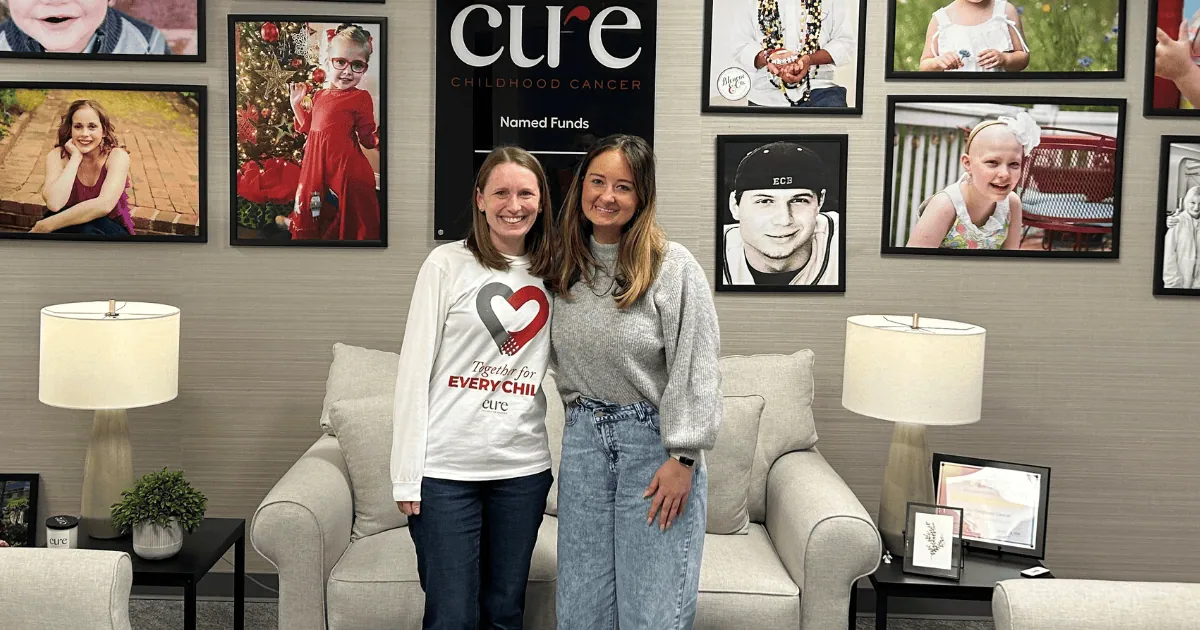
Wecome Kate and Katie
Among CURE’s dedicated staff are eight parents of survivors, two bereaved parents, four siblings, and now, three childhood cancer survivors. This perspective isn’t something we sought out; it’s what naturally happens when people who’ve walked this path find their way to work that honors their journey. Wherever a family is in their childhood cancer experience, someone at CURE has been there too.
This month, we welcome two tremendous additions to our team, both of whom are childhood cancer survivors.
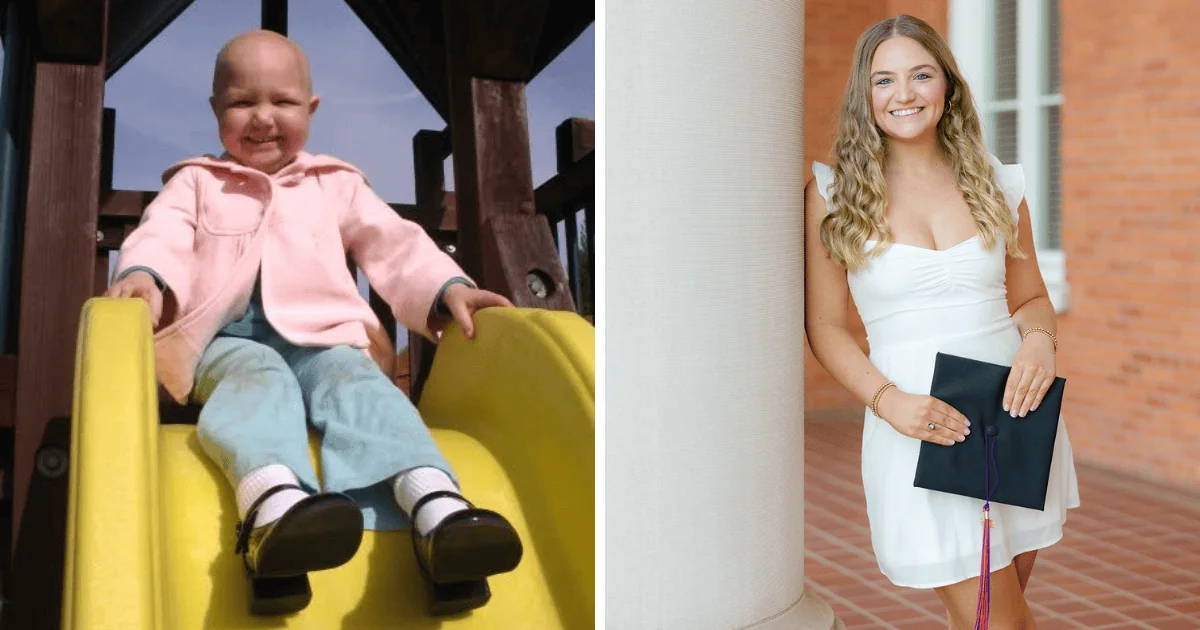
Kate Bellamy was just two years old when she was diagnosed with leukemia. Though she doesn’t remember much from those three years of treatment, childhood cancer shaped her path in profound ways. Growing up, CURE was woven into her life. She was treated by CURE’s founder, Dr. Abdel Ragab, and even appeared on a CURE billboard as a child. The organization that supported her family became a familiar presence, and the medical environment felt like a second home.
That early experience led Kate to pursue a master’s degree in family and child development and spend eight years as a child life specialist. She still remembers a nurse who gave her a party blower during treatment to help her calm down. It was a small gesture that would later become a tool she used to comfort other children in her own career.
Now, Kate is bringing that compassion to an important role. At CURE, she will be at the hospital with the families, providing help and support during their time of greatest need. “Being able to help families in a tangible way during such a difficult time is deeply meaningful to me,” she shared.
Katie Rutherford’s cancer story began during Christmas break of her sophomore year of high school, when a small bump on her chin grew into something that would change everything. A rhabdomyosarcoma diagnosis meant 48 weeks of chemotherapy and 30 days of radiation. She pushed through treatment while keeping up with schoolwork, graduated with her class, and never lost sight of what matters most.
After graduating from Valdosta State University, Katie worked for Children’s Healthcare of Atlanta and is now starting a new chapter as CURE’s Senior Development Coordinator for Events & Initiatives. In this role, Katie will channel her experience into action for others.
“I’m thrilled to join CURE because the organization champions childhood cancer research while creating real, immediate impact for families today,” she said. “This work makes a difference to so many people, including me and my family.”
Kate and Katie remind us why we do this work: because every child deserves the chance to grow up, find their purpose, and make a difference.

 Webb was diagnosed before he could crawl, before he could sit up, and before he could speak. He has battled his whole life. What started as difficulty and eventual inability to eat led to difficulty gaining weight, and the inability to meet developmental milestones. Finally, at seven months old, Laura and Scott knew the reason why.

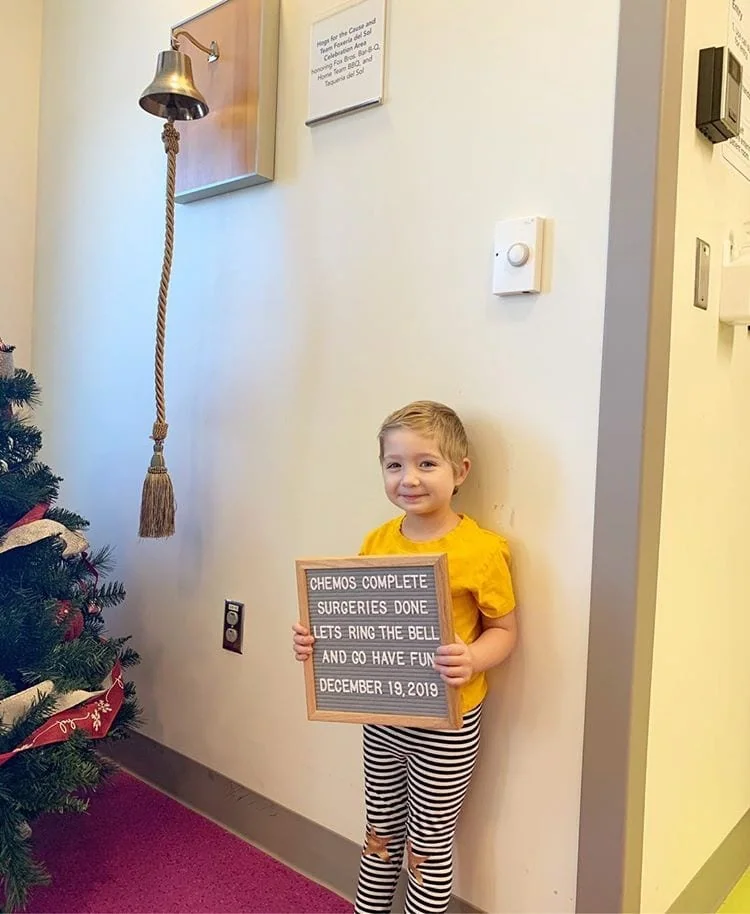 After two rounds of chemotherapy, Madeline regained her ability to walk. Surgeons managed to remove 85% of the tumor, though its connection to her spinal column prevented complete removal. Genetic testing through CURE’s Precision Medicine Program revealed a mutation associated with an aggressive form of neuroblastoma. But fortunately, the remnants of Madeline’s tumor have been stable. Knowing that Madeline has that particular genetic mutation will help doctors in the future should her tumor become active.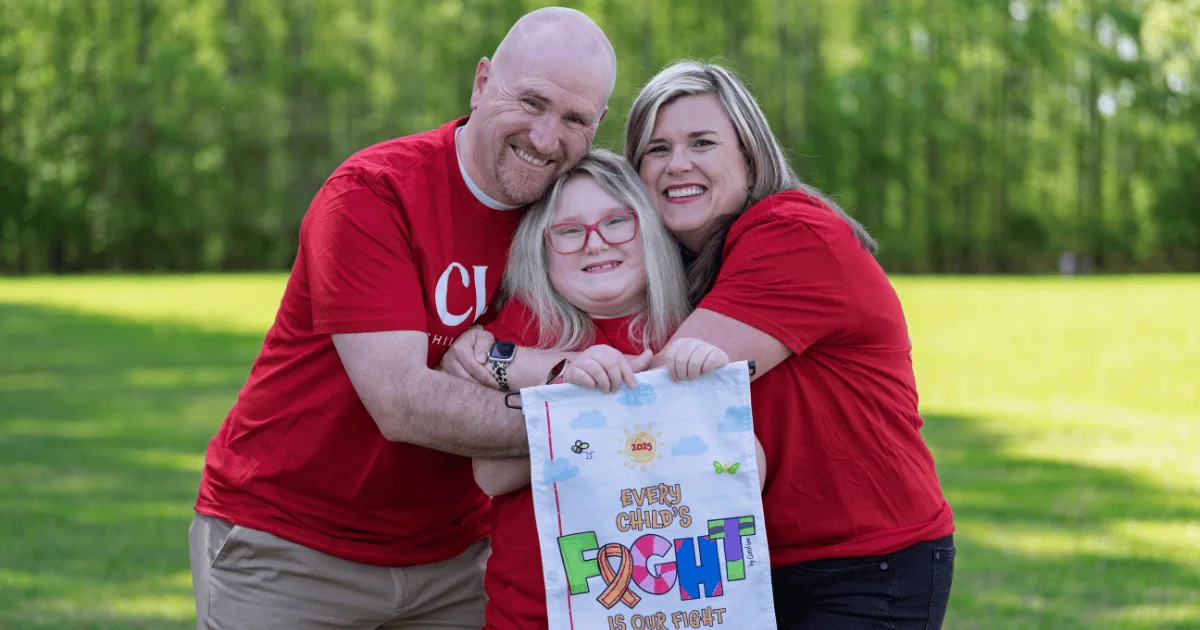
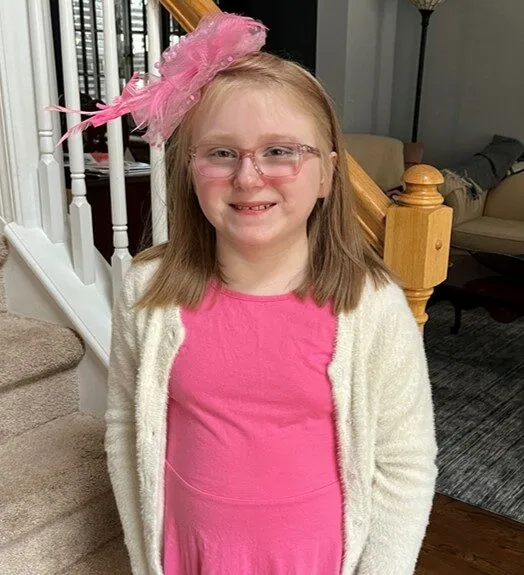 Genetic sequencing through CURE’s Precision Medicine Program revealed crucial information: her tumor carried a gene fusion called KIAA1549: BRAF. This discovery proved to be both a challenge and an opportunity. While traditional treatments would likely be less effective because of this mutation, the discovery opened the door to targeted therapies called MEK inhibitors that could block the activity of proteins that cause tumor growth.


 One day, Chrisean called Machelle from school because his chest hurt badly. She took him to the children’s hospital, where the doctor pulled down his eyelid and noticed his skin was nearly white. When he ordered a blood test, the staff found a new problem – Chrisean was terrified of needles. He was so big that the nurses had to get two men and a security officer to hold him down to draw blood. The blood test revealed that Chrisean had acute lymphoblastic leukemia.
 Ally received her first dose of chemotherapy within 16 hours of diagnosis. Over the two years of treatment that followed, Ally struggled with almost every possible side effect. She suffered three life-threatening infections, temporarily lost the ability to walk, and struggled to rebuild her immune system after every round of chemo.


