Lake, Mary Elizabeth, and Melissa met while fighting acute myeloid leukemia (AML). Although they were different ages, they formed a unique and special bond. So did their families. The three fought the disease bravely, but each ultimately passed away just months apart. As their families grieved their loss, their shared tragedy strengthened the bond between them.
The Paris, Thompson, and Depa families
Melissa’s family already had a Named Fund with CURE Childhood Cancer aimed at advancing research into cures for AML. They invited Lake and Mary Elizabeth’s families to join them and changed the name of the fund from the Melissa Strong Fund to United for a CURE. They were, in fact, united in their hope for better outcomes for children forced to fight AML in the future. And they worked hard to raise money by selling gold bows and garden flags, washing cars, hosting golf tournaments, and creating carnivals, among other things. Their shared sweat and tears have now taken their fundraising efforts across the $1,000,000 mark, and the investment in research is becoming a source of hope for children with AML.
United for a CURE began funding Target Pediatric AML, which is the work of Dr. Soheil Meschinchi at Seattle Children’s Hospital. Through genetic testing, Target Pediatric AML’s aim is to identify common genetic changes in children with AML and target those mutations with existing drugs delivered in the right combinations.
“This is all about understanding the enemy at a deeper level and finding ways to apply that knowledge to destroy it,” said Julie Guillot, childhood cancer advocate and co-founder of Target Pediatric AML. “The data we’ve been able to build since the project started is like a snowball getting bigger as it rolls downhill. CURE and United for a CURE were the project’s largest private funders, and it is now a large international clinical trial that will benefit children and adults worldwide. Those three children really set the snowball on its way.”
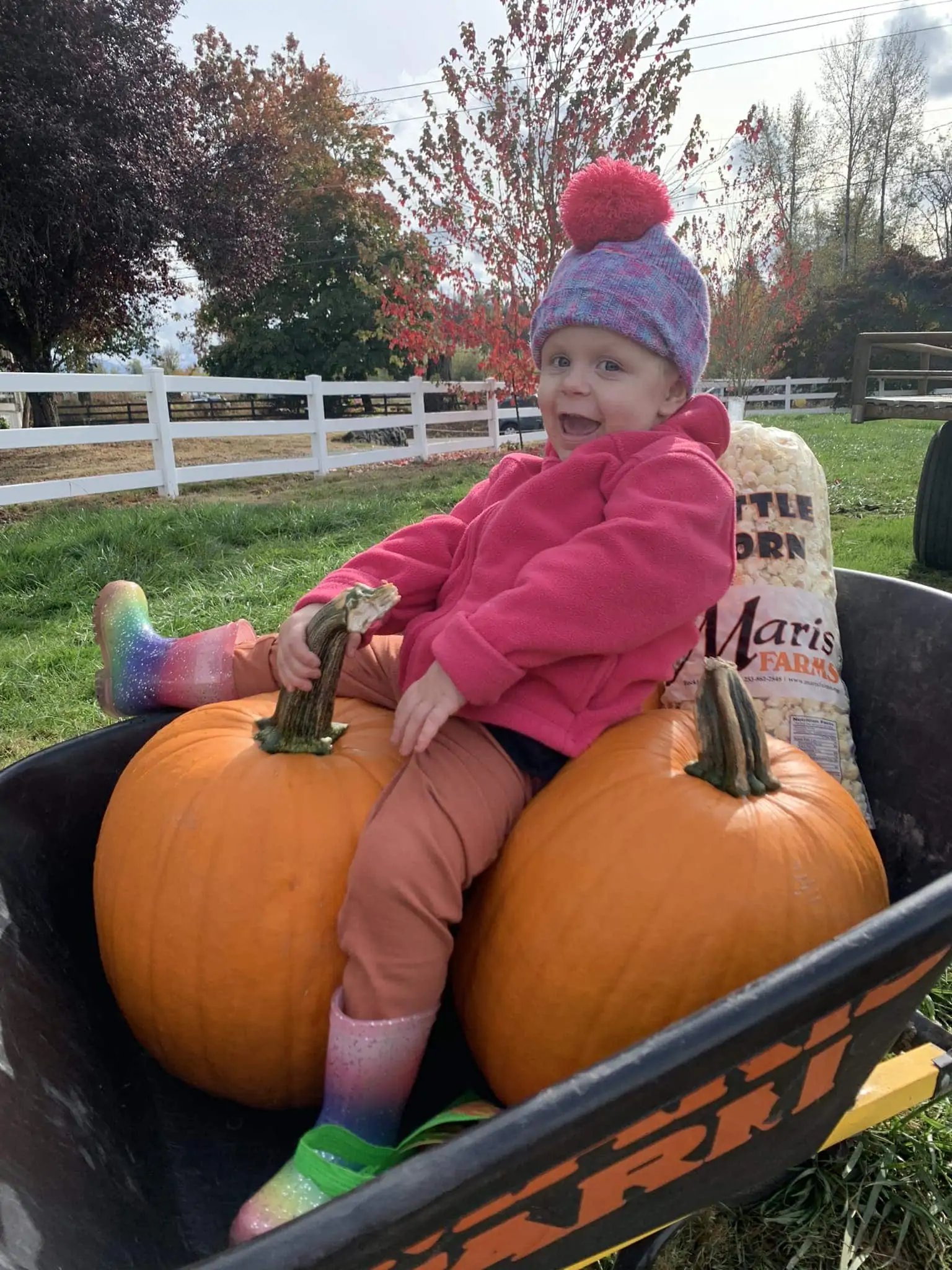
Sophia
Recently, Dr. Meschinchi made a discovery that exemplifies the hope that the collection of this data can provide. There is an AML subtype that only occurs in infants and toddlers and has a very poor prognosis. As he poured over the data acquired on this subtype, Dr. Meschinchi noticed a cell cluster and drilled into it to find what was over-expressed in the cell. As he looked more into that cell cluster, he realized the same cluster exists in certain types of ovarian cancer. Fortunately, a drug is currently in clinical trials that is proving very effective against the form of ovarian cancer with the cell cluster.
This proved a timely discovery for a little girl named Sophia, who was fighting this particular AML subtype. In January, Sophia’s cancer elevated to 95% in her bone marrow – meaning that she only had 5% marrow in her bones. The rest was cancer! Dr. Meschinchi was able to get approval from the FDA and pharmaceutical manufacturer to give the ovarian cancer drug to Sophia. After only two infusions, the cancer cells in her marrow were reduced from 95% to only 1%. With her bone marrow nearly free of cancer, she was able to receive a bone marrow transplant at the end of April. Today, she is cancer-free.
Love for Lake, Mary Elizabeth, and Melissa led their families to raise money in the hope of finding a cure, and now a little girl is in remission because of their effort. And that hope is building as discoveries continue to grow.
“This project is searching for individual therapies for every child to improve their chance of survival,” said Joe Depa, Melissa’s father. “It’s too late for Lake, Mary Elizabeth, and Melissa. But we hope someday their names are attached to a cure for AML so that other children win their fight.”
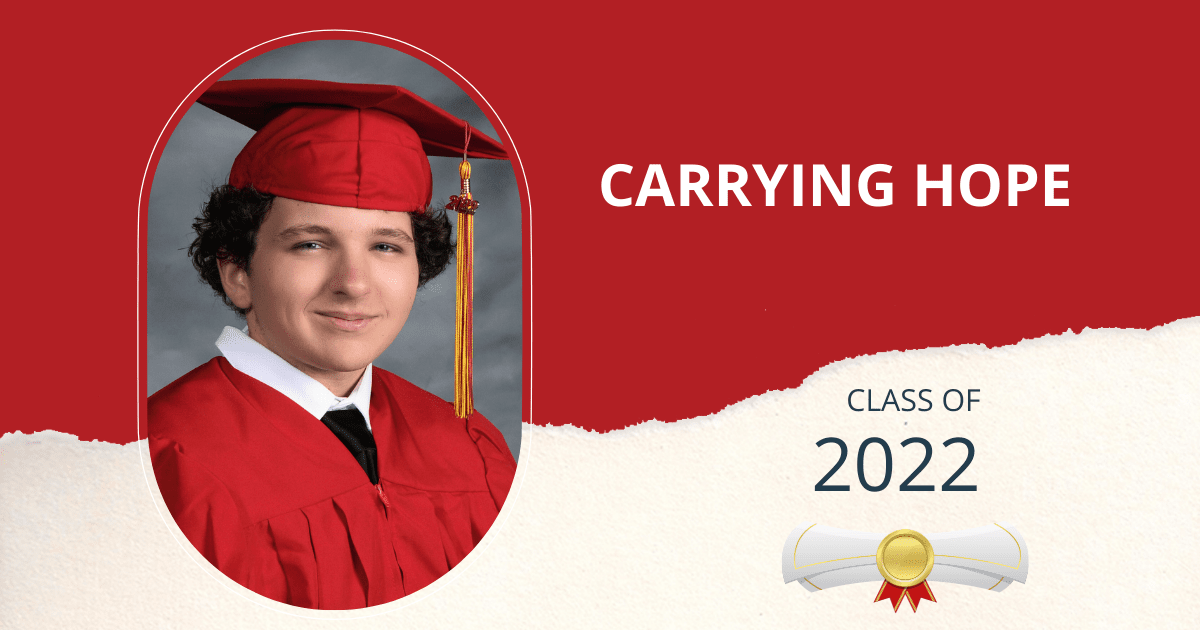
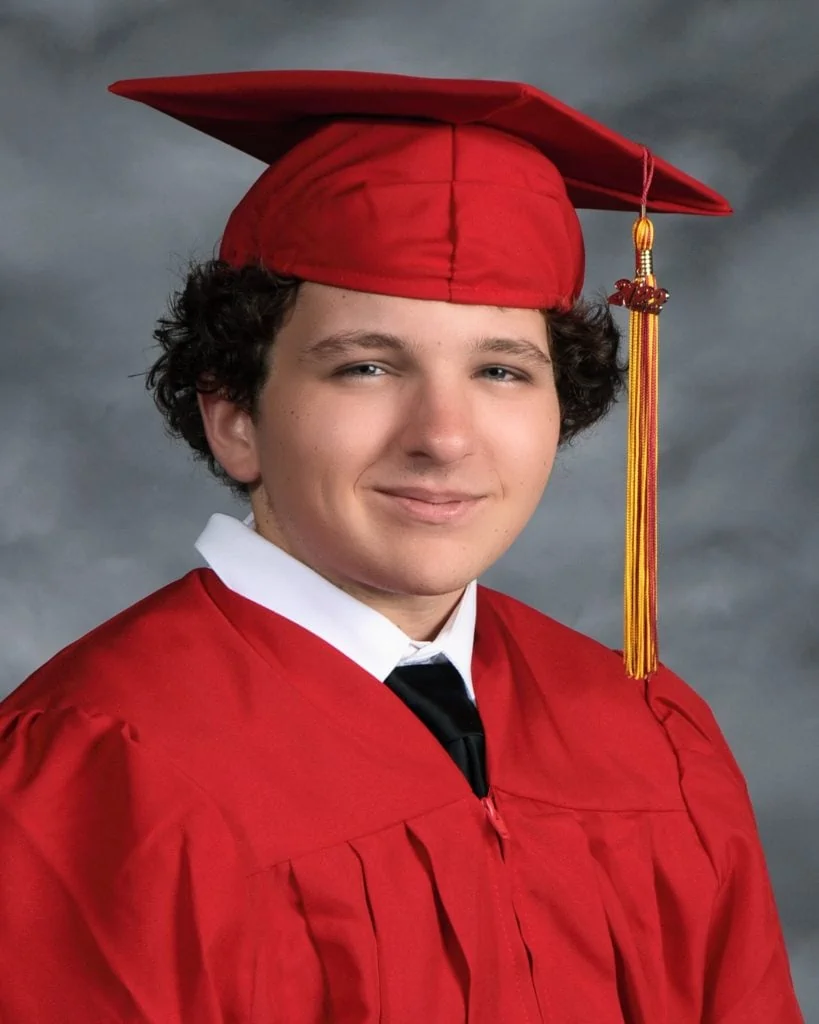 “Trenton’s experience has shown us the huge need for less-toxic cancer treatments specifically tailored to kids and their growing bodies,” Ginger said. “Our family hopes that in the future, no other family will ever hear the heart-sinking words ‘Your child has cancer.’ But if that does happen, there will be hope – a hope of a cure and less toxic treatments tailored to kids that will allow them to be kids that grow into healthy adults.”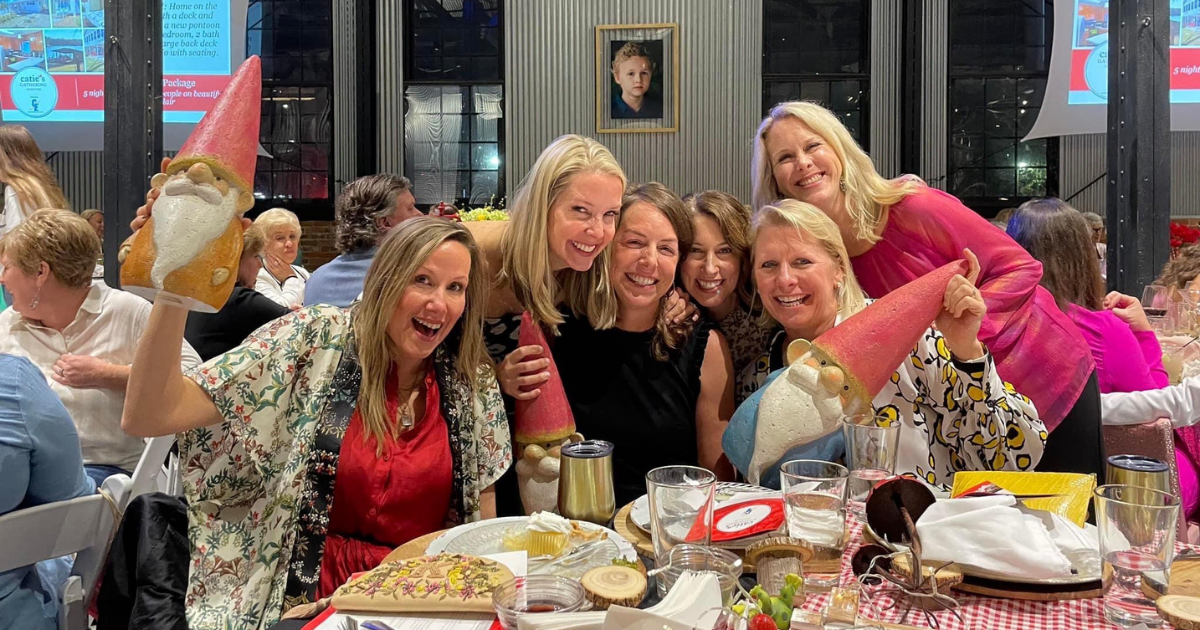
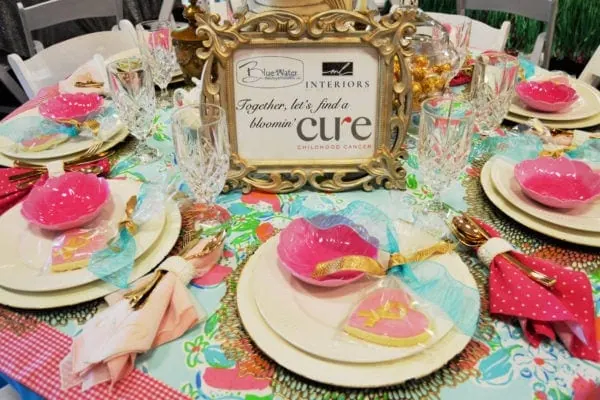
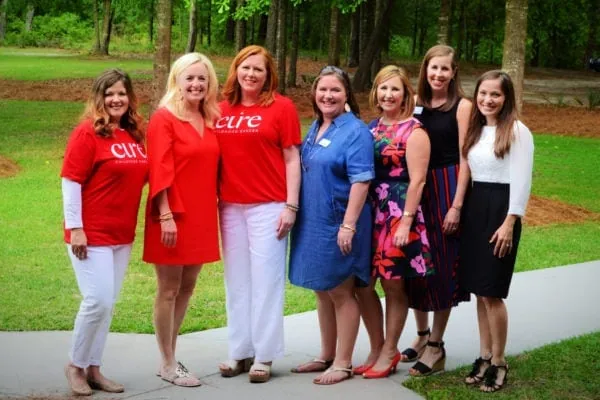
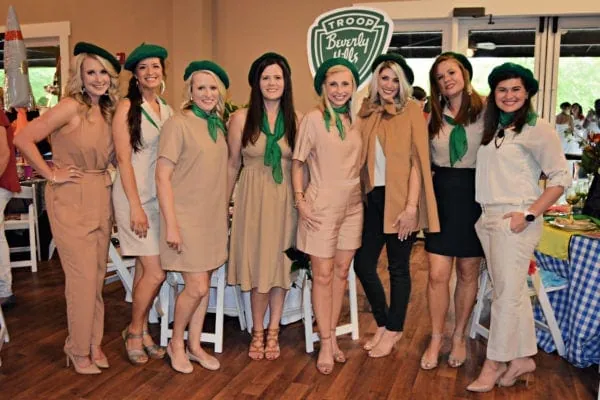
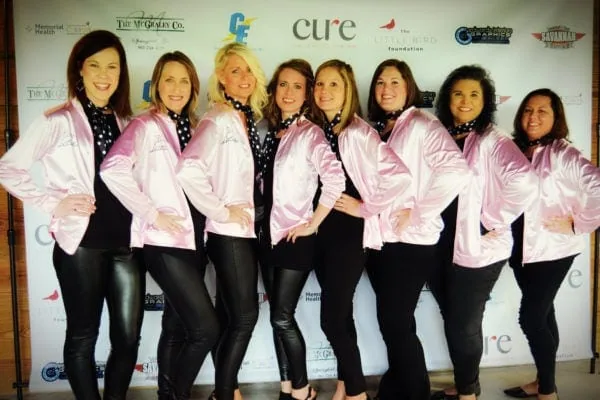
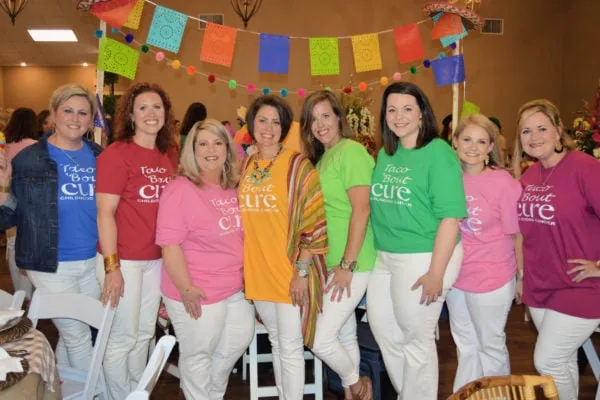
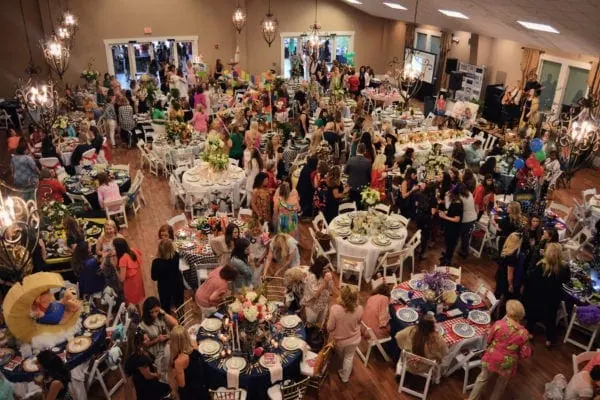
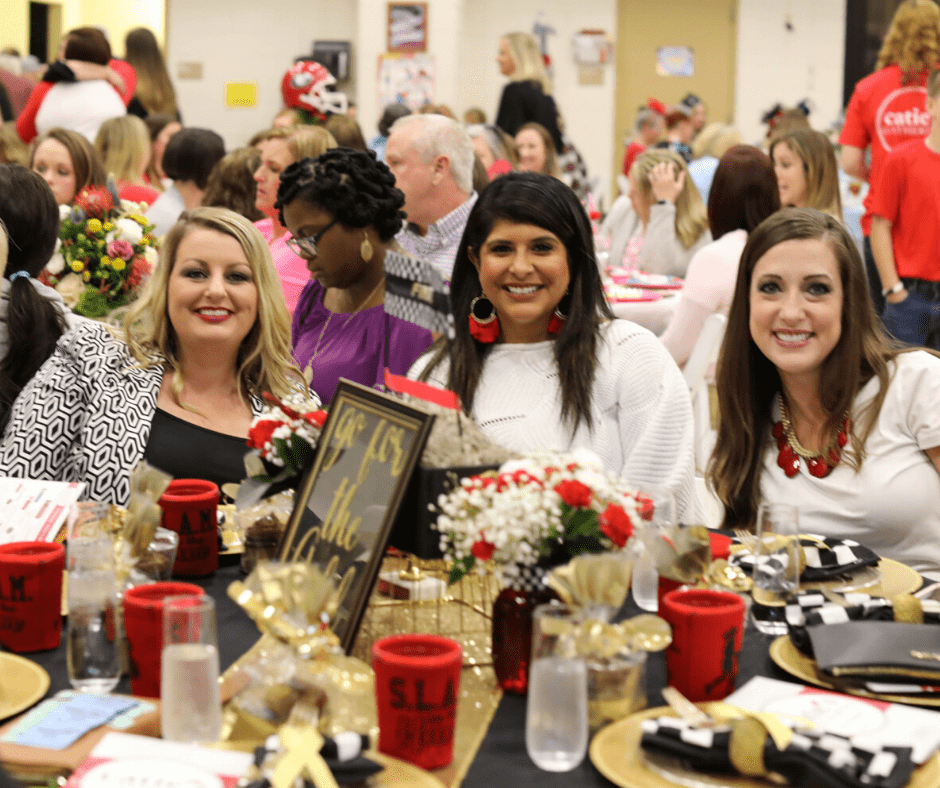
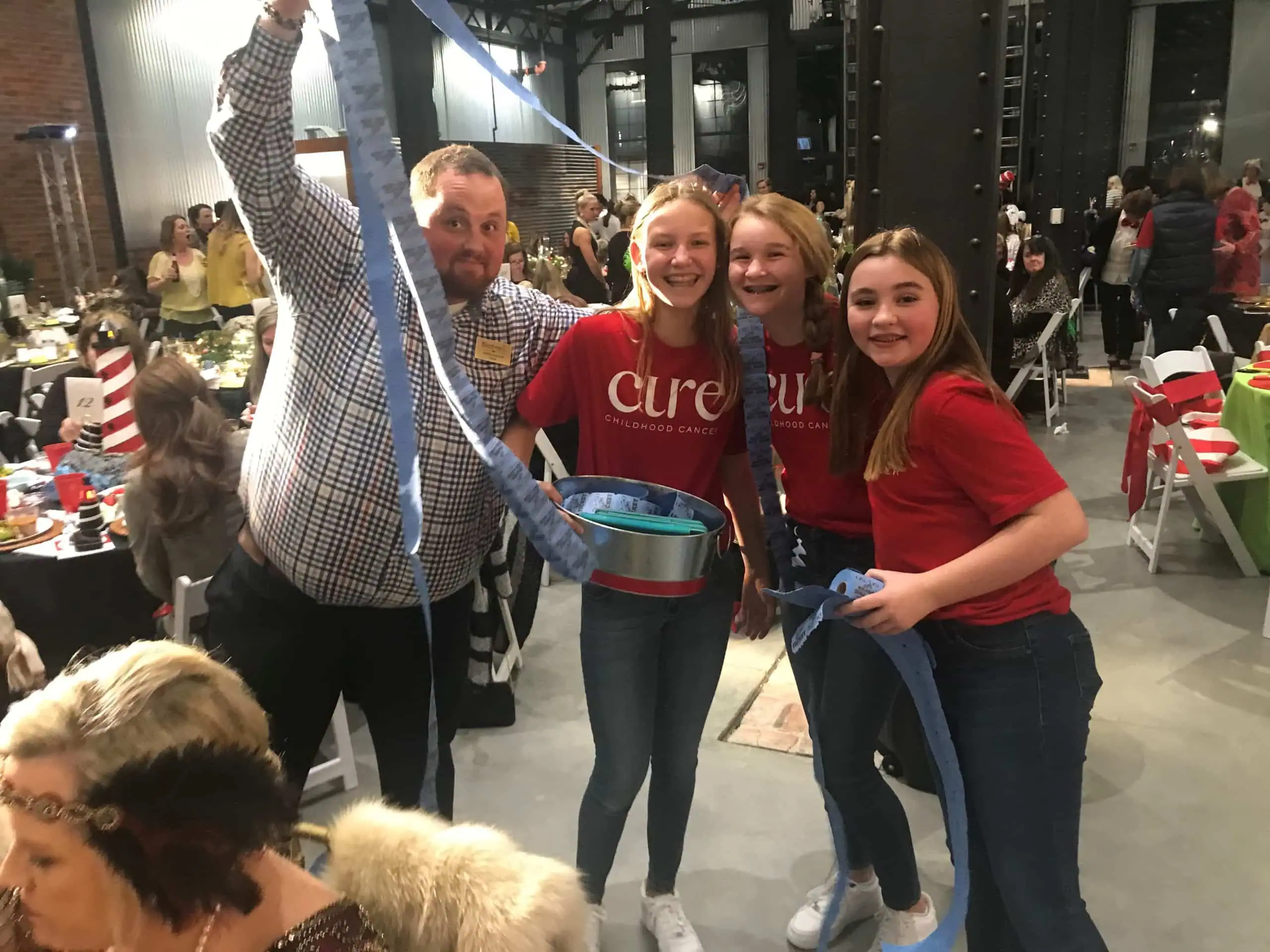
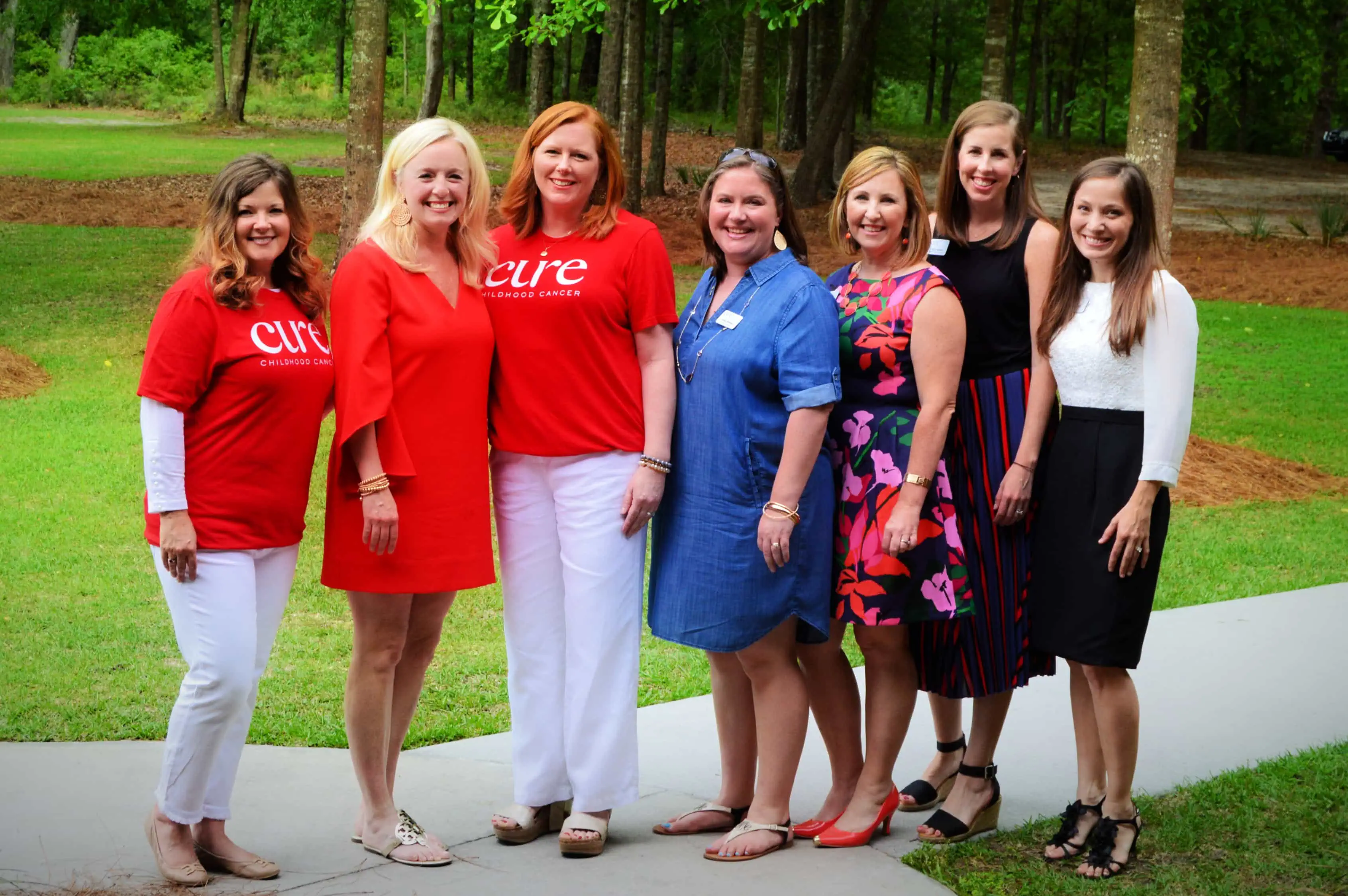
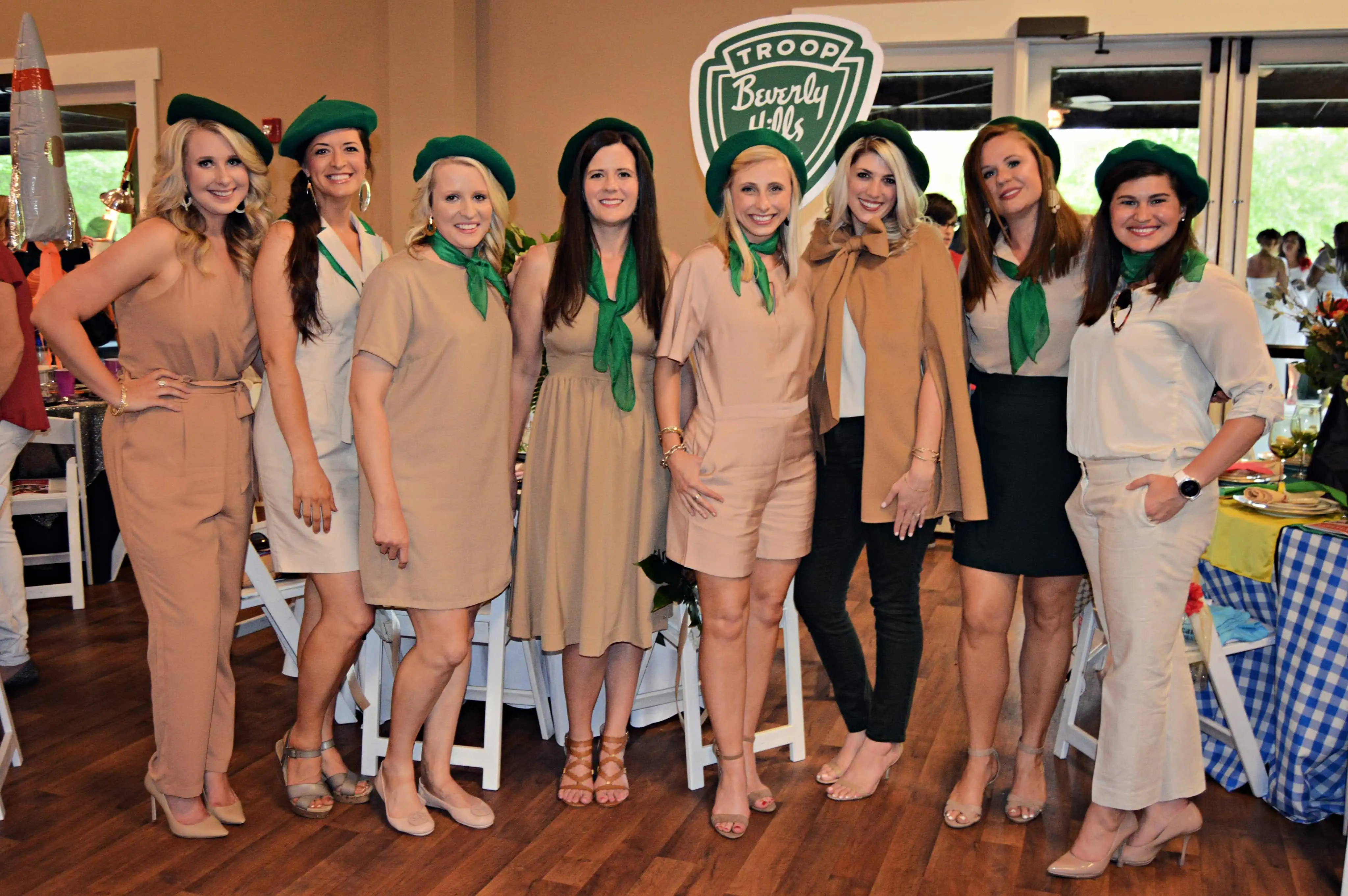
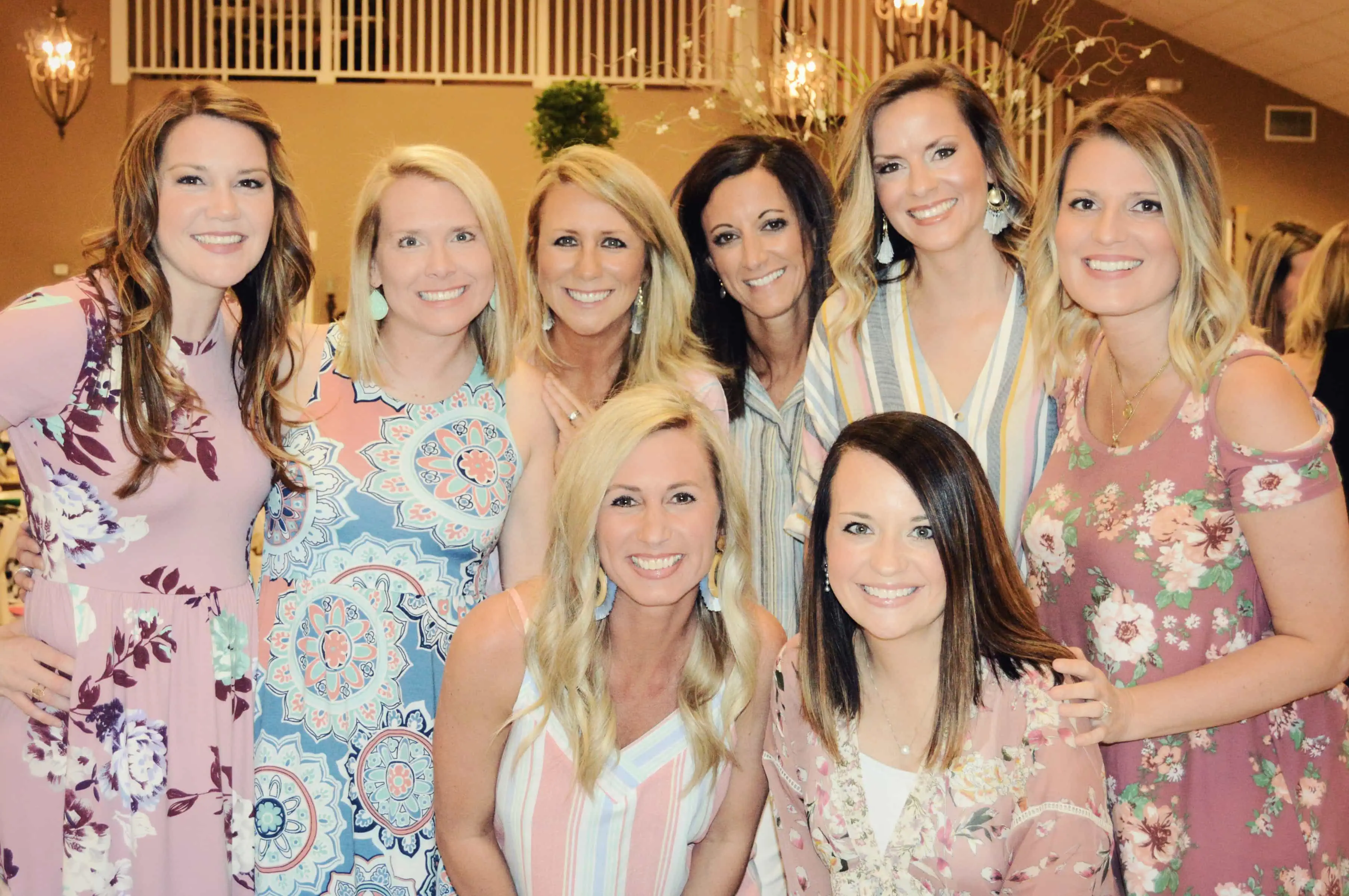
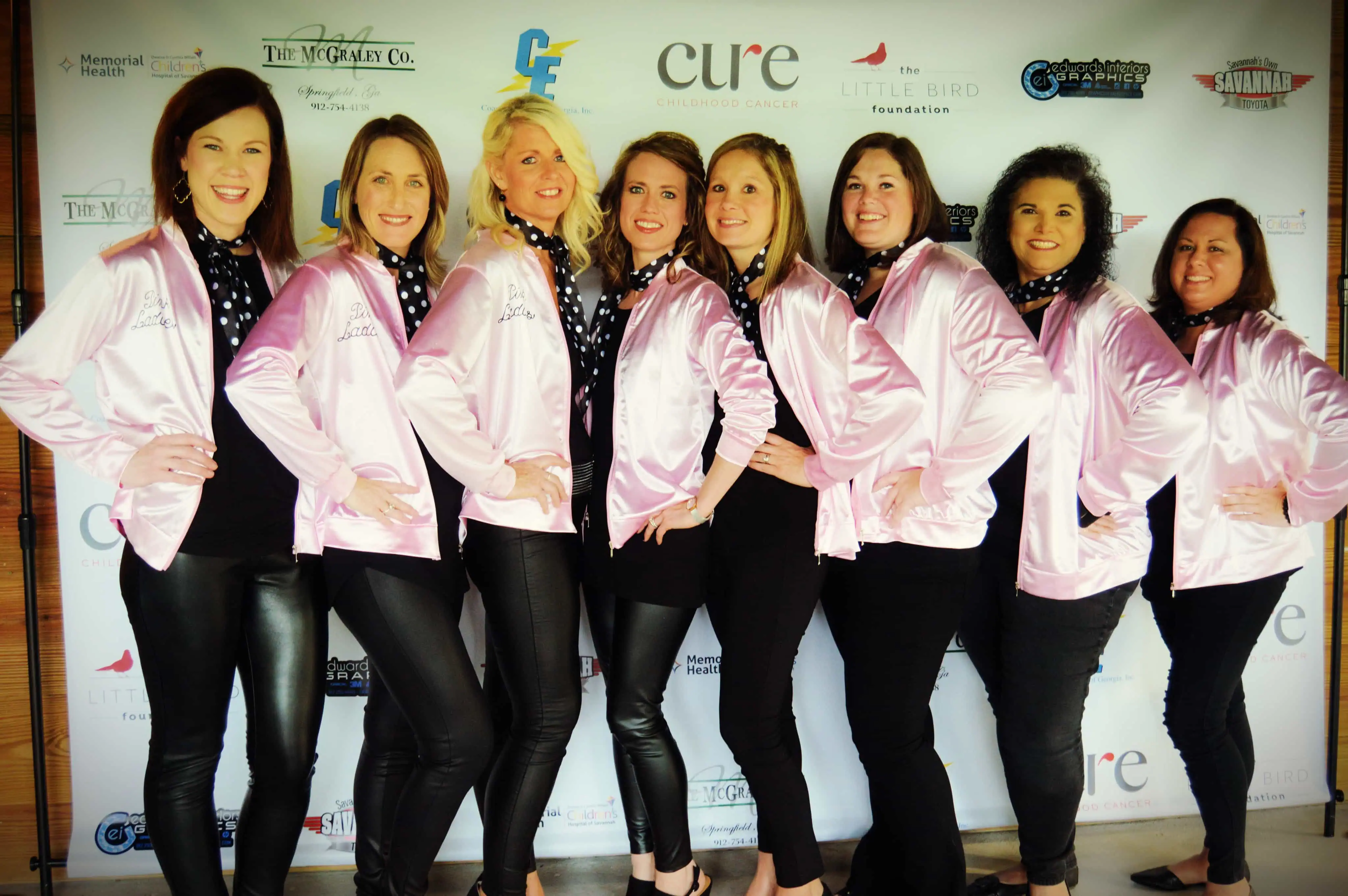
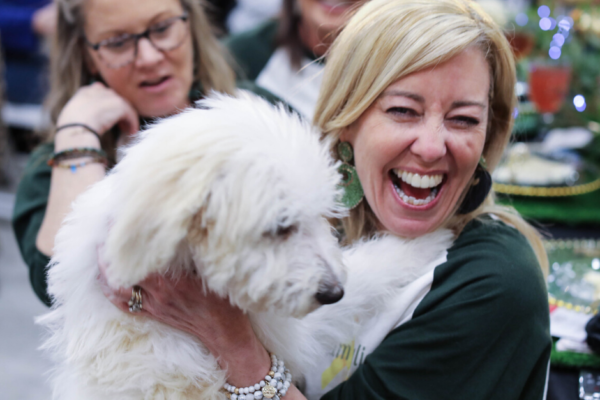
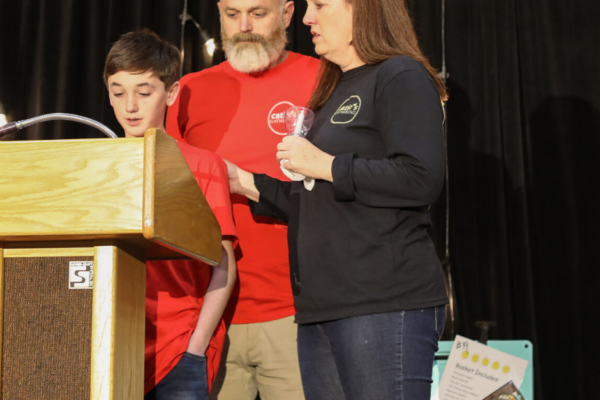
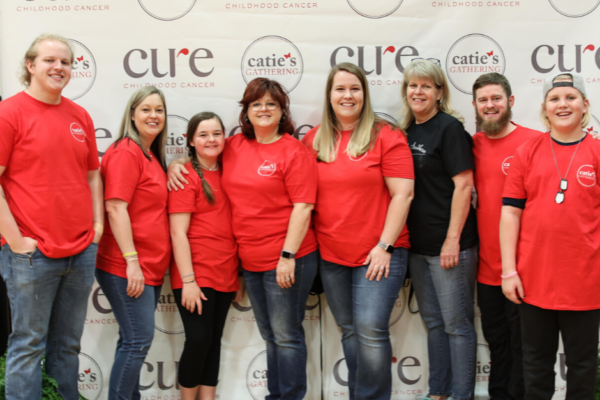
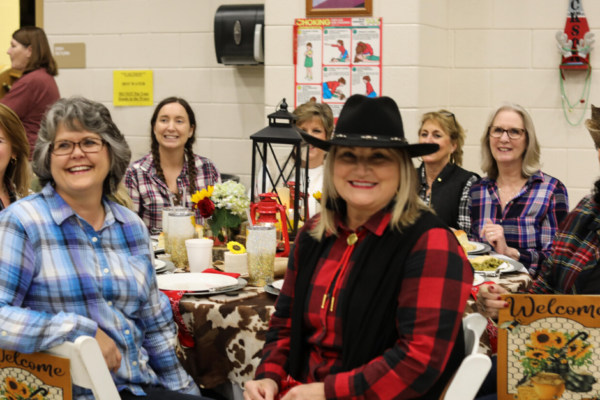
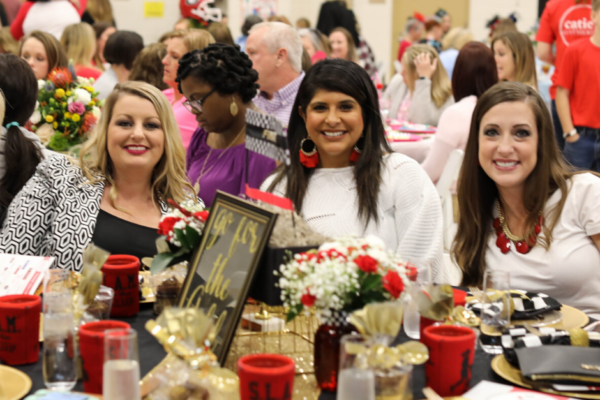
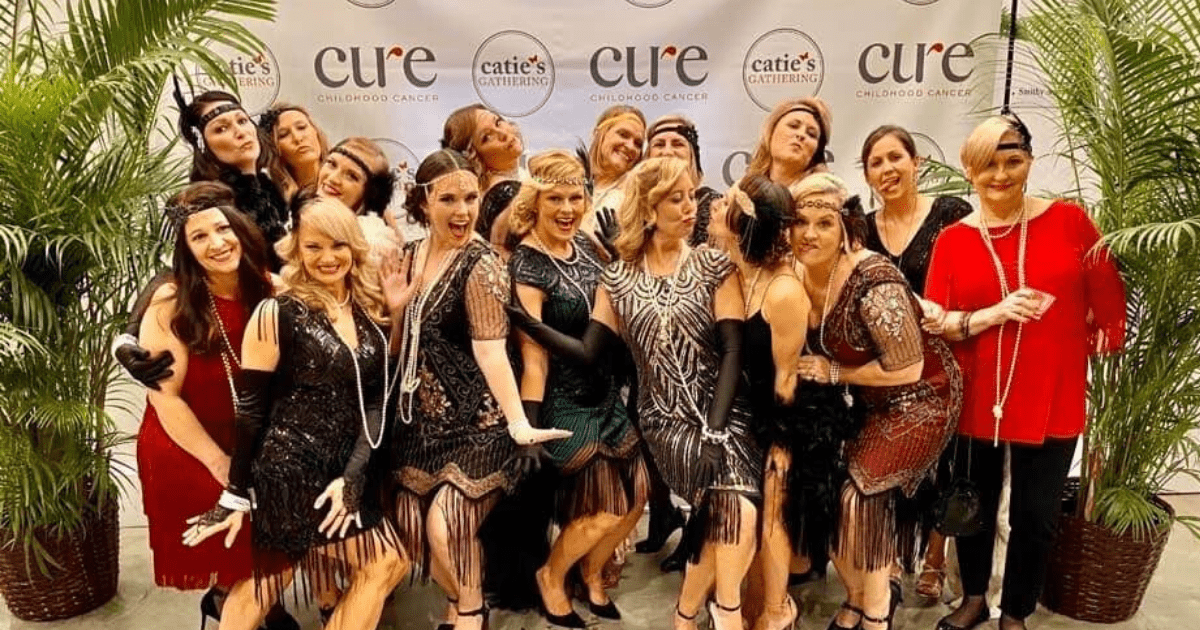
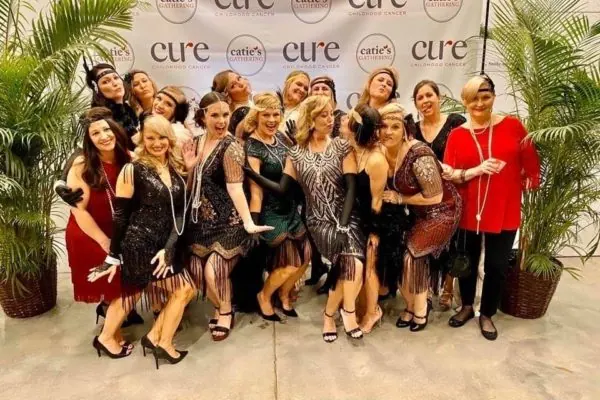
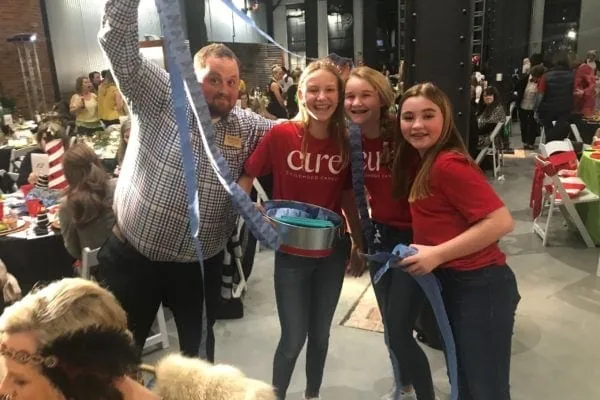
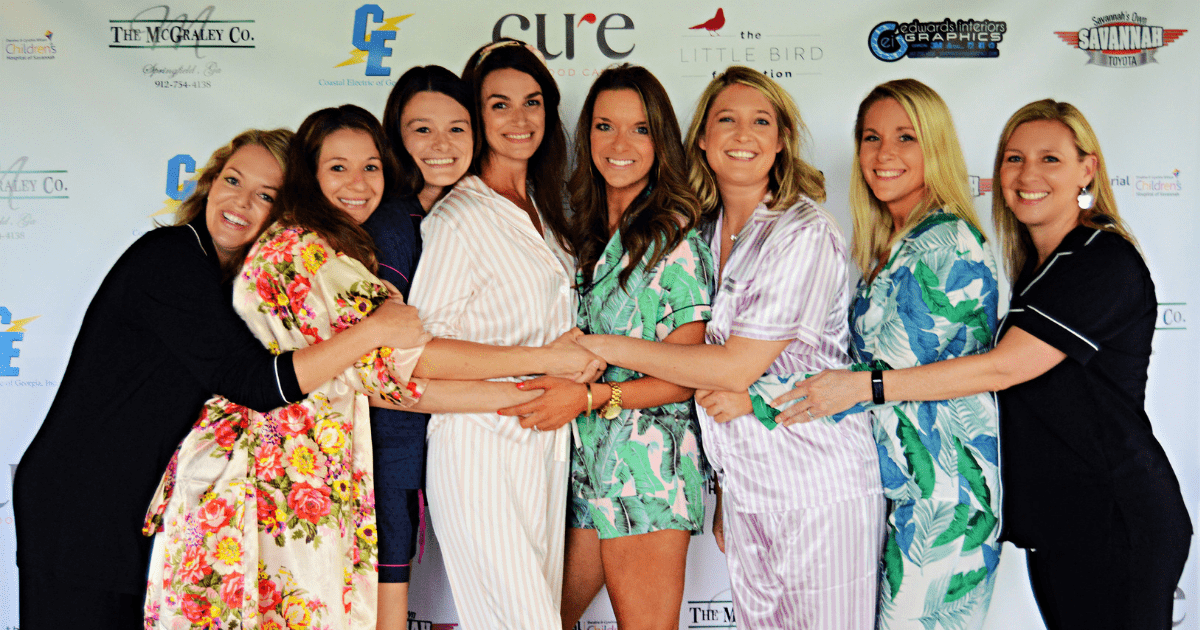
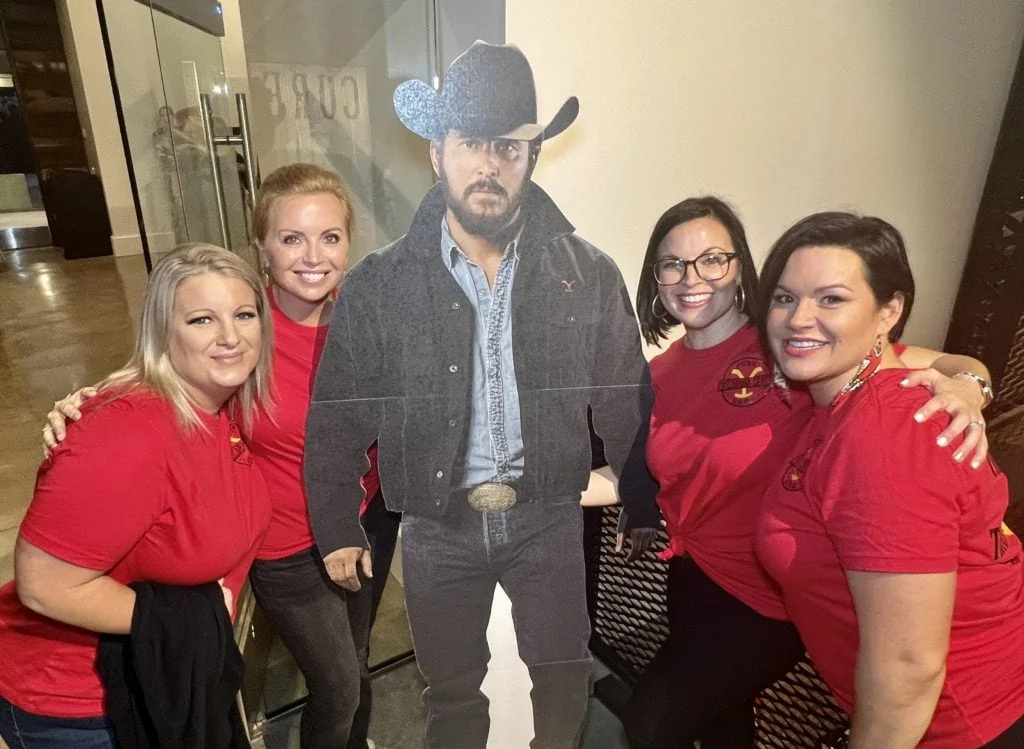 CURE vice-president Mandy Garola started the Savannah Catie’s Gathering nine years ago. There are so many reasons it continues to grow – not the least of which are the sponsors, committee members, volunteers, staff, hostesses, vendors, donors, and guests.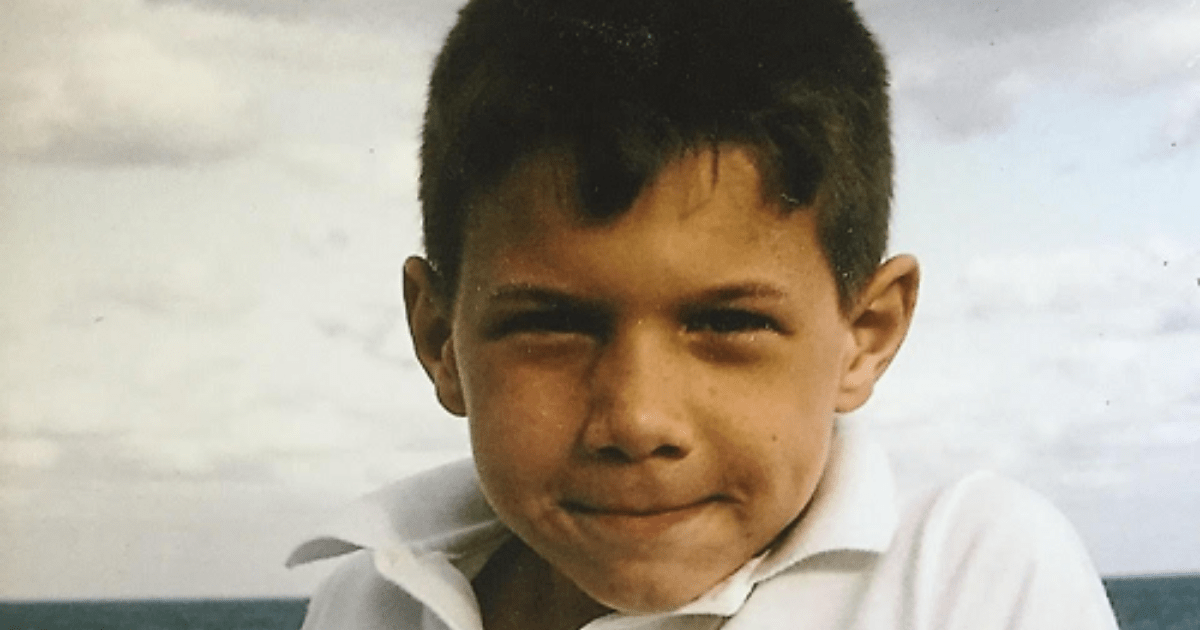
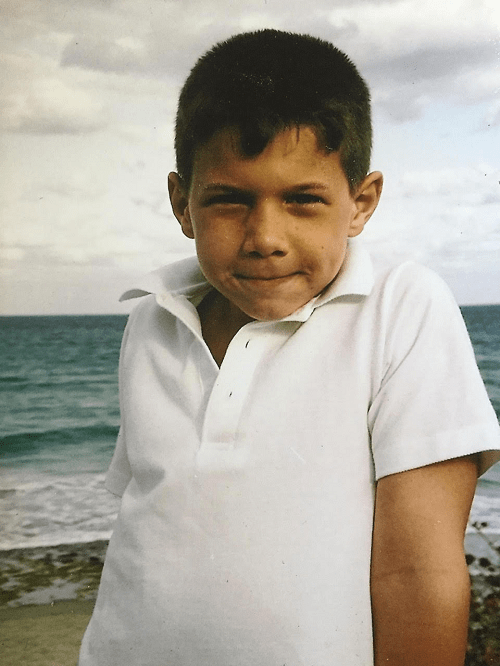
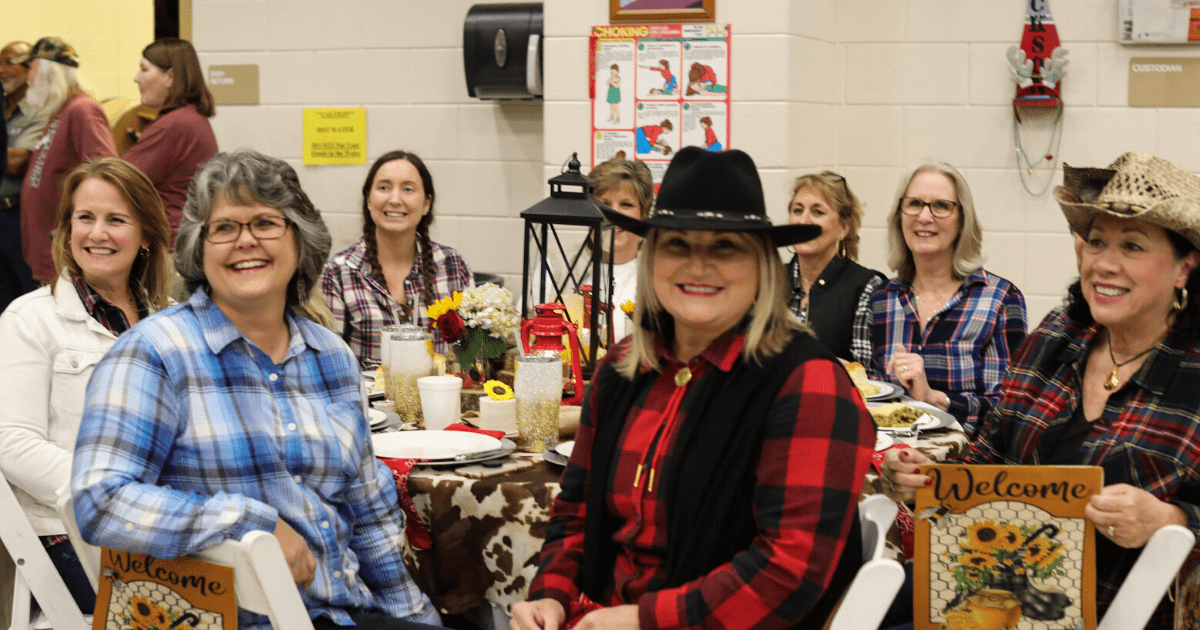



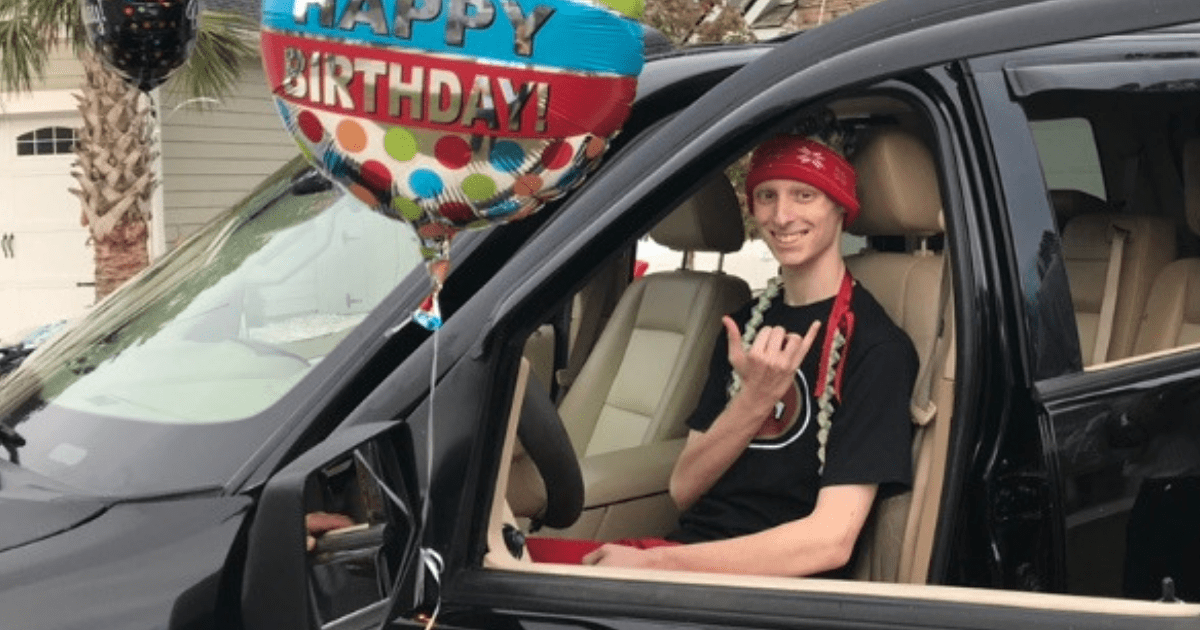
 If you waved at Michael Mugrage, it’s doubtful you would have received a wave in return. More than likely, you’d have gotten a warm smile and one of his signature shakas – a hand gesture residents of Hawaii use to convey the Aloha spirit. It is a sign of friendship, compassion, and respect. Michael was born in Hawaii and spent his first twelve years there before moving to Bluffton, South Carolina.
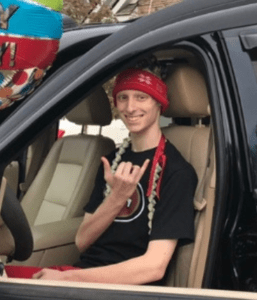 Michael endured months of high-intensity chemotherapy treatments, surgery to remove the mass, and the lifetime amount of radiation to his lung and abdomen. For a while, the treatment seemed to work, and Michael was counting down his remaining treatments with hopes of remission and returning to high school. Unfortunately, nine months into treatment, the cancer returned with a vengeance and Michael was given days to live.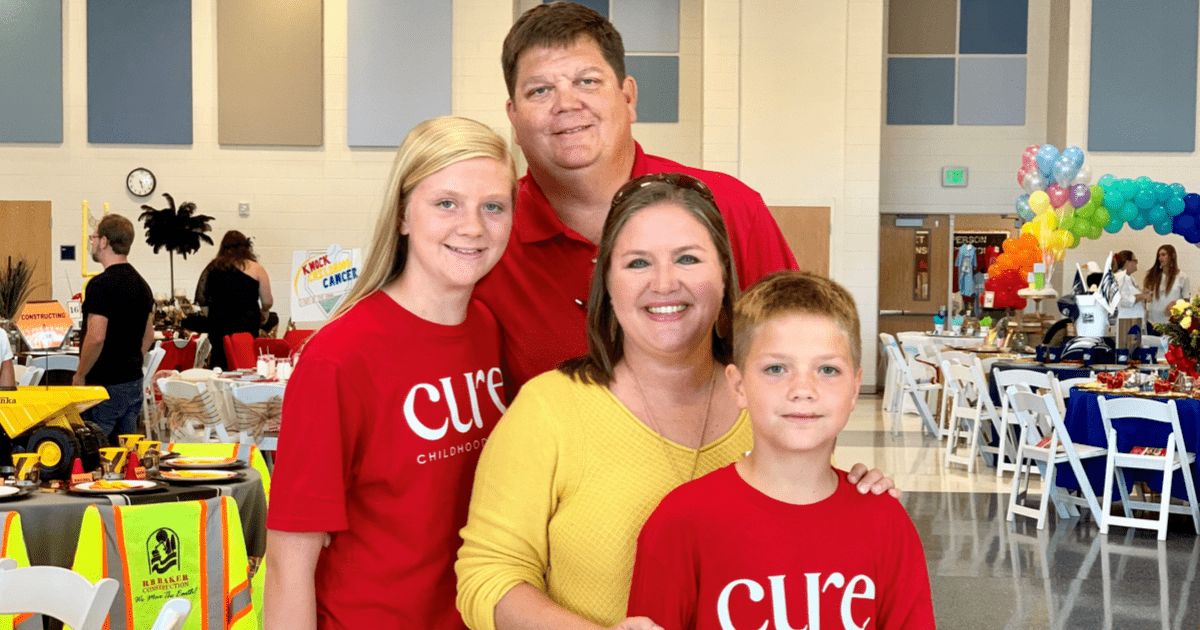
 We’re also hoping to continue growing Catie’s Gathering to new locations and communities. This event is a blast and is easy to reproduce. If you’re interested, please reach out and let us know. You can email us at
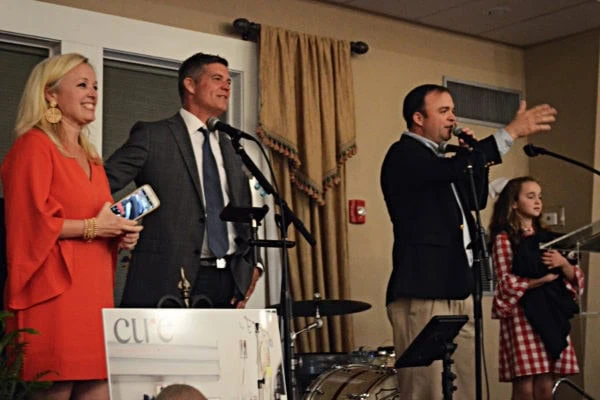
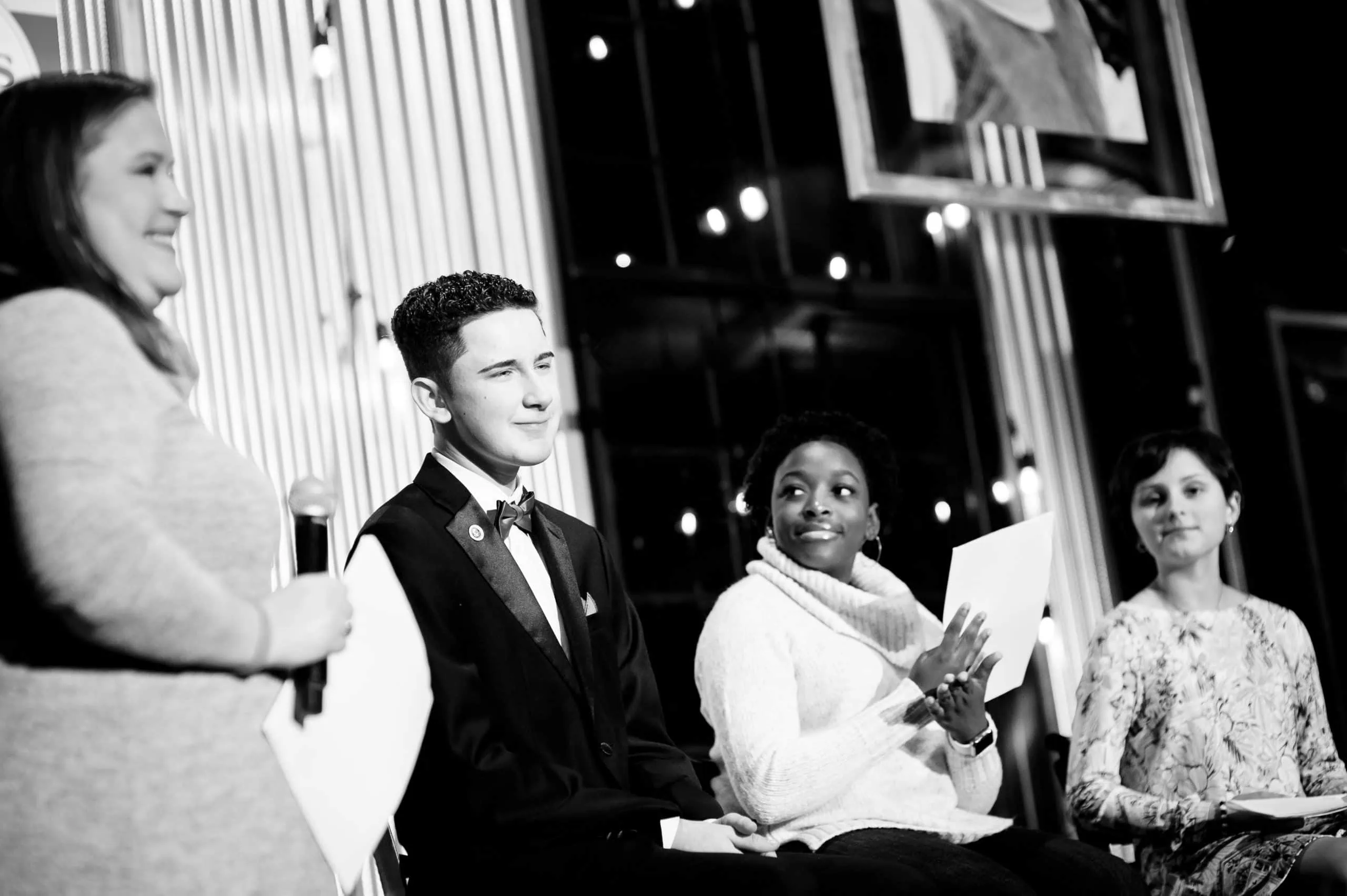
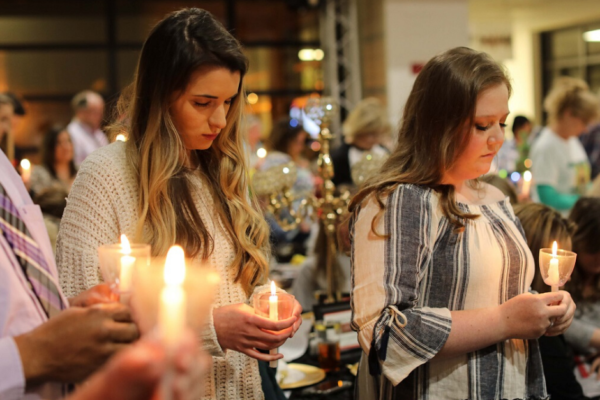
 Tears filled Jody’s eyes as she kicked of the 2019 event by dedicating the evening to the memory of sweet Morgan Frison, a four- year-old Statesboro girl who passed away in November due to complications from her cancer treatment.