Category

Uncategorized

Milestones and Monsters: Navigating Life with Leukemia

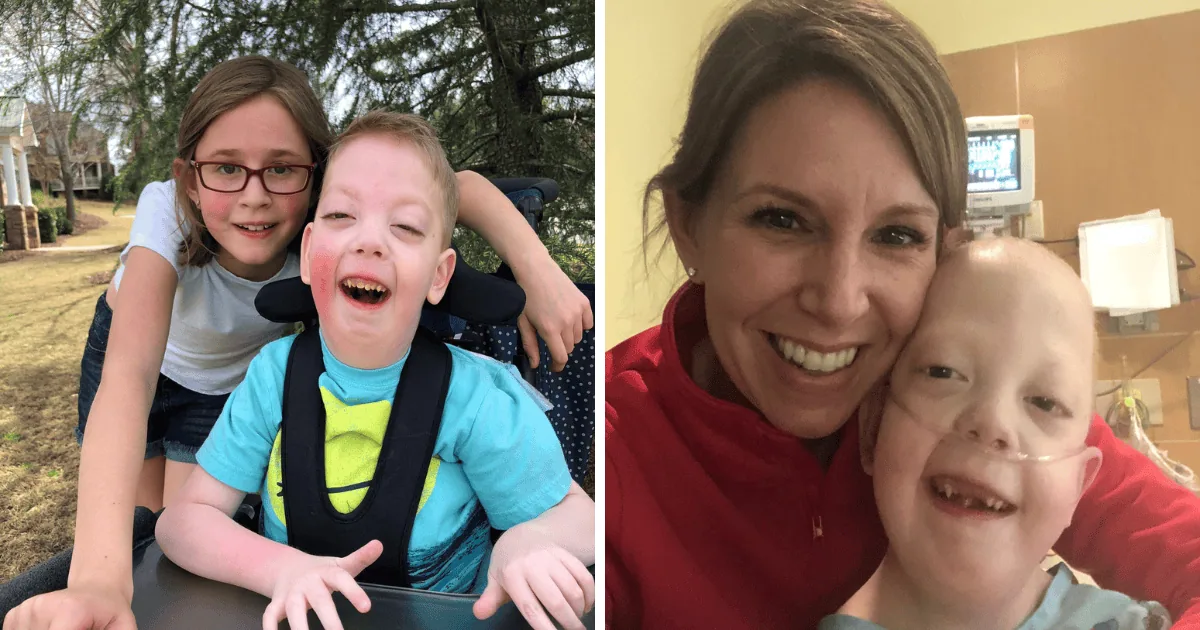
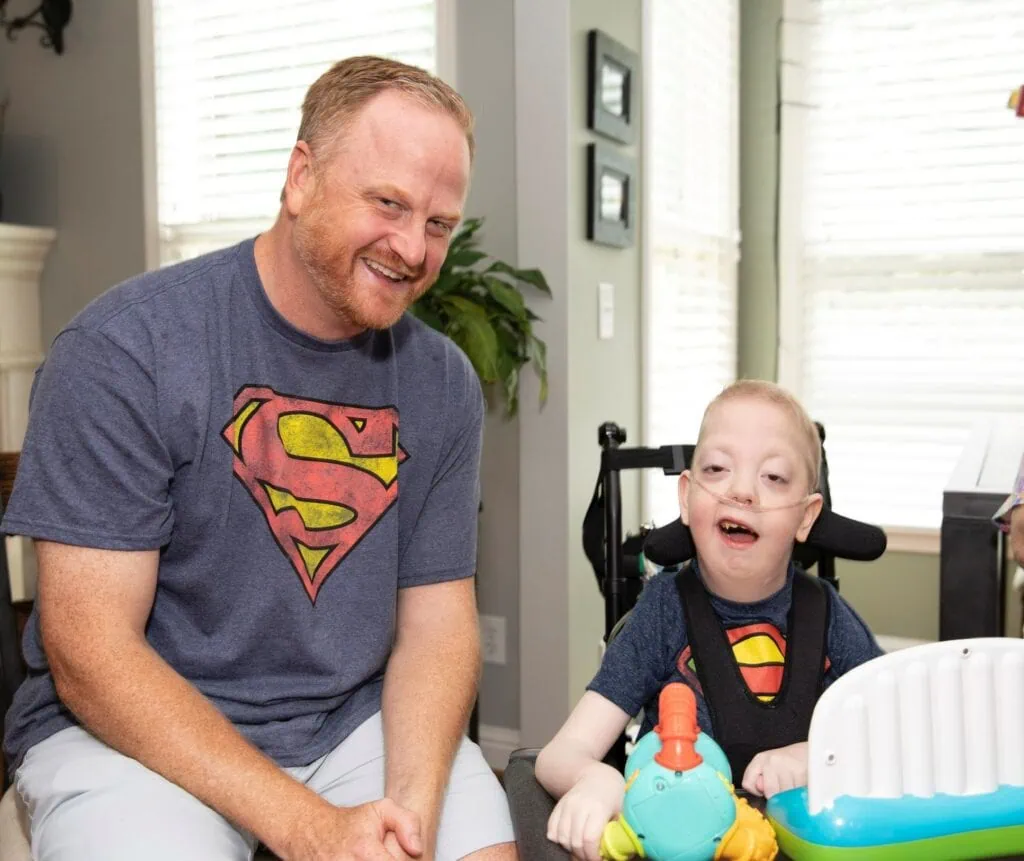
When Levi was diagnosed with leukemia in 2022, his mother, Hannah, began to share the roller coaster ride that is a childhood cancer diagnosis. Her writing style is compelling because of its authenticity and truthfulness, and she finds it helpful to release some of the emotions through words.

Levi had a very rough first year of treatment. He was sick most of the time, suffered from neuropathy, and one of his medications gave him seizures. His treatment will last for three and a half years and should be complete in August 2025.

Here is a brief look into his journey through his mother’s heart. Hannah is mindful to celebrate milestones, including his kindergarten graduation:

I’m so proud of him.
All parents are proud of their kids.
But with him, there’s a deep, immeasurable amount of beaming pride.
He’s fought and is still fighting for his life.
He’s closed huge gaps in his “academics.”
He’s covered and conquered pre-k and kindergarten skills in a year.
He’s pushed himself even though not feeling good.
He’s never, ever once quit.
He’s so strong. And he’s one of the best people I know. Being his mama is my greatest pride.

A few weeks later she shared a glimpse into her own feelings that many parents can relate to:

I’m tired. Deep in my bones, deliriously tired from this journey. I’m tired of watching my child suffer with indescribable pain and nothing that helps him. I’m so tired of fighting to get him help. I’m tired of this being our life. I’m so tired of very, very few people understanding. I don’t know how I can do this for another year. But as he continues to fight, we will stand by him each step of the way.

Then she shared a glimpse of what is in Levi’s heart and mind on a visit to celebrate the end of treatment for a friend:

We walked into the hospital and Levi began having what I can only explain as a panic attack. He clung to me and wouldn’t let go. He was terrified to go back to the 5th floor where he was diagnosed. He kept saying, “Mama, don’t you remember how bad it is there? It’s my worst nightmare. Mama I already lived my worst nightmare.”

After leaving the hospital, he asked, “Mama, what if my cancer comes back?”

A day that was so exciting was also so heavy. I don’t have the answers to his question. I can’t tell him the cancer won’t come back. I can’t tell him everyone will be okay. It’s heartbreaking, and it’s not fair.

In dealing with all of the emotions inherent in this world of childhood cancer, Hannah found herself angry, which isn’t typical for her. CURE helped to connect her to a therapist who listened to her concerns and helped her understand that it is okay to feel angry, as long as she doesn’t park herself there.

“CURE’s Counseling Program has been a huge blessing for me,” Hannah said. “Because Levi became stoic and didn’t want to tell us when he was in pain, he began seeing a counselor also and learned that he doesn’t have to wait until the pain is at a high level before telling us.”

Levi is in the homestretch of his treatment now. He’s smiling more and loves to go swimming whenever he can. His strength and perseverance make an impression on anyone lucky enough to meet him or read his mother’s writing.


2024 Research Awards

We are excited to share a significant step forward in CURE’s 49-year effort to find cures for childhood cancers as we proudly announce a $5.6 million investment in innovative research studies – the largest amount we’ve ever committed in a single year.

This record-breaking investment represents an important advancement in our ongoing work. It reflects the growing support of our community, the persistent dedication of researchers, and our unwavering commitment to finding better treatments for children with cancer.

These studies are led by top scientists at leading pediatric cancer research institutions nationwide and focus on the most critical needs. Here’s what makes this investment so impactful:

  • Advancing Precision Medicine: We’re awarding $2 million to the Aflac Precision Medicine Program, reinforcing our leadership in this crucial field. This funding expands access to genetic sequencing for young patients. It accelerates research into targeted therapies, bringing us closer to truly personalized treatments and giving hope to many children with aggressive or recurring cancers.
  • Funding Diverse, Innovative Research: The remaining $3.6 million funds 11 promising projects carefully selected from over 90 applications. These studies address some of the most challenging childhood cancers with limited or outdated treatments, employing innovative approaches that could significantly improve treatment outcomes.
  • Bridging Research and Treatment: Time is precious in the fight against childhood cancer. That’s why we’ve prioritized studies with strong potential for rapid clinical translation, potentially bringing new treatments to children faster than ever before.
  • Harnessing Immune Power: Within every child’s body lies an army of potential cancer-fighting cells. Several projects focus on enhancing cutting-edge immunotherapy approaches, unlocking the full potential of the body’s own defense mechanisms, and offering new possibilities for children battling resistant forms of cancer.
  • Looking Beyond Remission: The fear of relapse looms heavy for patients and families. By investigating mechanisms of recurrence, these studies aim to improve long-term outcomes and quality of life for survivors – and offer children a chance at a cancer-free future.

As we make these awards, we’re filled with a sense of purpose and hope. While the road ahead may be challenging, each step forward brings us closer to our goal of conquering childhood cancer.

Thank you for being an essential part of this journey.

CURE’s 2024 RESEARCH AWARDS

Early Investigator Awards

Rula Green Gladden, MD, Fred Hutchinson Cancer Center
Redefining residual disease detection in pediatric AML

Elizabeth Young, MD, University of California, San Francisco
Defining determinants of a cGAS-STIGN-mediated anti-tumor inflammatory response in osteosarcoma

Translation to CURE Awards

Eric Sweet-Cordero, MD, University of California, San Francisco
Defining replication stress and DNA damage as a therapeutic vulnerability in osteosarcoma

Pavithra Viswanath, PhD, University of California, San Francisco
Targeting and imaging serine metabolism in the tumor microenvironment in pediatric brain tumors

Michael Andreeff, MD, PhD,  University of Texas, M.D. Anderson Cancer Center,
c-MYC protein degradation in therapy-resistant pediatric leukemias

Eugenie Kleinerman, MD, University of Texas, M.D, Anderson Cancer Center
Metabolic reprogramming of the Ewing Sarcoma tumor microenvironment using pramlintide to augment NK cell immunotherapy

Kristopher Bosse, MD, Children’s Hospital of Philadelphia
Development of a GPC2 CAR T cell amplifying RNA vaccine

Alex Huang, MD, PhD, Case Western Reserve University
Effective TGF-beta signaling blockade synergizes cryoablation-induced STING activation in treating refractory and metastatic sarcoma

Jason Yustein, MD, Emory University
Dissecting and targeting PAK4-mediated signaling in Ewing Sarcoma development and metastasis

David Robbins, PhD, Georgetown University
Defining the druggable GLI Interactome in medulloblastoma

Soheil Meshinchi, MD, PhD, Fred Hutchinson Cancer Center
Rapid Transition of B7-H3 Targeted Therapies to High-Risk Childhood AML

Precision Medicine Program, Children’s Healthcare of Atlanta
A program leveraging genomic sequencing for pediatric patients with high-risk tumors, with the goal of identifying alterations that can impact therapies and improve outcomes.

Parent-Child Interaction Therapy and Childhood Cancer

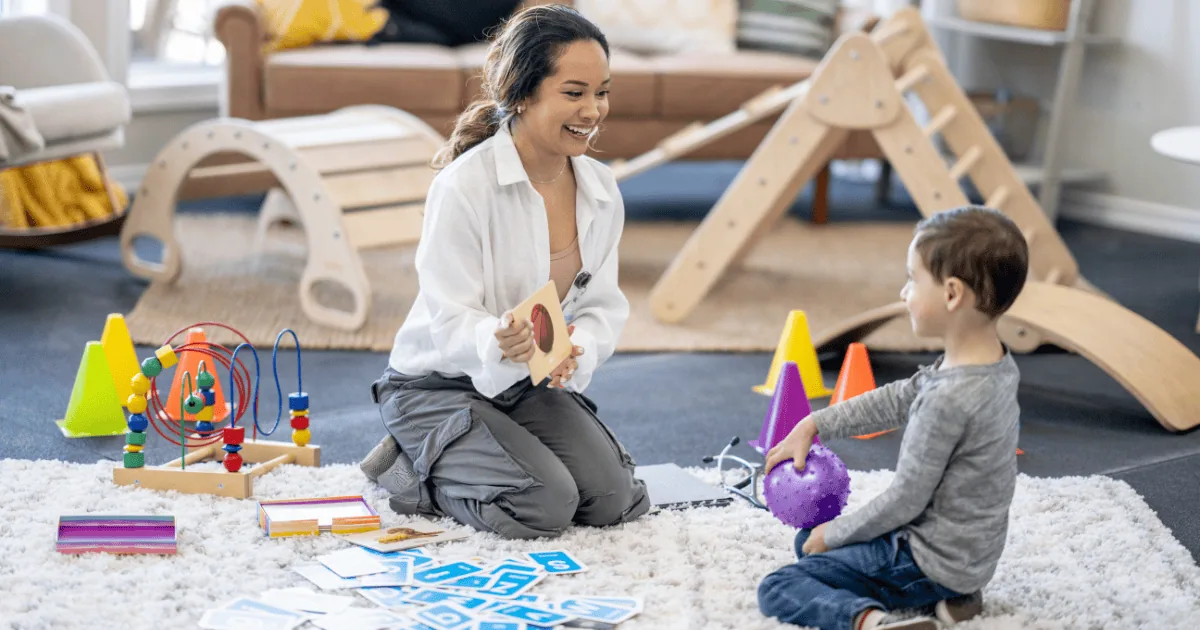
a mother and daughter practicing Parent-Child Interaction Therapy

Contributed By: *Terresha Anthony, LCSW, PCIT Trained Clinician

What is Parent-Child Interaction Therapy?

Parent-Child-Interaction Therapy (PCIT), a treatment developed over 30 years ago for children and families, has been researched to discover how it may benefit families of young children with cancer or chronic illness. PCIT was originally developed for children ages 2-7 with behavioral challenges. Sessions are conducted with the child and the parents. The parents learn therapeutic interventions that have a high success rate in helping children to become more cooperative and behave in a more socially acceptable way.

Over the years, PCIT and adaptations to PCIT have been studied and shown effective for more than behavioral issues. PCIT and adaptations to the treatment are also effective for anxiety, depression, trauma, ADHD, and children with Autism Spectrum Disorder.

Why Ongoing Support is Crucial for Childhood Cancer Survivors

Facing cancer is an immense challenge for anyone, but for children, it means grappling with their health at an age meant for dreams of being a princess or a superhero. For their parents, it is a terrifying ordeal to witness the effects of treatment. To say the least, it is a traumatic experience for both parents and children.

Childhood cancer and other childhood illnesses can have a significant impact on a child’s behavior and how parents respond to their child. Children with cancer are at risk for a range of behavioral challenges, short-term and long-term. Effects of childhood cancer can interfere with development, social skills, and self-esteem. Childhood cancer can also increase the risk of developing anxiety and depression.

Why Try Parent-Child Interaction Therapy?

Parent-Child Interaction Therapy is the gold standard of treatment for children with behavioral issues. However, new research shows that trained clinicians can adapt the protocol to meet the needs of children with cancer or recovering from cancer, providing treatment at home or in hospital settings. PCIT is a valuable intervention to build resiliency in children and mitigate the long-lasting effects of cancer or other chronic illnesses.

Specifically for children with cancer or chronic illnesses, PCIT helps children feel safe and connected to their caregivers. PCIT merges play therapy and behavioral techniques while actively involving parents in the therapeutic process. PCIT offers the child a break from constant focus on their treatment and helps children manage their fears and anxiety about doctor’s visits or home treatments.

In summary, PCIT empowers parents of children with cancer. It gives them effective strategies to manage their child’s behavior and the reassurance to maintain consistent and firm discipline. Many parents find it difficult to set limits with their children because they feel the urge to protect their fragile child from any consequences. PCIT can provide a sense of normalcy for the child, supplying the structure they need to recover not only physically, but emotionally, from the traumatic experience of cancer.

Learn More About CURE’s Counseling Program

If your family has been impacted by a childhood cancer diagnosis, we would love to be a counseling resource for you. CURE’s Counseling Program has sessions available for patients, parents, and siblings. Please submit a counseling form (HIPAA compliant) and we will be in touch.

*Terresha practices at the Summit Counseling Center and is an in-network provider for CURE’s Counseling Program. Terresha’s professional focus revolves around the intricate dynamics of relationships. Specializing in Parent-Child Interaction Therapy (PCIT), allows Terresha to help children between the ages of 2-7 with emotional and behavioral challenges. Terresha received her Master of Social Work and a Bachelor of Social Work from Georgia State University. Her professional background spans from developing comprehensive case plans for children in foster care to developing programs to support women experiencing homelessness. Beyond her counseling endeavors, Terresha finds joy in the simple pleasures of life. She cherishes moments spent with her husband of 18 years, enjoying outdoor activities like hiking and biking, and savoring a cup of excellent coffee. Through her multifaceted experiences, Terresha embodies relatability and empathy, striving to make a meaningful impact in the lives of those she encounters.

Tips for Parenting a Teen During Cancer Treatment

Parenting a teenager can be challenging, and a cancer diagnosis within the family can make it even more difficult for a teenage patient or sibling. Genuine connection with teens doesn’t always come easily or even naturally. The GIVE skill is a particularly helpful tool to utilize as parents consider how to prepare for connection opportunities with their teenagers.

The GIVE skill encourages us to: be Gentle, act Interested, Validate, and use an Easy manner.

When we do these things, we have the opportunity to move from a quick check-in about school that involves the parent looking at the calendar on their phone to check the family’s itinerary and the teenager answering quickly before going to their room to a more intentional interaction that includes eye contact, lightheartedness in nonverbal communication and shared laughter about an event of the day, and two family members ending the conversation hopefully feeling more connected to one another. If a conversation is not as pleasant in subject matter, this skill still allows for connection via expressing understanding of one another’s points, even if full agreement cannot be reached. While many of us know the importance of aspects of the GIVE skill, intentionally utilizing the skill as a whole grounds us in the goal of connection with our teenager and provides us with a framework of how to do so.

Dialectical Behavior Therapy (DBT) is an evidence-based therapeutic process built on modules that allow people to better understand their own feelings and how to achieve their goals in connection with others. One of the modules that focuses on connection with others is interpersonal effectiveness, which teaches ways to communicate our needs, wants, and values without jeopardizing our relationship with others.


Alyssa Morrison, LCSW, is a psychotherapist specializing in grief and loss processes, trauma, and mood disorders. Prior to opening her therapy practice, she worked at Children’s Healthcare of Atlanta as a social worker including roles with the Aflac Cancer and Blood Disorders Center and also the Emergency Department/Psychiatry liaison services. She is honored to continue to work with CURE and connect with families impacted by childhood cancer. She offers in-person appointments in her Decatur office as well as telehealth appointments. She can be reached at alyssamorrisoncounseling.com.

A House Full of Love

Ross and Heather Strunk already had a full house with their three daughters. But they wanted to try for a son and were soon surprised to find out they were going to have two. They welcomed twin boys, Charles and Edward, on November 1, 2022. Life got quite a bit more hectic… and noisy.

“I like to say that our house is loud but full of love,” said Heather. “Someone is constantly moving around, and it is a very rare moment when we are all still.”

They had no way of knowing that life was about to get much busier. When Charles was three months old, Heather noticed a bump near his ear while sitting in church. She thought it might be a mosquito bite. But she realized it was causing pain when she touched it. The next morning, it was larger and purple.

She bundled Charles to the emergency room, where he was treated for an ear infection. But even after taking a course of antibiotics, it continued to grow. Her pediatrician thought it might be a clogged lymph node or ingrown hair.

“My mother’s intuition was telling me it was something different,” recalled Heather. “It continued to grow and grow until it began to change the shape of his face. When his eye was swollen shut, I knew we had to get to someone who could figure this out.”

Heather took Charles to the emergency room again and refused to leave until they had a diagnosis. After a biopsy, they were told that Charles had Langerhans cell histiocytosis (LCH), an incredibly rare, cancer-like condition. It happens when a person’s body makes too many immature Langerhans cells that build up and can form tumors or damage tissue, bone, and organs.

“My world just dropped with those three letters,” Heather said. “I was absolutely crushed.”

A few days later, he had his port placed and began chemotherapy.

“He was diagnosed at night and didn’t get to the oncology floor until 3 am,” Heather shared. “My husband and I didn’t sleep and had no clue what we were doing. That day, CURE was serving lunch in the family room, but we were both too emotional and exhausted to get it. Emily from CURE knocked on my door and asked if I wanted a sandwich. I immediately burst into tears! She hugged me and asked if I wanted turkey or ham. I couldn’t stop crying to answer. So I held up two fingers, and she got me a ham sandwich. I needed to know I wasn’t alone – and that moment told me that I wasn’t.”

Charles’ treatment lasted eleven months, and he has reacted fairly well to the steroids and chemo. He was delayed in walking and was given a prescription for physical therapy to help. He never needed it because he started walking the very next day and hasn’t slowed down.

Charles’ latest scans indicate that the chemo is working, and there has been no tumor growth. With nothing to slow him down, he spends as much time as possible outside and loves to play with trucks. He also loves to cuddle his mother. And while she leads a busy life with all her kids, Heather knows just how special those cuddles are and will stop anything to take them.


Screenshot

Using yoga, movement, breath and sound to help address pain and struggle

Your body is naturally built to handle stress. Stress is any demand that is placed on your brain and body. An event occurs, and your body reacts, but then the body settles down. This is a natural part of our autonomic nervous system, the Sympathetic Nervous System or Fight or Flight mode. Think of it as the gas peddle on your car. It is the part of our nervous system that helps us deal with danger or a threat.

Having a child diagnosed with cancer creates ongoing struggle and feelings of fear and worry for everyone in the family. This ongoing stress can morph into anxiety. This happens when things are beyond our control when the mind goes to the past and to the future. This situation keeps your body in the Fight or Flight mode. Imagine an unbalanced teeter totter, one side has overwhelm sitting on the seat and the other side has calm on the seat.

Overwhelm is taking over. Finding relief from Fight or Flight can be difficult when you have a foggy brain from lack of sleep, many appointments, other children to care for, and so much unknown. So bringing awareness to one of the most natural things you do, can help significantly. It does not take much to help bring your body into a little more balance. Utilizing your breath can change the
way your body functions.

Your Parasympathetic Nervous System or Rest and Digest mode, helps to calm the body. Now, imagine the brake on your car. This allows for the body to slow itself and receive input that it is safe in the moment. It allows for smoother functioning of bodily systems, such as sleep and digestion, to name a few. Revisit the teeter-totter… this system helps balance out the gas peddle (overwhelm) and bring some balance (calm) to your body.

Diaphragmatic Breathing: This is a very simple breath technique. The belly expands as you begin to take deeper breaths. However, do not force this breath. Kindness to yourself here is key. You may decide to place your hands on the abdomen to actually feel the breath move the belly. As your exhale arrives, the abdomen contracts, and the air slowly reverses direction. Extending the exhale is what helps to put on the brake and calm the nervous system.

Of note, it is important to say that when you are under significant stress and/or anxiety, you can take very shallow breaths in the upper chest. So this breath may take a little while to get used to performing. Be kind to yourself and practice with patience. Understandably, this is difficult when you feel upset, but know that you’re doing your best just trying.

  • Welcome a tall, upright posture to create more space in the torso for your breath to enter and exit.
  • Having a small change of scenery can be a game-changer. If you’re in a hospital room, go in the hallway or family room. Perhaps outside if that is accessible. However, practicing this breath right where you are is always perfect. If you’re comfortable, maybe closing your eyes or having a soft, downward gaze can help bring your mind inward toward the breath without as many distractions.
  • Welcome any feelings in your body. Feel your feet on the floor. Hips on the chair. Arms in your lap. Your body can become numb when faced with heavy overwhelm. Notice areas of tension or pain and offer these spaces your compassion.
  • To practice this breath pattern, invite in the breath for a count of 3-4. Notice the belly expand. Exhale for the same count. Notice the belly contract. As you practice, see if you are able to extend your exhale. Inhale for 3-4 counts. Exhale for 6-8 counts. Practice making the exhale twice as long as the inhale.
  • Perform 2-3 minutes at a time, and as frequently as you’d like, to help keep your body at ease. You cannot use this breath too much.

Some tips from Jen

Jen Herndon is a Yoga Therapist and Yoga and Grief Yoga® Teacher. She is a Grief Educator and has been an inpatient rehabilitation-based Physical Therapist Assistant for 29 years. Grief Yoga®’s mission statement: Using yoga, movement, breath and sound to help address pain and struggle. This makes space for more empowerment and love. Please consider joining me at the link below for Rise: A Healing Community.

If you find stress and/or anxiety is interfering immensely with your everyday life, you may wish to speak to a professional counselor for
ongoing support. As a yoga therapist, together, we seek out the best route for you to journey down to manage your specific situation as it evolves. Options include yoga movements, breath practices, meditation, visualizations, and practices of connection.

Lauren’s Run & Picnic is one for the Ages

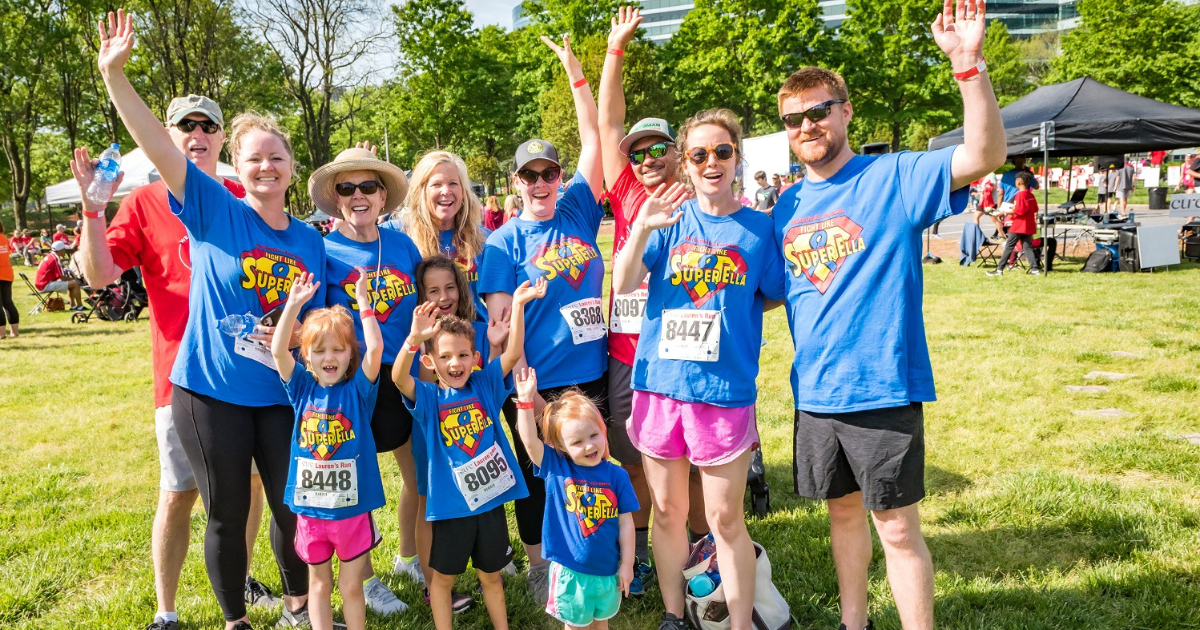
Gorgeous weather made the perfect backdrop for the 30th annual Lauren’s Run & Picnic, presented by AutoNation. This special race brought together 1500 participants, many of whom have been personally affected by pediatric cancer. The spirit of the event is always so special as the community comes together to honor fighters, remember those children we’ve lost, and celebrate survivors. Two young survivors not only beat cancer but also medaled at Lauren’s Run.

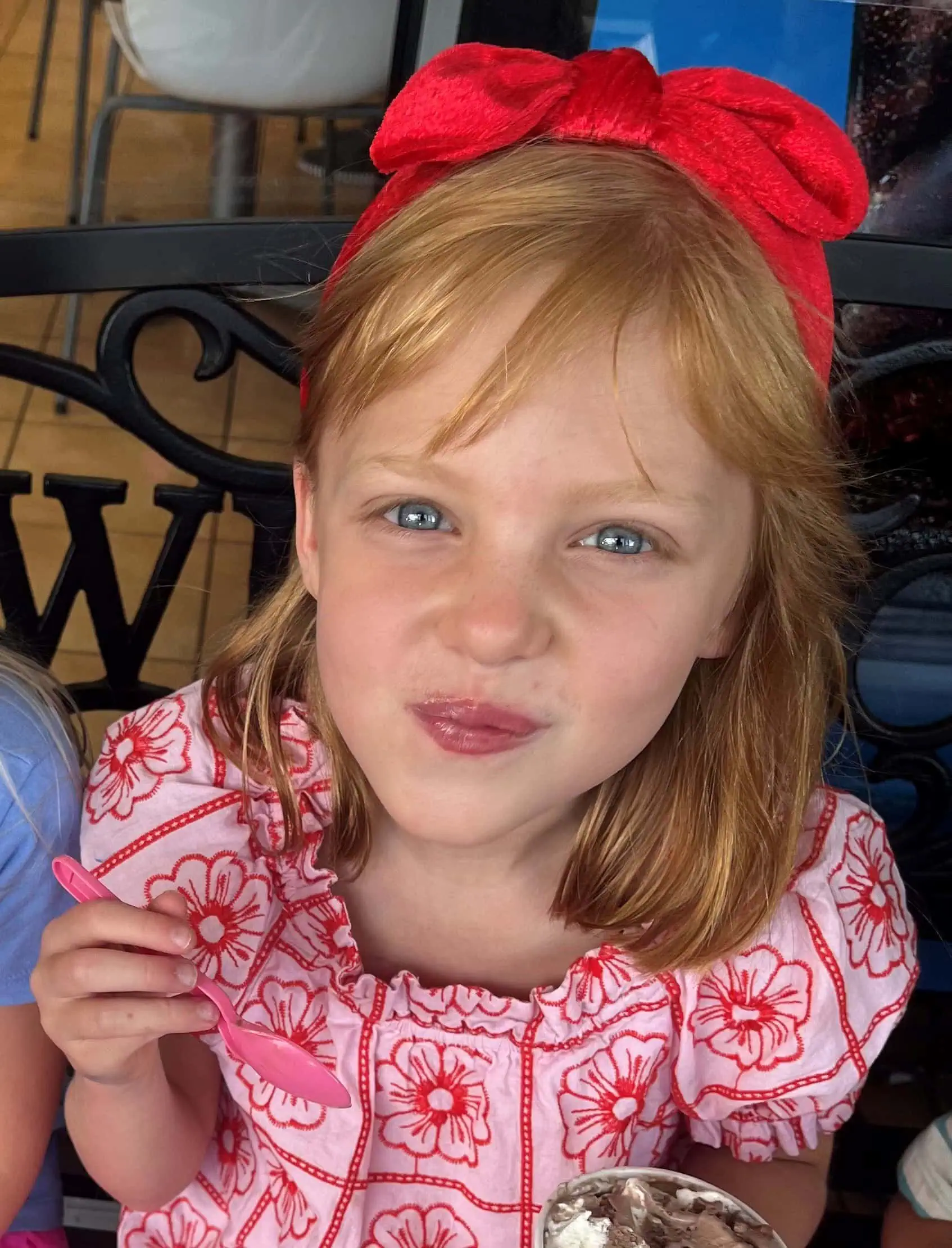
Ella Nelson was seven months old when she was diagnosed with Langerhans cell histiocytosis or LCH. The fight against cancer caused significant growth delays. She had to have intense speech therapy until she was three years old. But she is a picture of resiliency and is now ahead of where she should be developmentally. But now she is eight and loves to run. Ella has run the 2k at Lauren’s Run, but this is the first time she has run the 5k and she came in second place in her age group.

Jackson Fenchak was also diagnosed with cancer as an infant. After a fourteen-hour surgery and chemotherapy, Jackson was declared cancer-free. Over the years, he has had several foot surgeries. In fact, his foot is now made of a cadaver bone! Which makes it all the more amazing that he is an accomplished cross country runner. He brought his speed to Lauren’s Run, finishing first in his age group and 20th overall.

Lauren’s Run & Picnic is so much more than just another run. The picnic that follows is epic for the children and the whole family. There were so many activities to choose from – a row of huge inflatables, crafts, games, music, face painters, balloon artists, and more. But it wouldn’t be a picnic without food, and that was covered. Our good friends at Chicken Salad Chick brought delicious meals and gladly served all afternoon. There was also delicious food from Jimmy John’s, Dunkin’, Bad Daddy’s Burger Bar, and a special addition this year of award-winning barbecue.

Duval Semi Trailers has been a great supporter of CURE for several years through their DST Gives Back program. This year, they volunteered to bring their cooker trailer to Lauren’s Run & Picnic. They set up the day before the race and began cooking delicious BBQ that truly gave the picnic a homespun feel. The date marked Vice President Danny Carroll’s 50th birthday, and his family and the DST team surprised him to celebrate him and serve.

“Our entire team that was there cooking has been changed forever,” Danny said. “We absolutely loved being there, and we all did it with complete joy in our hearts.”

Families were also moved. Nathan Samples is in the middle of a fight with leukemia, and his mother, Morgan, said. “These events are so important because they raise funds to help CURE fund research and care for families. But they are also so important because they give families like ours a “break” from cancer. There is an understanding among cancer families, and it’s a relief for our whole family to be surrounded by others who have fought or are fighting a battle that none of us would choose for ourselves and certainly not for our children.”

This year’s Lauren Zagoria Champions for Children Award was presented to Sam and Gary Alexander and the Northeast Atlanta Chapter of the National Charity League for their longtime dedication and tireless service to children with cancer. Through the support of so many sponsors, donors, volunteers, and participants, more than $315,000 was raised to support childhood cancer research. We are thankful to all who played a part in making the 30th annual Lauren’s Run & Picnic an incredible success.

Added Strength

The name Kelson paid tribute to two Loveland family members, Nelson and Kelly. When his parents named him, they had no way of knowing how fitting his name would be. They soon learned there was a very similar nautical word, keelson, a structure added to a ship to strengthen its framework. As Kelson got older, everyone who knew him marveled at his added strength.

Kelson faced significant health challenges from the day he was born. He began having seizures at four weeks old, which forced him to spend twelve weeks in neonatal intensive care. At six months old, he was diagnosed with a form of epilepsy. That was followed by scoliosis, neuropathy, hydrocephalus, and a host of other medical complications. Poor Kelson couldn’t get a break.
Despite all of the bad medical news, Kelson had a smile that could light up the world and taught himself how to communicate by clapping. He started to improve when he was six years old. But soon, he faced his biggest challenge, a brain tumor called a pilocytic astrocytoma. Despite treatment, the tumor continued to grow. As his health deteriorated, his family was forced to stop treatment in 2019. Kelson passed away on May 5, 2020, surrounded by his loving family. Before he passed, his family made a promise to him – to honor his life in every way they were able and to live their lives in a way that would make him proud. Throughout his (almost) nine years, Kelson’s life was deeply enriched by compassion and kindness their family will never forget.
There are three ways his family honors Kelson’s life.

Kelson’s Curtains
When Kelson began treatment on the Aflac floor at CHOA, Kelson’s mom, Becky, explained that the windows to the hallway were very large and let in a lot of light, making it hard to sleep. Says Becky, “At first, I tried taping up a medical pad with an entire roll of paper tape, which fell down as soon as I fell asleep.” Now, the Loveland family and a team of volunteers make them out of bright, cheerful flannel and deliver Kelson’s Curtains to other families fighting cancer.

Seven Days of Kelson’s Kindness
“For the seven days leading up to his birthday, we host a kindness campaign and encourage others to spread kindness in Kelson’s memory,” Becky explained. “Kelson’s sister came up with the idea when we were trying to decide how to celebrate his first birthday without him, and it has been the perfect way to honor him.”

Bub’s Run
“I’ve been a runner all my life, so it was an easy decision to host a 5k to honor Kelson’s memory,” Becky said. “The first Bub’s Run was held in our neighborhood on May 8, 2021, which was a year after Kelson’s passing. We just sent notes to family and friends, expecting a small group to show up, but nearly 80 people did and we raised $8000 for MUST Ministries. Since then, Bub’s Run has grown each year and raised nearly $100,000 in three years for various organizations that impacted Kelson’s life.


CURE is the beneficiary of Bub’s Run this year. To learn more about Kelson and his “Added Strength,” join Kelson’s family on Saturday, May 4, at North Cobb Christian School in Kennesaw. For more information and to sign up, visit https://www.adventuresignup.com/Race/GA/Kennesaw/BubsRun.


Play & Expressive Arts Therapy

When we look at the impact that cancer has on a family, we find that all members are affected. As the family adjusts to support the child diagnosed with cancer, siblings may feel fear, anger, anxiety, loneliness, jealousy, and guilt as their family routines and schedules change and as parents are required to spend more time and effort with the child who is undergoing cancer treatment. Though siblings may cognitively understand that their sibling requires time and attention from parents, they may still grapple with feeling left out and unsure of how to adjust to changing family dynamics. Using play-based and expressive arts therapy techniques meets children where they are developmentally. Play is the language of children, and toys are their words. A therapy room stocked with a carefully curated selection of toys and art materials offers a safe ground for exploring and understanding changes in a family system due to a sibling’s diagnosis of cancer. Play and expressive arts with the grounding presence of a trained therapist provide children with a rich and natural way to express themselves, build emotional regulation, figure out which coping skills are and are not effective for them, and identify and manage sources of anxiety and strain. Therapy can help children build resilience and thrive, and working with a therapist can offer an additional source of support to parents as they address the needs of all of their children.

Mary-Beth Archer is a licensed master social worker who provides play-based and expressive arts therapy at Art It Out.
She is passionate about connecting with children and adolescents through developmentally appropriate play-based techniques. Her goal is to honor the individuality of each child and to help them develop the resilience they need to thrive. She has worked as an international children and families social worker and as a children’s trauma therapist. She has four children of her own and deeply understands the joys and challenges of parenting. Mary-Beth has additional training in Trauma-focused Cognitive Behavioral Therapy, Grief Counseling, and Sand Tray Expressive Arts.

Watch Mary-Beth discuss an art project you can do at home with your child.

CURE Childhood Cancer recognizes the impact that a childhood cancer diagnosis can have on the whole family. CURE’s Counseling Program helps address the unique psychological needs of families affected by childhood cancer. CURE’s family-centered approach to addressing these unique experiences includes partnering with a network of licensed community-based therapists to offer counseling sessions to CURE families.

For more information about CURE’s counseling program, contact Chelsea Key at [email protected], or learn more through the button below.

Run with Ella

Lauren’s Run & Picnic is getting close, and this year marks a very special anniversary. April 28 will be the 30th time we’ve lined up to run this cherished race. It will also be a special day for a young girl running the 5k for the first time.

When Ella was seven months old, her parents noticed a change in her demeanor and a type of gastric reflux that started suddenly. Doctors put her on a new formula, but she continued struggling to eat and had to be taken to the emergency room. Soon, she was diagnosed with Langerhans cell histiocytosis or LCH.

LCH is a rare, cancer-like condition that forces the body to make too many of a specific type of immune cells. These cells can cluster and form tumors. Ella’s had clustered in her GI tract, blocking the movement of food. As she began her treatment, Ella was hooked up to a pump that delivered nutrition directly to her bloodstream.

“You learn very quickly when you start treatment that you can’t ask questions about the future,” shared Ella’s mother, Allison. “Her doctors didn’t know if she would ever be able to eat or have a normal life. She didn’t learn to eat until she was 18 months old, and her mouth muscles didn’t develop. She had to have intense speech therapy until she was three years old. But she is a picture of resiliency and is now ahead of where she should be developmentally.”

Ella is now eight and in the second grade. She plays soccer and loves to run. She especially loves road races; in fact, her whole family does. She has run the 2k at Lauren’s Run and is excited to do the 5k for the first time this year!

“Growing up, my family liked to run a 5k in Plains, Georgia together. It became our tradition,” Allison said. “My mother is one of seven girls, so our family is large. We’ve all adopted Lauren’s Run as our new family race tradition.”

Ella’s grandmother, Ellen Rose, has spearheaded the team – Cousins for a Cure. On April 28, many of Ella’s cousins, aunts, uncles, and grandparents will join the fun.

“She absolutely loves the picnic afterward,” Allison added. “She looks forward to the bouncy houses, cake walks, and all of the games. It really is a wonderful day.”

Cousins for a Cure is not only a running team; they are also a fundraising team, and Ella is right in the thick of it. Ever a competitor, she calls her grandmother regularly to see how the team is faring with donations.

Ella would like to invite you to run and picnic with her. Registration is now open for a day filled with excitement and inspiration! The 30th annual Lauren’s Run & Picnic, presented by AutoNation, will be held on April 28 in the shadow of the King and Queen buildings. Following the race, you’ll love the over-the-top picnic featuring delicious food from Chicken Salad Chick, Dunkin’, Jimmy John’s, Bad Daddy’s Burger Bar, and award-winning BBQ from our friends at Duval Semi Trailers.

For more information and to register, visit laurensrun.org.